
 By
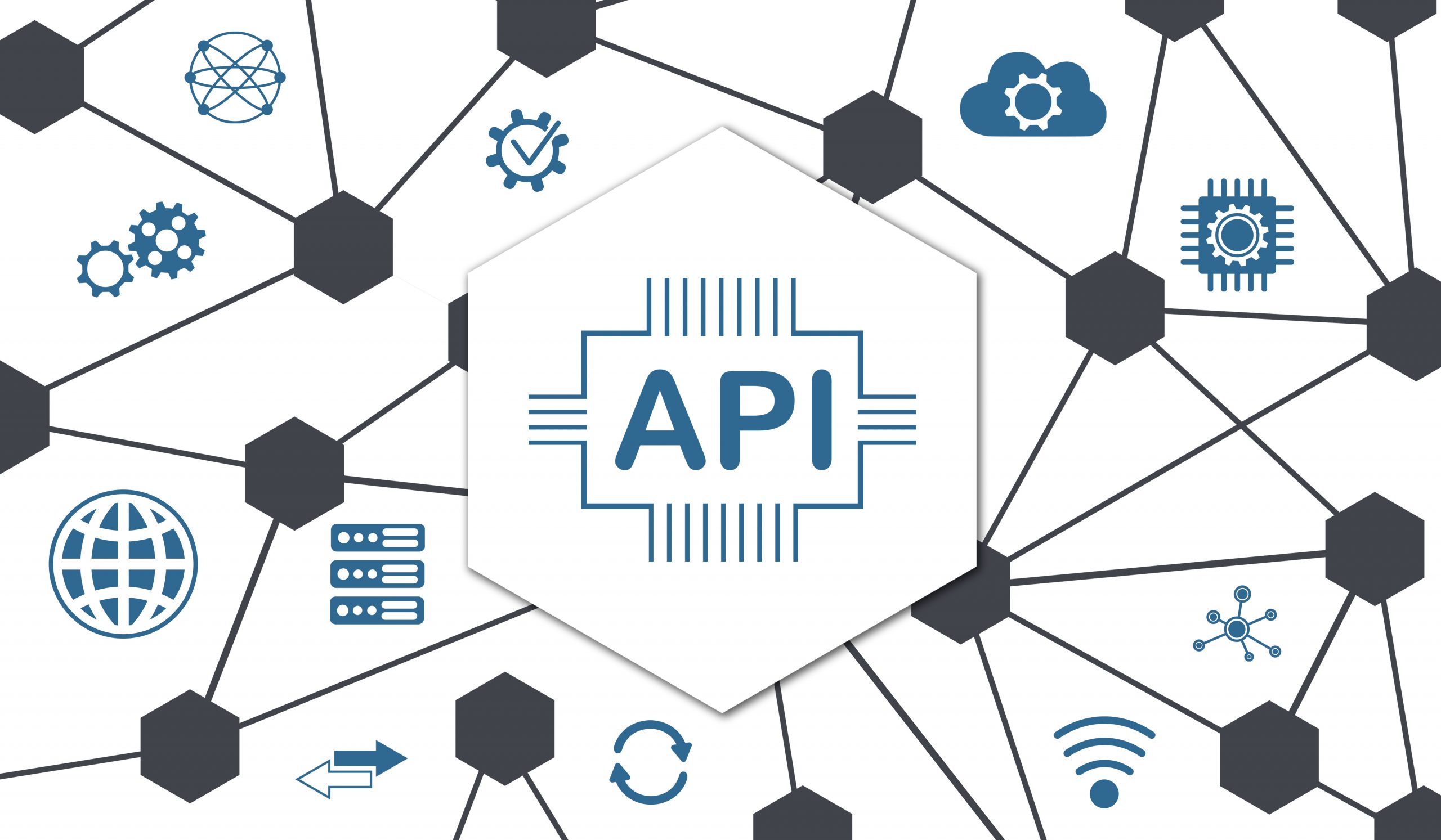
By offering a complete, pre-built backend infrastructure that third-party developers can include into their applications via established protocols, Backend-as-a-Service (BaaS) platforms handle APIs and endpoints. The client may concentrate on front-end development and user experience because the BaaS provider takes care of all the underlying server-side functionality, security, and maintenance.
How BaaS Manages APIs
- API as the Core Product: The APIs are the bridge connecting the third party’s front-end application to the BaaS provider’s secure and compliant banking or backend infrastructure. The provider manages the underlying complexity, while the client interacts solely with the API.
- Standardization: BaaS APIs typically adhere to standardized architectural styles like REST or GraphQL, making them easy for developers to understand and integrate.
- Modularity: Services are broken down into modular APIs (e.g., a payment processing API, an account management API, an identity verification API) so businesses can pick and choose only the functionalities they need.
- Automatic Generation: Some BaaS platforms can automatically generate APIs based on the developer’s database schema, further accelerating the development process.
- Documentation and SDKs: BaaS providers offer comprehensive documentation and SDKs for various platforms (e.g., iOS, Android, web) to simplify the integration process and provide type-safe access to their services.
How BaaS Manages Endpoints
- Endpoint Definition: BaaS providers define specific API endpoints—unique URLs that represent a particular resource or functionality (e.g.,
/accounts,/payments,/users/status). - Security and Authentication: Endpoints are secured using industry-standard measures, including:
- Token Authentication: Requiring secure bearer tokens to access resources.
- Header Signing: Using shared secrets and digital signatures to verify the authenticity of requests.
- HTTPS/Encryption: Ensuring all data in transit is encrypted.
- Access Control: Implementing role-based access rules to control what data different clients can access.
- Monitoring and Scalability: The BaaS provider is responsible for the performance, availability, and scalability of these endpoints, automatically adjusting resources to handle varying loads without the client needing to intervene.
- Webhooks: In addition to standard API calls (request/response model), BaaS systems use webhooks (event-driven architecture) to push real-time updates to the client’s system (e.g., a notification when a payment is successfully posted), reducing the need for constant polling.
By managing these technical complexities, BaaS allows businesses to focus on their core product and user experience, while leveraging enterprise-grade backend infrastructure.
By offering a complete, pre-built backend infrastructure that third-party developers can include into their applications via established protocols, Backend-as-a-Service (BaaS) platforms handle APIs and endpoints. The client may concentrate on front-end development and user experience because the BaaS provider takes care of all the underlying server-side functionality, security, and maintenance.
Think about the following scenario: It so happens that two startups are developing apps that target the same customers and perform the same thing. Startup A decides to construct its own back end and begins developing servers, databases, real-time features, and proprietary programming. Before releasing their app on the market, they test, secure, and ensure that it is scalable.
Instead, Startup B decides to use backend as a service. Because BaaS is managed, scaling is handled, and there is less testing and security to be concerned about. Their product attracts the attention of their target market and ships promptly.
Startup A lost out on first-mover advantage because their rival published the app months earlier, therefore all of that work on scalability was in vain. The crowds never showed up, and they were outclassed. Success or failure may depend on how quickly BaaS enables you to move.
Backend as a service offers all of the backend essentials, as well as some features for more advanced use cases:
- Authentication and user management: BaaS can help you handle user signups, registration, and secure logins with prebuilt authentication and authorization. Many BaaS providers support passwordless logins, OAuth, SSO, and role-based access control.
- Scalable databases: Most BaaS providers offer fully managed database setups (SQL, NoSQL, and document-based), real-time data sync, and offline data access capabilities.
- Event-driven capabilities: With BaaS, you can handle changes in real time, including webhooks for instant updates, push notifications, and pub/sub messaging for multiuser sync.
- Serverless computing: Some BaaS even allow you to write small, scalable, serverless functions to run any backend logic you might need, like background jobs, email triggers, or payment processing.
- Storage: You can use BaaS to handle file uploads, storage, and CDN delivery without having to manage S3 buckets and access rules.
- Integration: Most BaaS providers allow you to connect to third-party services with ease, opening your app up to functionality like payments (Stripe) and analytics (Segment). Additionally, companies like Contentful offer content platforms that integrate with BaaS setups to manage structured content.
- Security: BaaS providers handle security for you, covering such things as rate limiting, input validation, and encryption at rest in transit. They also provide real-time monitoring dashboards.
Different BaaS providers will mix and match these common features, each with their own specific functionality differences, alongside their own unique backend services. For example, Azure offers a lot of managed backend services that integrate with the Microsoft 365 ecosystem.
What are the Advantages of BaaS Over Traditional Development and Hosting?
Positive impact on developers
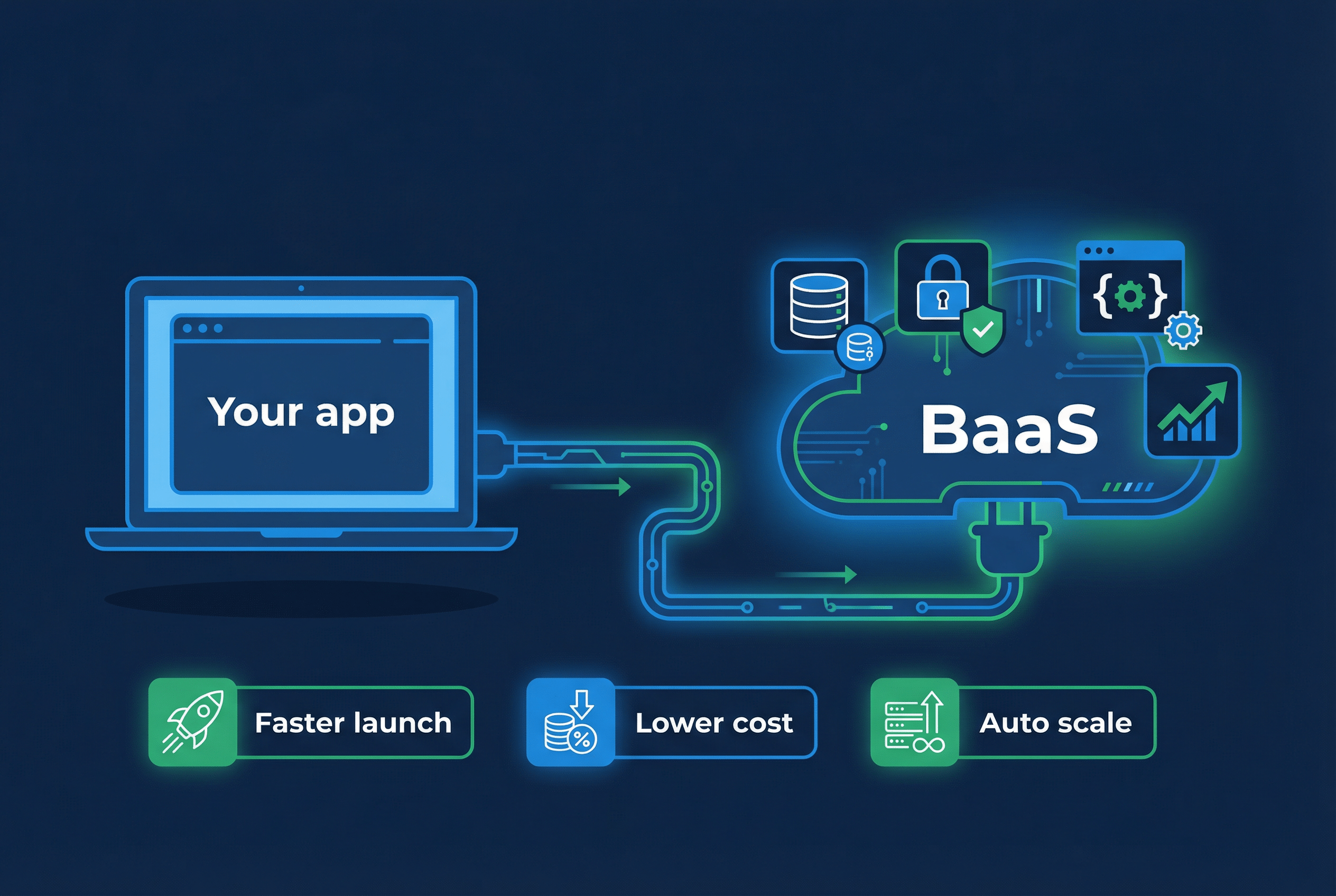
The main win for developers is the saving of valuable development time — not just in the implementation of various complex components, but also in the time saved not having to configure and maintain all of the infrastructure and security involved in a modern back end. With the development burden lightened, you can spend time perfecting other parts of the application, such as the front end or any unique features your app may require.
Positive impact on users
BaaS can result in much faster experiences for end users, especially during high demand. Most BaaS providers offer auto scaling, which means if your app suddenly goes viral or there’s a sudden spike in traffic, the provider automatically increases the resources available to handle the requests, ensuring your app is performant. Teams developing with BaaS will also have more time to spend perfecting their user experience.
Positive impact on business
When using BaaS, you cut down the time needed to develop your product significantly — much of the backend work is done for you, reducing development time and costs and allowing you to maintain a leaner development team. BaaS also reduces maintenance and security overheads. This makes it easier to stay compliant with data privacy laws and enhances your products’ reputation as reliable and secure. Leveraging BaaS can also greatly decrease the time to market, meaning you can get ahead of the competition and capitalize on the benefits of first-mover advantage.
Read Also: BaaS and Microservices: Can They Coexist?
Although cloud functionalities and plugin integrations allow for some customisation, BaaS platforms are designed for a wide range of use cases. However, there may be some specific use cases where you need to do something that isn’t supported. This is the flexibility trade-off of BaaS, but it’s not built in, so you should figure out how much customization you need and make sure the supplier you choose offers it.
Some developers are likewise concerned about not having complete control. For example, you have no control over availability or performance, and debugging and observability may not always provide the desired amount of detail. These issues can also be avoided by thoroughly screening BaaS tools before utilizing them: Make sure the supplier has logging and auditing capabilities that meet your demands, and seek for platforms with a worldwide reach so they’ll be prepared for you when you scale.
Another risk is vendor lock-in, which could result in abrupt price increases for subscription or pay-as-you-go services and the discontinuation of features you use. These problems might be challenging to resolve depending on the supplier since you might be constrained by proprietary formats or syntax, which makes switching to a different solution challenging. Look for systems that support popular programming languages like Python or JavaScript and allow you to export your data in standard formats to avoid this.
How to Pick the Right Backend as a Service
Your preferences and project objectives may be different from others’ while choosing the best BaaS. You should carefully think about the back-end features your product needs and see whether the supplier has anything you can customize to meet your needs. Verifying that it can integrate with any extra tools you might need (payment processing, analytics, etc.) is also a smart idea.
To ensure that your pick is competitive with other platforms, it’s also a good idea to look at the price models before deciding. Additionally, verify sure you can afford any hidden fees, such as additional costs exceeding a specific traffic level.
You may also want to check out free trials or customer reviews to make sure that the platform is user-friendly and that it actually does what it claims.
Make sure that you verify security on the platform and the offering, and check the vendor’s reputation. If you’re making a long-term technical investment, you’ll want to make sure the BaaS provider will be around for a while.
Here are some popular backend-as-a-service providers for you to peruse:
| Provider | Core features | Best for | Custom logic | Open source? | Free tier | Notable limitations |
| Firebase | Realtime DB, Firestore, auth, cloud functions, hosting, analytics | Realtime apps, MVPs, mobile apps | Cloud functions | No | Generous | Vendor lock-in, less SQL flexibility, data export can be tricky |
| Supabase | Postgres DB, auth, edge functions, storage, realtime | SQL-based apps, scalable products | Edge functions | Yes | Generous | Young ecosystem, fewer plug-and-play integrations |
| Appwrite | DB, auth, storage, functions, GraphQL, localization | Developers who prefer self-hosting | Cloud functions | Yes | Yes | UI less polished, requires self-hosting for full control |
| Backendless | DB, user auth, file storage, real-time messaging, push notifications | Low-code apps, mobile apps | Cloud code | No | Limited | Some features behind higher pricing tiers |
| AWS Amplify | Auth (Cognito), GraphQL & REST APIs, Lambda, storage, hosting | Enterprise & AWS-native apps | Lambda integration | No | Yes | Complexity, tightly coupled to AWS ecosystem |
| Hasura | Instant GraphQL on Postgres, auth, actions, event triggers | GraphQL-heavy apps | Actions, remote schemas | Yes | Yes | May need extra infrastructure for complex workflows |
| Nhost | Postgres DB, GraphQL, auth, storage, functions | Modern JAMstack & GraphQL apps | Serverless functions | Yes | Yes | Still evolving, limited enterprise adoption |
The amount of flexibility and complexity you may add to your back end beyond basic operations depends on the custom logic you choose. The majority of BaaS providers include prebuilt services like database operations and authentication to speed up development, but you may eventually need to run business-specific logic.







Comments