
 By
Using BaaS for Real-Time Collaboration Tools
Using Backend-as-a-Service (BaaS) for real-time collaboration tools like shared whiteboards, document editors, or Kanban boards lets developers instantly implement live data synchronization, user presence, and conflict-free state management via WebSockets or LiveQueries without building server infrastructure from scratch. Popular platforms like Supabase or Firebase handle this plumbing out of the box.
- Live State Sync: Broadcasts cursor movements, text changes, and UI actions instantly across connected clients using managed WebSocket channels.
- Built-in Authentication: Manages secure user login, team roles, and multi-user permissions without custom backend code.
- Reduced Infrastructure Cost: Eliminates the need to provision, scale, and patch persistent server clusters during sudden traffic spikes.
- Rapid Prototyping: Accelerates time-to-market so teams can focus entirely on frontend user experience and collaborative features.
- Conflict Resolution: BaaS databases stream raw data changes, but your frontend still needs logic (like operational transformation or CRDTs) to merge simultaneous edits gracefully.
- Scaling Costs: Usage-based pricing models can spike rapidly as concurrent connections and live data reads/writes multiply with active users.
- Vendor Lock-in: Deep integration with a specific provider’s real-time SDKs can make migrating to another backend architecture complex later on.
The global Backend as a Service (BaaS) market is valued at approximately $4.7 billion to $8.2 billion, and is projected to expand rapidly to over $37.8 billion to $47.8 billion within the decade. The industry grows at a compound annual growth rate (CAGR) between 21% and 23%, driven by serverless adoption and reduced development times.
- Current Value: Estimated between $4.7B (2025) and $8.2B (2025) depending on market scope definitions.
- Future Forecast: Projected to reach roughly $37.8B to $47.8B by the mid-2030s.
- Growth Rate: Strong compound annual growth rate (CAGR) tracking between 21.4% and 23.3%.
How Does a Backend as a Service Work?
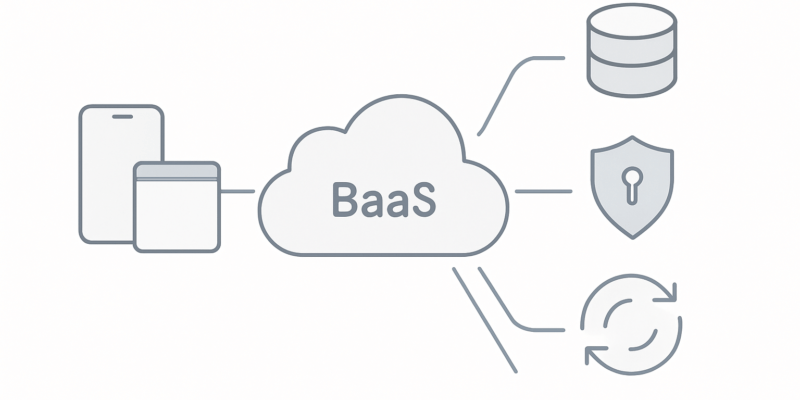
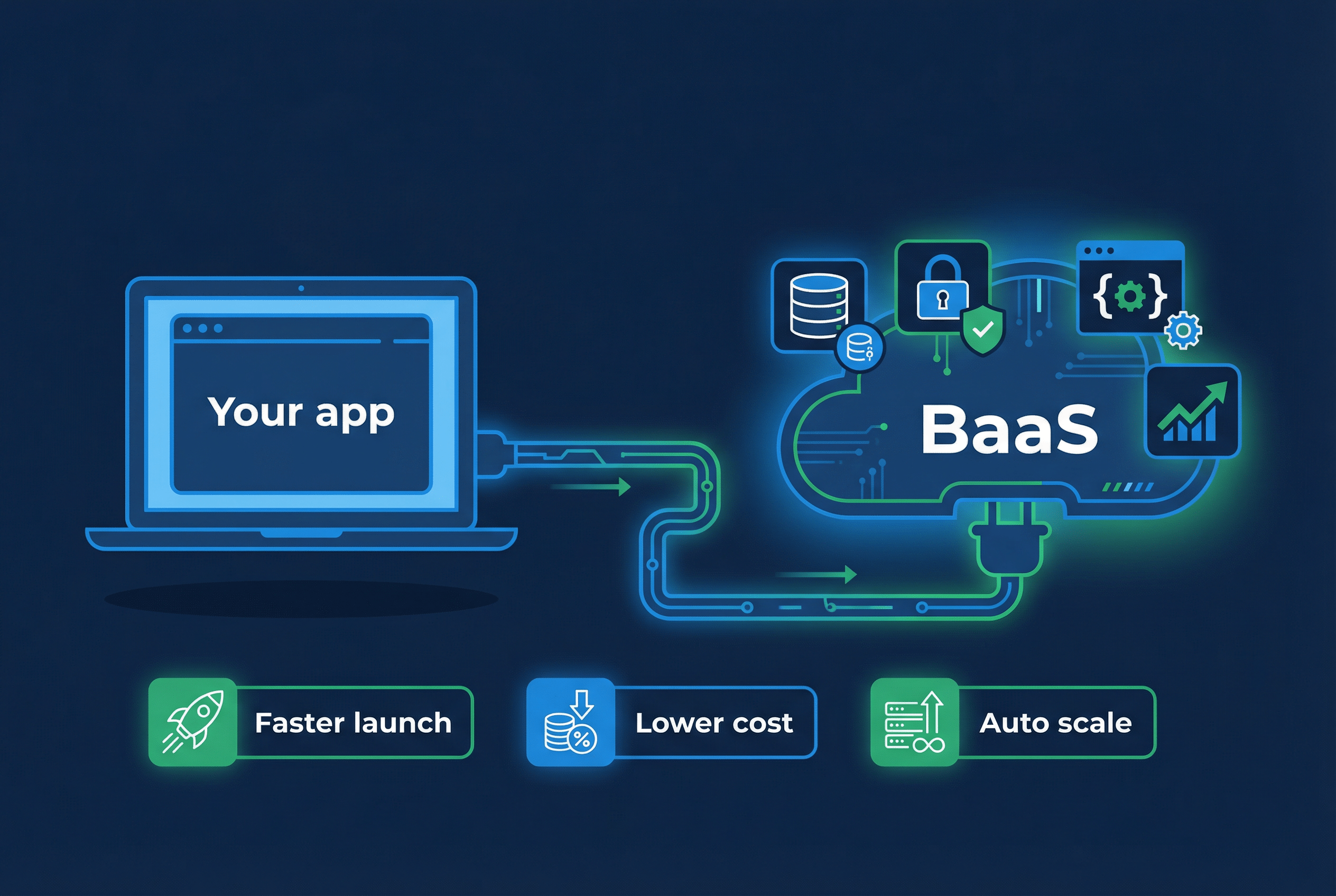
BaaS functions as a “plug-and-play” infrastructure layer that connects your frontend to cloud-hosted backend components via standardized APIs and SDKs.
Instead of architecting custom server-side logic, you integrate to managed services—such as databases and user auth—directly into your client-side code.
This eliminates the need for manual server provisioning, allowing you to deploy full-stack functionality with just a few lines of code.
Why Use BaaS?
One of its primary advantages is rapid app development. By eliminating the need to construct backend functionalities from the ground up, BaaS significantly reduces time-to-market, making it especially valuable for mobile and web app developers.
BaaS also makes it easy to integrate features such as user authentication, push notifications, and data synchronization – which is particularly appealing if you’re developing mobile applications – and real-time updates and third-party service integrations make it indispensable for dynamic web platforms.
With BaaS, you can tap into shared resources rather than setting up and maintaining dedicated backend infrastructure.
As your user base grows, BaaS can typically adjust resources automatically to handle increased workloads, and ensure that apps remain responsive and efficient without manual intervention. This approach can save you money, because you only pay only for what you use and can avoid overhead associated with infrastructure maintenance.
Many BaaS platforms offer Software Development Kits (SDKs) for multiple platforms, so apps can be deployed across various devices and operating systems without too much modification.
And, BaaS providers continually update their platforms to include the latest features, performance improvements and security patches, so you always have access to the latest tools and technologies.
While these primary benefits of Backend as a Service (BaaS) are well-known, there are some hidden advantages to using BaaS. Here are five of them:
-
Collaborative environment: One underrated advantage of BaaS is how it fosters teamwork. BaaS platforms often come with tools that foster collaboration among developers, designers and other team members. No matter where your team members are located, these tools make it easier for everyone to work together.
-
Built-in analytics: Many BaaS platforms offer built-in analytics tools that enable developers to monitor user behavior, app performance and other critical metrics, out of the box, providing valuable insights without the need for third-party integrations.
-
Seamless transitions: BaaS offers a more smoother transition between development and production environments. Uniform backend services ensure consistency, reducing the chance of unexpected issues when moving from one environment to another.
-
Global reach and speed: Some BaaS platforms automatically distribute data across global data centers and integrate with Content Delivery Networks (CDNs). This ensures faster data retrieval and better app performance for users, no matter where in the world they’re located.
-
Future readiness: Technology is always evolving, and BaaS providers have the incentive to keep their platforms updated with the latest technologies and best practices. This means that applications built on these platforms are more likely to be compatible with emerging and future technologies, ensuring longevity and reducing the need for an overhaul.
When to Use BaaS
Any scenario in which building, maintaining, or scaling a custom backend would be time-consuming or cost-prohibitive can be a potential use case for BaaS.
In addition to mobile apps and web platforms, BaaS is useful for the growing IoT sector, because it allows you to build scalable solutions for managing the deluge of real-time data that IoT devices produce.
BaaS can also be used for prototyping new products. Startups and innovators can quickly develop and test functional prototypes without having to invest heavily in backend infrastructure.
BaaS solutions can manage product listings, user carts and dynamic content, making them invaluable for online gaming, ecommerce platforms and other content-driven applications, as well.
Common Frontend Frameworks and What They Need from the Backend
Modern frontends are API clients. Whether you use React, Vue, Angular, Svelte, or a mobile framework, the pattern is the same: render UI, call APIs, sync data.
Exploring Popular Frameworks
React is the default choice for many startups. React frontends typically need:
- A clean HTTP or WebSocket API to fetch and sync data
- Authentication flows (sign up, sign in, password reset, social login)
- Real-time updates for notifications, chat, dashboards, and collaboration
Vue appeals to teams that want a gentle learning curve and a compact ecosystem. Vue apps integrate best with BaaS options that provide:
- Simple SDKs that work well in SPA or SSR contexts
- Lightweight state management for caching API responses
- Support for both REST and GraphQL
Angular is still strong in enterprise and more structured projects. Angular developers often expect:
- Type-safe clients and clear API contracts
- Robust mobile API management for complex apps
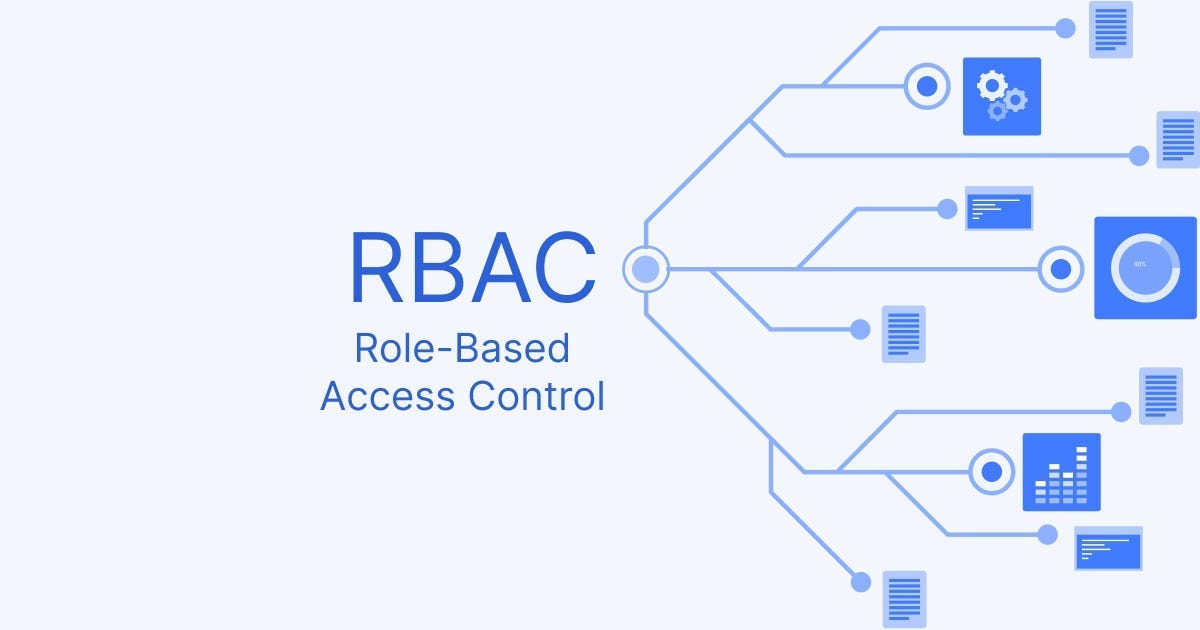
- Strong authentication and role-based access control for multi-tenant apps
Beyond SPAs, frameworks like Next.js and Nuxt blur the line between frontend and backend. They benefit from a BaaS that:
- Exposes flexible HTTP APIs you can call from server-side and client-side code
- Works well with incremental static regeneration or SSR
- Offers edge-friendly features like JWT-based auth instead of sticky sessions
For teams deploying on Vercel, the integration story is especially important. Vercel’s serverless functions and edge runtime work best with BaaS platforms that provide:
- Low-latency API endpoints that can be called from edge locations
- Stateless authentication (JWT tokens) that don’t require sticky sessions
- APIs that play nicely with Vercel’s caching and revalidation strategies
- Support for environment variables and secrets management that aligns with Vercel’s deployment model
Real-time apps-chats, multiplayer tools, live dashboards-need a backend with low-latency real-time apps support (WebSockets, live queries, or similar) and efficient syncing to avoid constant polling.
Read Also: Scaling Your Business With BaaS: When to Upgrade or Migrate
Features That Make a BaaS Easy to Use with Frontend Tools
Not every BaaS is equal from a frontend perspective. Here are the features that actually move the needle.
Essential Features for Smooth Integration
1. First-class SDKs
- Native SDKs for JavaScript/TypeScript (browser and Node.js)
- Good support for React, Vue, Angular, React Native, and potentially Flutter
- Idiomatic patterns (promises/async, TypeScript definitions)
2. Flexible data model and queries
- A document or relational database with a query language that can be used safely from the client
- Pagination, filtering, and full-text search where needed
- Strong schema controls and role-based access
3. Real-time subscriptions
- WebSocket or similar channels for live updates
- Fine-grained subscriptions to avoid flooding the client
- Integrations that make it easy to reflect server events into client state (e.g., updating React Query or Vue Query caches)
4. Authentication and authorization
- Email/password plus single sign-on options (Google, Apple, etc.)
- Session management designed for SPAs and mobile apps
- Support for mobile backend authentication flows such as device-based tokens, refresh tokens, and secure storage patterns
5. API styles: REST and GraphQL
- REST for simplicity and great tooling support.
- GraphQL for highly interactive UIs that need to batch and shape data.
6. Operational basics handled for you
- Automatic scaling of API nodes and databases
- Global or regional infrastructure, depending on your data residency needs
- Monitoring, logging, and error tracking hooks
FAQ
Can I migrate away from a BaaS platform if I outgrow it?
Yes, especially if you choose a platform built on open-source foundations. Platforms like SashiDo (Parse Server + MongoDB) and Supabase (Postgres) give you full data portability-you can export your database, self-host the same stack, or migrate to a different provider. SashiDo’s Parse Server foundation means you’re never locked into proprietary formats, and you get direct MongoDB access for exports and migrations. Avoid platforms with proprietary data formats or APIs that lock you in.
How does BaaS pricing compare to building my own backend?
For small to medium apps (under 100K users), BaaS is typically cheaper when you factor in developer time, infrastructure management, and operational overhead. SashiDo’s transparent tiered pricing eliminates surprise bills and makes forecasting straightforward-you know exactly what you’re paying for API calls, storage, and real-time connections. Beyond that scale, costs vary-some teams save money staying on BaaS, others migrate to custom infrastructure. Always model your specific usage patterns.
Is BaaS secure enough for production apps with sensitive data?
Yes, reputable BaaS platforms provide enterprise-grade security: encryption in transit and at rest, SOC 2 compliance, role-based access control, and audit logs. SashiDo’s EU-native infrastructure ensures GDPR compliance by default, with all data stored exclusively in European data centers. The key is choosing a platform with transparent security practices and ensuring you configure permissions correctly-most breaches come from misconfigured access rules, not platform vulnerabilities. SashiDo’s database browser with class-level permissions makes it easy to audit and tune your security rules.
Can I use BaaS for mobile apps and web apps simultaneously?
Absolutely. Most modern BaaS platforms provide SDKs for iOS, Android, React Native, Flutter, and web frameworks. You write your backend logic once (auth, data models, cloud functions) and consume it from any client. This is one of BaaS’s biggest advantages for cross-platform products. SashiDo’s Parse SDK works seamlessly across all these platforms, with built-in support for push notifications (FCM v1 for Android, APNs for iOS) and real-time LiveQueries that sync state across web and mobile clients automatically. If you’re deploying web apps on Vercel, the same backend APIs work perfectly with Next.js server components, API routes, and client-side code.
Source: directus.com








Comments