
 By

Top cloud computing trends for 2025 include the widespread adoption of AI and Machine Learning, the expansion of multi-cloud and hybrid solutions, the continuous emergence of Edge Computing for real-time processing, and a significant emphasis on sustainability and increased security measures such as Zero Trust.
Other important trends include the expanding use of Serverless computing and Low-Code/No-Code platforms for development, advances in Quantum Computing as a Service (QaaS), and the creation of industry-specific cloud solutions.
Cloud computing is a framework for providing computing resources (such as servers, storage, databases, and software applications) via the internet as an alternative to local hardware and infrastructure. This implies that users can access these resources from anywhere, at any time, using any device with an internet connection.
There are many emerging trends in Cloud computing as mentioned below:
1. AI-Powered Cloud Operations
AI-driven automation is transforming cloud computing. AI technologies enable firms to automate repetitive operations, hence increasing productivity and employee satisfaction. Consider a society in which monotonous activities are handled automatically by intelligent computers, freeing up human resources for more strategic duties. This is no longer a pipe dream, but rather a current reality thanks to the integration of AI into cloud operations.
AI does more than only automate tasks; it also plays an important role in decision-making. AI-powered solutions can analyze massive information, giving insights that inform strategic decisions across multiple industries. For example, predictive analytics driven by AI can assist firms in anticipating market trends, allowing them to develop proactive business plans. In today’s competitive environment, the ability to make informed decisions quickly can mean the difference between a business thriving and simply surviving.
Furthermore, AI improves customer service by utilizing intelligent chatbots that run around the clock, resulting in faster response times and increased customer satisfaction. This integration of AI with cloud services keeps firms nimble, responsive, and ahead of the curve. Cloud platforms provide the infrastructure required to properly use these AI capabilities, preparing enterprises for future technological developments.
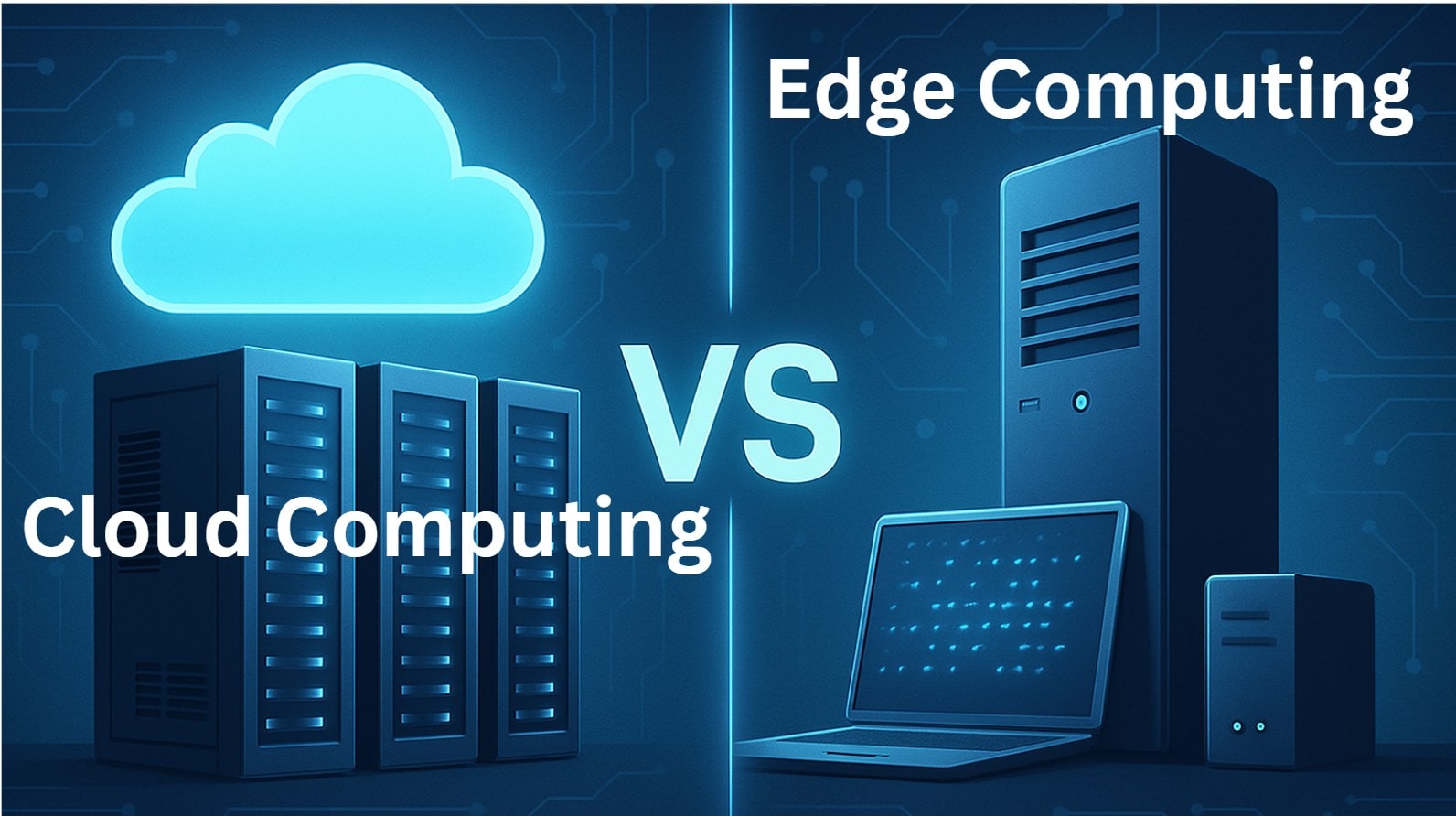
2. Edge Computing Revolution
As the number of IoT devices grows, with forecasts indicating 18.8 billion linked devices by the end of 2024, the relevance of edge computing cannot be emphasized. Edge computing processes data closer to the source, lowering latency and increasing efficiency. This functionality is critical for applications that demand real-time data processing, such as self-driving automobiles and smart cities.
Edge computing is transforming industries such as finance, healthcare, and retail. Reducing bandwidth costs and overall delay increases operational efficiency and customer satisfaction. Imagine a healthcare system in which patient data is analyzed in real time, allowing for speedier diagnosis and more individualized treatments. The edge computing revolution enables such breakthroughs.
Furthermore, the introduction of 5G technology is expected to improve edge computing by delivering ultra-low latency and increased bandwidth for real-time applications. With the number of edge-enabled IoT devices anticipated to reach 77 billion by 2030, the reliance on edge computing will only rise, fueling innovation and revolutionizing numerous sectors.
3. Hybrid and Multi-Cloud Strategies
In the changing world of cloud computing, adaptability is essential. This is where hybrid and multi-cloud approaches come into play. By implementing these measures, businesses can increase their flexibility, avoid vendor lock-in, and improve data management. Imagine being able to select the best services from multiple cloud providers while maintaining control over your applications and data. This hybrid strategy enables businesses to have the best of both worlds, making it critical to choose the correct cloud provider.
Effective administration of hybrid and multi-cloud settings improves data availability and scalability, which benefits overall business operations and resilience. Cloud-based disaster recovery solutions minimize disruptions and lower the overhead expenses associated with maintaining physical installations. This is especially important in an era when data is the lifeblood of business processes.
However, handling hybrid and multi-cloud solutions necessitates an investment in cloud expertise as well as comprehensive security measures to ensure compliance with data protection standards. This business strategy enables firms to fully leverage the potential of these unique issues, streamlining operations and staying ahead of the changing cloud landscape, including the use of a private cloud.
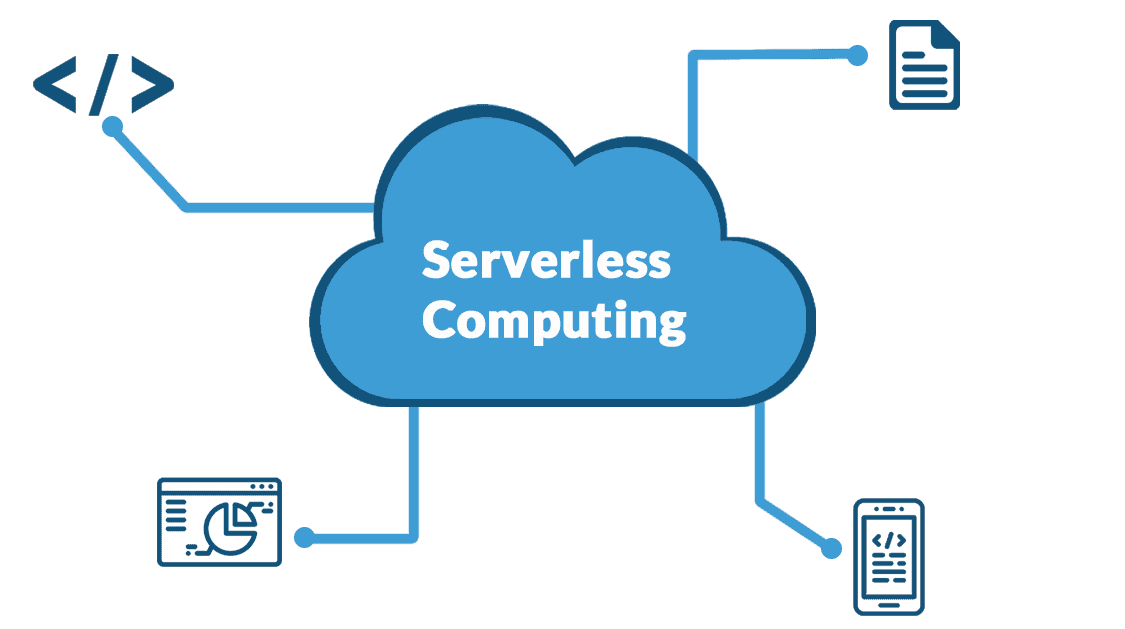
4. Serverless Computing Expansion
Serverless computing is transforming application development by allowing code to run without the need to manage servers. In this paradigm, the cloud service provider handles code execution and infrastructure management, drastically lowering operational costs and allowing for speedier service rollout. This pay-per-use approach saves money by billing based on real usage, making it a viable alternative for enterprises of all sizes. Serverless design extends these benefits by abstracting infrastructure issues.
The advantages of serverless computing go beyond cost savings. It improves development speed and agility by eliminating the requirement for server setup, allowing developers to focus on adding value to their applications. Serverless applications scale dynamically based on demand, adjusting to changes in user traffic without requiring manual modifications. This scalability ensures that apps can efficiently handle varying loads while offering a consistent user experience.
New serverless computing trends include an increase in Functions as a Service (FaaS) and Event as a Service (EaaS) services. These services allow developers to easily design and deploy apps while responding to events in real time. Serverless computing enables firms to develop more quickly, lower expenses, and improve overall agility.
5. Quantum Computing Integration
Quantum computing is no longer just science fiction. Organizations can now access quantum capabilities via cloud platforms, removing the requirement for on-site quantum gear. This integration is expected to result in cloud-native applications that use quantum algorithms, bringing the capabilities of quantum computing into mainstream industry. Quantum computing promises to solve complicated problems in seconds, when ordinary computers would take millennia.
Read Also: Top 7 Reasons to Migrate Your Business to a Secure Data Center
The transition from experimental to integrated technology in cloud platforms will allow for real-world applications across multiple industries and technologies. Businesses can benefit significantly without the requirement for dedicated quantum technology, creating new opportunities for innovation and problem solving in cloud infrastructure.
As quantum computing continues to evolve, its integration with cloud services will undoubtedly be one of the top cloud computing trends to watch, reflecting current cloud trends.
6. Enhanced Data Security Measures
With the advent of cyberattacks and an increasing number of edge devices, improving data security measures in cloud computing is more important than ever. AI-powered threat detection systems analyze network trends in real time to immediately identify potential security concerns, ensuring a strong defense against cyberattacks. However, the use of generative AI by attackers for sophisticated threats emphasizes the importance of modern security controls.
Organizations are increasingly using Cloud-Native Application Protection Platforms (CNAPPs) to improve cloud security management. These platforms combine numerous security solutions to improve the overall security of cloud applications. Furthermore, integrating Zero Trust principles, which emphasize constant user identity verification, is becoming increasingly important for cloud asset security.
Cloud service providers commonly provide data security features such as encryption, intrusion detection, and activity tracking. Enforcing strict security rules and investing in advanced security solutions can help firms protect data and comply with privacy regulations.
7. Open-Source Cloud Innovations
Open-source software is driving the rapid growth of cloud innovations. The open-source community encourages collaboration, resulting in rapid software development. This collaborative approach hastens the development of new technologies and drives innovation in cloud computing.
One of the primary advantages of open-source cloud developments is the ability to harness a diverse set of tools and technologies while being independent of a single vendor. This flexibility enables enterprises to avoid vendor lock-in and encourages a more adaptive cloud environment. Open-source initiatives play an important role in developing smart city technology and lowering carbon footprints by optimizing resource utilization and cost.
As more firms adopt open-source software, many organizations in the cloud landscape will adapt, creating new potential for creativity and efficiency. The growing adoption of open-source solutions is expected to be one of the leading cloud computing trends in 2025, propelling the industry forward.
8. AI-Driven Business Automation
AI-powered business automation is expected to become a major trend in cloud computing by 2025. The integration of AI with cloud platforms enables intelligent automation on a large scale, revolutionizing commercial operations. For example, the Hawaii Department of Transportation’s AI effort demonstrates how cloud services may help with the integration of heterogeneous datasets for enhanced decision-making.
Serverless AI backend services make it easier to integrate artificial intelligence into apps without relying on complex infrastructure. This approach enables firms to efficiently construct and scale machine learning models, hence increasing operational efficiency. Consider an organization that can automate difficult decision-making processes, freeing up human resources to work on strategic goals.
Using AI and ML in threat detection enables real-time detection of cyber threats via pattern recognition. This feature not only improves security, but also illustrates the transformational power of AI-powered automation in a variety of business operations. As more enterprises use AI and ML, these technologies will play an important role in influencing the future of cloud computing.
9. Cloud-Native Security Solutions
As businesses rapidly utilize microservices and containers, prioritizing cloud-native security solutions becomes critical for protecting their infrastructures. The adoption of microservices as the preferred architecture for developing cloud-native apps needs specialized security measures. For example, including security features into platforms like Kubernetes and employing DevSecOps principles guarantees that security is incorporated throughout the development process.
The use of zero trust architecture and the secure access service edge (SASE) framework enhances security access to cloud resources. These approaches highlight the necessity of ongoing verification and protected access, resulting in a strong defense against potential security concerns and breaches.
Cloud-native application protection platforms are increasingly being used to combine numerous security measures, improving the overall security of cloud applications. Traditional security methods usually struggle to address the unique issues posed by dispersed cloud applications. This emphasizes the need for specialist cloud-native solutions. Adopting these technologies guarantees that cloud environments are secure, robust, and able to withstand changing threats.
10. Disaster Recovery and Backup Solutions
Disaster recovery and data backup solutions are crucial in guaranteeing company continuity in the cloud computing environment. Cloud services provide for faster disaster recovery through cloud-based backup and recovery services. Organizations, for example, can save crucial data by automatically uploading documents to remote servers, ensuring that data storage is secure and easy to access in an emergency.
Disaster recovery strategies handle typical disruptions such data loss, power outages, natural catastrophes, cyberattacks, and device failures. A solid disaster recovery strategy reduces downtime and ensures that operations continue even in the face of unexpected circumstances. In 2024, 33% of organizations had disruptions due to human error, emphasizing the significance of proper training and management.
Operating system concerns caused interruptions in 32% of situations, highlighting the complexities of managing many platforms and underlying infrastructure. Additionally, 31% of firms reported public cloud service outages, underscoring the importance of robust architectures and disaster recovery procedures. Investing in complete disaster recovery solutions allows firms to secure their data, maintain business continuity, and assure long-term success.
Bottomline
In addition to more transparency for services, anticipate Cloud providers to provide discounts for substantial commitments. The cloud providers want your business and are willing to pay for it. If you are investing in the Cloud, you should ask the service provider to be transparent about their investment in you as a customer.
Reliability is another important factor. There was a point when Google Cloud Platform had substantial service disruptions. The disruption damaged numerous businesses and was a setback for GCP. The reality, however, is that cloud hosting reliability has never been higher. Having said that, expect all vendors to double down on dependability.
In many ways, the cloud is still in its early stages, and many other companies, including Alibaba, IBM, and TCS, want you to use their cloud services. More competition means greater options for customers. There is a lot of money going into the cloud, and you should ask all of your vendors about their cloud strategy and how they might give you with a financial incentive to adopt their cloud services.
To position your company to capitalize on future cloud computing trends, you must ensure that your staff has the skills necessary to develop and implement a successful cloud strategy.







Comments