
 By
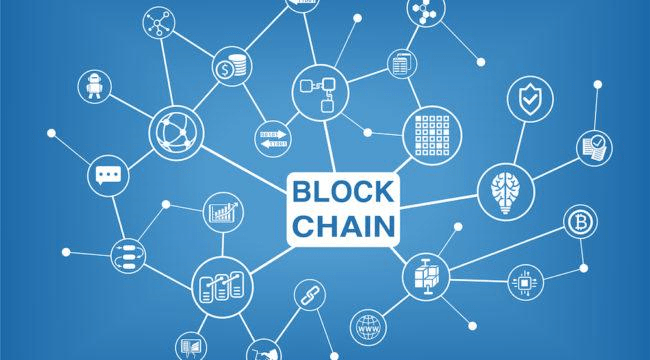
Blockchain in the cloud improves security, transparency, and efficiency in a variety of applications, including supply chain management, digital identification, and smart contracts; yet, it confronts obstacles such as scalability, energy consumption, regulatory uncertainty, and high installation costs. Integrating the two technologies brings together the scalability and accessibility of the cloud with the immutability and decentralization of blockchain.
Use cases
- Supply chain management: Provides end-to-end visibility and traceability for goods as they move through the supply chain.
- Identity verification and access management: Securely manages and verifies user identities for cloud-based applications.
- Smart contracts: Automates and secures processes in cloud services through self-enforcing agreements with predefined rules.
- Data sharing and collaboration: Creates a secure and transparent environment for sharing data among multiple entities.
- Cloud storage and data integrity: Verifies the authenticity and integrity of data stored in the cloud.
- Decentralized cloud services: Enables peer-to-peer cloud computing services, disrupting traditional cloud providers.
- Healthcare: Manages patient data securely and transparently, improving data sharing and record-keeping.
- Financial services: Facilitates secure and transparent transactions, including cross-border remittances.
- Real estate: Streamlines transactions by reducing paperwork, eliminating intermediaries, and enforcing due diligence through smart contracts.
A blockchain is simply a chain of blocks containing information. As a distributed ledger, changing information in one blockchain requires changing information in all prior blocks. Information is decentralized and stored on multiple computers around the world, providing more security and transparency. The most well-known implementation of blockchain technology is Bitcoin, a cryptocurrency.
Cloud computing refers to software or applications that are stored on remote servers and made available for remote use. The benefit of cloud computing is that the corporation does not have to own its resources. It offers numerous benefits, including cost savings, scalability, and improved cloud computing security.
What is Blockchain in Cloud Computing?
Cloud computing and the Internet of Things (IoT) are changing the face of information technology and communications. This has radically altered living standards as a result of applications in a variety of fields.
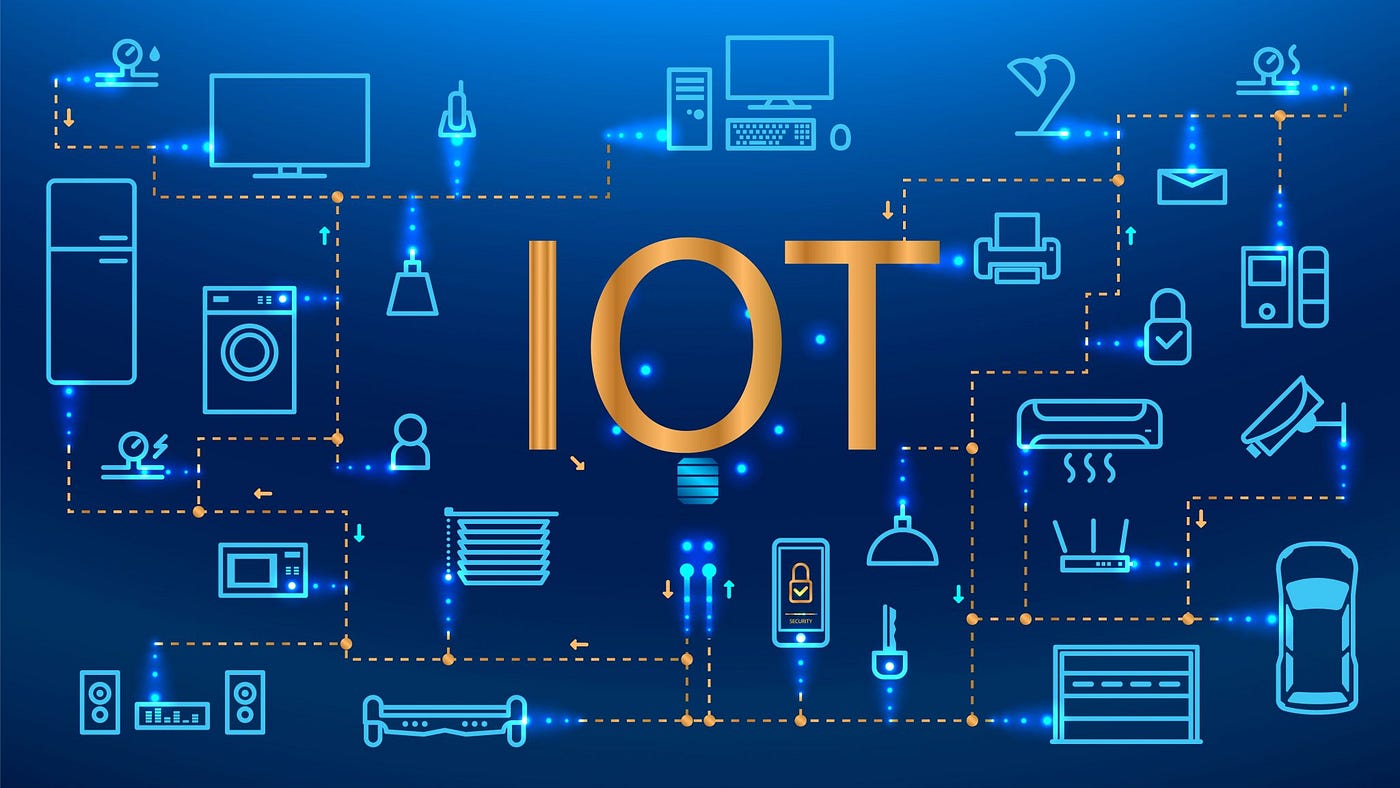
IoT is a network of networked objects with sensors that can store, transmit, and receive data via the internet. Because IoT devices have limited resources in terms of storage space, processing power, and transmission capacity, they delegate such activities to cloud computing, giving rise to the concept of the “Cloud of Things” (CoT).
The CoT provides a strong and versatile cloud computing platform for managing IoT services, with the potential to significantly increase system efficiency and performance. Blockchain in cloud computing has various advantages, making it an excellent alternative.
Benefits of Blockchain in Cloud Computing
Now that we know the fundamentals of blockchain in cloud computing. Let’s take a look at some of the benefits that this emerging tech has to offer:
1. Decentralization
A major issue in IoT and cloud computing is the dependency on a centralized server for managing data and making decisions. The failure of the central server to manage data and make decisions will disturb the whole system and may even cause the loss of important data. The central server is also prone to attack by hackers, and Blockchain can provide a solution to this problem. In Blockchain technology, multiple copies of the same data are stored on multiple computer nodes; as a result, even if one server fails, the entire system will not be shut down.
2. Data Security
Storing data on the cloud is a huge risk for IoT devices as it generally contains personal information of the house owner, like video footage and voice recordings. Any data leak can threaten personal security, like robbery, harassment, or illegally selling personal details. The use of Blockchain in cloud computing can provide enhanced security to the whole architecture.
3. Transparency
Transparency or visibility is considered a major threat to all processes executed via cloud computing. A distributed ledger provides a high level of transparency with a distributed network. Once stored in Blockchain, data cannot be altered by just one person but requires a consensus of all the members in the network.
4. Efficient Tracking of Goods & Services
A major challenge with logistics is efficiently tracking all the vehicles, including their current location, internal communication, and the time they spend at various locations. The current architecture of this tracking system is centralized in nature. The decentralized Cloud Computing Blockchain approach provides a solution to this problem.
5. Scalability
For large-scale blockchain applications, the number of transactions taking place at any moment of time can be huge. This requires powerful data processing services to have high transaction execution. Cloud Computing can provide on-demand resources for this surge in transactions. Thus, combining Blockchain and Cloud computing gives a highly scalable integrated platform.
Use Cases of Blockchain in Cloud Computing
This emerging tech has multiple use cases. Here we will take a look at some of the best use cases of blockchain in cloud computing:
Banking
International transfer of funds is still a tedious process that takes a lot of time as security and transparency issues exist. The use of Blockchain technology along with Cloud Computing can remove these bottlenecks as it is more transparent, secure, and faster as compared to existing methods of cross-country fund transfers.
Healthcare
Large healthcare providers store a lot of data related to patients, test records, and payment methods. This is stored mostly on centralized servers prone to hacking and pilferage. As Blockchain provides a high level of data security, doctors, hospitals, and other healthcare establishments can rely on the technology.
Home Automation
Blockchain-based Cloud Computing is ideal for home automation, including the Internet of Things(IoT). For example, a fire sensor is connected to the internet and triggers messages to the house’s occupants after detecting fire via temperature and smoke sensors. All the data of such IoT devices is stored on Blockchain-based Cloud servers.
Supply Chain Management
Supply Chain management generates a lot of data and requires a dependable platform to streamline manufacturing and logistics. Using Blockchain technology companies can go for a decentralized architecture for supply chain management. Which can subsequently results in enhanced data security, efficient tracking, and faster decision-making.
Real Estate
Real Estate trading is still struggling with lots of paperwork, intermediaries, corruption, and fraudulent activities. Blockchain-based Cloud Computing can provide a solution to all these issues. The technology can enforce purchase/selling due diligence and eliminate intermediaries and paperwork. Smart Contract is a Blockchain-based technology that can be leveraged for real estate transactions.
Read Also: Serverless Computing Explained with Real-World Examples
Challenges with Blockchain in Cloud Computing
Now that you know about the key benefits and use case, it’s now important for you to understand that this technology stack has its own challenges:
1. Technical Complexity
The mechanism of action of integrating Blockchain technology with Cloud Computing requires complex mathematical processes to transfer the data, process it, and secure the network. This requires powerful computers, which consume a lot of electricity and skilled human resources. As a result, all these create a bottleneck for large-scale adoption due to the high costs involved.
2. Lack of Skilled Workforce
This is still an emerging and nascent technology, so insufficiently trained personnel cannot execute these processes. As a result, demand for such a skilled workforce is high, and supply is low. You need to pay very high salaries to employ this type of person to work for your organization. As all companies don’t have such spending capacity, the use of Blockchain in cloud computing is restricted to large organizations.
3. Security Vulnerability
Although Blockchain technology, when integrated with Cloud Computing, provides a high-security solution, it is still vulnerable to tampering. Hackers can change the consensus architecture and prevent new transactions from receiving confirmation. Thus, the system can be exposed to risk without proper transaction management.
Companies that offer Blockchain-based cloud solutions
We have seen that using Blockchain in Cloud Computing has its own benefits and challenges. However, some companies offer Blockchain-based cloud solutions. Let’s have a look at how they function.
Ankr
Ankr project is a decentralized cloud solution that provides a platform to run apps at a low cost compared to traditional cloud service providers. The virtual machines that form the basis for cloud computing consume many computing resources and take minutes to launch. Data centers are provided the infrastructure to create new ways of generating revenue from their under-utilized capacity. This is done by ensuring a high level of service availability, integration, and secure communication. Ankr’s team has developed a new consensus mechanism called Proof of Useful Work(PoUW), which provides high security with minimal energy waste.
Dfinity
Dfinity is a decentralized cloud solution that aims to provide a supercomputer with infinite capacity and computational power to the world. The company has introduced a new concept called “The AI is Law,” Everything is controlled by an intermediary-free algorithmic governance system, which includes crowd wisdom and traditional AI technologies to block fraudulent smart contracts. This effectively means that the algorithm governance system can reverse some transactions. It has four mechanism layers: Notary Layer, the Blockchain Layer, the Random Beacon Layer, and the Identity Layer.
Solana
The Solana project aims to create a new blockchain architecture based on a new concept called Proof of History (PoH). This concept creates a verifiable delay function to provide the network with a precarious sense of shared time. Additionally, this transaction processing in Solana is handled by GPUs, an approach that scales with Moore’s law. According to Moore’s law, the number of transistors in an electric circuit doubles every two years. This increases the processing power. This mechanism, combined with the Proof of Stake(PoS) consensus algorithm, can make the infrastructure highly scalable. This infrastructure can be used for decentralized cloud computing.
Blockchain Meets Cloud
Businesses from supply chains to healthcare are realizing that by combining these technologies, they can address real-world difficulties or improve complicated but critical procedures. Understanding these trends and possibilities can help businesses make sound decisions and gain a competitive advantage.
Supply Chain Transparency and Tracking
Managing supply chains is one of the most frequently discussed applications of blockchain in cloud computing. As a ledger on the cloud tracks every transaction or movement of goods, companies can track shipments while they are in process. In doing so, this reduces fraud, prevents counterfeiting, and positively assures regulatory compliance.
Instruction: Any enterprise contemplating a specific use of blockchain within its supply chain should first consider mapping out its own supply chain, determining all significant points that require tracking, and confirming that its cloud provider can enable secure additions to the blockchain. With this process in place, goods can be tracked from production to delivery with an immutable record.
Pros:
- Real-time shipment visibility
- Reduced paperwork and reconciliation errors
- Enhanced trust among suppliers and customers
Healthcare and Patient Records
Medicine and health care practitioners are more frequently turning to blockchain cloud solutions as a securely encrypted data storage service for patient data. Most systems may simply not secure patient data adequately. Each record has an encrypted element, is time-stamped, and cannot be altered with blockchain, and patient data can be hosted on a cloud and shared securely across hospitals and clinics.
Instruction: The hospital or clinic should review data protection laws, such as GDPR, or local laws in terms of storing patient data. Confirm that the cloud-hosted blockchain patient records are housed with role-based access and audit reporting to minimize the possibility that a staff member could misuse sensitive information.
Pros:
- Improved data integrity and security
- Easy access for authorized medical personnel
- Reduced risk of lost or altered records
Digital Identity and Authentication
Organizations are also leveraging blockchain technology alongside cloud technology in managing digital identities. Organizations store credentials for employees, customers, and partners on a blockchain to eliminate the need for multiple passwords and centralized identity verification. This improves security and simplifies access management.
Instruction: When applying blockchain identity solutions, organizations should identify user roles, ensure sufficient encryption, and build backup recovery capabilities for key credentials stored in the cloud.
Pros:
- Reduced identity fraud
- Simplified access across multiple platforms
- Scalable for large enterprises
Smart Contracts and Automated Operations
Smart contracts hosted on cloud-based blockchains allow companies to automate agreements and business processes. Payments, approvals, and service level agreements are automatically executed once the conditions are met. Using these features creates greater efficiencies by reducing human error and increasing workflow speed.
Instruction: Enterprises should start with pilot projects using rudimentary contracts, review how the smart contracts operate in the cloud, and then gradually expand to more complex workflows. Ensure you are legally compliant and can audit the contracts at a later stage.
Pros:
- Faster transaction execution
- Lower administrative costs
- Clear audit trails
Final Thoughts
The convergence of blockchain technology and cloud computing is growing beyond cryptocurrency applications to include commercial use-cases. Applications such as supply chain management, healthcare, digital identity, and smart contracts provide measurable benefits. Thoughtful project planning, compliance checks, and small-project testing prior to corporate adoption can make these solutions highly effective, delivering operational value through efficiency, security, and trust.
Instruction: Begin with a modest project, integrate confidently with your cloud provider, and monitor results before scaling. This ensures that your blockchain cloud solutions produce meaningful results with minimum risk.





Comments