
 By
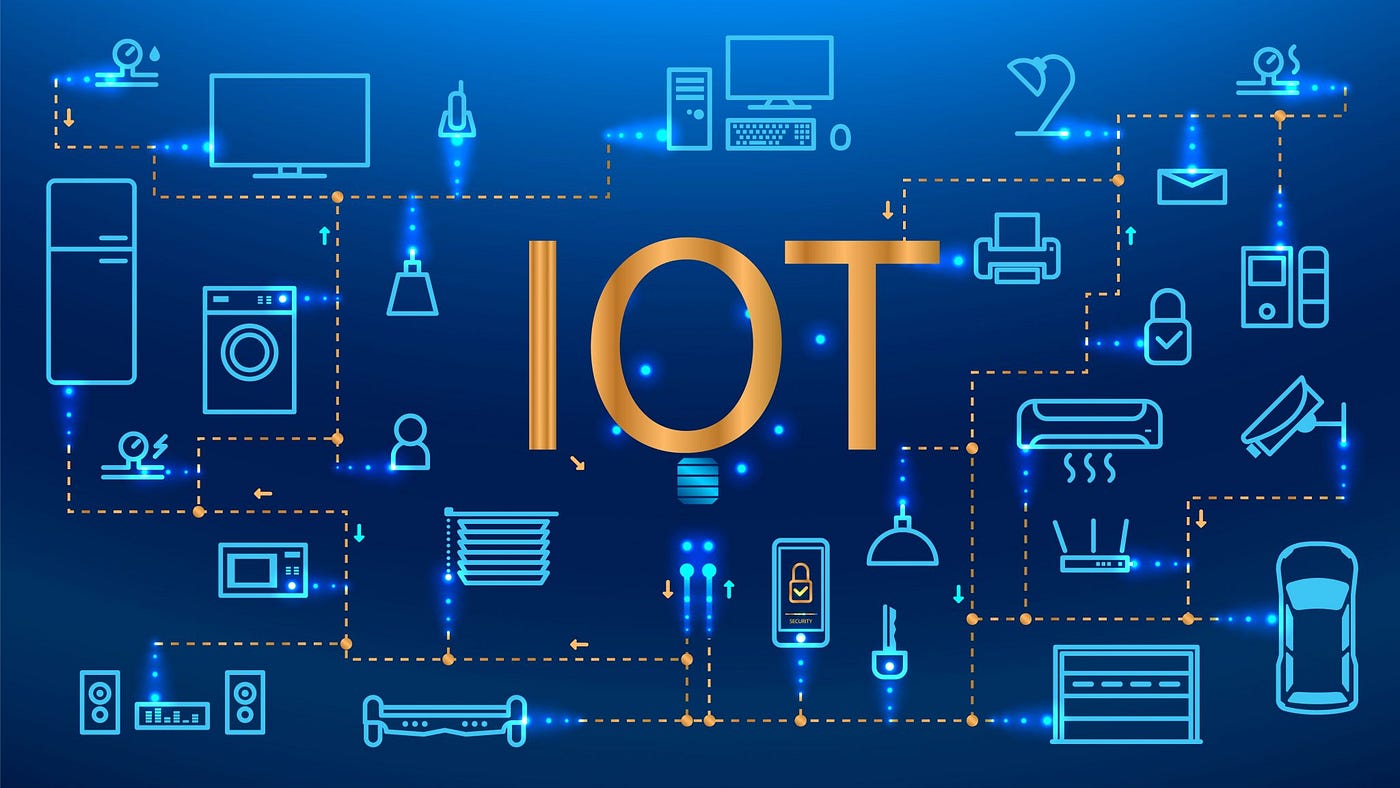
IoT and cloud integration enable the management, processing, and analysis of huge amounts of data from connected devices at scale by leveraging cloud infrastructure for storage, compute capacity, and scalability. This integration provides real-time monitoring, remote management, and advanced analytics for applications ranging from smart homes to industrial automation, with advantages such as cost savings, increased efficiency, and greater security.
IoT cloud computing is transforming how we interact with technology, making systems smarter and more resourceful in everyday life and industrial applications. It analyzes the benefits, problems, and future trends of IoT cloud computing, demonstrating the importance of this union.
If someone wants to know how the IoT service works in the cloud, how cloud computing helps IoT devices, or how this strong combination will fare in the future, they can read this article. Discover how the two technologies are collaborating to transform connectivity and innovation.
IoT devices generate vast amounts of data. To manage, store, and analyze this data effectively, cloud computing provides a scalable, cost-efficient platform. Through this integration, businesses can:
- Monitor assets in real-time
- Predict equipment failure
- Enhance customer experiences
- Optimize operations
- Support remote access and control
But this architecture also expands the attack surface, making it essential to rethink traditional security frameworks.
What is IoT?
The Internet of Things (IoT) refers to the network of physical objects, devices, vehicles, appliances, and other items embedded with sensors, software, and connectivity that enables them to collect and exchange data over the internet. These objects, often called “smart devices,” can communicate with each other and with centralized systems to automate processes, improve efficiency, and provide new services.
Key Components of IoT:
- Devices/Things: Physical items embedded with sensors, actuators, and communication hardware to collect, send, or receive data within IoT systems.
- Connectivity: Communication networks like Wi-Fi, Bluetooth, or cellular that connect IoT devices and enable seamless data exchange across systems and platforms.
- Data Processing: Algorithms and software that filter, analyze, and interpret data from IoT devices to generate useful insights and automated actions.
- User Interface: Applications or dashboards enabling users to monitor, control, and interact with IoT devices and data in real-time, easily.
What is Cloud Computing?
Cloud computing is a technology that allows users to access and use computing resources (such as servers, storage, databases, networking, software, and more) over the internet, often referred to as “the cloud.” Instead of owning and maintaining physical hardware or infrastructure, users can leverage cloud services provided by third-party providers on a pay-as-you-go or subscription basis.
Key Characteristics of Cloud Computing:
- On-Demand Self-Service: Users can provision resources (e.g., storage, computing power) as needed without human intervention from the service provider.
- Broad Network Access: Services are accessible over the internet from a variety of devices (e.g., laptops, smartphones, tablets).
- Resource Pooling: Providers use multi-tenant models to serve multiple customers, with resources dynamically allocated based on demand.
- Rapid Elasticity: Resources can be scaled up or down quickly to meet changing demands.
- Measured Service: Usage is monitored, controlled, and billed based on actual consumption (e.g., pay-per-use model).
Why Is Cloud Computing Essential For IoT?
Cloud computing has transformed the way we store and access data, both for personal and professional purposes. Data may now be accessed from anywhere thanks to the scalability and flexibility of IoT cloud services. This makes it an excellent tool for distributing data over the internet or direct links, depending on what a business requires.
The IoT cloud is also an important enabler for the Internet of Things (IoT). It helps businesses satisfy their data-driven needs and provides a technological framework for us to design better IoT devices. When we talk about IoT and cloud computing, two key aspects emerge: speed and scale, which complement IoT’s networking and mobility.
By combining cloud computing with IoT, users can enjoy even more benefits.
Here are some reasons why the IoT cloud computing relationship is essential for IoT’s success:
Cloud Functions as a Distant Computing Power
Relying on on-premises infrastructure is no longer the optimal solution. As more people use cloud computing and IoT devices, we generate massive volumes of data. This data must be handled swiftly utilizing big data techniques. The cloud has a significant advantage here since it provides vast storage capacity.
With the transition from 4G to 5G, cloud computing provides developers with faster access to data, increasing efficiency.
IoT Data is More Secure and Private with Cloud Computing
IoT generates a lot of data, and when you work with data, security and privacy become major concerns. Since IoT relies on mobility, the cloud uses advanced encryption and authentication to keep data safe. This makes the cloud a secure solution for IoT data.
No Need for On-Premises Hosting
For IoT devices, plug-and-play hosting services are essential, but they can be expensive and require hardware systems. Thanks to the combination of cloud computing and IoT, you no longer need to depend on heavy machinery.
The cloud provides ready-to-use infrastructure without the need for offline hardware setups, making it easier and cheaper for IoT hosting.
Improved Device-to-Device Communication
Cloud technology enhances how smart devices communicate with each other. It enables fast, reliable, and secure data sharing between IoT devices through standardized APIs. This seamless connection allows devices to work together more efficiently, automate processes, and respond in real-time.
It makes systems more intelligent and responsive across various applications and industries.
Lower Cost of Ownership
Cloud technology saves businesses money by eliminating the need to build expensive on-premises infrastructure. Since there’s no need for local systems, hardware, or software, IT teams can focus on their core tasks instead of managing infrastructure.
Business Continuity Program
Cloud computing ensures business continuity even during unexpected disasters. Data is stored on multiple servers, so there’s no risk of losing it. This is especially important for IoT-based systems, where data is critical.
IoT Innovations with Low Entry Barriers
For IoT innovations, hassle-free hosting is essential. Cloud computing in IoT provides a perfect solution by allowing IoT players to use distant data centers without needing on-premises hardware or software. The pay-as-you-go model of cloud computing also makes it a cost-effective option, saving businesses a lot of money upfront.
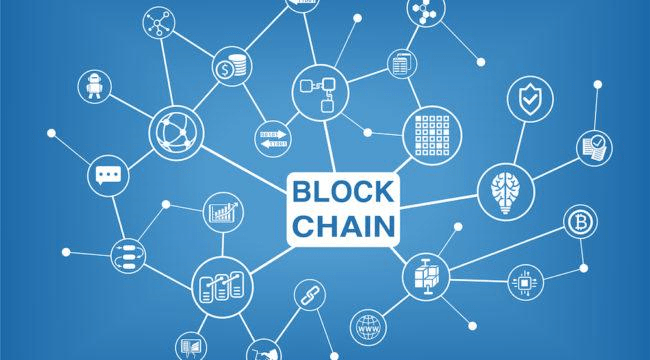
Read Also: Blockchain on the Cloud: Use Cases and Challenges
This makes it easier for companies to launch large-scale IoT projects and removes many barriers to entry.
Seamless Device Communication
By using cloud computing effectively, IoT devices can communicate with each other seamlessly. Connected devices and smart systems can interact using reliable APIs, enabling smooth networked technologies. In this way, cloud computing powers the future of connected devices and smart systems.
The Relationship Between IoT and Cloud Computing
The relationship between IoT (Internet of Things) and cloud computing is a powerful partnership that drives innovation and efficiency in technology. Here’s how they work together:
Data Storage and Processing
IoT devices collect large amounts of data. Cloud computing helps store and process this data quickly. It reduces the need for physical storage. Cloud servers handle heavy workloads and make data accessible anytime. This improves how businesses use IoT data for decisions, automation, and real-time system responses.
Scalability
Cloud computing allows IoT systems to grow easily. You can connect more devices without changing hardware. Cloud platforms provide resources when needed, like extra storage or computing power. This makes it simple for businesses to expand. Whether small or large, any company can scale its IoT network smoothly with cloud support.
Remote Access and Mobility
Cloud-based IoT systems let users access data and devices from anywhere. You only need internet access and a device like a phone or laptop. This allows remote monitoring, control, and updates. It helps businesses and users stay connected to their smart systems without being on-site all the time.
Enhanced Security
Cloud providers offer built-in security tools that protect IoT data. These include data encryption, firewalls, and access controls. Regular updates also help fix vulnerabilities. While IoT devices can be targets for cyberattacks, storing data in the cloud adds another layer of defense, improving overall system safety and reliability.
Cost Efficiency
Using cloud computing saves money in IoT setups. Companies don’t need to buy expensive servers or storage devices. Cloud services offer pay-as-you-go plans. You only pay for what you use. This lowers setup and maintenance costs, making advanced IoT systems more affordable, especially for small and medium businesses.
Faster Innovation
Cloud platforms provide tools and environments for testing new IoT ideas. Developers can quickly build, update, or scale applications. They can use built-in analytics, storage, and connectivity features. This speeds up the launch of smart solutions. It also supports continuous improvement through feedback and updates without interrupting existing services.
Improved Device Communication
Cloud computing supports easy communication between IoT devices. It acts like a central hub where devices send and receive data. Using APIs, devices can exchange information in real time. This helps systems stay connected and work together smoothly, allowing automation and smart decision-making without human help.
Business Continuity
Cloud storage protects IoT data during disasters or system failures. Automatic backups and failover systems keep services running. Even if one part of the system fails, cloud services continue working. This reduces downtime and protects important information, helping businesses stay productive and avoid losses during unexpected events.
Key Challenges in Securing IoT-Cloud Integration
While there are many challenges associated with securing IoT-cloud integration, here are the biggest ones out there:
Lack of Standardization
IoT ecosystems are highly fragmented. Different manufacturers use different protocols, software stacks, and firmware, often with inconsistent or non-existent security features. This lack of standardization complicates the implementation of universal security policies.
Weak Device Security
Many IoT devices are resource-constrained, meaning they lack the processing power to run advanced security mechanisms like encryption, intrusion detection systems, or firmware updates. Default credentials and outdated firmware make them easy targets for cybercriminals.
Data Privacy and Integrity
Data transmitted from IoT devices to the cloud can be intercepted or tampered with if not properly encrypted. Ensuring the confidentiality, integrity, and availability (CIA) of this data is a significant concern, especially for sectors like healthcare or finance.
Scalability Risks
As businesses scale their IoT deployments, managing security across thousands or millions of devices becomes exponentially harder. Without centralized control and policy enforcement, vulnerabilities may slip through the cracks.
Third-Party and API Vulnerabilities
Most IoT platforms rely on third-party APIs and cloud services. A vulnerability in any external service can compromise the entire IoT-cloud system. Unsecured APIs are a favorite entry point for attackers.
Lack of Real-Time Monitoring
Many organizations lack tools for real-time visibility and threat detection across the IoT-cloud landscape. This delay in detecting breaches can result in major losses before any action is taken.
Securing IoT-Cloud Integration: Best Practices
While the security challenges are real, they’re not insurmountable. Here are the top best practices to secure the fusion of IoT and cloud computing:
Use Strong Identity and Access Management (IAM)
Every device, application, and user in the IoT-cloud network should have a unique identity. Implement role-based access controls (RBAC) and multi-factor authentication (MFA) to ensure only authorized entities can interact with the system.
Encrypt Data at Every Stage
Use end-to-end encryption for data in transit and at rest. TLS (Transport Layer Security) should be used during transmission, and cloud platforms should support AES-256 or equivalent encryption for stored data.
Secure APIs and Gateways
API gateways should have rate limiting, authentication, and traffic monitoring mechanisms. Use OAuth 2.0 or JWT tokens to ensure secure API access. Gateways between IoT devices and cloud should act as secure intermediaries, filtering malicious traffic.
Update and Patch Regularly
Ensure IoT devices have the ability to receive over-the-air (OTA) updates. Automated patch management can mitigate known vulnerabilities quickly. Cloud services should also follow regular security patch cycles.
Implement Network Segmentation
Segment IoT networks from enterprise and cloud networks using firewalls and VLANs. This limits lateral movement in case of a breach, containing threats within isolated zones.
Monitor with AI and Machine Learning
Leverage cloud-based security information and event management (SIEM) tools for AI-powered threat detection systems. These can analyze traffic patterns and detect anomalies in real-time, allowing rapid response to attacks.
Adopt Zero Trust Architecture
In a zero trust model, no device or user is trusted by default—even those inside the network perimeter. Continuous verification, least privilege access, and micro-segmentation can drastically reduce attack vectors.
Data Governance and Compliance
Ensure your IoT-cloud framework complies with data protection regulations like GDPR, HIPAA, or CCPA, depending on your industry. Clearly define where data is stored, who owns it, and how long it’s retained.
IoT and Cloud Computing in Real-World Applications
IoT (Internet of Things) and cloud computing are transforming industries and everyday life by working together to create smarter, more efficient systems. Here are some real-world applications where their partnership shines:
Smart Homes
Smart homes use IoT devices like lights, thermostats, and security cameras connected to the cloud. This setup lets users control their homes using mobile apps from anywhere. Cloud computing helps store data and run commands quickly, making smart homes more responsive, secure, and energy-efficient.
Example: You can use your smartphone to adjust your home’s temperature or check security cameras from anywhere, thanks to the cloud.
Healthcare
Hospitals and clinics use IoT sensors to track patient health in real time. These sensors send data to the cloud, where doctors can monitor and analyze it. This setup helps with early diagnosis, remote treatment, and better care for patients without needing them to visit the hospital often, showcasing the future of IoT in healthcare.
Example: A heart monitor sends real-time data to the cloud, where doctors can detect abnormalities and provide timely care.
Smart Cities
Smart city projects use IoT sensors in traffic lights, parking meters, and public services. These devices send data to the cloud for analysis. This helps city planners manage traffic, reduce energy use, and improve safety. Citizens benefit from smoother transportation and faster emergency responses.
Example: Traffic lights adjust in real-time based on cloud-processed data to reduce congestion.
Agriculture
Farmers use IoT devices like soil sensors, drones, and weather monitors. These tools, part of IoT for crop monitoring, collect data and send it to the cloud for analysis. This helps farmers manage crops better, reduce water use, and improve harvests by making decisions based on real-time weather and soil conditions.
Example: A farmer uses IoT sensors to monitor soil conditions, and the cloud provides insights on the best time to water crops.
Retail
Retailers use IoT sensors in stores to track foot traffic, shelf stock, and customer behavior. This data is sent to the cloud for analysis. It helps businesses understand trends, manage inventory, and personalize marketing. Cloud support allows real-time updates and better decisions that improve both sales and customer experience.
Example: A store uses IoT to monitor stock levels, and the cloud automatically reorders products when supplies run low.
Transportation and Logistics
In logistics, IoT devices monitor vehicle location, cargo temperature, and delivery times. The cloud stores and processes this data to improve route planning and tracking.
Companies use these insights to cut delays, save fuel, and ensure goods arrive safely. It also boosts transparency for both businesses and customers.
Example: A logistics company uses IoT and cloud computing to track delivery trucks and ensure timely deliveries.
Future Trends in IoT and Cloud Computing
The future of IoT (Internet of Things) and cloud computing is incredibly exciting, with both technologies evolving rapidly and driving innovation across industries. Here are some key trends to watch out for:
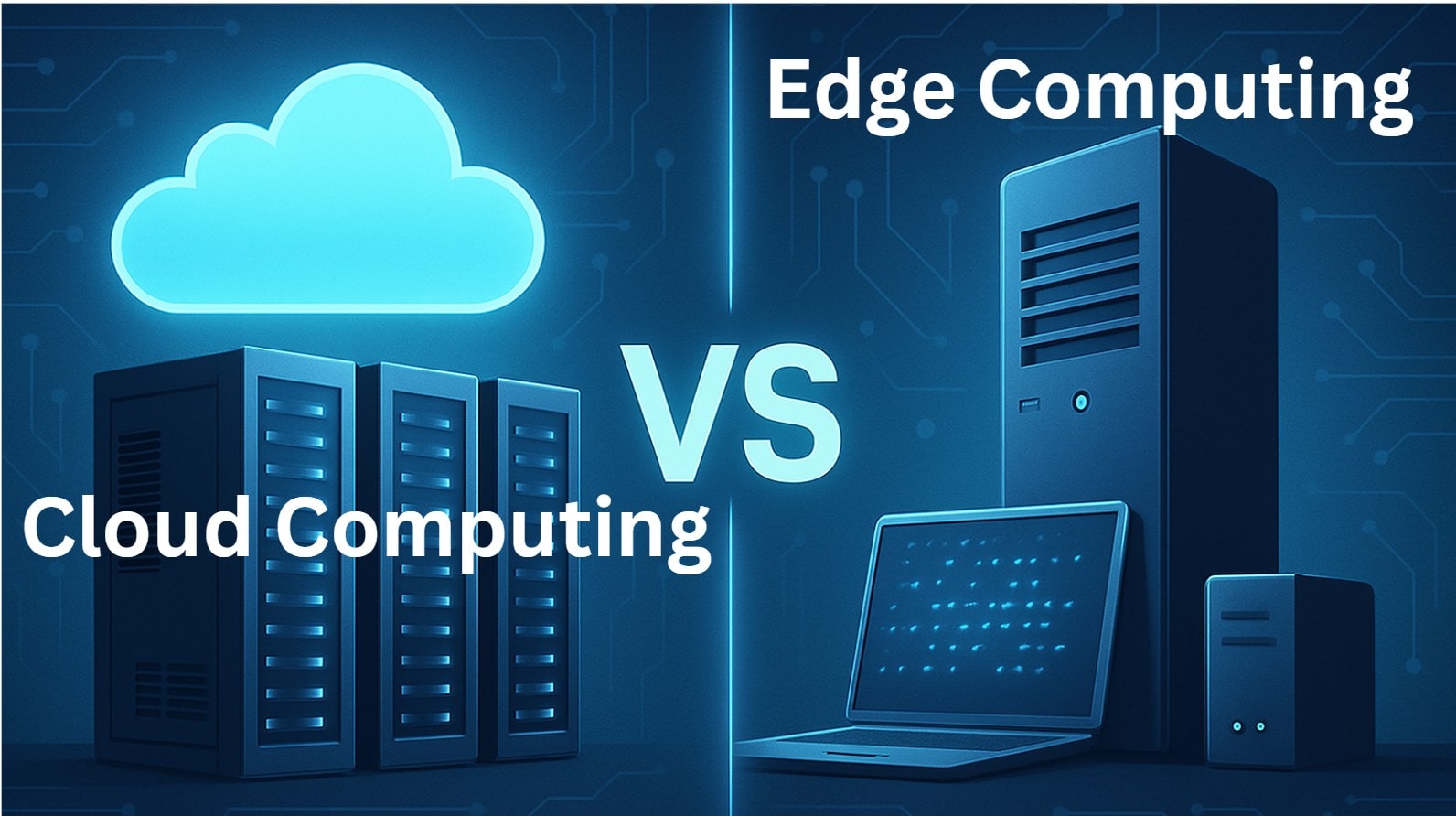
What is Edge Computing?
Edge computing is a new technology that processes data closer to where it is created instead of sending everything to a faraway server.
This is very useful for IoT devices because it helps reduce delays (latency), saves internet bandwidth, and allows for faster decisions. For example, in a smart city, edge computing can analyze traffic data in real time to help prevent congestion.
Better Security with Edge Computing
With edge computing, sensitive data is processed closer to the source, keeping it away from central servers that hackers might target.
It also helps reduce cloud storage use by only sending important data to distant servers, making storage more efficient and secure.
Joining AI and Machine Learning
Artificial Intelligence (AI) and Machine Learning (ML) will play a big role in the future of IoT and cloud computing. AI can analyze data, predict trends, and make smart decisions to improve IoT systems.
ML can find patterns in large amounts of data from sensors and IoT devices. For example, AI-powered smartwatches can help doctors detect early signs of diseases by monitoring patient health.
Increased Adoption Of Hybrid Cloud Solutions
More businesses are using hybrid cloud solutions, which combine public and private clouds to balance speed, security, and storage needs.
Tech giants like Amazon Web Services (AWS), Microsoft Azure, and Google Cloud provide hybrid cloud solutions, making it easier to set up and manage data across different platforms.
Enhanced Security Measures
IoT and cloud computing handle large amounts of sensitive data, so strong security is essential. Several key measures help protect this information.
- Encryption– It is used to turn data into a secret code. This ensures that even if the data is stolen, it cannot be read without the proper key.
- Disaster recovery plans– Disaster recovery plans are important for getting systems back online after a cyberattack or failure. These plans help businesses recover lost data and keep operations running.
- Multi-factor authentication (MFA)– MFA adds more protection beyond just using a password. It may include codes sent to a phone or fingerprint scans.
- Monitoring for unauthorized access– It helps detect and stop hacking attempts early. This keeps data safe from unknown users trying to break in.
- Network segmentation– The network segmentation divides a system into smaller parts. If one part is attacked, the rest stays protected.
- Physical security controls– The physical security controls help protect data centers from real-world threats like break-ins or damage. These include security guards, locked rooms, and cameras.
Securing the IoT
Businesses must take strong security steps to protect IoT devices from cyber threats. Best practices include:
- End-to-end encryption to keep data safe during transfer.
- Secure APIs to prevent hackers from accessing connected devices.
- Trusted platforms for app development.
- Regular security testing to find and fix weak spots before hackers can exploit them.
Bottomline
The combination of IoT and cloud computing is more than just a technological achievement; it is a step toward a smarter, more connected future. From providing seamless IoT cloud services to improving the capabilities of IoT devices, this integration provides several benefits while posing unique problems. As we look ahead, the opportunities for innovation in IoT cloud computing are endless, providing even better efficiency, scalability, and ease.
Whether you’re looking at how cloud computing benefits IoT devices or analyzing the broader implications of this collaboration, one thing is certain: the synergy between IoT and cloud computing is here to stay. Understanding its current influence and future patterns will allow us to better prepare for a world in which technology works smarter rather than harder.



Comments