
 By

The top challenges for bank cloud migrations are tight data security and regulatory compliance, the complexity of legacy systems and data integration, controlling migration costs, a major cloud skills gap, and the risk of vendor lock-in. Consulting services address these issues by offering strategic planning, expert guidance on security architecture, specialized expertise in legacy systems and cloud platforms, cost optimization strategies, and assistance with talent development and cloud adoption strategies to ensure a successful and secure migration.
If not properly planned, cloud migration might lead to data breaches. The article’s goal is to prevent such possibilities, improve business agility in systems, and protect banks, digital information, and user data. Keeping that as the central topic, it is now time to explore the issues while also presenting their remedies.
1. Complex Regulations and Data Sovereignty
Concerns about regulatory compliance arise when dealing with outdated systems. Despite the fact that they have long been replaced by more modern regulations, they are frequently discovered to be in violation of the region-specific compliance requirements for data residency, end-to-end encryption, and customer privacy. Such instances place banks in penalty areas and have the potential to degrade the brand’s reputation among users, resulting in a decrease in revenue production.
Solution: By choosing cloud transformation services, firms gain access to specialists with significant knowledge of the BFSI industry. During the consultation phase, they analyze regulatory gaps, create cloud architectures for data localization regulations, and implement automated compliance monitoring and encryption models. This way, the compliance challenges are resolved and data integrity is welcomed into cloud migration planning.
2. Legacy Core Banking Systems
As previously said, banks and fintech companies rely significantly on legacy frameworks and monolithic structures, which are interdependent and entangled with daily operations. Migrating without business planning and knowing the legacy system increases the risk of data corruption and department-based disruption. This type of scenario frequently causes workflow slowdown and efficiency difficulties.
Solution: After enabling cloud consulting services, skilled consultants do a thorough system assessment to prepare the migration procedure. That being said, they urge enterprises that have a good migration path for rehosting, refactoring, or rebuilding to implement a hybrid environment that prevents system downtime.
3. Data Security and Customer Privacy
As previously said, data security is critical when working in the banking industry. That being said, it has been observed that if data is not kept and accessed with security in mind throughout the migration process, cyberattackers may discover a little hole and get access to the full data to exploit. Data breaches and client privacy must constantly be contained and managed in order to avoid reputational harm and legal difficulties.
Solution: When banks use cloud transformation services, consultants focus creating a secure architecture to protect data. With end-to-end encryption, multi-factor authentication (MFA), and role-based access control, they focus on introducing a zero-trust architecture that defends the data storage and accessibility against external and internal threats.
4. Vendor Lock-In Risks
Banking and finance organizations frequently choose a single vendor for their business solution, limiting future scalability and innovation possibilities. This happens because providers may have limited features and expertise available to provide organizations with the functions they require. It is also up to thief-party sellers to decide whether or not to upgrade. In such cases, banking organizations become limiting to alternative new solutions and may lose users’ interest as technology advances.
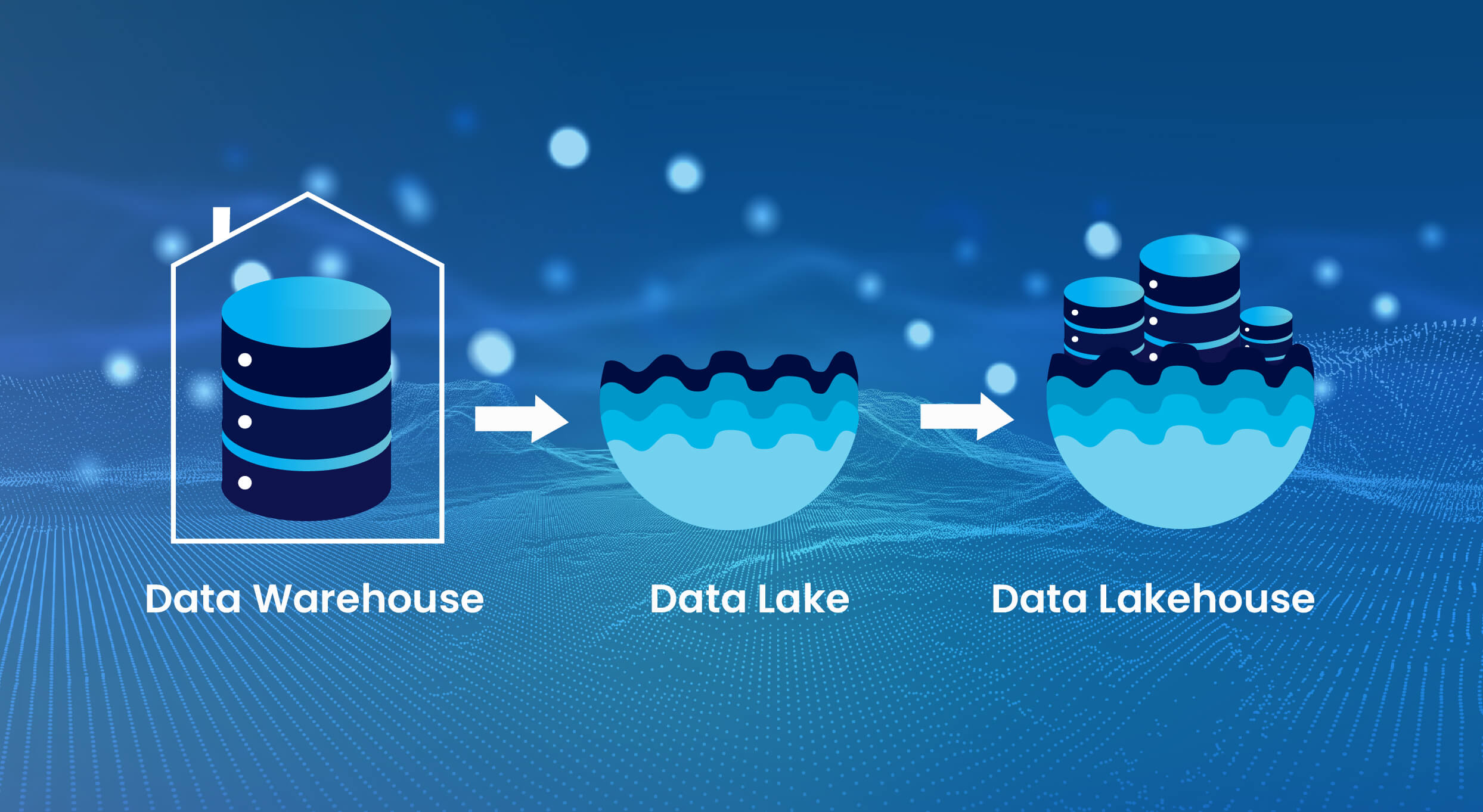
Read Also: What is a Cloud Data Lake?
Solution: Cloud consulting services providers help banks update vendor roadmaps and migrate to multi/hybrid cloud infrastructures. This way, banks can get assistance from consultants to include open-source tools and API integrations that do not limit them to a single vendor and limit their innovation potential.
5. Interoperability with FinTech and Legacy Systems
Sometimes banking and fintech enterprises prefer a hybrid of new and legacy systems rather than a total change. The concept is not out of date, but rather an innovation initiative for a steady transition with outcome assessment. In this circumstance, people frequently express skepticism about the necessary changes and modifications based on priority.
Solutions: Cloud consultants bridge the gap between new and legacy solutions by utilizing integration middleware like as ESBs and iPaaS. They also include the concepts of DevOps and CI/CD pipelines to provide secure deployments with cloud transformation services that strike a balance between the two methods. Considering that banks prefer order and clarity, similar to every decision maker, their consultants tackle the entire cloud computing and transformation lifecycle management.
6. Downtime and Business Disruption
Online purchases and digital payments have become the norm in a society where being cashless is widespread. In this sense, people rely on continuous connectivity and hassle-free services. However, if the move is not properly managed and causes downtime and business disruption, banks and fintech companies may suffer significant losses within minutes. This implies that if the system fails, all services and networks may fail, causing users to experience difficulties with payments and translation, ultimately leading to frustration.
Banking firms can benefit from cloud consulting services to create an effective and downtime-proof migration plan, preventing significant losses and user frustration. In this, they focus on creating phased migration strategies with rollback plans, setting up blue-green deployments, and enabling disaster recovery and failover mechanisms across regions. This way, they eliminate the massive disruption and ensure business agility with ongoing migration.
7. Cloud Skills Gap
Using old systems for the longest time to train the workforce and internal IT professionals in context. However, when banks opt to modernize and transition to a cloud model, the workforce grasps onto it. This causes confusion and delays in tasks for a period.
Cloud consultants train teams to work efficiently with authorized engineers and architects, rather than relying solely on their own understanding of technology. This allows firms to efficiently update and address skills gaps with experts.
Conclusion
As we complete the cloud migration and consulting bifurcation in response to problems, we recognize the importance of a cloud consulting services provider. With their migration-focused beneficial insights, they ensure that banking firms preserve data integrity, secure transaction details, and modernize based on business agility. That being said, we hope that your consulting decisions will not only benefit you but also help your bank or fintech business overcome any obstacles it may face.







Comments