
 By
1. Secure user authentication
2. Intuitive UI/UX design
3. Real-time notifications and alerts
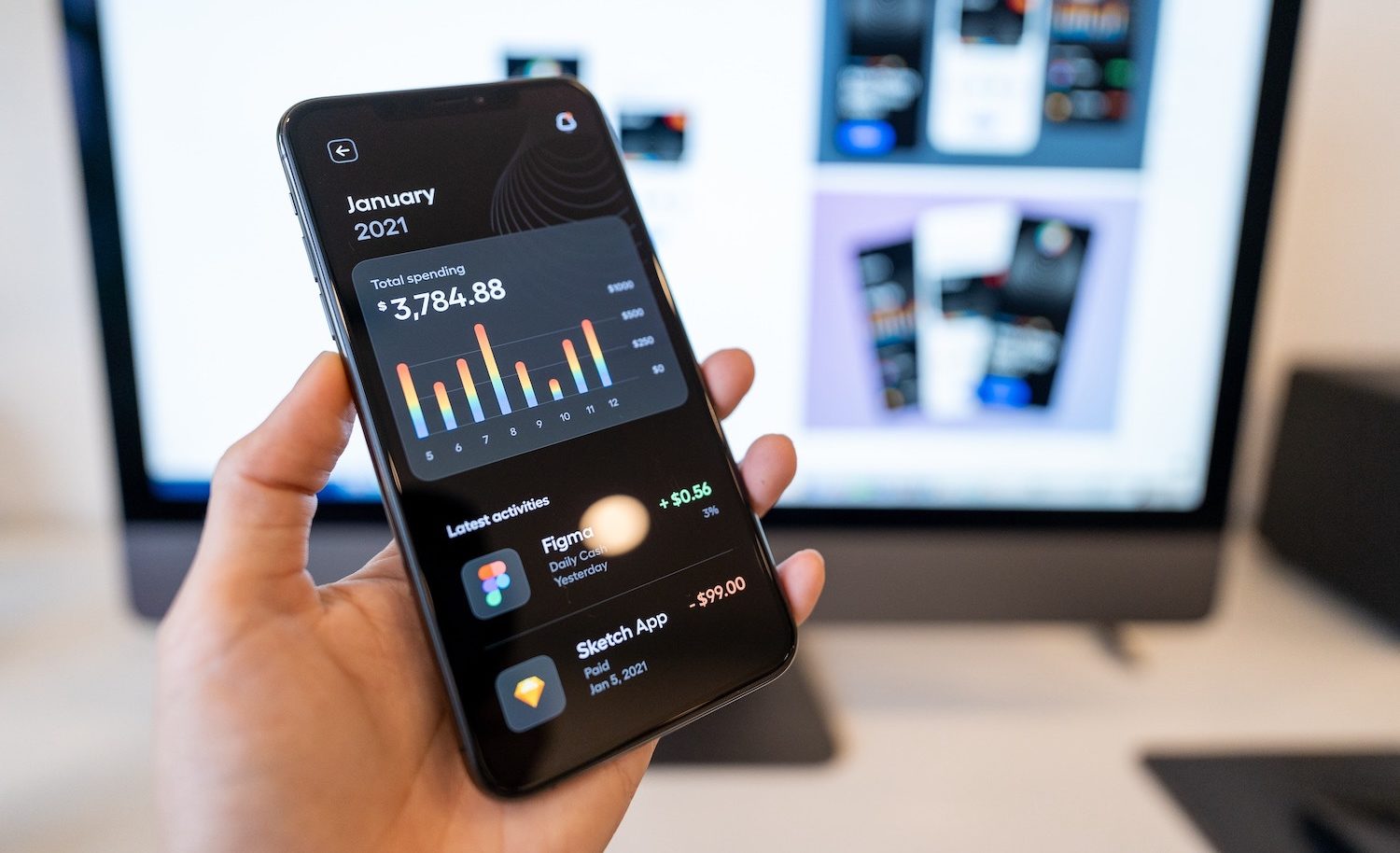
4. Comprehensive dashboard
5. Multi-currency and localization support
6. AI-powered insights and recommendations
7. Budgeting and expense tracking
8. Integration with bank accounts and financial institutions
9. Smooth payment gateway integration
10. Investment and portfolio management tools
11. Customer support chatbots and assistance
12. In-app document management
13. Personalized user experience
14. Transaction history and detailed reporting
15. Regulatory compliance and legal transparency
16. Gamification
17. Social media integration
There are already over 30,000 financial apps available globally. However, there is plenty of space for innovation. The explanation is simple: the fintech industry is revolutionizing financial services by making them more accessible, efficient, and user-friendly. As financial app development expands, competition heats up. Whether it’s a banking, investment, insurance, or budgeting software, distinguishing out takes more than simply functionality; it also requires an amazing user experience and security.
The following are the 17 critical qualities that every successful fintech app should focus on. It is packed with examples and actionable insights for app developers and marketers looking to create a successful fintech app.
1. Secure user authentication
It is anticipated that cybercrime will cost the global economy almost $10.5 trillion by 2025. It’s no surprise that security precautions are non-negotiable when developing financial applications. Your app must include strong security measures such as two-factor authentication (2FA), biometric authentication (fingerprint or face recognition), and encrypted data transport.
Strong security builds confidence and encourages ongoing user participation. Compliance with worldwide security regulations also ensures that users’ financial information is secure.
Many finance apps use multi-layered authentication to improve security. To prevent illegal access, apps such as Cash App and PayPal use a combination of PIN numbers, biometrics, and SMS verification.
2. Intuitive UI/UX design
Around 90% of people abandon an app due to bad UX/UI. A smooth, intuitive user interface is the foundation of user happiness. Fintech app design should prioritize easy navigation, little friction, and quick access to key functionality.
A flawless UI/UX design decreases abandonment and increases user loyalty. App developers should invest in usability testing and responsive design that adapts to different devices to improve user happiness.
A well-thought-out UI/UX increases user retention. Consider how budgeting tools like Mint and PocketGuard combine a basic design, clear text, and color-coded expenditure categories to improve the user experience.
3. Real-time notifications and alerts
Did you know that push notifications can increase app engagement by up to 88 percent? Push notifications and real-time alerts keep consumers updated on transactions, payments, investment developments, and financial goals.
This feature promotes user interaction and guarantees that important information is never missed. Smart notifications based on user behavior and preferences increase engagement and app sessions.
Investment apps, such as Robinhood, offer warnings about market swings, allowing users to make timely financial decisions. Maintaining high engagement requires striking the correct balance of notifications without overwhelming users.
4. Comprehensive dashboard
Finance apps have excellent user engagement rates, with fintech apps averaging 28% interaction. This suggests that customers are highly engaged with features such as comprehensive dashboards, which provide a consolidated picture of their financial data.
A well-designed dashboard provides customers with easy access to all of their financial information. Whether they’re tracking investments, budgets, or spending patterns, an informative and visually appealing dashboard improves the overall user experience. It also streamlines financial planning, which is vital for any successful fintech product.
Banking apps such as Revolut and N26, for example, provide users interactive dashboards that visualize spending trends, categorize expenses, and provide real-time financial health data.
5. Multi-currency and localization support
The worldwide character of digital payments is clear these days, with the market expected to reach $193.7 billion by 2028. This highlights the need of providing multi-currency and localized services to a varied customer base.
Because finance applications frequently serve consumers from several countries, supporting multiple currencies and local languages is critical. This functionality not only enhances accessibility, but it also prepares your fintech software for worldwide success. It broadens the app’s appeal to users with a wide range of financial goals and backgrounds.
Apps like Wise (previously TransferWise) provide multi-currency transfers, allowing users to send and receive money globally with low conversion rates.
6. AI-powered insights and recommendations
83% of firms say that incorporating AI into their business strategy is a major priority. Artificial intelligence and machine learning can power features that monitor spending habits, recommend savings plans, and advise on investment ideas.
These AI technologies transform a financial app into a trustworthy counselor, increasing retention and engagement. Using generative AI can also improve predictive analysis and assist consumers in meeting long-term financial goals.
Apps like Cleo utilize AI-powered chatbots to evaluate user spending habits and deliver financial advise in an entertaining, conversational format.

7. Budgeting and expense tracking
95% of millennials save far less than the suggested amount. App developers should consequently include budgeting and expense-tracking capabilities to help users do this task.
App users who wish to track their spending and achieve their financial objectives place a high value on budgeting app features. Fintech companies that incorporate simple budgeting features will see higher user satisfaction and more app sessions. Detailed visualizations and customizable budget categories improve the user experience and encourage daily participation.
Read Also: Complete Guide On How To Hire Android Mobile Company
For example, You Need a Budget (YNAB) takes a proactive approach to budgeting by assisting users in allocating monies before spending.
8. Integration with bank accounts and financial institutions
84% of consumers are pleased with platforms that provide smooth bank account interfaces, emphasizing the speed and convenience of use. This underlines the importance of such integrations in improving the user experience.
Allow users to seamlessly integrate accounts from several banks and financial organizations. This function provides a consolidated perspective of their financial situation, making the app indispensable for daily use. A secure and smooth integration fosters trust and encourages people to use your fintech application for all financial needs.
Open financial APIs have made this connection easier. Apps like Plaid enable fintech applications to securely connect with thousands of institutions worldwide.
9. Smooth payment gateway integration
A fintech app isn’t complete without a safe and efficient payment gateway integration. And, currently, about 85% of customers want companies to offer a variety of payment options when they arrive at the checkout. A dependable payment mechanism boosts app dependability for bill payments, peer-to-peer transfers, and online purchases.
To improve customer happiness, app developers must guarantee that the payment process is fast, safe, and compatible with common payment methods. Google Pay and Stripe provide powerful payment gateway solutions for fintech applications, including advanced encryption.
10. Investment and portfolio management tools
Fintech apps, especially those that provide investing and portfolio management capabilities, have high retention rates (73% after 30 days, 65% after 90 days, and 48% after a year). This shows that extensive investment tools help to sustain user involvement.
Portfolio management technologies are critical for fintech companies serving investment app customers. Users may make informed financial decisions thanks to features such as asset allocation tracking, risk assessment, and ROI analysis. Educational material and investment calculators can boost user engagement and establish the app as a trusted financial counselor.
Investment applications such as Wealthfront and Betterment offer AI-powered portfolio management services that assist customers in optimizing their investments.
11. Customer support chatbots and assistance
By the end of 2025, AI is expected to power almost 95% of customer interactions. Quick, reliable support within the app can make all the difference. AI-powered chatbots and live support channels allow users to resolve issues or queries in real time, improving user retention. Multilingual support and 24/7 availability add immense value for global users.
For example, banking apps like Chime use AI chatbots to answer common queries, reducing the load on human support teams.
12. In-app document management
Efficient document management is critical, as 80% of firms face issues with app integrations, which can stymie digital transformation initiatives. Streamlined in-app document management can help to ease these challenges and improve operational efficiency.
Features that allow users to upload and manage crucial documents like tax papers, insurance policies, and investment paperwork bring practical value while also streamlining the user experience. Users love having access to their important documents on the same platform, which fosters better trust and engagement.
Users may easily scan receipts and track business spending with apps such as Expensify.
13. Personalized user experience
73% of customers are expecting better personalization as technology keeps improving. Personalization plays a crucial role in fintech app development. Dynamic home screens, tailored financial advice, and content based on user behavior make the app feel customized and relevant. Smart recommendations based on previous activity keep the user engaged and improve retention.
For instance, budgeting apps like Honeydue personalize recommendations based on a couple’s spending habits.
14. Transaction history and detailed reporting
Users should have access to a detailed history of transactions with advanced filtering options. This transparency fosters trust and enhances financial planning. Visual charts, spending summaries, and monthly reports elevate the user experience and encourage proactive financial management.
Neobank apps like Monzo provide categorized spending reports that help users track their expenses effectively.
15. Regulatory compliance and legal transparency
Navigating compliance is a significant challenge for fintech companies, with 93% finding it difficult to meet requirements. Moreover, over 60% have incurred at least $250,000 in compliance fines in the past year, emphasizing the necessity for stringent regulatory adherence.
Fintech applications must adhere to regional and global regulations. Compliance with financial institution standards and transparent data policies protects both the company and its users. Regular audits and visible compliance badges improve brand reputation and user confidence.
For example, GDPR and PSD2 compliance are crucial for European fintech applications.
16. Gamification
Gamified learning experiences can boost retention rates by almost 90%. Gamification elements like rewards for financial milestones or challenges encourage user engagement and make financial management fun. Apps can integrate badges or loyalty programs that enhance user interaction and satisfaction.
17. Social media integration
Allow users to share milestones or financial achievements on social media. This will build community and serve as organic marketing for the app.
Incorporating these 17 crucial features into your fintech app is not an option; it is required for survival and success in the competitive fintech sector. Every feature provides value to users, from security protections and AI-powered insights to intuitive design and personalized experiences. The main point is that developing finance apps takes foresight, user empathy, and powerful technology. If you’re an app developer wanting to create the next successful fintech solution, make sure these key elements are part of your app marketing strategy and development roadmap.
Popular Types Of Fintech Apps
The fintech sector includes a wide range of apps, each having a unique function and meeting a variety of financial needs. Below is an overview of some of the most frequent types of fintech apps:
- Payment Processing Apps: Payment processing apps are designed to facilitate transactions between individuals, businesses, and service providers. These apps streamline the payment process, enabling users to send and receive money with ease. They often include features such as digital wallets, QR code scanning, and integration with bank accounts or credit cards.
- Personal Finance Management Apps: Personal finance management apps help users track and manage their spending, budgeting, and savings. These apps offer insights into financial behavior, categorize expenses, and provide tools for setting financial goals.
- Investment and Trading Apps: Investment and trading apps allow users to buy and sell financial assets such as stocks, bonds, and cryptocurrencies. They often include features like real-time market data, trading signals, and portfolio management tools.
- Robo-Advisors: Robo-advisors use algorithms to provide automated investment advice and portfolio management. These apps assess users’ financial goals and risk tolerance to recommend personalized investment strategies.
- Lending and Borrowing Apps: Lending and borrowing apps connect borrowers with lenders, often bypassing traditional financial institutions. These apps can include peer-to-peer lending platforms, payday loans, and micro-loans.
- Insurance Tech Apps: Insurance tech apps streamline the process of purchasing, managing, and claiming insurance policies. They often feature tools for comparing policies, filing claims, and tracking insurance coverage.
- Blockchain and Cryptocurrency Apps: Apps in this category focus on the management, trading, and utilization of digital currencies and blockchain technology. They include cryptocurrency wallets, exchanges, and blockchain-based applications.
- Regtech (Regulatory Technology) Apps: Regtech apps assist financial institutions in meeting regulatory requirements and ensuring compliance. They provide solutions for risk management, fraud detection, and regulatory reporting.
- Wealth Management Apps: Wealth management apps cater to high-net-worth individuals and investors seeking sophisticated financial planning and advisory services. These apps often include advanced analytics, investment tracking, and financial forecasting.
- Banking Apps: Banking apps offer a range of banking services, including account management, fund transfers, and bill payments. They often feature user-friendly interfaces and secure access to account information.









Comments