
 By

Selecting the right web designer requires evaluating a partner based on their customization capabilities, SEO expertise, and portfolio diversity. Avoid picking solely based on aesthetics or the lowest price; instead, look for designers who understand your specific local audience, offer clear roadmaps for support, and prioritize long-term scalability.
Key Factors to Evaluate
- Portfolio Relevance: Review past work to see if they’ve built sites with similar features (e-commerce, booking systems, B2B) and ask for hard data on past results, such as conversion rate improvements.
- Platform Ownership: Ensure your agency uses widely supported, open-source content management systems like WordPress, or scalable builders like Webflow and Shopify, and that you retain 100% ownership of your site and hosting.
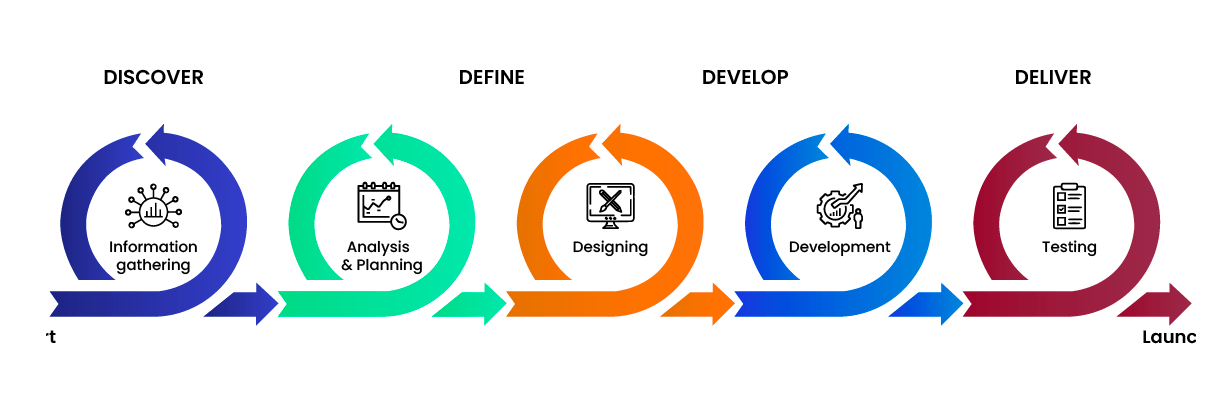
- Discovery Process: Steer clear of designers who build immediately without asking about your business model, customer journey, or revenue targets.
- Mobile & SEO Fundamentals: Your site must load quickly, adapt seamlessly to mobile screens, and feature clean code so search engines can easily crawl and index your location pages.
Finding a good web designer is critical if you want to have a high performing website, but what makes a good web designer.
Web Designer vs Web Developer
It is important to appreciate that these are 2 different skills.
Web Designer by definition is about the aesthetics of your website, how content is accessed, how they relate, and how visitors find the information they are looking for. Many in the industry refer to this as the “Front End” (what the visitor sees).
A Web Developer is about the technology, or the code, that drives your website and how things function. This is sometimes referred to as the “Back End” (or what the visitor does not see).
These skills rarely manifest themselves in a single person, although there is a small minority of individuals that can do both. The percentage of these people is so small, that you are unlikely to be lucky enough to hit the jackpot by just searching on the internet or contracting platforms.
What to Look for in a Web Designer
A good web design makes it easy for your visitors to find the information they are looking for, which means converting visitors to customers. In order to make your website a commercial success, your web designer needs to:
- Understand your business
A web designer needs to first understand your business, your product or services you offer, and your operational imperatives. Only by understanding your business and product, can a web designer create the right content map and travel path for your potential clients.
- Understand your customers
Only by understanding your business, can a web designer discover how potential customers find you on the internet. A good web designer does not start from aesthetic and then worry about the content and how potential clients can find you.
Failing to discover how people find you on an online search means failing to understand what the potential buyer is looking for on your website. This means failure to create the right content map, path to the product or service your customers look for, which will result in a website that fails to deliver the revenues you are hoping.
- Understand Navigation Path
In order to create a website that is easy to navigate, a web designer needs to understand your customer’s behaviour. This will enable them to design an easy path for your visitors to find the information they are looking for and take your desired action.
- Design Flair
Whilst it is important to have design flair, it is a wasted talent if it is not driven by the above. Design without purpose is poor design. Your website is not a brochure, so a website based on design flair alone is not going to be successful in generating traffic or revenue.
Read Also: Reasons Why E-Commerce Websites Require SEO
What to Look for in a Web Developer
A good developer should be able to translate the design into a good quality code, and convert your website’s objectives into actionable codes that generates outcomes from your website visitors. In order to convert a good design into an actionable code your developer needs to:
- Understand your processes
Your online transaction must be inline with your internal processes, so that orders or enquiries can be actioned speedily, effectively, and accurately by your internal processes. This means your online processes must gather the right information for your business so that your internal processes can cope with a client’s requests or online orders.
- Generate Quality Code
Quality code means the code is bug free, with a low chance of failure, and is simple. Complex codes are prone to bugs and failures so the old saying of KISS (Keep It Simple Stupid) is the golden rule.
- Be Flexible
A Developer must be flexible and not set in their ways. There is always more than one way of achieving the same end. Based on myriads of technologies available, you need to be wary of developers that appear to be married to a specific technology. Just because a developer feels more comfortable with one technology, it does not mean that is suitable or affordable for you.
- Willing to Document their Code
A Developer should be prepared to document their code, so that your website does not become hostage to them.
This is not necessary if they are using off-the-shelf solutions such as WordPress or Joomla, as long as they are not customising the functionality or the code. However, any functional customisation such as a bespoke plug-in, must be documented even for platforms such as WordPress or Joomla.
If they do not agree to this, then we recommend you walk away.





Comments