
 By
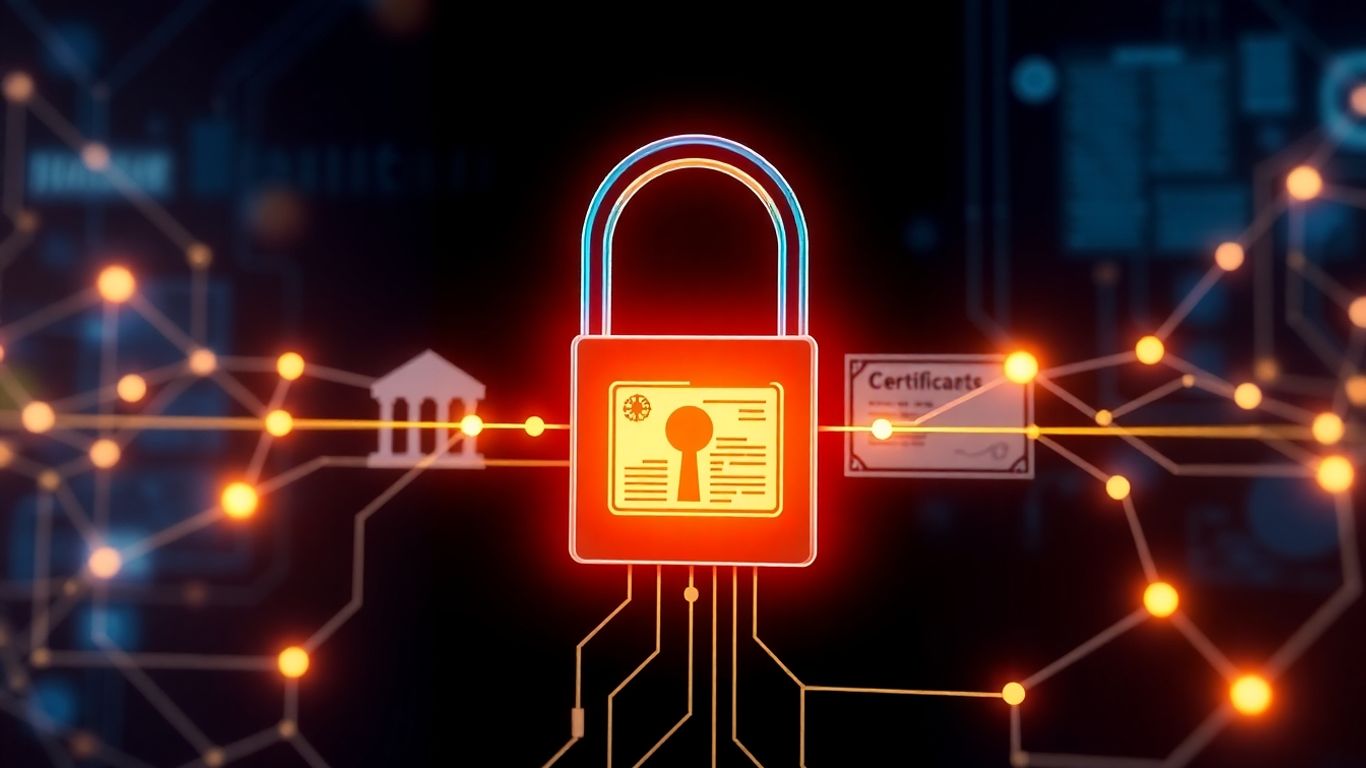
Real-World Asset (RWA) tokenization, like traditional asset securitization, converts illiquid assets into tradable fractional units. They differ significantly in terms of technology infrastructure, speed, cost, and reliance on middlemen. Tokenization is often regarded as a modernization of securitization that employs blockchain to improve efficiency and liquidity.
Differences
- Technology and Infrastructure: Traditional securitization relies on legacy financial systems, paperwork, and centralized databases. RWA tokenization utilizes blockchain technology (DLT) for a transparent, secure, and immutable record of ownership.
- Intermediaries: Tokenization reduces the need for banks, brokers, and central clearinghouses, which are central to the traditional securitization process.
- Settlement Speed: Tokenized assets offer near-instantaneous (T+0) settlement through smart contracts, whereas traditional securitization typically settles in T+2 or T+3 days.
- Trading Hours: Tokenized markets can operate 24/7, enabling continuous trading, while traditional markets operate during specific business hours.
- Fractionalization & Accessibility: Tokenization allows for granular, tiny-fractional ownership, enabling retail investors to access markets previously reserved for institutions (e.g., real estate or private equity).
- Transparency: Blockchain provides real-time, transparent, and auditable records of ownership and transaction history.
Tokenization of real-world assets (RWAs) and classical asset securitization both seek to increase asset accessibility and liquidity, but their approaches differ greatly in terms of technology, cost, transparency, and investor access. While securitization has long been a staple of the financial industry, blockchain-based tokenization provides a more modern approach that has the potential to alter asset management, ownership, and investment. The following are the fundamental distinctions between these two techniques.
What Is RWA Tokenization?
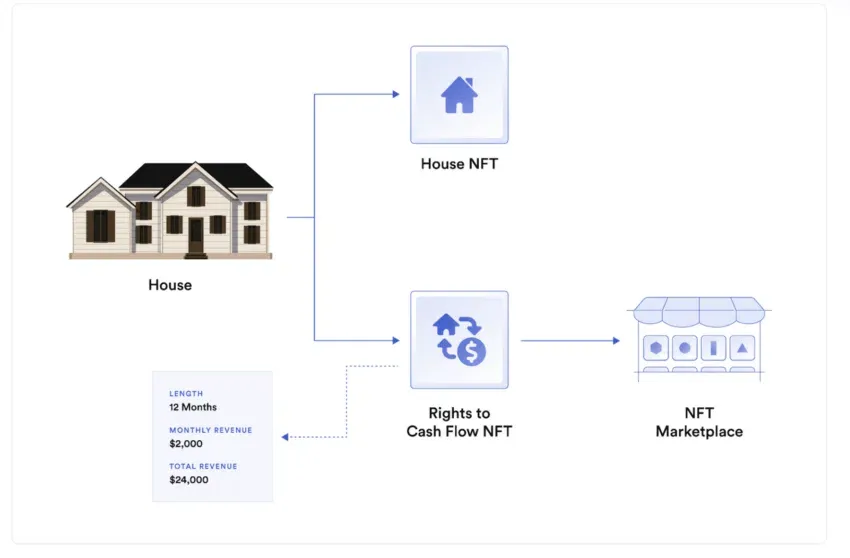
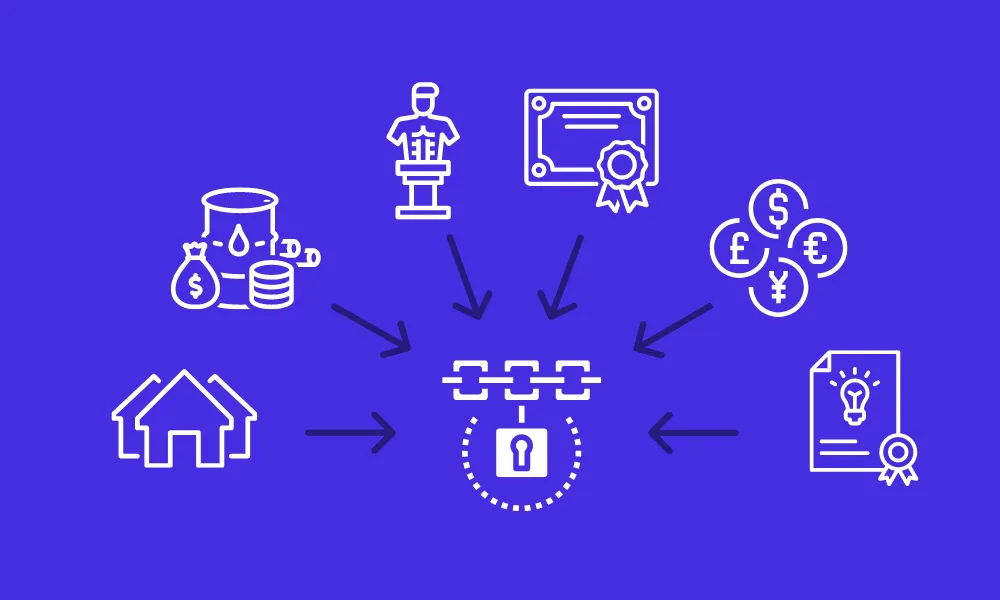
RWA (Real World Asset) Tokenization is the process of turning tangible assets such as commodities, real estate, artwork, as well as financial instruments (such as bonds, invoices, or invoices) into tokens that are stored on blockchain. They represent ownership rights or ownership over physical assets, and are able to be transferred or traded easily, increasing liquidity and dental care accessibility. Tokenization increases transparency, allows fractional ownership, and helps reduce expenses associated with the management of assets and transfer.
What Is Traditional Asset Management?
Traditional asset management is the traditional method of managing an investment fund of investments like bonds, stocks or mutual funds, as well as real estate with the help of financial advisors or institutions. It involves the planning of investments, risk assessments as well as strategic allocation of assets, all aimed at maximising return. The model typically includes intermediaries, more costs, slow processes, and is less accessible than blockchain development services in Canada.
Why Is Comparing RWA Tokenization vs Traditional Asset Management Important?
With the advent of blockchain, the traditional way of financing is being redefined. There is no need to be a millionaire in order to invest in the most desirable assets such as commercial structures, luxury art or farms in foreign countries. This is the effect on the market RWA (Real-World Assets) Tokenization, and understanding the difference between it and Traditional Asset Management is essential for both institutions and investors.
Here’s why this comparison is important:
- Unlocking Investment Access for All
Traditional asset management typically restricts access to wealthy individuals or institutions due capital requirements. RWA tokenization removes this hurdle by turning assets into tiny digital tokens. Like crowdfunding, it permits investors to make investments in impossible opportunities like commodities, tokenizing real estate assets or fine art for a couple hundred dollars. - Boosting Global Participation
The traditional system is one where geographical and regulatory limitations often impede global investors. Tokenization is, however, completely borderless.
With just a smartphone and internet access anyone in the world can become part owners of assets in the real world. This change in the way that investing is done by people from all over the world changes the way wealth is accumulated and is distributed. - Enhancing Transparency and Trust
Traditional systems depend on intermediaries and institutions to monitor and report on asset ownership which can lead to errors, delays, and even fraud.
Through tokenization, each transaction and ownership changes are documented on a blockchain providing complete transparency. Investors can independently check information in real time, which reduces the dependence on third-party companies. - Faster and Cheaper Transactions
Traditional asset management is based on middlemen — custodians, brokers and regulators, all of which can slow down transactions and can increase costs.
RWA tokenization removes the bulk of these via smart contracts that allow immediate low-cost settlements that are safe and automatic. - Shaping the Future of Financial Systems
The financial world is changing from paper or advisors on decentralized platform and digital wallets.
Understanding the difference with RWA tokenization and the traditional model aids investors in navigating the changes and decide where they should put their faith and money.
Advantages of RWA Tokenization and Traditional Asset Management
- Ownership Flexibility:
RWA Tokenization: allows fractional ownership. That means that you could invest a tiny amount of money in major assets (like art, real estate or.) and still have ownership rights.
Traditional Asset Management: requires substantial capital, and frequently requires full ownership. - Liquidity:
RWA Tokenization: Assets that are tokenized can be purchased instantly or sold through digital platforms that provide high liquidity.
Traditional Asset Management: The process of making assets liquid (selling them) requires time and the process of selling them typically takes time. - Accessibility:
RWA Tokenization: Everyone in any part of the world can buy an asset with just an internet connection and a digital wallet.
The traditional Asset Management: Mostly regional-specific and investors are often required to meet certain requirements or criteria for wealth. - Market Hours:
RWA Tokenization: Blockchain-based platforms work all hours of the day, allowing you to trade at any moment.
Traditional Asset Management: Market hours are predetermined and usually only run during working hours. - Transparency:
RWA Tokenization: The transactions on blockchain are transparent and indestructible, which helps build more confidence.
Traditional Asset Management: Trust is primarily built on advisors, institutions along with periodic reporting. - Transaction Speed and Costs:
RWA Tokenization: settlements are swift and automated through smart contracts. They also have less fees.
Traditional Asset Management: Process is slow because of intermediaries, paperwork and the high management costs. - Regulatory Framework:
RWA Tokenization: Regulation development and standards is slowly being made.
Traditional Asset Management: Functions under established regulations and robust protections for investors. - Risk Management:
RWA Tokenization: Risk management is accomplished through automated code — however, proper audits are needed.
Traditional Asset Management: risk management is done by using experts and traditional tools such as portfolio Rebalancing. - Personalization:
RWA Tokenization: The processes are automated and uniform — personalization is not possible.
Traditional Asset Management: Individualized AI consulting services are offered based on the planning, investment strategies and financial objectives. - Trust and Legacy:
RWA Tokenization: is a revolutionary technology that is based on code and transparency.
Traditional Asset Management: Trust has been created over time through established institutions with a track record of success.
Key Differences
- Intermediaries
Traditional Asset Management:
Traditional asset management heavily rely on intermediaries like central banks, brokers, custodians and clearinghouses. These institutions are able to ensure security as well as compliance and execution however, they also create additional layers of difficulty, increased costs, and slow transactions.
For instance:
- Brokers assist in trade execution however they also charge commissions.
- Custodians safeguard your assets however they charge annual costs.
- Clearinghouses guarantee safe settlements, however they can also prolong the cycle of transactions.
- In the end, the investor pays more and is waiting longer to receive the settlement and trades.
RWA Tokenization:
However, RWA tokenization uses blockchain technology to eliminate the necessity for intermediaries in general. Transactions are peer-to-peer and directly between buyers and sellers through the use of smart contracts and ledgers that are not centralized.
For instance:
- Smart contracts automate the execution of trades, asset transfers and even dividend payments.
- Blockchain ensures a safe and immutable record of transactions, without relying on central authority.
- This decreases delays, reduces costs, and makes it easier to manage the management of assets.
- Settlement Time
Traditional Asset Management:
Settlement may take T+2 or 3 Days (trade date and 2-3 days) due to validation by third parties as well as reconciliation and regulatory checks. This can cause delays in funds and cause potential for missed opportunities.
Read Also: How Blockchain Enables RWA Tokenization
RWA Tokenization:
With blockchain consensus and smart contracts settlements happen almost instantaneously (real-time or even close to T+0). Once both parties have agreed that ownership is transferred securely, there are no delay, no paperwork.
- Transparency
Traditional Asset Management:
Investors typically receive periodic reports or statements, but they may not give actual information in real time. It is a complex system and determining the real performance of an asset usually requires expert interpretation.
RWA Tokenization:
Blockchain provides real-time, immutable transaction history. Investors can confirm ownership, asset movements, and transaction information at any time, completely transparent and trackable. Rain Infotech provides blockchain services and specialized blockchain solutions to help companies revolutionize their businesses.
- Accessibility and Global Reach
Traditional Asset Management:
The majority of times, entry is restricted to high-net-worth individuals as well as qualified investors or residents of certain countries. The regulatory and onboarding restrictions make it difficult for ordinary investors.
RWA Tokenization:
Anyone with a connection to the internet with a virtual wallet has the ability to invest, giving users the ability to participate in a global way. Fractional ownership lets investors purchase even tiny shares of huge properties like real estate or artwork.
- Cost Structure
Traditional Asset Management:
Fees are management charges (1-2%) as well as brokerage fees, custodian fees and compliance costs, all of which can reduce your return.
RWA Tokenization:
Lower operating costs due to AI automation tools, a lack of human involvement and peer-to-peer transactions. Smart contracts eliminate the requirement for manual management and active processing.
- Customization & Control
Traditional Asset Management:
Portfolios are designed and managed by experienced managers. This is a great way to gain expertise, but it also provides a limited degree of control for investors.
RWA Tokenization:
Investors have the option to choose to directly purchase, buy and sell specific tokens that represent assets. This gives greater control and flexibility in managing the portfolio of one’s choice.
- Regulatory Maturity
Traditional Asset Management:
It operates under established legislation, protecting investors as well as auditing and recourse in the case of fraud.
RWA Tokenization:
It is still evolving. Some countries have clear guidelines, while others aren’t as clear. However, the clarity of regulations is increasing, particularly for digital assets and security tokens compliance.
Key Differences in Details
While securitization has long been a cornerstone of the financial world, blockchain-based tokenization offers a modern approach that can transform asset management, ownership, and investment. Below are the key differences that set these two methods apart.
1. Technology Foundation
Traditional securitization relies on centralized financial institutions, with intermediaries like banks, legal advisors, rating agencies, and custodians playing crucial roles. These entities handle documentation, compliance, and risk assessment. This process is both costly and time-intensive due to manual oversight and the need for verification at multiple stages.
RWA tokenization uses blockchain technology, a decentralized ledger that records transactions securely and transparently. Blockchain automates much of the process by using smart contracts-self-executing code that enforces the terms of an agreement. This digital approach eliminates or reduces the need for intermediaries, cutting down costs and speeding up transactions.
Key Difference: Securitization depends on centralized, intermediary-based processes, while RWA tokenization uses blockchain’s decentralized technology for faster and more efficient transactions.
2. Intermediaries and Cost Efficiency
In securitization, various intermediaries, including banks, rating agencies, legal firms, and trustees, are needed to structure, manage, and monitor the asset-backed securities (ABS). Each of these intermediaries charges fees, leading to high costs that can reduce investors’ returns.
Blockchain-based tokenization largely eliminates the need for intermediaries. Smart contracts manage functions like income distribution, compliance checks, and ownership transfers, automating processes that would otherwise require manual oversight. This approach lowers fees and makes the process more efficient.
Key Difference: RWA tokenization reduces reliance on intermediaries and lowers transaction costs, while securitization involves numerous third parties and higher fees.
3. Accessibility and Fractional Ownership
Traditional securitization typically has high minimum investment requirements, making it accessible primarily to institutional investors. Moreover, these securities are usually not divisible, so investors must commit large sums, restricting access for smaller investors.
Tokenization enables fractional ownership, allowing assets to be divided into smaller digital tokens that represent partial ownership. This makes previously illiquid and high-value assets, like real estate, accessible to a broader range of investors, including retail investors. Tokenization thus democratizes investment opportunities by lowering entry barriers.
Key Difference: Tokenization allows for fractional ownership and accessibility to a wider pool of investors, while traditional securitization generally restricts participation to institutional players due to higher entry requirements.
4. Transparency and Traceability
Securitization often lacks transparency, as the details about underlying assets, transaction history, and valuation are typically controlled by centralized institutions. Investors may not have full visibility into the asset’s quality or performance.
Blockchain’s decentralized ledger records each transaction immutably and publicly, giving investors transparent access to ownership and transaction history. This visibility into asset performance, transaction records, and structure boosts trust and accountability in tokenized assets.
Key Difference: Blockchain-based tokenization provides transparency and traceability through a public ledger, whereas traditional securitization can be opaque, relying on centralized reporting.
5. Liquidity and Market Access
Securitized assets, such as mortgage-backed securities (MBS) and collateralized debt obligations (CDOs), are often illiquid, with limited opportunities for trading on secondary markets. Liquidity is typically restricted to institutional investors, who may face limitations when attempting to exit their positions.
Tokenized assets can be traded on digital platforms or decentralized exchanges, making it easier to buy, sell, and transfer ownership. By enabling fractional ownership and continuous trading, tokenized assets offer higher liquidity. Investors can exit positions more easily, and markets remain accessible 24/7.
Key Difference: Tokenization enables greater liquidity and market access through decentralized exchanges, while traditional securitization often limits liquidity and trading to institutional investors in less accessible markets.
6. Settlement Speed
Settlement in traditional asset securitization can take days to weeks due to multiple layers of verification and processing. The involvement of multiple intermediaries and regulatory steps contributes to the lengthy settlement process.
Blockchain technology allows for near-instantaneous settlements. Ownership transfers and income distributions can be automated via smart contracts, reducing delays. Transactions settle in real-time or within minutes, benefiting both asset owners and investors.
Key Difference: Blockchain-based tokenization offers faster settlement times compared to traditional securitization’s slower, intermediary-dependent processes.
7. Compliance and Regulatory Integration
Compliance in securitization is managed by financial institutions and centralized authorities, with extensive documentation and regulatory oversight. This process can be costly, time-consuming.
Tokenized assets can integrate compliance directly into their smart contracts, enforcing KYC (Know Your Customer), AML (Anti-Money Laundering), and regional regulations automatically. This flexibility restricts access for international investors due allows tokenized assets to meet compliance to differing regulatory requirements.
Key Difference: Compliance is embedded directly into tokenized assets via smart contracts, simplifying cross-border transactions, whereas traditional securitization requires centralized, often costly, regulatory processes.
8. Global Reach and Investor Accessibility
Traditional securitized products are often restricted to certain markets or jurisdictions, limiting the investor base to regional markets or specific types of accredited investors. Regulatory constraints and logistical limitations create barriers to international participation.
Blockchain’s global infrastructure allows tokenized assets to be accessible worldwide. Investors from different regions can buy tokens representing ownership in assets across borders, creating a more diversified and accessible investment landscape.
Key Difference: RWA tokenization enables global investor reach, while traditional securitization faces jurisdictional limitations and is often restricted to regional markets.
While both RWA tokenization and traditional asset securitization seek to enhance asset accessibility and liquidity, tokenization provides unique benefits by leveraging blockchain’s decentralized and transparent infrastructure. Traditional securitization is largely reliant on centralized intermediaries, higher costs, and limited liquidity, making it less accessible to small investors and prone to slower transaction times. RWA tokenization, however, democratizes investment, reduces costs, and enhances liquidity through fractional ownership and global access.
Tokenization transforms how assets are owned, traded, and managed, offering a future-oriented alternative to the traditional securitization model that has dominated the financial landscape. As blockchain technology continues to develop, RWA tokenization is likely to bring new efficiencies, transparency, and accessibility to the asset market, opening doors to a broader range of investors and redefining the way assets are securitized and exchanged.
Which Should You Pick?
So, you want to tokenize some real-world assets, right? That is pretty cool. However, before you get started, you need carefully consider which blockchain you will utilize. It’s more than simply a minor detail; it’s like selecting the foundation for your home. If you get it wrong, you’ll run into complications later on. The blockchain you choose has an impact on everything from how safe your tokens are to how readily they can be traded, as well as whether you will be able to follow the regulations.
Key Criteria for Evaluating Blockchain Platforms
Picking a blockchain isn’t about picking the flashiest one or the one your buddy uses. You’ve got to be smart about it and match it to what you actually need. Here are the main things to look at:
- Regulatory Compliance and Jurisdiction: This is a big one. Does the blockchain help you stay on the right side of the law in the places you want to operate? Some blockchains are built with compliance in mind, like having built-in identity checks. Others might need extra work to meet rules like KYC (Know Your Customer) and AML (Anti-Money Laundering).
- Smart Contract Capabilities and Flexibility: Your tokens will need smart contracts to do things like manage ownership, handle transfers, or even freeze assets if needed. You want a blockchain that supports robust smart contracts and gives you options for how they work over time.
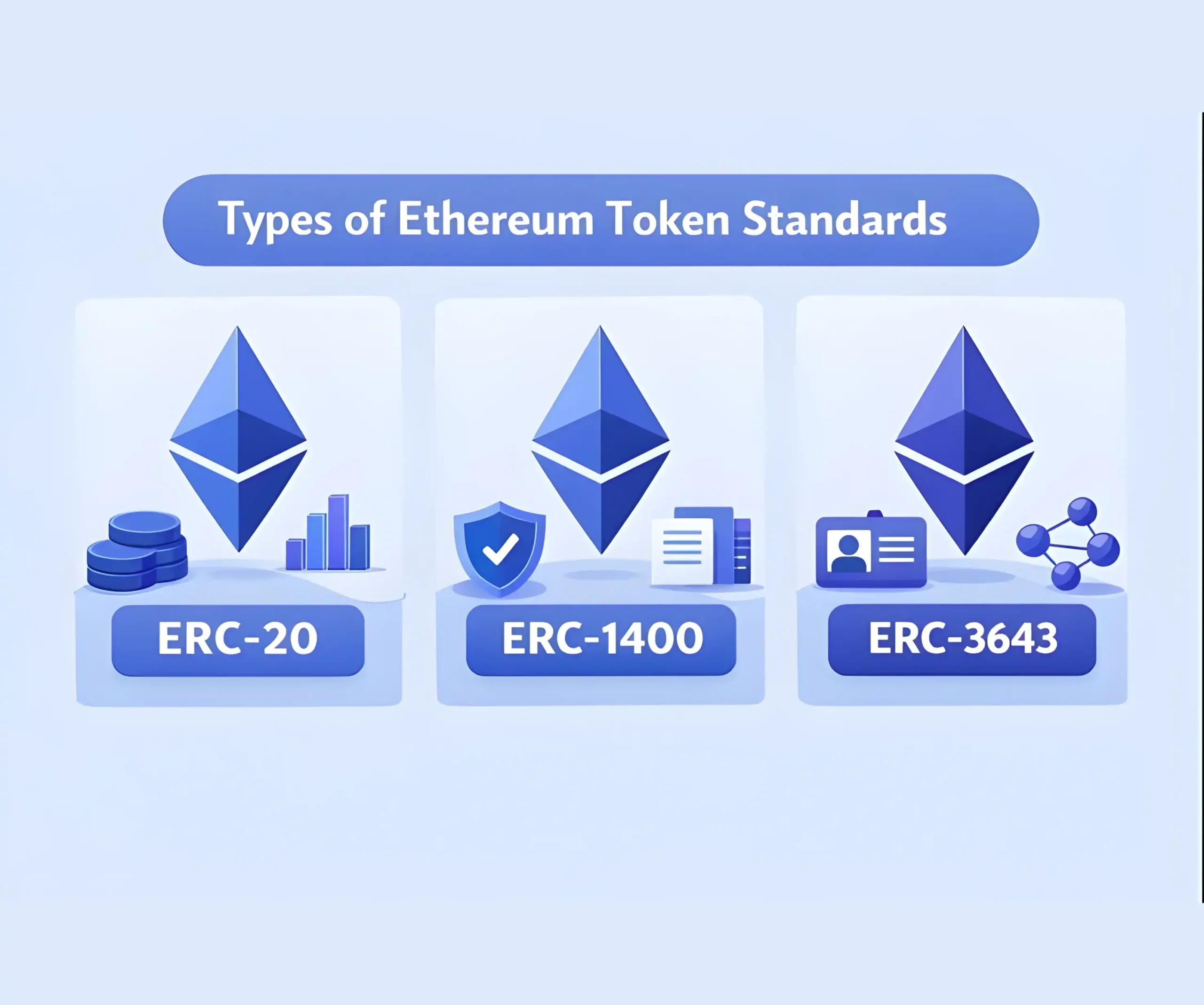
- Interoperability and Standards: Think about whether your tokens will need to talk to other blockchains or systems. Using blockchains that support common token standards and have ways to connect to other networks (like bridges) is super important for making sure your assets aren’t stuck in one place.
- Scalability and Transaction Costs: How many transactions can the blockchain handle, and how much does each one cost? If you expect a lot of activity, you don’t want a network that gets clogged up and expensive. Some blockchains are way faster and cheaper than others.
- Security and Network Maturity: Is the blockchain well-established and has it been tested? You want a network that’s secure and has a good track record. Newer, less-tested chains might have risks you don’t want to deal with.
- Asset Custody and Off-Chain Integration: How will the actual real-world asset be linked to the token? You need to think about how the blockchain platform works with systems that hold and manage the physical asset itself.
- Ecosystem and Institutional Adoption: Is there a good community and developer support around the blockchain? Are big financial players starting to use it? A strong ecosystem can make things a lot easier and signal that the platform is likely to stick around.
The growth in RWA tokenization by 2026 represents a significant shift in our perspective on asset ownership, investments, and liquidity. Tokenized assets are likely to revolutionize the way capital markets are seen as blockchain technology advances and global rules improve. They will also make wealth creation more accessible and open up investing opportunities to everyone.
Traditional asset management will not disappear overnight, but the benefits of real estate tokenization are simply too tempting to ignore. The future of asset management is one that is transparent, borderless, and tokenized.





Comments