
 By
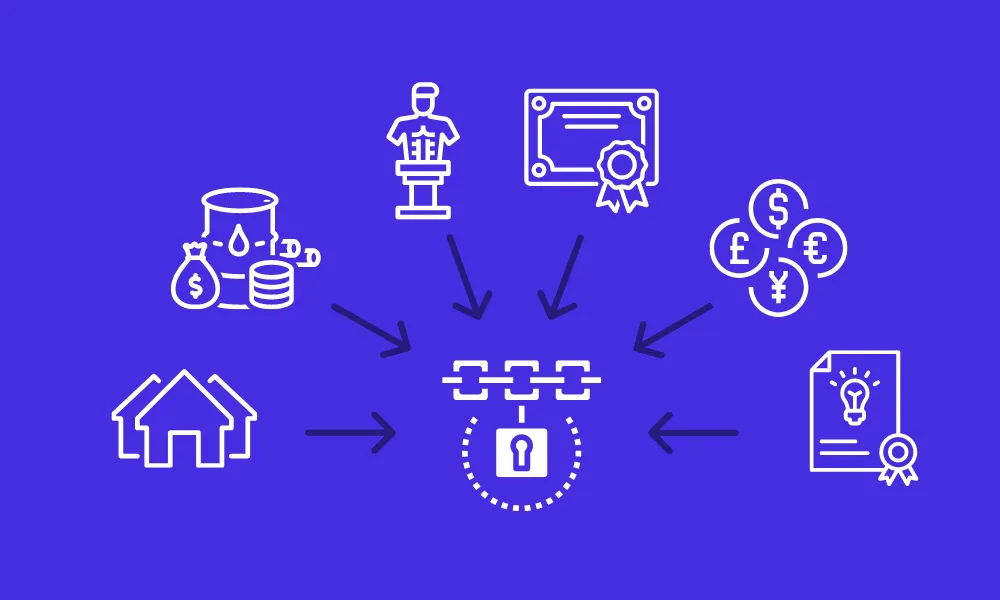
Tokenized ownership is the process of expressing an ownership stake in a physical or digital asset as a token on a blockchain. Unlike a basic digital record in a centralized database, a token is a programmable instrument that exists on a shared ledger.
The essential novelty of tokenized ownership is fractionalization. High-value assets, such as a commercial skyscraper or a piece of rare artwork, are notoriously difficult to sell since they require a single buyer with substantial funds. These assets can be tokenized into millions of digital shares, allowing investors to buy a portion of the underlying asset for a fraction of the price. This lowers the entrance hurdle, allowing regular investors to access markets that were previously only available to institutions.
This term refers to both tangible and intangible assets. Tangible assets are physical goods such as real estate, gold, and machinery. Intangible assets include intellectual property, copyright, patents, and financial securities. In all circumstances, the token acts as an immutable record of ownership, making claims verifiable and transparent to all network participants.
How Tokenized Ownership Works
The mechanism of tokenized ownership relies on creating a digital twin of an asset on a blockchain. This process begins with defining the asset’s properties and encoding them into a smart contract, a self-executing program that runs on the blockchain. The smart contract defines the rules of ownership, including how many tokens exist, who can hold them, and how they can be transferred.
When a user purchases a token, the transaction is recorded on the blockchain’s distributed ledger. This ledger is immutable, meaning that once a transaction is confirmed, it cannot be altered or deleted. This provides a single, shared source of truth that eliminates the need for reconciliation between different banks or brokers. Every participant sees the same ownership record in real-time, drastically reducing the potential for disputes or errors.
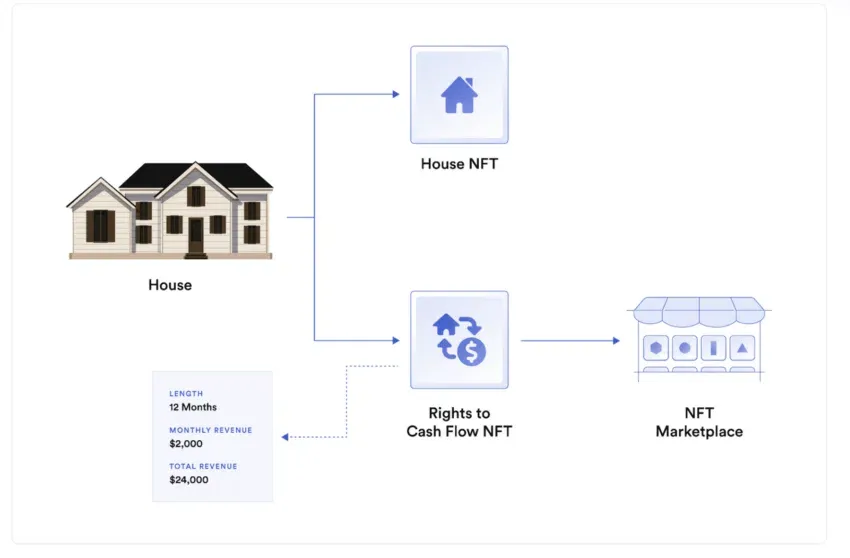
Advanced tokenization also involves programmable logic. Smart contracts can automatically execute actions based on predefined conditions. For example, a token representing a rental property can automatically distribute monthly rent yield to token holders in the form of stablecoins, proportional to the number of tokens they hold. This automation removes the administrative burden of calculating and sending thousands of individual payments, making the management of fractionalized ownership economically viable.
Key Benefits of Tokenization
The primary benefit of tokenized ownership is enhanced liquidity. Traditional assets like private equity or real estate often suffer from a liquidity discount because buying or selling them takes weeks of paperwork and significant fees. By converting these assets into standardized tokens on a global blockchain, they can be traded 24/7 on secondary markets. This turns illiquid investments into liquid assets that can be easily exchanged, enabling capital that was previously tied up for years.
Efficiency is another critical advantage. Traditional financial settlement involves multiple intermediaries, such as brokers, custodians, clearinghouses, and transfer agents, each adding time and cost to the process. Tokenized ownership enables atomic settlement, where the transfer of the asset and the payment happen simultaneously onchain. This delivery-versus-payment (DvP) model reduces counterparty risk and eliminates the T+2 settlement delays common in equity markets.
Accessibility and transparency also improve significantly. Fractionalization lowers minimum investment thresholds, allowing a broader range of investors to build diversified portfolios. Meanwhile, the transparency of the blockchain ensures that ownership records, transaction histories, and asset data are auditable by regulators and investors alike. This transparency helps mitigate fraud and builds trust in the integrity of the market.
What Real-World Assets Can Be Tokenized?
Any item in the physical world can be tokenized, or represented digitally. Tokenization of real-world assets entails transforming traditional assets like stocks, bonds, real estate, and commodities into digital tokens on a blockchain platform.
This list below highlights popular tokenized things, with more detailed examples.
Commodities
Banks use tokenization to represent and trade commodities on the blockchain by creating digital tokens that represent ownership of the underlying commodity. These tokens can be traded on a blockchain-based platform, allowing for faster and more secure transactions.
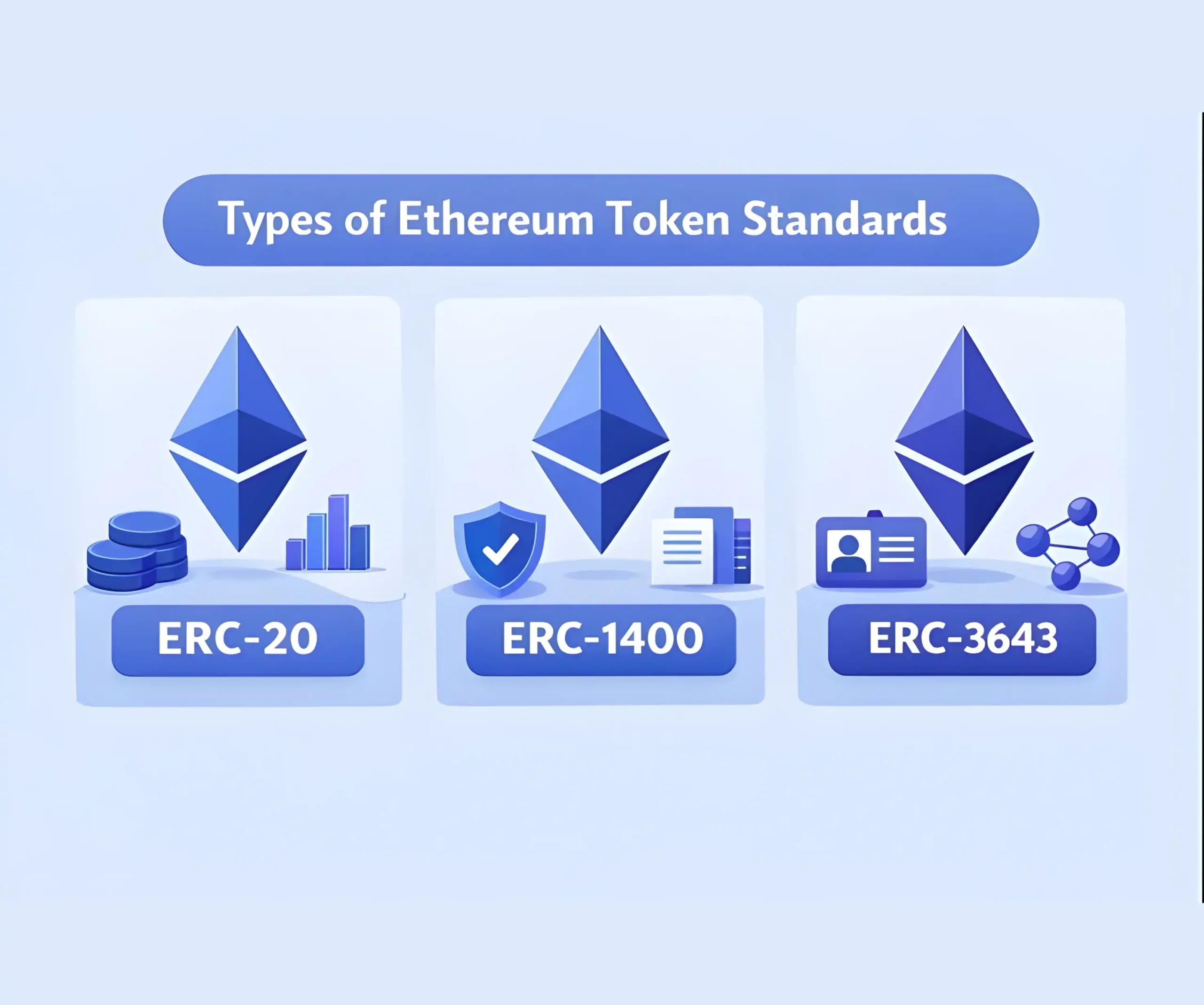
Read Also: How Token Standards (ERC-20, ERC-1400, etc.) Impact RWAs
The tokens are typically backed by physical commodities held in storage, and can be redeemed for the underlying asset if desired. This allows banks to streamline commodity trading, reduce transaction costs, and provide greater transparency to investors.
Stocks and Securities
Banks use tokenization to represent and trade stocks and securities on the blockchain by creating digital tokens that represent ownership of the underlying assets. The tokens are typically backed by securities held in custody, and can be redeemed for the underlying asset if desired. This allows banks to streamline securities trading, reduce transaction costs, and provide greater transparency to investors.
Fractional ownership in stocks and private equity is an interesting concept too, as it allows new communities to pool resources to make purchases. Banks can use tokens to improve liquidity, as we can use current assets for collateral against future purchases.
Currencies
Financial institutions use tokens to represent real currency holdings by creating digital tokens that are backed by physical currency held in reserve. These tokens are called “stablecoins” and are designed to maintain a stable value relative to the currency they represent, such as the US dollar. Kaleido has a lot of experience building institutional grade financial platforms.
The amount of currency held in reserve is audited and verified by third-party organizations to ensure that there is a one-to-one backing of the stablecoin with the underlying currency. This allows faster and more secure transactions for fiat currency transactions, as well as providing a bridge between the traditional financial system and the world of cryptocurrencies.
Intellectual Property
Tokens can represent intellectual property, including ownership or licensing rights to a particular piece of intellectual property, such as a patent or copyright. These tokens can be traded on a blockchain-based platform, allowing for greater transparency and efficiency in the licensing and distribution of intellectual property.
The tokens can also be programmed with smart contract functionality to automate royalty payments, licensing terms, and other contractual obligations. This allows financial institutions to streamline the management of intellectual property, reduce transaction costs, and provide greater liquidity for intellectual property owners.
Real Estate
Banks can tokenize a real estate asset to increase their liquidity, as a digital asset is easier to buy, sell, or fractionalize. Investors can buy smaller portions of the property, which can reduce the barriers to entry, making it more accessible to a broader range of investors. This means banks can access new customers, including those who might not be able to afford a whole property or don’t want to take on the risk of owning an entire property.
Tokenization of real estate assets can eliminate intermediaries, reducing the time and cost involved in completing transactions. These transactions can then be made transparent or audited.
Cost is another benefit as we digitize physical places. We can reduce the costs associated with managing assets, such as property maintenance, insurance, and legal fees.
Art and Collectibles
Tokenization of a piece of art involves creating a digital representation of the artwork on a blockchain network. This digital representation can be bought, sold, or traded like a cryptocurrency. This increases liquidity, as the token can be used for collateral against a loan. We can also imagine all the new people who could own a great piece of art if, say, they owned one millionth of a Picasso.
With the price of art skyrocketing in some markets, this technology can create a tamper-proof record of ownership and transaction history, reduce fraud, stop counterfeits, and prove provenance.
Bottomline
Tokenized ownership is more than just a technology advancement; it represents a restructure of the global economy. By integrating trillions of dollars in real-world assets onto blockchain, financial markets will become more transparent, efficient, and accessible. As major financial institutions and nimble startups adopt these standards, the line between traditional and decentralized finance will dissolve, resulting in a single, interconnected Internet of Contracts.
The combination of blockchain technology and real-world assets will unlock value that is today trapped due to illiquidity and inefficiency. From fast cross-border settlement to programmable equity, the infrastructure for the next era is being developed right now. As data, interoperability, and compliance standards become more established, tokenized ownership is expected to become the default standard for how value is maintained and exchanged globally.





Comments