
 By
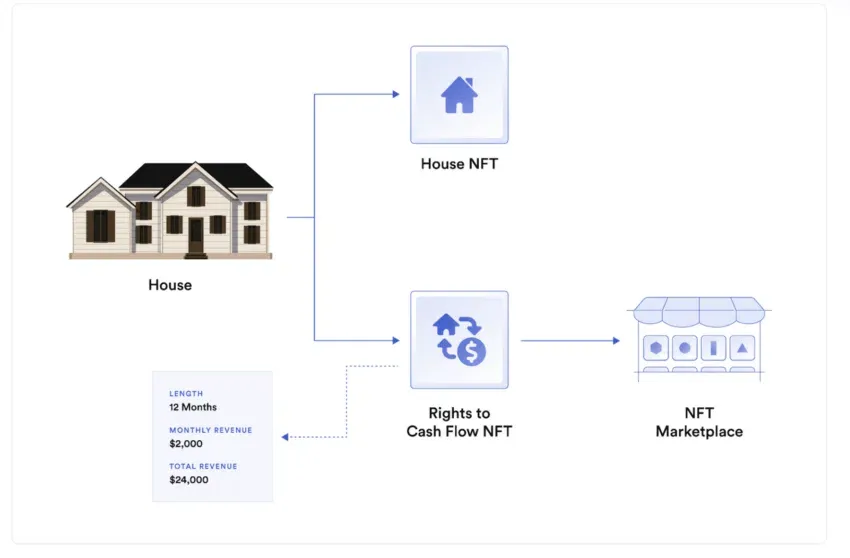
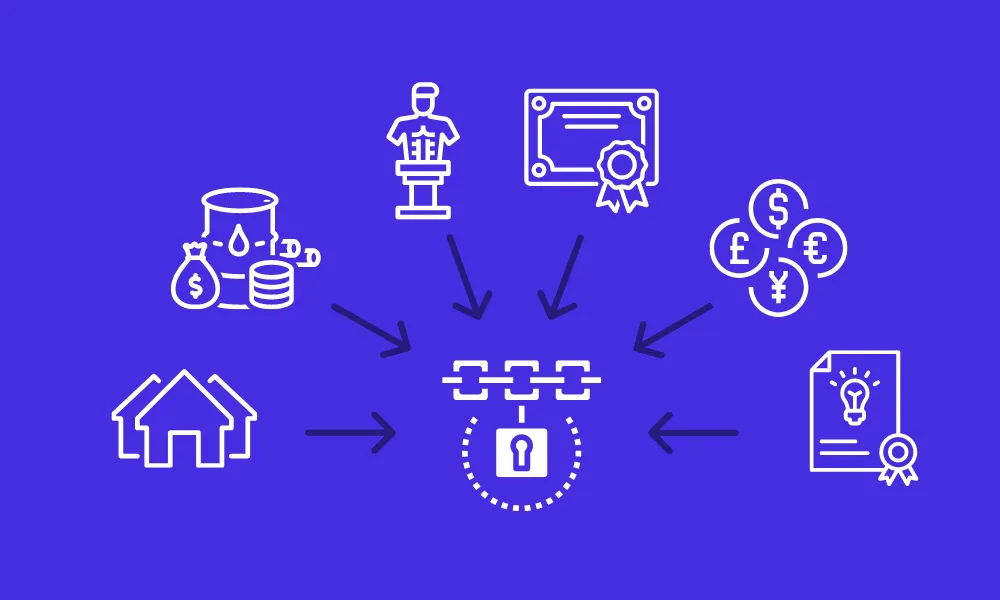
RWAs are physical or financial assets that derive value off-chain. Tokenizing RWAs basically means transforming them into digital tokens on the blockchain. For example, tokenizing a bond entails creating blockchain-based tokens to represent bondholder rights such as interest payments and principal repayment. Similarly, tokenizing real estate entails creating digital tokens that represent ownership holdings in a property.
Each token represents a share of the asset, and ownership records are securely recorded on the blockchain, providing transparency and lowering the possibility of conflicts. These tokens serve as digital proofs of ownership, allowing for secure, quicker, transparent, and legally binding financial transactions involving these assets.
RWAs are tokenized to enhance accessibility through fractional ownership, ensure transparent transactions, and automate asset transfers, making management faster and cheaper. The main upside to tokenizing RWAs, however, is the increased liquidity.
How Does RWA Tokenization Unlock Liquidity in Financial Markets?
Accessing instant liquidity remains a persistent challenge in financial markets, particularly for real-world assets. RWAs are often difficult to trade quickly due to high transaction costs, lengthy settlement periods, and limited market access. Investors demand a liquidity premium, making capital allocation inefficient.
RWA tokenization solves this problem by converting traditionally illiquid assets into digital tokens that can be traded seamlessly on-chain. By leveraging the transparency, automation, and accessibility of blockchain technology through smart contracts, tokenization enhances liquidity in several key ways:
Fractional Ownership Increases Market Participation
One benefit of tokenizing RWAs is that high-value assets can be divided into smaller, more affordable units, allowing a wider range of investors to participate. Instead of requiring large capital to buy an entire property or bond, investors can just own fractional shares of the same asset.
For example, a private equity fund might set a minimum investment threshold of $1 million, limiting access to only institutional investors and ultra-high-net-worth individuals. Instead, tokenizing the fund and then fractionalizing it removes this barrier by breaking down ownership into smaller, more affordable digital tokens. Instead of requiring a $1 million investment, tokenized shares can be structured in increments as low as $10,000, enabling a broader range of investors to participate.
This increase in accessibility reduces the liquidity premium traditionally associated with RWAs, making them more affordable and accessible. In turn, cheaper asset prices lead to more trading volume and demand for the asset.
24/7 Trading on Blockchain-Based Secondary Markets
Unlike traditional markets with limited trading hours, tokenized RWAs can be bought and sold at any time on decentralized exchanges and secondary markets. Continuous trading ensures that buyers and sellers can transact whenever liquidity is needed, preventing capital from being locked in long-term investments. Automated settlements also remove counterparty delays, making transactions instant and more liquid.
Global Access to a Broader Investor Base
Blockchain technology removes geographical barriers, enabling international investors to participate in asset markets that were previously restricted to local buyers. A larger, more diverse investor pool increases the probability of matching buyers and sellers, reducing market inefficiencies. Global access enhances price discovery and ensures that asset prices reflect a broader demand rather than being constrained by local market conditions.
Read Also: Custody and Ownership in Tokenized Assets
Smart Contracts Automate Transactions and Reduce Costs
Traditional asset trading involves intermediaries such as brokers, banks, and notaries, which increase costs and slow down transactions. Smart contracts automate processes like ownership transfers, dividend payments, and compliance checks, reducing the need for middlemen. Lower transaction costs encourage more frequent trading, improving liquidity in markets that previously suffered from inefficiency.
Enhanced Transparency and Security Build Market Confidence
Blockchain’s immutable ledger ensures that all transactions are permanently recorded and publicly verifiable, reducing the probability of fraud and disputes. Clear ownership records prevent double spending or disputes over asset claims, making tokenized assets more reliable. Increased investor trust in the security and legitimacy of tokenized assets leads to higher trading volumes and deeper liquidity.
Secondary Markets Enable Instant Liquidity
Tokenized RWAs can be listed on specialized secondary markets and decentralized exchanges, allowing investors to exit positions without waiting for traditional settlement processes. Unlike real estate, where selling can take months, tokenized real estate shares can be traded instantly, providing liquidity when needed. These platforms create a more dynamic market, ensuring that investors can liquidate holdings immediately.
Compliance and Regulatory Integration Attract Institutional Capital
Institutional investors require regulatory clarity to participate in new asset classes. Tokenized RWAs can integrate compliance measures directly into smart contracts. Adhering to financial regulations, such as KYC/AML and securities laws, enhances investor confidence and attracts more capital. As regulatory frameworks evolve, institutional adoption will further deepen liquidity by bringing large-scale investments into tokenized markets.
Unlock RWA Liquidity
A critical part of the process of adding liquidity to traditionally illiquid markets through tokenization is the mechanism with which the asset data (price, rates, etc.) that naturally exist off-chain are brought on-chain.
To understand why this mechanism is critical, you’ll need to know about the oracle problem. The oracle problem implies that since blockchains are isolated networks, smart contracts on the blockchain cannot fetch and interact with data that exists outside their isolated environments on their own. These smart contracts, however, need the asset data to power DeFi applications that unlock liquidity for these assets.
Oracles are the solution to this.
Oracles like DIA’s xReal suite bring various real-world asset RWA data on-chain, enabling DeFi applications to interact with traditional financial markets. DIA’s xReal oracles enhance RWA liquidity through several key mechanisms:
- Accurate On-Chain Pricing: xReal Price Feeds provide secure and transparent on-chain price data for tokenized RWAs, ensuring that DeFi applications such as lending platforms, options markets, and tokenized funds can rely on real-time, verifiable valuations. This eliminates pricing inefficiencies, making RWAs easier to trade and use as collateral.
- Expanded Market Access: With price feeds covering 100+ real-world assets, including stocks, commodities, ETFs, and FX rates, DIA enables diverse financial instruments to be represented on-chain. This allows more investors to participate in RWA markets, increasing trading volume and liquidity.
- Custom Data Solutions: xReal Custom Solutions bring bespoke financial data on-chain, including information on physical reserves, bonds, and macroeconomic indicators like inflation rates. This enables new DeFi use cases such as on-chain structured products and tokenized bond markets, further integrating RWAs into digital finance and enhancing their liquidity.
- Improved Collateralization for DeFi: Accurate and timely RWA data supports lending and borrowing markets by ensuring that tokenized assets can be used as collateral with minimized risk. This increases capital efficiency and allows DeFi protocols to tap into the vast value locked in traditional assets.
Finally
DIA’s xReal Oracle package effectively integrates traditional financial data and on-chain apps. By providing secure, transparent, and configurable price feeds, DIA enables DeFi platforms to generate new liquidity, expand investment opportunities, and improve market efficiency.
As tokenized assets gain traction, trustworthy oracles such as xReal will play an important role in linking TradFi and DeFi, opening the door for a more open and integrated financial ecosystem.





Comments