
 By

Optimizing cloud infrastructure and applications through ongoing resource and configuration monitoring, analysis, and adjustment is known as performance tuning for cloud-based applications. Important tactics include using tools like AI/ML to forecast future demand, optimizing resource allocation to match workload requirements, and integrating auto-scaling, load balancing, and caching to handle variable demand. Additional techniques include fine-tuning databases, using Content Delivery Networks (CDNs) to reduce network latency, and optimizing application architecture for efficiency.
Key strategies for performance tuning
- Monitoring and analysis: Continuously monitor metrics like CPU usage, memory, network latency, and application response times to identify bottlenecks.
- Resource optimization:
- Resource allocation: Ensure that resources like CPU, memory, and storage are appropriately distributed to meet workload demands.
- Auto-scaling: Automatically add or remove resources based on traffic to handle changes in demand without compromising performance.
- Capacity planning: Forecast future demand to proactively scale resources and avoid performance issues during peak times.
- Traffic and data management:
- Load balancing: Distribute network traffic across multiple servers to prevent any single one from becoming overloaded.
- Caching: Store frequently accessed data in a faster-access location, such as memory, to reduce the need for repeated access to slower sources.
- Database optimization: Streamline database operations for more efficient data retrieval.
- Architectural and network enhancements:
- Application architecture: Design applications to be scalable and efficient, allowing them to dynamically adjust resources as needed.
- Content Delivery Networks (CDNs): Use CDNs to cache content closer to users, reducing latency for a smoother experience.
- Edge computing: Process data closer to the source to reduce latency for real-time applications.
- Automation and AI:
- Infrastructure as Code (IaC): Use code to manage and provision cloud infrastructure, allowing for more dynamic changes and greater precision.
- Artificial Intelligence (AI): Leverage AI and machine learning to analyze usage patterns, predict future demand, and proactively optimize the environment.
Finding methods to improve and optimize your cloud infrastructure’s performance is the main goal of cloud performance optimization. It entails keeping an eye on, evaluating, and adjusting your cloud resources’ performance to guarantee peak performance. To maintain your cloud environment operating at its peak, performance tuning is a continual process that calls for constant monitoring and optimization.
Monitoring is a crucial component of cloud performance tuning. You can find any bottlenecks or places for improvement by keeping a careful eye on how well your cloud resources are performing. This can entail keeping an eye on network latency, CPU and memory usage, and other performance indicators. You can promptly spot any problems and take the necessary steps to maximize performance by closely monitoring these indicators.
Optimization is a crucial component of cloud performance adjustment. This entails modifying your cloud environment in order to enhance performance. This could involve fine-tuning your application settings, modifying network setups, or improving resource allocation. You can make sure that your apps are operating smoothly and effectively by consistently improving your cloud environment.
Optimizing the performance of your cloud infrastructure requires a process called cloud performance tuning. You can make sure that your apps are operating at peak efficiency by keeping an eye on and making the most of your cloud resources. To maintain your cloud environment operating at its best, this calls for constant monitoring, analysis, and optimization. Therefore, investing in cloud performance tuning is essential if you want to get the most out of your cloud infrastructure.
Optimization Techniques
You’ll be astounded by the notable increases in system efficiency that you may attain by putting efficient optimization strategies into practice. To get the most out of your infrastructure and guarantee peak performance, cloud performance tweaking is crucial. You can use a number of strategies to improve the overall effectiveness and performance of your cloud.
Regularly tuning your system by assessing its performance and locating any bottlenecks or potential improvement areas is an essential optimization strategy. You can obtain useful information on a variety of parameters, including CPU consumption, memory utilization, and network latency, by employing performance monitoring tools. You can use this information to identify particular areas that require attention and adjust your cloud environment appropriately.
Optimizing your application and workload placement is another useful strategy. You may strategically allocate resources and divide workloads among various instances or regions by comprehending the resource requirements and dependencies of your apps. This method improves overall speed by making sure that every application has the resources it needs without overwhelming any specific instance.
Additionally, your cloud performance can be significantly impacted by optimizing your data management and storage procedures. Data access speeds can be increased and storage requirements can be greatly decreased by using strategies like data compression, deduplication, and caching. Additionally, latency can be reduced and the user experience improved by utilizing content delivery networks (CDNs) and implementing effective data transfer protocols.
Your cloud performance can be greatly enhanced by putting into practice efficient optimization strategies including workload placement optimization, performance monitoring, and effective storage management. These methods guarantee that your system can manage higher workloads and offer a smooth user experience in addition to increasing efficiency. To maximize its potential and adjust to shifting demands, don’t forget to routinely assess and optimize your cloud setup.
Monitoring and Analysis
I can visually follow and assess my cloud system’s effectiveness through monitoring and analysis, which helps me pinpoint problem areas and allocate resources as efficiently as possible. I can proactively identify any problems or bottlenecks that could affect the overall operation of my cloud infrastructure by routinely monitoring its performance. I can make sure that my cloud infrastructure is operating properly and effectively thanks to this real-time visibility.
I can learn a lot about the trends and performance patterns of my cloud system by analyzing the data that has been gathered. By understanding how various parts and resources are used, this analysis enables me to make well-informed decisions regarding system optimization. y identifying areas of high resource usage or latency, I can take targeted actions to improve performance, such as scaling up resources or optimizing code.
I can also compare my cloud performance to industry norms and best practices thanks to monitoring and analysis. I can assess how well I’m using my cloud resources and pinpoint areas for improvement by comparing the performance indicators of my system with those of comparable businesses. I can stay at the forefront of cloud performance thanks to this ongoing monitoring and analysis procedure, which guarantees that my system is constantly effective and producing the best outcomes.
Read Also: Cloud Cost Management Tools Compared: AWS, Azure, GCP
In order to maximize cloud performance, monitoring and analysis are essential. I can find areas for improvement and make well-informed resource allocation decisions by visually monitoring and assessing the effectiveness of my system. This proactive approach ensures that my cloud environment is running smoothly and efficiently, leading to enhanced performance and better utilization of resources.
Information Systems Integration
Information system integration can greatly increase operational efficiency. Did you know that businesses who fully integrate their systems see a 20% improvement in productivity? This is particularly true when it comes to performance optimization and cloud computing. Businesses can optimize their resources and expedite operations by connecting information systems in the cloud. Information systems integration in the cloud can improve performance tweaking in the following four ways:
- 1. Centralized Data Management: Integrating information systems allows for centralized data management, where all relevant data is stored in a single location. This enables faster and more efficient access to data, reducing the time spent searching for information across different systems. With cloud computing, businesses can leverage the scalability and flexibility of the cloud to efficiently manage and process vast amounts of data.
- 2. Real-time Collaboration: Integration of information systems in the cloud enables real-time collaboration among employees, regardless of their geographical location. This promotes seamless communication and knowledge sharing, leading to improved decision-making processes and faster problem-solving. Cloud-based collaboration tools also allow for instant updates and notifications, ensuring that everyone is working with the most up-to-date information.
- 3. Automated Workflows: By integrating information systems in the cloud, businesses can automate workflows and eliminate manual tasks. This not only saves time and resources but also reduces the risk of human error. With performance tuning, businesses can set up automated processes to monitor and optimize their cloud infrastructure, ensuring optimal performance and cost-efficiency.
- 4. Enhanced Analytics and Reporting: Information systems integration in the cloud allows for more advanced analytics and reporting capabilities. Businesses can leverage the power of cloud-based analytics tools to gain deeper insights into their data and make data-driven decisions. With performance tuning, businesses can track and analyze key performance metrics to identify bottlenecks and optimize their cloud infrastructure for improved performance.
For companies looking to improve their performance tuning efforts, integrating information systems in the cloud is essential. Businesses may maximize cloud performance and boost productivity by centralizing data management, facilitating real-time communication, automating operations, and utilizing advanced analytics. In today’s quickly changing business environment, embracing information systems integration in the context of cloud computing is a step toward efficiency and creativity.
OpenTeams Solutions
Investigate OpenTeams Solutions to transform your company’s operations and realize the full potential of your information systems integration. The state-of-the-art platform OpenTeams Solutions provides a full range of tools and services to maximize the effectiveness and performance of your database and cloud infrastructure. OpenTeams Solutions can assist you in achieving unmatched levels of speed, scalability, and dependability for your server and application environments by utilizing cutting-edge performance models and creative methodologies.
The capacity of OpenTeams Solutions to evaluate and improve database performance is one of its primary characteristics. OpenTeams Solutions can find and fix any bottlenecks or inefficiencies that might be impeding the performance of your system by carefully analyzing your database structure, query execution plans, and indexing strategies. Faster response times and better system performance can be achieved by fine-tuning your database configuration and making sure it is running at maximum efficiency.
OpenTeams Solutions provides a variety of cloud optimization services in addition to database speed tuning. OpenTeams Solutions can assist you in optimizing the efficiency and economy of your cloud resources, regardless of whether you are utilizing a public, private, or hybrid cloud infrastructure. OpenTeams Solutions may offer suggestions and carry out optimizations that will improve the efficiency, scalability, and dependability of your cloud-based applications by examining your application workloads, resource usage trends, and network configurations.
Businesses may revolutionize information systems integration and elevate their operations by utilizing the capabilities of OpenTeams Solutions. OpenTeams Solutions enables companies to realize the full potential of their technological investments and attain previously unheard-of levels of speed, scalability, and efficiency thanks to its proficiency in database and cloud performance tuning. OpenTeams Solutions provides the resources and know-how to support your success, whether your goal is to improve the performance of your cloud infrastructure or optimize database performance. Instead of settling for mediocre performance, unleash OpenTeams Solutions’ power and transform your company’s operations right now.
Service Management Strategies
Service management strategies are like the secret sauce that adds flavor to your business operations, ensuring everything runs smoothly and effortlessly. When it comes to cloud performance tuning, having effective service management strategies in place is crucial. These strategies help optimize the performance of your cloud infrastructure, ensuring that your applications and services deliver the best possible performance to your customers.
One important service management strategy for cloud performance tuning is monitoring and analysis. By continuously monitoring the performance of your cloud infrastructure and analyzing the data collected, you can identify any bottlenecks or areas of improvement. This allows you to proactively address any issues before they impact your business operations. Monitoring and analysis also help you understand the usage patterns and demands on your cloud resources, enabling you to make informed decisions about resource allocation and scaling.
Another service management strategy for cloud performance tuning is automation. Automating routine tasks and processes not only saves time and effort but also improves efficiency and reduces the risk of human error. By automating tasks such as resource provisioning, scaling, and workload management, you can ensure that your cloud infrastructure is always optimized for performance. Automation also enables you to respond quickly to changes in demand, automatically scaling resources up or down as needed.
Incorporating these service management strategies into your cloud performance tuning efforts can greatly enhance the performance and efficiency of your cloud infrastructure. By monitoring and analyzing performance data, you can proactively identify and address any performance bottlenecks. Automation, on the other hand, allows you to optimize resource allocation and quickly respond to changing demands. With these strategies in place, you can ensure that your applications and services are delivered with the best possible performance, satisfying your customers’ subconscious desire for innovation.
Industry Best Practices
Businesses may optimize their cloud infrastructure to satisfy client expectations and produce outstanding results by implementing industry best practices. To maximize the efficacy and efficiency of cloud-based systems, cloud performance optimization is crucial. Here are four important industry best practices to think about:
- 1. Resource Monitoring: Constantly monitoring the performance of your cloud resources is crucial for identifying bottlenecks and optimizing system performance. By using monitoring tools and implementing proactive monitoring strategies, businesses can gain real-time insights into resource utilization, response times, and overall system health. This allows for timely identification and resolution of any performance issues, ensuring smooth operations and minimizing system downtime.
- 2. Auto Scaling: Cloud environments should be designed to automatically scale resources based on demand. By leveraging auto scaling capabilities, businesses can ensure that their cloud infrastructure dynamically adjusts to handle fluctuations in workload. This not only improves system performance during peak times but also helps optimize costs by scaling down resources during periods of low demand. With auto scaling, businesses can achieve optimal resource utilization and deliver a seamless user experience.
- 3. Load Balancing: Distributing incoming traffic evenly across multiple cloud resources is vital for maintaining high availability and optimizing performance. Load balancing ensures that no single resource becomes overwhelmed with traffic, preventing potential performance bottlenecks. By implementing load balancing algorithms and distributing workloads efficiently, businesses can achieve better resource utilization and improved response times.
- 4. Security Measures: Cloud performance tuning goes hand in hand with ensuring the security of your cloud infrastructure. Implementing robust security measures, such as encryption, access controls, and regular vulnerability assessments, helps protect against unauthorized access and potential performance vulnerabilities. By prioritizing security best practices, businesses can safeguard the performance and integrity of their cloud systems, providing customers with a secure and reliable experience.
Businesses may optimize their cloud infrastructure, enhance system performance, and satisfy customer expectations by implementing these industry best practices for cloud performance optimization. Businesses can make sure their cloud systems produce outstanding results and spur innovation in their sector by keeping an eye on resources, utilizing auto scaling, putting load balancing in place, and giving security a priority.
Potential Challenges
After talking about industry best practices, let’s explore some possible difficulties with cloud performance optimization. These difficulties might include everything from resource allocation concerns to scalability problems, all of which can affect how well cloud systems operate overall.
Ensuring scalability is one of the main issues in cloud performance tuning. Designing systems that can manage a high volume of traffic without sacrificing speed is essential given the growing demand for cloud services. In order to smoothly scale up or down in response to the workload, the design and infrastructure must be optimized. Furthermore, anticipating and planning for future expansion is crucial to preventing unexpected performance bottlenecks. I can pinpoint areas that require development and put plans in place to improve scalability by closely observing and evaluating the system’s performance.
Another major issue in optimizing cloud performance is resource allocation. Several virtual machines (VMs) frequently operate concurrently in a cloud environment, sharing the underlying physical resources. To guarantee peak performance, these resources must be distributed effectively. This entails keeping an eye on how each virtual machine uses its resources and dynamically modifying the distribution in response to demand. Optimizing resource distribution and distributing the workload among many virtual machines (VMs) can significantly improve the cloud system’s overall performance.
Last but not least, security and compliance present significant obstacles to optimizing cloud performance. It is crucial to guarantee the security and compliance of cloud services since they handle and store sensitive data. To defend against possible threats, strong security measures like encryption, access limits, and frequent vulnerability assessments must be put in place. Furthermore, the cloud environment must be carefully configured and monitored in order to comply with industry standards and regulations like PCI DSS and GDPR. I can guarantee that the cloud system operates at its best while preserving the confidentiality and integrity of the data by tackling these security and compliance issues.
Cloud performance tweaking is not without its obstacles. Scalability, resource allocation, and security are just a few of the barriers that need to be addressed to ensure optimal performance in the cloud. By leveraging my experience and adopting a proactive approach, I can handle these difficulties head-on, guaranteeing that the cloud system delivers high performance, scalability, and security for my clients.
Bottomline
In conclusion, cloud performance tuning is a critical part of achieving optimal efficiency and productivity in today’s fast-paced digital landscape. By employing numerous optimization strategies, such as load balancing and caching, organizations can greatly boost their cloud infrastructure’s speed and responsiveness. Monitoring and analysis tools play a critical role in identifying bottlenecks and areas for improvement, enabling timely interventions and adjustments to enhance system performance.
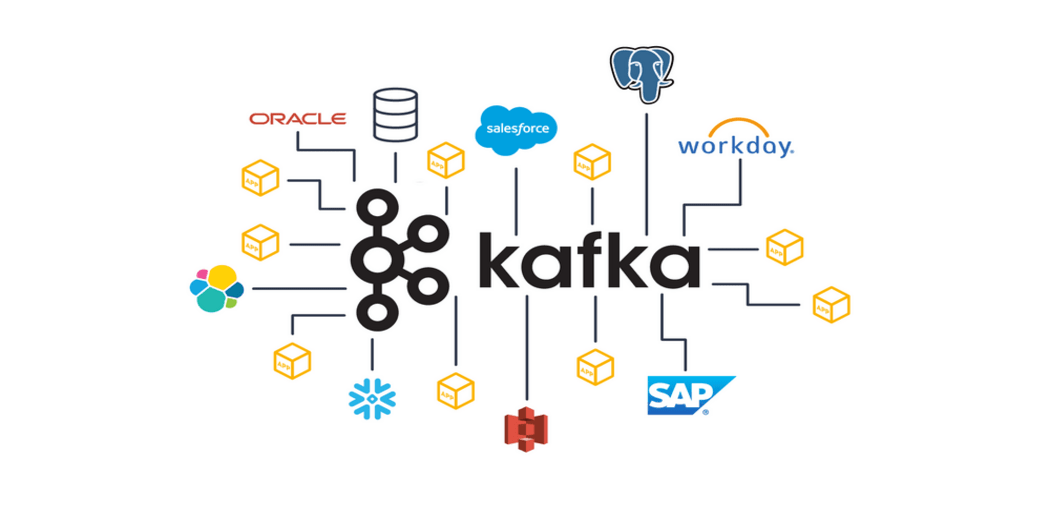
Information systems integration is another crucial aspect in obtaining optimal cloud performance. By seamlessly integrating diverse apps and databases, organizations may exploit the full potential of their cloud infrastructure, promoting efficient data sharing and collaboration. OpenTeams Solutions offer complete cloud performance tuning services, addressing specific requirements and designing solutions to fit distinct company demands.
Service management solutions, such as good incident management and change control processes, are critical for sustaining high cloud performance levels. By adhering to industry best practices, enterprises may improve their cloud infrastructure, assuring smooth operations and avoiding downtime. While certain issues may develop during the implementation and tuning process, with the correct skills and support, these obstacles may be overcome to reach optimal cloud performance.
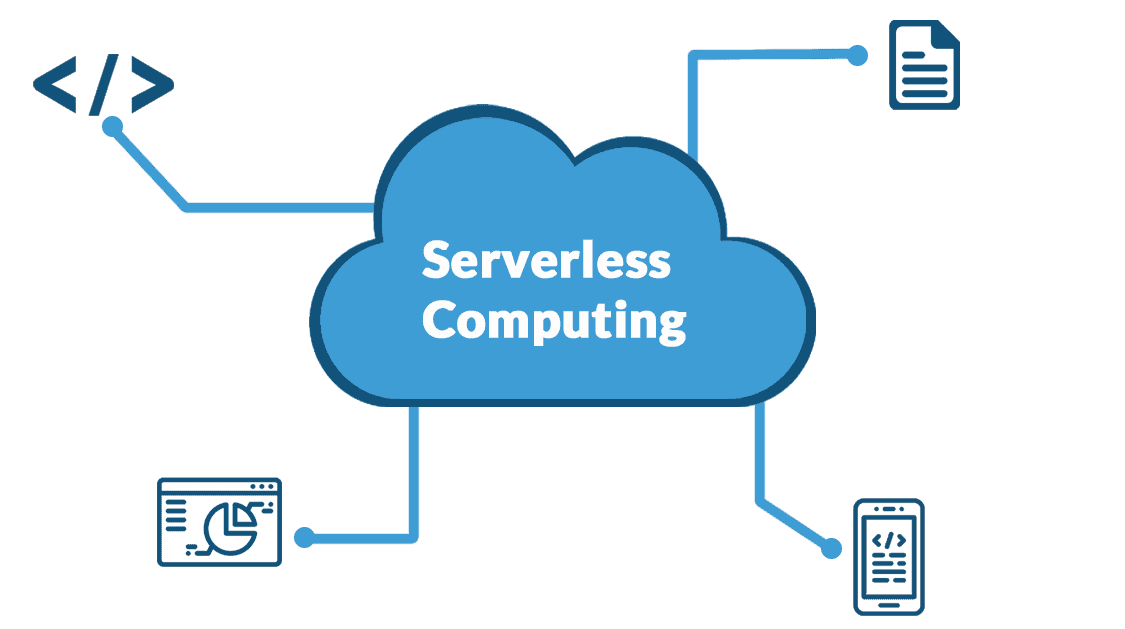
Future developments in cloud performance tuning include the automation and optimization of system performance through the use of machine learning techniques and artificial intelligence. This has the potential to completely transform cloud operations by giving businesses the ability to proactively detect and resolve performance problems. Additionally, the growing use of serverless architectures and edge computing will spur additional developments in cloud performance tuning, enabling quick scaling and improved responsiveness.
In conclusion, cloud performance tuning necessitates a methodical strategy that makes use of information systems integration, monitoring tools, and optimization strategies. Organizations can overcome potential obstacles and attain industry best practices by establishing service management methods and using OpenTeams Solutions. The future of cloud performance tuning is full with exciting possibilities as technology develops further. Automation and edge computing will completely change how we optimize and improve cloud infrastructure. These developments enable businesses to fully utilize their cloud systems, providing unmatched efficiency and performance.








Comments