
 By
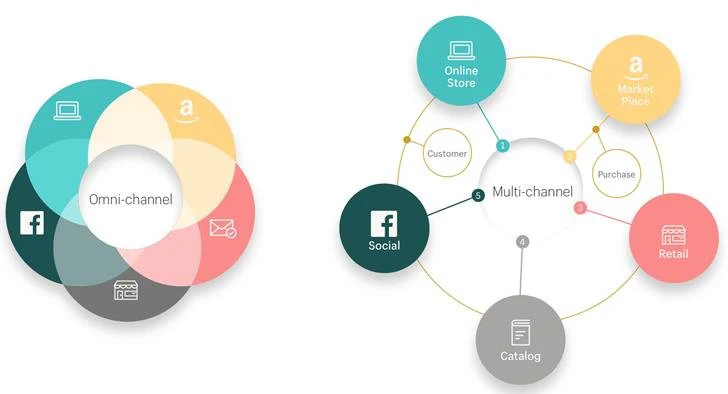
Retail Media Networks (RMNs), advertising platforms owned by retailers, are evolving from isolated, on-site e-commerce tools into comprehensive, off-site, and in-store solutions that, when combined with more comprehensive marketing strategies, greatly increase brand visibility, personalization, and customer loyalty. Omnichannel marketing entails creating a unified, seamless customer experience across all touchpoints, integrating both online and offline channels.
Integrating RMNs into an Omnichannel Strategy
Effective integration connects RMNs with traditional channels (e.g., social media, CTV, OOH, in-store) to create a cohesive, data-driven customer journey.
- Unified Customer Journey: By synchronizing data across channels, RMNs can track a customer from seeing an online ad to making an in-store purchase.
- Consistency Across Channels: RMNs enable brands to deliver consistent messaging and branding, whether the customer is browsing a social media app, watching a streaming service, or in a physical store.
- Offline and Online Synergy: RMNs are expanding to include offline touchpoints like out-of-home (OOH) advertising, allowing for simultaneous exposure that amplifies brand impact.
In the digital age, where consumers are constantly connected and expect instant and personalized interactions, omnichannel marketing is not just an advantage, but a necessity. The benefits of adopting an omnichannel approach include:
- Better Customer Experience: A coherent and connected customer experience across all channels improves satisfaction and loyalty.
- Greater Reach and Engagement: Being present in multiple integrated channels, brands can reach a wider audience and keep it engaged.
- Improved Data and Analytics: The integration of channels allows for more comprehensive and accurate data collection about customer behavior, which in turn improves decision-making and personalization.
Omnichannel marketing is based on several key principles and practices that differentiate this strategy from other marketing approaches. Understanding these fundamentals is essential for any company seeking to establish an effective presence in today’s varied digital ecosystem.
Key Benefits of Integration
Integrating RMNs with other channels yields significant benefits:
- Enhanced Customer Experience: Consumers can transition fluidly between online browsing, mobile engagement, and in-store purchasing, enhancing satisfaction.
- Higher Personalization: Data integration allows for more tailored marketing efforts that reflect unique consumer preferences.
- Increased Sales and ROI: Integrated strategies create “cross-effects” where online and offline marketing efforts boost each other, resulting in higher sales.
- Improved Loyalty: A seamless experience fosters trust and stronger, long-term relationships with the brand.
Key Elements for an Effective Omnichannel Strategy
- Adequate Technology and Tools: Invest in CRM platforms, data analysis, and content management systems that allow effective integration and analysis across channels.
- Data Analysis and Customer Segmentation: Use data to understand customer behavior and preferences, enabling effective segmentation and personalization of communications.
- Training and Internal Culture: Ensure that all departments, from marketing to sales and customer service, are aligned with the omnichannel strategy and trained to offer a consistent customer experience.
- Consistent Content Strategy: Develop and maintain a content strategy that reflects the brand identity across all channels and is relevant to the customer’s needs and desires.
- Feedback and Continuous Improvement: Establish processes to collect and act on customer feedback, ensuring the continuous improvement of the omnichannel experience.
Implementing these fundamentals in an effective omnichannel marketing strategy can make a difference in how a brand connects and relates to its customers in an increasingly competitive digital environment.
How to Design an Omnichannel Marketing Strategy
- Analysis of the Current Situation: Assess existing channels and their effectiveness. Understand customer behavior and how they interact with the brand on different platforms.
- Definition of Objectives and KPIs: Set clear and measurable objectives for the omnichannel strategy. These objectives should align with the broader business goals of the company.
- Target Audience Segmentation: Identify and segment the target audience, understanding their needs and preferences to personalize the marketing strategy.
- Selection and Optimization of Channels: Choose the most appropriate channels for the target audience and ensure they are optimized for an omnichannel experience.
- Creation of Consistent and Personalized Content: Develop content that is consistent across all channels but also personalized for different audience segments.
- Implementation Plan and Schedule: Define a detailed action plan and a timeline for the implementation of the strategy.
Essential Tools and Technologies for Omnichannel Marketing
Read Also: The Role of First-party Data in Retail Media Success
- Customer Relationship Management (CRM) Systems: To collect and manage customer information, facilitating more effective personalization.
- Marketing Automation Platforms: Tools that allow for the automation of repetitive marketing tasks and customer segmentation.
- Analytics and Data Tools: Software to analyze customer behavior and measure channel performance.
- Channel Integration Technologies: Solutions that enable the synchronization and flow of information between different channels.
- Content and Social Media Management Tools: To create, schedule, and manage content across various digital channels.
Channel Integration in an Omnichannel Strategy
- Coordination Between Online and Offline Channels: Ensure that physical and digital channels are aligned and complement each other.
- Unification of Messages and Content: Create coherent messages adapted to each channel while maintaining a unified central message.
- Continuous Information Flow: Establish a system where customer information flows seamlessly between channels.
Key Steps to Integrate Omnichannel Marketing
- Evaluation and Analysis of Existing Channels: Identify strengths and weaknesses in current channels and how they can be better integrated.
- Development of a Customer-Centric Strategy: Build a strategy focused on providing an exceptional and consistent customer experience across all channels.
- Implementation of Appropriate Technology: Invest in the necessary tools and platforms to facilitate a smooth omnichannel experience.
- Continuous Monitoring and Adjustment: Measure performance and make continuous adjustments to improve the strategy.
Bottomline
In today’s digital age, omnichannel marketing is a crucial strategic strategy rather than merely a tactic. A well-thought-out plan, a forward-thinking company culture, and the right technology are all necessary for its successful implementation. Businesses can gain a substantial competitive edge and guarantee their relevance in a constantly evolving market by concentrating on developing a smooth and highly customized client experience.








Comments