
 By
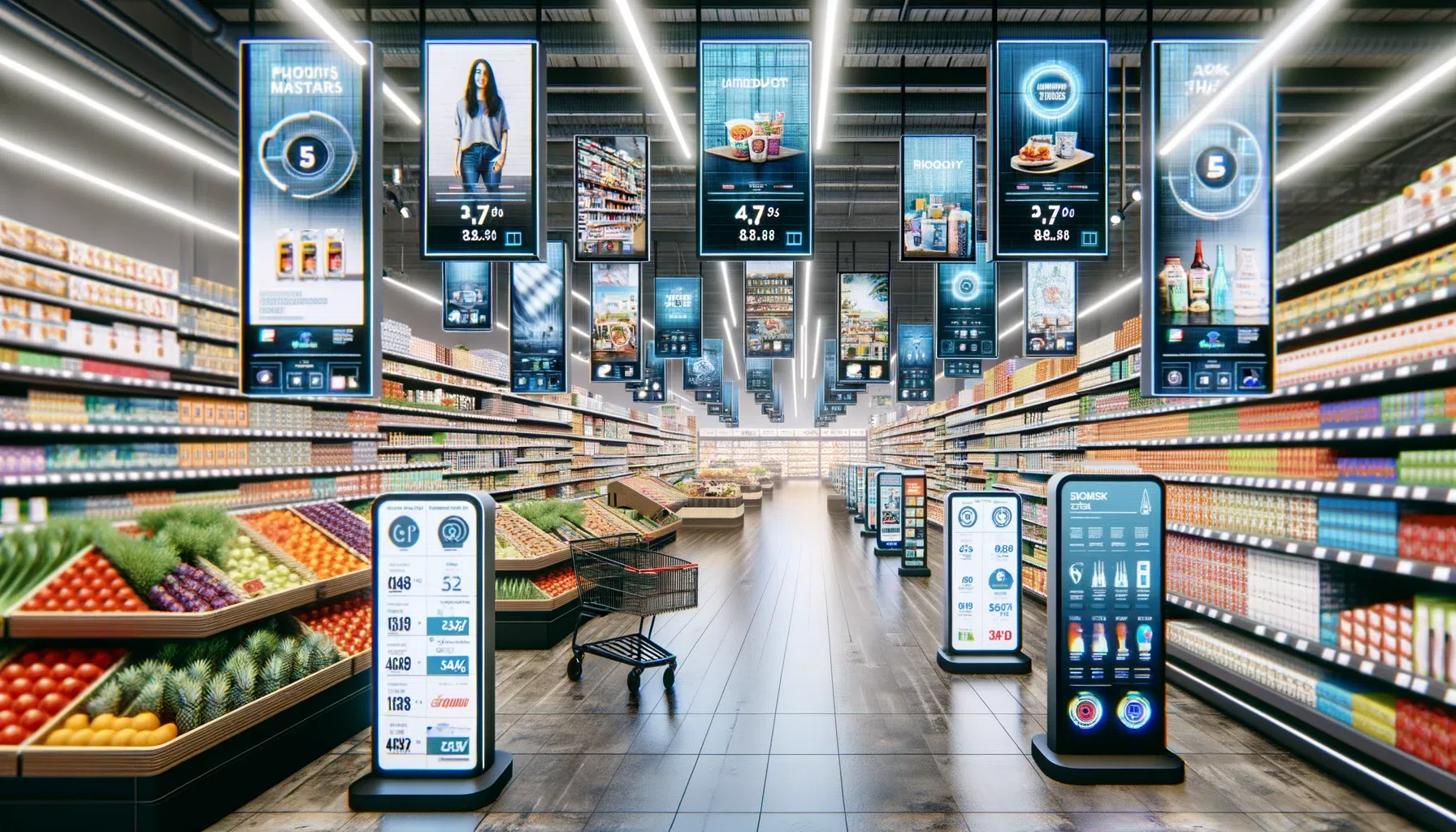
Retail media has transitioned from static, tangible advertisements at the point of sale to a sophisticated, data-driven digital ecosystem. While traditional tactics targeted high-traffic store areas, modern retail media uses deep user information to deliver individualized ads across e-commerce sites, mobile apps, and even linked TV.
Retail media is no longer just a buzzword; it’s a major player in the digital advertising industry. According to eMarketer, retail media ad expenditure will total $140 billion this year, accounting for 20.3% of global digital ad spend. Major players driving this growth include Amazon in the United States, Mercado Libre in Latin America, and Alibaba, JD.com, and Meituan in China. Understanding the growth and future trends of retail media is not only advantageous to retailers and brands, but also necessary for preserving a competitive advantage.
We’ll explore the journey of retail media from its origins in traditional in-store promotions to its current role as a sophisticated, multi-channel digital strategy.
Today, convenience and personalization are at the heart of retail media, offering tailored advertising experiences that resonate with individual consumer preferences. By leveraging targeted ads, sponsored products, and dynamic content placements, businesses can significantly enhance customer engagement and brand visibility.
Brief Introduction to Retail Media
Initially, retail media involved basic in-store advertisements such as shelf displays and posters. For instance, a grocery store in the 1980s would have eye-catching posters and strategically placed coupon dispensers to attract shoppers’ attention.
Fast forward to today, and we have a multifaceted omnichannel advertising strategy that is expanding exponentially through digital media technology.
With advancements in digital media and ecommerce, the ability to rapidly collect and analyze consumer data has transformed retail media from its traditional marketing strategy to a fully integrated, omnichannel, data-driven advertising model. Retail media platforms have embraced sponsored ad placements, paid search, and audience targeting capabilities to drive increased Return on Ad Spends (RoAS).
The Importance and Scope of Retail Media
To fully leverage retail media, brands must integrate organic marketing with paid advertising, creating a synergistic effect that amplifies marketing impact and enhances overall effectiveness.
- Establishing Online Presence: Build a strong foundation through optimized product listings, valuable content, and audience engagement to attract and retain loyal followers, boosting brand credibility.
- Enhanced Brand Visibility and Customer Engagement: Leverage retail media platforms for sponsored product listings and seamlessly integrate ads into the shopping experience to stand out in competitive marketplaces and improve customer satisfaction.
- Integrated Marketing Strategy: Combine organic marketing with paid advertising to maximize impact across both loyal customers and new audiences, enhancing overall marketing effectiveness and facilitating accelerated business growth.
- Comprehensive Marketing Analytics: Implement performance measurement tools to continuously evaluate campaign effectiveness, refine strategies, and achieve ongoing improvement and success.
- Optimizing ROI through Data: Utilize real-time tracking and measurement of retail media campaigns to optimize marketing efficiency, minimize unnecessary spending, and ensure maximum return on investment.
Retail Media Networks and Technology Advancements
Recently, the concept of retail media networks has gained prominence, with major retailers developing their advertising platforms for end-to-end advertisement, content creation, and networking. These networks offer a cohesive environment where brands can seamlessly manage their advertising efforts, providing an integrated solution that spans from product promotion to customer engagement.
Read Also: The Future of Retail: Trends in Digital Storefronts
Retail media networks such as Amazon Advertising, Walmart Connect, and Target’s Roundel have paved the way for brands to connect directly with consumers on platforms they frequently visit. These networks leverage extensive consumer data to offer highly targeted advertising solutions, ensuring that the right message reaches the right audience at the right time. By harnessing advanced algorithms and machine learning, these platforms continuously optimize ad placements, enhancing both effectiveness and efficiency.
Current Trends
The integration of advanced technologies is set to transform retail media further. Artificial intelligence and automation are at the forefront, utilizing machine learning to create customized content and target ads with unprecedented precision. AI-driven algorithms analyze vast amounts of consumer data in real-time, identifying patterns and preferences that enable hyper-personalized marketing strategies.
Moreover, the integration of virtual reality (VR) and augmented reality (AR) into retail media is poised to revolutionize the shopping experience. Imagine consumers virtually exploring a store, interacting with products in a 3D environment, or receiving personalized recommendations through VR headsets. Such immersive experiences could bridge the gap between online and offline shopping, offering a unique blend of convenience and engagement.
Voice-activated assistance, powered by devices like Amazon’s Alexa and Google Home, is another trend shaping the future of retail media. These technologies allow consumers to interact with brands and make purchases using voice commands, creating a seamless and hands-free shopping experience. As voice recognition technology continues to improve, it is poised to become a pivotal component of the retail media landscape.
Consumer Impact
The evolution of retail media has significantly impacted consumer behavior and shopping experiences. Personalized ads tailored to individual preferences create a more engaging and relevant shopping journey. Consumers are more likely to interact with and respond to advertisements that resonate with their interests and needs. This personalized approach fosters a sense of connection and loyalty, as shoppers feel understood and valued by the brands they interact with.
Additionally, the integration of advanced technologies such as AI and VR enhances the convenience and enjoyment of the shopping experience. Consumers can effortlessly discover new products, explore virtual stores, and receive tailored recommendations, all from the comfort of their homes. This blend of technology and personalization not only drives sales but also elevates the overall customer experience.
Challenges and Solutions
Despite its vast potential, implementing retail media strategies presents several challenges. One common challenge is the effective integration of organic and paid advertising efforts. Brands must ensure a cohesive strategy that leverages the strengths of both approaches without creating a disjointed experience for consumers.
To address this, businesses can adopt a holistic marketing approach that aligns organic and paid efforts under a unified strategy. Utilizing comprehensive analytics tools helps measure the effectiveness of campaigns and identify areas for improvement. Continuous optimization based on data insights ensures that marketing efforts remain relevant and impactful.
- Managing First-Party Data and Privacy-First Measurement:
- Privacy-First Measurement:
- Privacy Enhancing Technologies (PETs):
Final Thoughts
Retail media has come a long way since its humble origins as in-store marketing. Today, it offers a dynamic and data-driven approach to e-commerce marketing, with enormous opportunities for companies to connect with customers in meaningful ways. Businesses may keep ahead of the competition and prosper in the ever-changing retail media landscape by embracing cutting-edge technology and implementing a comprehensive marketing strategy.
As the future unfolds, the integration of AI, VR, and voice-activated help will continue to transform the sector, offering new opportunities for both businesses and customers. Businesses that stay educated and agile may fully leverage retail media to generate development and innovation in the digital age.









Comments