
 By
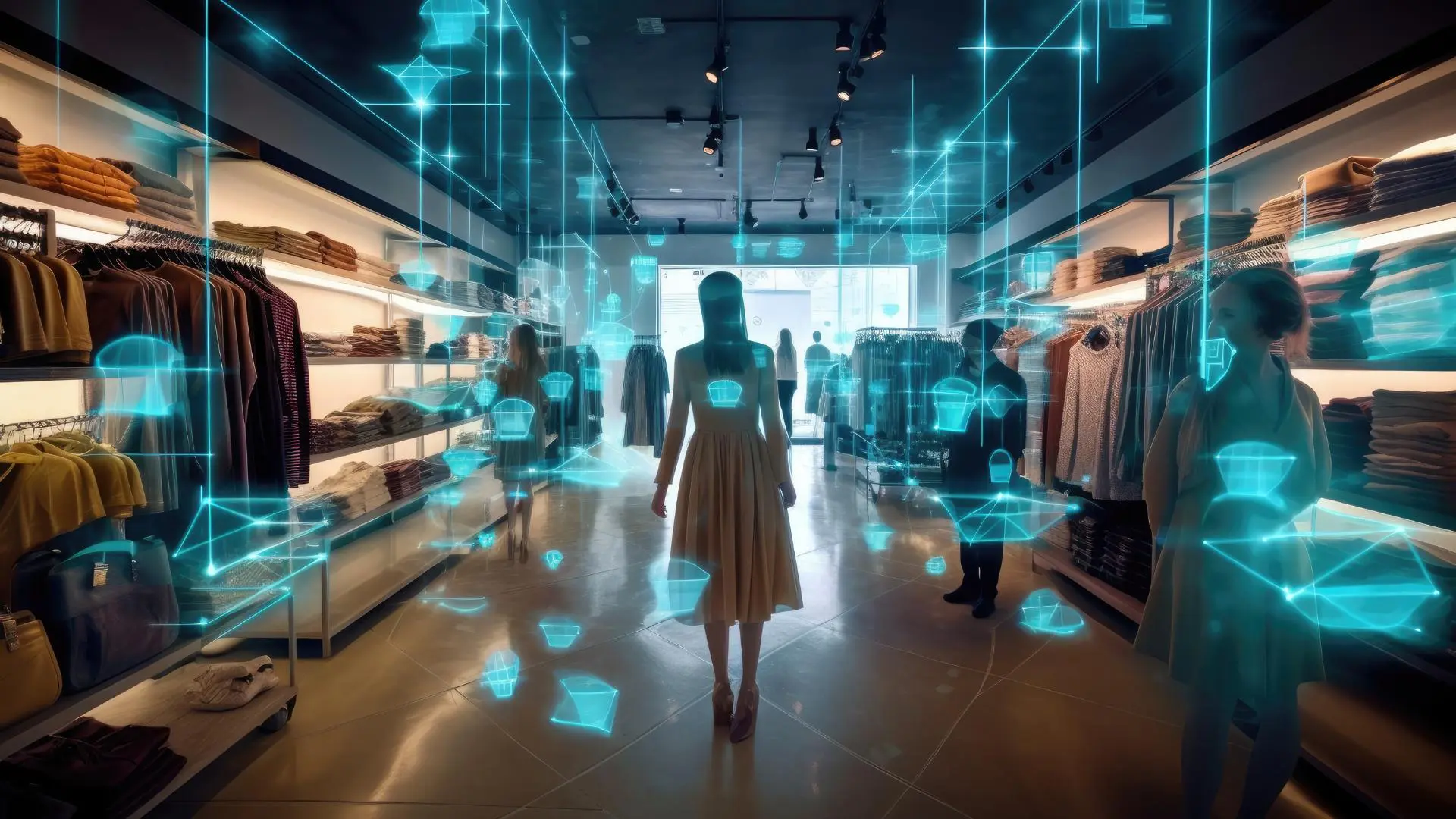
The future of retail is defined by the merging of physical and digital venues into a “phygital” model in which digital shops are immersive, AI-powered entry points for the whole brand journey. By 2026, about 75% of retailers expect AI to be an integral element of their operations.
Recent quarterly earnings highlighted retailers’ woes once more, with news of yet more shop closures. The increasing emphasis on digital and multichannel strategies is paying off. In the age of Amazon, established shops must change to better serve customers and extend digital engagement tactics in order to survive and thrive.
Leaders must commit to digital as a means of engaging customers in a dynamic and rapidly changing market. Some legacy retailers are effectively implementing digital and omnichannel strategies to improve the consumer experience, and they are seeing good business outcomes as a result.
Running a successful retail company now means running a tech company
Retail success is increasingly dependent on a company’s ability to run like a tech operation. Domino’s Pizza CEO has been quoted saying, “We are as much a tech company as we are a pizza company.” This way of thinking has led to innovations like self-driving delivery vehicles and nearly 30 consecutive quarters of positive sales as of last year. This success requires transition to an agile culture, redefined organizational structures, and a workforce with more diversified skills.
Increased concerns over privacy & consumer data
With big data breaches continuing to dominate headlines, concerns over privacy and use of consumer data is on the forefront of many consumer’s minds. In 2018 alone, over 1,200 data breaches occurred in the US, resulting in over 400 million consumer records being exposed. Breaches like these cost a lot— companies average $4.2 million in lost business following a data breach, according to IBM.
Moving forward, retail leaders must take action to protect the sensitive information they have been entrusted with and ensure customers feel secure. In one of our upcoming editions of Run2Digital, we will explore cybersecurity in further detail, and strategies executives can take to effectively do their best to prevent data breaches and protect consumer data in the digital age.
Differentiated retailers will thrive
Retailers with diversified strategies for customer engagement will continue to thrive, while those that continue with a mass shotgun approach will fall behind. The success of TJX family of brands in recent years is a testament to how a differentiation strategy can lead to growth. In fiscal 2019, sales and earnings exceeded company expectations by 6% and 9% respectively.
This can be partially attributed to the company’s commitment to developing an engaging e-commerce platform for its TJMaxx and Marshall’s stores in both the United States and Europe. AEO brands Aerie and American Eagle have seen similar successes in recent years that CEO Jay Schottenstein says is a direct result of the company’s efforts to digitize its operations. Stalwarts that fail to adapt digital strategies and recognize the needs of a changing consumer base will be increasingly left behind.
China is primed to take the lead in retail innovation
According to Forbes, China is set to outpace the United States as the largest retail market later this year, with sales on track to reach $5.6 trillion. Chinese retailers are prepared for this growth, as they have been leading the way for years with experiential and digital innovation. Their success relies heavily on the digital realm, with an emphasis on themes of storytelling, personalization, and the reach of video advertising. US retailers will have to step up their pace of innovation and digitization if they want to remain in, or retake, the lead.
Marketing continues to move from macro to micro
Retail marketing will continue to move further from mass approaches and towards targeted approaches, with emphasis on reaching the right consumer, with the right message, at the right time. Through the use of consumer journey mapping, data analytics, and AI, retailers can develop targeted content and create a more personalized path to purchase.
Next gen e-commerce takes hold
As consumers continue to choose digital channels to interact with retailers, the next generation of e-commerce will take hold. True omnichannel forces will emerge, offering integrated and cohesive experiences to customers through a variety of channels. Mobile shopping will become a preferred channel with click-to-buy options on social media contributing to its growth.
Read Also: Digital Storefront vs. Marketplace: Which Is Right for You?
Voice-enabled shopping will also become more popular in e-commerce. Retailers like Walmart have implemented voice order features for Google Assistant to improve the customer experience and compete with Amazon.
Stores are getting smarter
Retail will continue to move towards smaller format stores as more shopping and buying goes online. Brick-and-mortars will have more digital offerings with a move towards integrated smart stores with digital shelves, automated warehousing, facial recognition, and a new generation of personalized services.
This trend is already seen with innovations like American Eagle’s dressing room tablet communications that provide customers with instant service. Making use of VR and AI will play a role in improving the in-store experience and turning towards more experiential and fun environments.
Digital adaptations will transform supply chain
AI will have a significant impact on supply chain and the in-store experience. Retailers will employ demand forecasting to increase the speed and efficiency of fulfillment and help reduce costs. Supply chains will see the rise of autonomous cars and drone delivery and the use of robotics to handle repetitive tasks. The focus of human capital will shift towards customer service and creating experiential interactions with the customer.
Changes in innovation
Retail innovation will come from different sources and will be brought to market at a faster rate. Niche development will increase through targeted digital approaches on e-commerce platforms. Consumer perception surrounding private labels will continue to become more favorable, and brands will continue their development. Through improving quality and price of the offerings, brands can reposition their private labels from a second option to a destination purchase.
Looking Towards Gen-Z
Retailers need to remember that Gen-Z is the next ‘millennial’ market. Better understanding them and their increasingly digital shopping and purchasing habits can lead to accelerated growth and enhanced profitability. Over 97% of Gen-Z own a smartphone and spend an average of 4 hours per day using it. They are a mobile generation that embodies creativity, passion, and self-expression.
They are influenced by their peers and collectively value health, wellness, social issues, and sustainability. Retailers who will succeed in attracting Gen-Z will use mobile and digital strategies to do things like take a stance on controversial social and environmental issues and provide them with a community they are connected to and feel a part of.
Bottomline
Digital strategies are evolving from a ‘nice-to-have’ to a critical component for all merchants. We are witnessing the birth of a new generation of consumers who have grown up in a digital world, bringing with them changing habits and expectations. Retailers must not only learn about this new category of customers, but also adapt to their wants. Successful merchants will leverage digital technologies to improve both the in-store and online shopping experiences, as well as invest in omnichannel development with a focus on mobile integrated e-commerce.







Comments