
 By
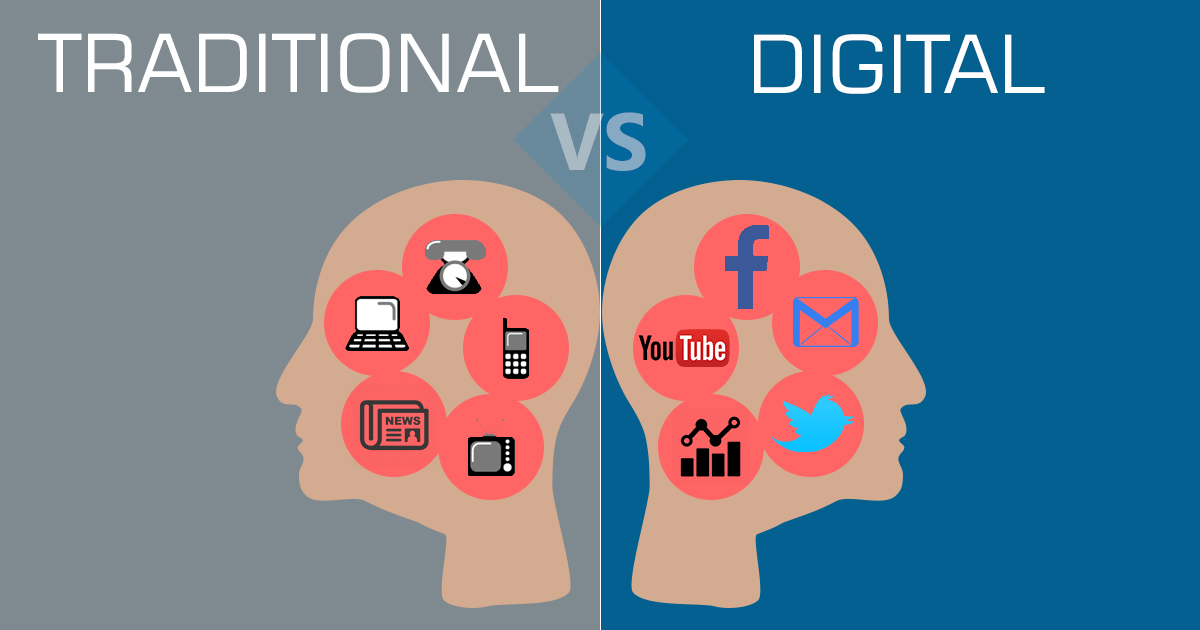
Retail Media Networks (RMNs) differ from traditional advertising in several ways, including the use of first-party transaction data and proximity to the point of sale. While traditional advertisements frequently focus on wide brand recognition, retail advertising is particularly targeted at immediate conversion.
Key Differences Between Retail Media and Traditional Advertising
- Data Source & Precision:
- Traditional: Relies on broad demographic data (age, gender) and inferred interests.
- Retail Media: Utilizes first-party data collected directly by retailers, including actual purchase history and real-time browsing behavior.
- Customer Intent & Context:
- Traditional: Often reaches consumers in a passive state (e.g., watching TV) and can be seen as an interruption.
- Retail Media: Targets consumers when they are in a “shopping mindset” on retail websites, apps, or in-store screens, making ads feel like relevant recommendations.
- Measurement & Attribution:
- Traditional: Uses estimated reach and impressions, making it difficult to link an ad directly to a sale.
- Retail Media: Offers “closed-loop” measurement, allowing brands to track a customer’s journey from seeing an ad directly to a purchase (online or in-store).
- Campaign Optimization:
- Traditional: Static and slow to change; performance data often takes weeks to analyze.
- Retail Media: Provides real-time dashboards for immediate adjustments to targeting, creative, or budget based on actual performance.
- Revenue Model for Retailers:
- Traditional: Retailers are primarily product sellers with narrow margins (often 3-4%).
- Retail Media: Retailers become media publishers, earning high-margin revenue (estimated 70-90%) from selling ad space.
Major Retail Media Networks
Leading platforms that have transformed retailers into media players include:
- Amazon Advertising: The pioneer and current market leader in RMN revenue.
- Walmart Connect: Leverages a massive physical store footprint to bridge online and offline data.
- Target Roundel: Offers a curated media mix using Target’s first-party shopper data.
- Instacart Ads: Focuses on fast-moving consumer goods (FMCG) and immediate delivery intent.
Historically the profit margins in retail tend to be quite slim. Which means that even with billions in sales the profit tends to be in the millions—usually in the 3-4% range. With ad sales, however, the case is usually the opposite. Here the margin usually lies somewhere between 70% and 90%.
Take Walmart’s RMN, for instance. Walmart Connect, as it is called, is now responsible for 12% of the company’s total profits. And it’s not just across the pond that retail media ad spend is growing. The same thing is happening in Europe, where the total retail media ad spend is expected to exceed €20 billion by 2026.
What is Retail Media Advertising?
The term retail media refers to ads placed within a retail network which could include the retailer’s website, customers apps or digital screens in brick-and-mortar stores, to allow brands to promote their products directly through the retailer.
The primary difference between advertising through a retail media network and a more traditional line of advertising such as television, radio or online services, is that retail media advertising is enriched by the first party data collected by the retailer, and that they offer a more direct line towards customers than other media providers, simply because they are exposed closer to the moment of purchase.
Retail Media vs Traditional Media Properties
In essence, retail media is just another media property offer for brands to spend their money. But there are two key differences between retail and traditional media properties, and in both cases retail media comes out ahead, which may be why retail media ad spend is expected to grow to over $150 billion over the course of 2024.
Unlike traditional media properties, retailers have access to the customer’s purchase data, and in a world where cookies are no more, this data becomes a huge asset for brands as retailers use that data to guide advertisers towards a more effective ad spend.
Secondly, most retail media ad types sit on the retailer’s sites, in their apps and in their stores. This means that where traditional media placements such as Google Ads or television ads act as distraction during another activity, retail media advertisements tend to reach customers when they are in a shopping mindset.
Why is Retail Media Taking Over Traditional Media?
Retail media is proving to be more effective than traditional media, primarily because of the context in which brands place their ads to the customers. Precision-targeted advertising allows brands to optimise the placement of their ads based on a multitude of factors, like customer segment and time of the day.
“Instead of bombarding consumers with repetitive ads, retail media engages audiences where and when they’re in a shopping mindset—whether it’s a sponsored product placement a personalised
promotion, or an interactive video woven into the shopping journey,” says Rajesh Verma, General Manager, Middle East at Epsilon, explaining how retail media cuts through the noise because it’s built on real-world shopping behaviour.
“This approach makes ads feel less like interruptions and more like useful recommendations,” he adds. Secondly, third party data has lost value with privacy regulations gaining traction. Consumers are aware of their rights and demand complete transparency. RMNs base their offerings primarily on first party data, which makes them a preferred choice for customers. Further, the data makes for rich insights, enabling personalised campaigns that respect consumer privacy.
“Because it’s powered by first-party data, brands can be confident each outcome is tied to a real, in-market shopper. The result? Greater performance, better optimisation, and a more seamless experience for consumers,” says Verma, commenting on how the first-party data approach is beneficial to both the brand and the customer.
Finally, RMNs have brought much clarity to the challenge of measuring returns on campaigns, something that brands have struggled with, and still do. Due to the ability to track the customer from the point of ad exposure to the moment of purchase, it becomes easier to measure ROI metrics and make attributions. Since retail media can be applied over on-site, off-site and in-store locations, they offer an omnichannel view of the customer as well, by connecting online ad exposure to digital and in-store purchases.
Read Also: How to Build a Winning Digital Marketing Strategy from Scratch
Verma expands on how brands can effectively measure ROI in the retail media space, saying it depends on whether the brand is endemic (selling directly on the retailer’s platform) or non-endemic (advertising without selling there).
For endemic brands, he says, measuring return is relatively straightforward—metrics like ROAS and CPA can be tracked directly through owned assets. However, for non-endemic brands, performance measurement relies on having the right tagging and tracking in place, he adds.
“Alternative solutions are also emerging. For example, location measurement is helping brands understand real-world impact. We’ve conducted studies for automotive clients, allowing them to track showroom visits from consumers exposed to their ads. Instead of relying solely on lead generation, they now have a clearer picture of how their messaging translates into foot traffic and, ultimately, sales,” adds Verma.
CTV and In-Store: Expanding Beyond Traditional Realms
With omnichannel gaining significance, retail media is poised for growth, as it connects on-site, off-site and in-store advertising for optimised results. Experts predict in GoWit’s recent Retail Media trends that off-site advertising is set to witness massive growth in 2025, due to its ability to offer increased visibility and awareness through channels like video and connected TV (CTV). As per research by E-marketer, CTV will generate $8.67 billion in retail media revenue by 2027.
“CTV combines the best of both worlds: the scale of traditional TV with the targeting precision of digital. And when paired with a burgeoning channel like retail media, it becomes even more powerful,” says Verma. For brands looking to maximise reach while keeping messaging relevant, CTV and retail media is where the smart money is headed, he adds.
In-store advertising with retail media is also set to rise in 2025, with Forrester reporting that 72% of retail sales are still occurring in brick-and-mortar stores. As per GoWit’s Retail Media predictions, this growth is fueled by two key drivers: the rapid adoption of digital advertising tools within stores and evolving consumer shopping behaviours. Retailers can club in-store customer data with loyalty programs to offer the best results. Leading brands like Target and Walmart have already set successful examples with their in-store kiosks, digital shelf displays, etc.
How Non-Retail Brands can Tap Retail Media Networks
With fast advancements in the ad industry, retail media networks have opened up for non-retail brands as well. With the right partners, businesses outside of retail can also leverage the potential of retail media. There are a number of partners and resources available for brands lacking the internal capabilities to manage retail media effectively.
Non-retail brands, says Verma, should start by identifying the right retail media networks that align with their target audience and business goals. The key is audience relevance—focusing on networks with access to consumer segments that match your brand’s profile. He emphasises prioritising retailers with strong first-party data in adjacent categories, even if they don’t directly sell your products, as they can offer more refined prospecting capabilities.
“Once you’ve shortlisted some retail media networks, begin with a test campaign. Start small, measure performance, and refine your approach before scaling up investment. This ensures your strategy is optimised for effectiveness from the outset. Then with time, you can explore more avenues, like collaborating with endemic brands for cross-promotions,” adds Verma.
How to Get Started Building a Retail Media Network
With the benefits of retail media, you may be thinking what it would take to establish your own retail media network. And to be honest, it doesn’t take much. However, creating an effective retail media network might be tough.
To assist you, we’ve compiled a list of things to bear in mind during the early stages of your retail media journey.
1. Start small, then scale
Looking at the different offerings other RMNs have may leave you thinking that you should include everything from day one as well, but this is likely one of the quickest ways to set up your retail media network for failure.
Instead, focus on what you already do well as a retailer.
Do you have a strong organic traffic to your website? Start with targeted banners or in-purchase suggestions.
Do you have a strong social media presence? Offer promotions as organic or paid posts to help boost brand awareness for your partners.
Or maybe you have a weaker online presence but a high number of stores spread out over the country? Then you could look into digital screens and in-store ad placements.
Once you’ve launched your first offering and are seeing interest from partner brands and results from their campaigns you can expand your offering. Either in collaboration with the brands, by reacting to what they want from you, or by going down the list of channels where your specific retail-chain is strong.
2. Technology and clean data is the key to success
While you’re probably not new to keeping your customer data clean, launching a media-agency, which is essentially what you are doing with a retail media network, requires a different kind of data.
You need to be aware of how many views, clicks, sales or sign-ups your advertisements are generating. Not only do you need this information for yourself, when you are pitching your retail media product to potential brand partners, the brands who subscribe to your retail media network also need this data to justify their retail media spend internally.
Now, this may not seem like a first priority when you launch your RMN, but a year or two down the line, you are going to be kicking yourself if your data cleanliness wasn’t established on day one.
3. Collaborate with the right partners
This is a tricky subject. Choosing which brands to allow onto your media space is actually a pretty big deal, especially if your specific brand of retail is a niche, such as beauty, fashion, health, DIY, home decor or something else.
There are two reasons this matters.
First off, it’s got to do with the consumer. If your webshop, in-store screens or social media presence is suddenly flooded with irrelevant product suggestions, it will ruin the buying experience and could end up hurting your bottom line of the retail side of your business.
Secondly, brands in niche spaces such as beauty are usually very concerned with how their brand is perceived. They want their retail media ads to appear not just in the right place, but also surrounded by the right competitors and not just any and every product.
So, while the quicker route to get more brands to take advantage of your retail media network may seem to be allowing any brand with money to advertise, this may not be the best route for your RMN in the long run.




Comments