
 By

Developing a successful retail media strategy from the ground up necessitates going beyond merely purchasing advertising space in favor of an organized strategy that uses first-party data to drive, measure, and defend performance. In order to reach high-intent customers, an effective strategy combines onsite (search/display), offsite (display/video), and in-store activations that are customized by accurate audience segmentation.
Retail media is now a core part of the marketing playbook. But while interest is sky-high, many brands are still figuring out how to approach this complex, fast-moving channel. Whether you’re just getting started or looking to scale existing investments, this guide outlines the key components of an effective retail media strategy, using the UK market as an example.
Step one: Define your objectives clearly
As with any media strategy, start by clarifying what you want to achieve. Retail media can deliver across the funnel, but you need to decide where to focus:
- Awareness and brand-building
- Conversion and sales uplift
- Product trial and sampling
- Loyalty and retention
Use these objectives to guide budget allocation and channel mix — for example, allocating more spend to offsite CTV for awareness or to onsite search for conversion.
Step two: Choose the right retail media networks
Not all RMNs are the same. Choosing the right ones will depend on your audience, category, and retail footprint. In the UK, strong players include:
- Tesco Media & Insight (FMCG and mass retail)
- Nectar360 (Sainsbury’s, Argos, Habitat)
- Boots Media Group (health and beauty)
- Amazon Ads UK (broad reach, especially for ecommerce brands)
- Currys, Ocado, Very Group, and ASOS for more specialised verticals
Map your customers’ shopping habits to RMN audiences, and don’t forget to consider emerging platforms and clean room-enabled collaboration.
Step three: Activate across the funnel
Retail media is no longer just about conversion. Make use of the full range of capabilities:
- Onsite sponsored products: To drive last-mile conversions
- Offsite display and programmatic: For retargeting and reach extension
- CTV and video: To build awareness and consideration
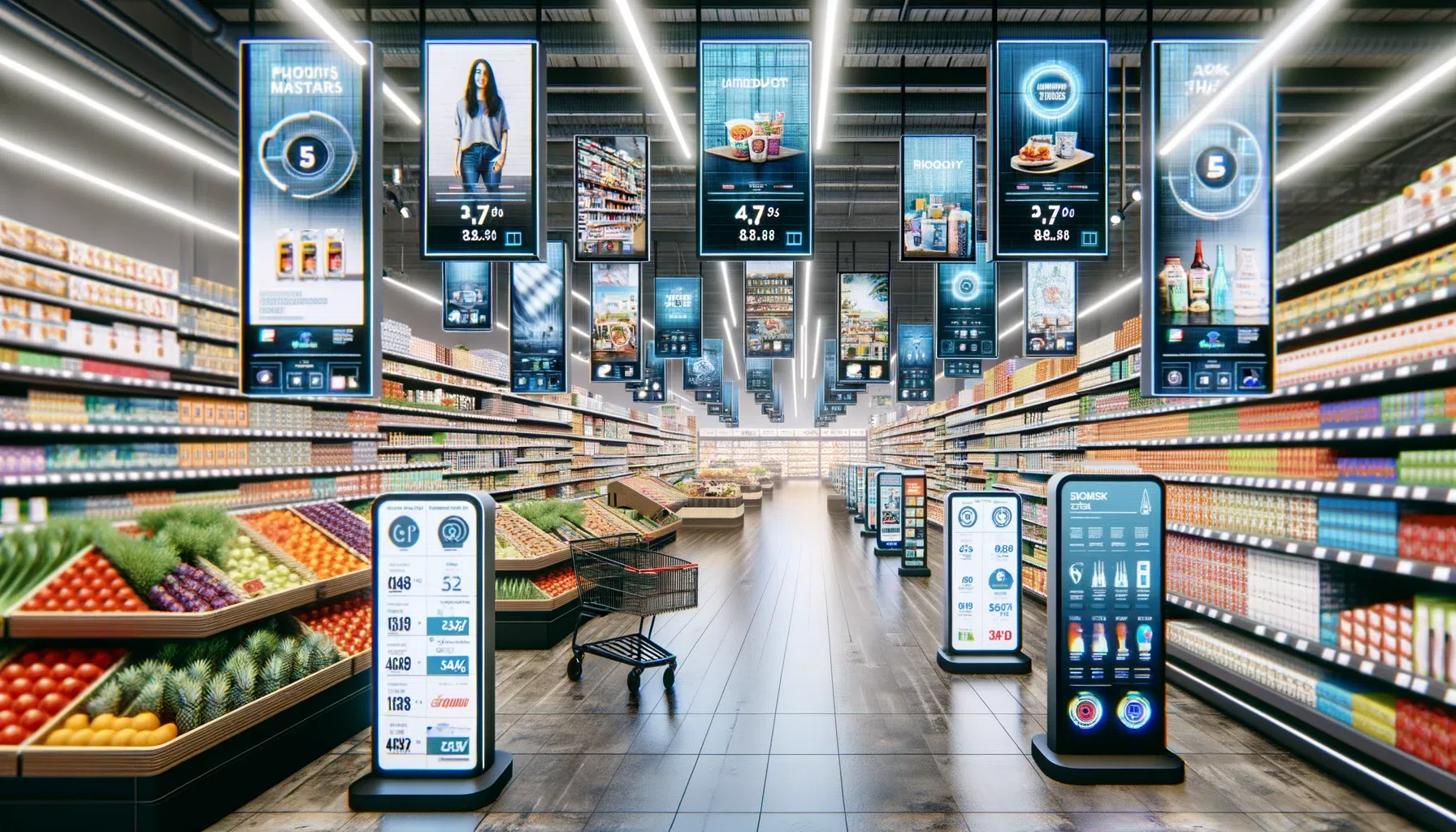
- In-store screens and audio: For real-world impact at the point of sale
Link these tactics back to your original objectives and campaign KPIs.
Step four: Build strong retailer relationships
Treat RMNs as strategic partners, not just inventory providers. Share your objectives, creative assets, and measurement needs early. Work with retailer teams to understand their priorities, innovation pipelines, and upcoming promotional windows.
Where possible, collaborate on joint business plans (JBPs) and participate in test-and-learn pilots — particularly in emerging areas like shoppable video, self-serve tools, or omnichannel campaign orchestration.
Step five: Align internally across functions
Retail media touches multiple parts of your organisation: trade marketing, ecommerce, brand, media, analytics, and sales. Build internal alignment by:
- Defining clear roles and responsibilities
- Sharing learnings and KPIs cross-functionally
- Using retail media performance to inform broader media and product strategies
Getting everyone on the same page will help drive efficiency and consistency.
Step six: Focus on measurement from day one
Measurement is one of retail media’s strengths — but it’s also a common challenge. Start by agreeing on core KPIs:
- Return on ad spend (ROAS)
- Incremental sales
- New-to-brand metrics
- In-store vs. online attribution
Use closed-loop measurement wherever available. Ask RMNs for transparency on methodology and consider using third-party partners or clean rooms for independent validation.
Step seven: Test, learn, optimise
The retail media space is still developing, which makes it a rich environment for experimentation. Run A/B tests on:
- Creative formats
- Ad placement and timing
- Targeting segments
- Channel combinations (onsite vs. offsite)
Document learnings and feed them into future planning cycles. Share success stories internally and with retailer partners to help scale what works.
Step eight: Prepare to scale
Once you’ve established a strong foundation, plan for scale:
- Expand to additional RMNs based on audience overlap
- Shift from manual to automated/self-serve buying where available
- Formalise governance and performance tracking processes
- Consider multi-retailer campaign planning and omnichannel integration
Agencies and tech platforms can be useful allies here, especially for complex execution and optimisation across networks.
3 Foundations of a Great Retail Media Strategy
Before launching any retail media program, you need a solid foundation. These three pillars will help you build a strategy that scales, delivers value to partners, and proves performance across digital and in-store advertising.
1. Business case development
Start by understanding the monetization potential already within your reach. Look at the traffic across your e-commerce site, app, and physical stores. Then consider which brands would pay to reach those shoppers and in what formats.
Read Also: Understanding the Tech Stack Behind Retail Media Networks
You need to define your retail media offerings clearly, not just offer ad placements. Will you start with sponsored search, email banners, homepage takeovers, or in-store digital signage?
Identify campaign types, estimate ad inventory value, and outline how your retail media monetization model contributes to EBIT.
When you can clearly show revenue potential, things move quickly.
2. Tech enablement
To run successful campaigns, you need the right tech stack. That includes tools for activating first-party data, segmenting audiences, automating campaign delivery, and tracking performance.
This is where Voyado comes in. With loyalty, segmentation, campaign management, and real-time data activation in one solution, Voyado supports personalized advertising across email, SMS, app, and more.
You are not just adding tools. You are enabling retail media management that actually delivers results.
3. Demand creation
Technology alone is not enough. You also need people across your organization and ecosystem who support the vision.
Start with internal alignment. Securing C-level sponsorship helps unlock resources, bring teams together, and connect marketing, CRM, and trade planning functions.
Externally, your media partners and suppliers must understand the value of advertising on your platform. Build strong relationships, educate them on the benefits, and share early results.
Start small, build momentum, and scale from there.
Key Retail Media KPIs to Measure
Retail media is a performance-driven channel. Success depends on measuring the right outcomes. Tracking clear KPIs helps you understand what is working, improve your media offerings, and demonstrate value to internal stakeholders and brand partners.
Here are the metrics that matter most:
1. ROAS (Return on Ad Spend)
This is your primary performance indicator. ROAS tells you how much revenue each campaign generates per dollar spent. A high ROAS shows that your retail media advertising is efficient and effective.
2. Incremental revenue from sponsored media
Look beyond baseline sales and measure the additional revenue directly attributed to your retail media campaigns. This helps you isolate their true impact across different formats, including sponsored products and promoted listings.
3. Engagement by customer segment
Evaluate how different audiences respond to media campaigns. Are loyalty members clicking more often? Are new customers converting faster? Segment-level insights are critical for targeting and personalization.
4. Brand partner ROI
If your media program includes external brand sponsors, their success matters too. Track performance by brand and share campaign results such as impressions, clicks, conversions, and sales to strengthen relationships and encourage repeat ad placements.
5. AOV lift (Average Order Value)
Measure how campaigns influence basket size. A higher AOV can indicate that shoppers are responding to cross-sell recommendations, personalized offers, or premium placements on the digital shelf.
6. Repeat purchase behavior
Retail media should drive long-term value. Track whether media-exposed customers return, join your loyalty program, or make additional purchases. This shows how advertising efforts translate into retention.
These KPIs help support retail media optimization by providing a complete view of performance across ad formats, digital signage, media channels, and in-store advertising.
Finally
Retail media represents a powerful opportunity to connect media and commerce — but only if approached strategically. Brands that succeed will treat it not as a siloed tactic, but as a fully integrated channel within the wider marketing ecosystem.
With clear goals, the right partners, and a test-and-learn mindset, retail media can become one of your most effective, accountable tools for growth.





Comments