
 By
Brands need to go beyond “set-it-and-forget-it” strategies in order to optimize return on investment (ROI) on Retail Media Networks (RMNs). They may do this by utilizing first-party data for accurate targeting, integrating reporting across platforms, and coordinating advertising with inventory availability. Optimizing ad creative (e.g., incorporating video), reviewing media efficiency to reduce low-performing placements, and encouraging cooperation between the marketing and sales departments are important tactics.
Strategies for Maximizing RMN ROI
- Leverage First-Party Data for Precision: Utilize the retailer’s shopper data to target high-intent customers rather than broad audiences, ensuring ads reach users most likely to convert.
- Audit Media Efficiency Frequently: Analyze each platform for ad spend vs. attributed sales, conversion rates, and Cost Per Click (CPC) trends. Reallocate budget away from low-performing tactics to high-converting SKUs or search terms.
- Adopt Conversion-Optimized Creative: Replace static images with engaging, education-based storytelling or video, which often outperforms standard ad formats at the point of purchase.
- Integrate Inventory and Media (Supply Chain Alignment): Coordinate advertising efforts with inventory levels to avoid spending money on promoting out-of-stock items, ensuring ad spend drives immediate profitability.
- Use Unified Measurement Tools: Use third-party tools (e.g., Profitero, Flywheel, Skai) to aggregate reporting across different RMNs, providing a holistic view of performance and true sales lift.
- Align Marketing and Trade Teams: Break down silos between sales and marketing to create shared KPIs (like customer acquisition or total sales lift), preventing disjointed campaigns and maximizing overall impact.
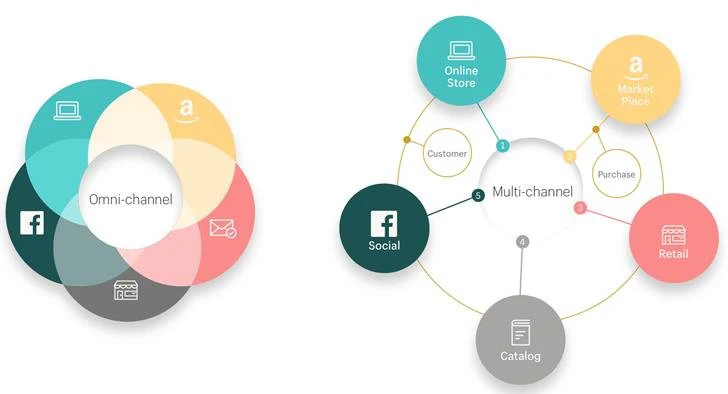
- Implement Omnichannel Campaigns: Combine in-store, e-commerce, and social media advertising to create a seamless experience that touches shoppers at multiple points.
Maximising Retail Media ROI
Here are five best practices that help retailers turn their in-store displays, shelf-edge messaging, and promotions into high-impact, revenue-driving assets.
1. Use Real-Time, Data-Driven Content
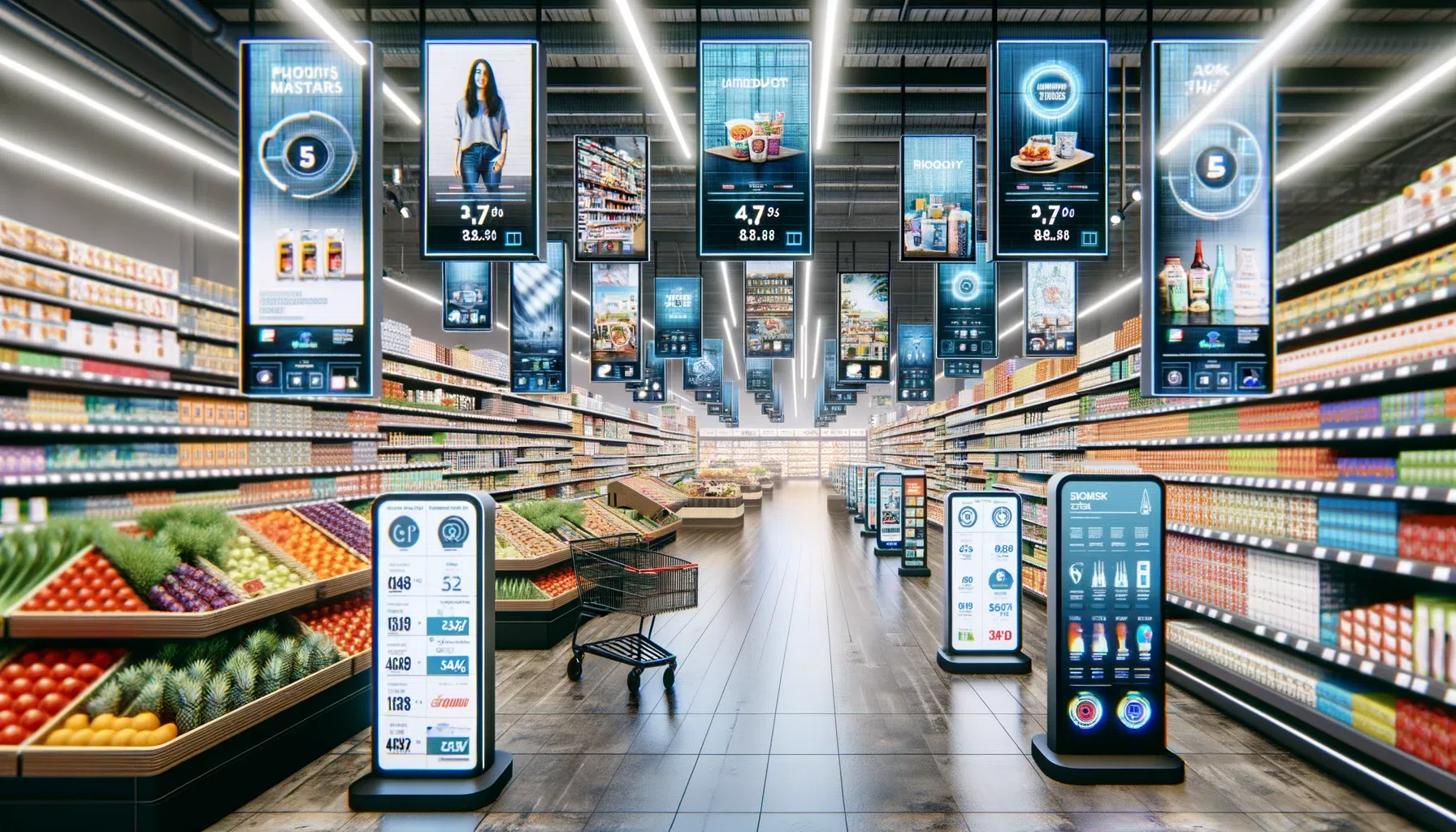
In-store media works best when it reflects what’s happening at the shelf. Static signage is no longer enough.
By connecting live data—from inventory levels to pricing and shopper behaviour—you can make your screens and shelf labels dynamic, timely, and more persuasive.
Think about:
- Triggering urgency with “Only 3 left!” tags
- Showing live price drops as promotions activate
- Highlighting overstocked products automatically on in-store screens
Real-time content bridges the gap between the campaign plan and the moment of purchase.
2. Localize and Personalize at Scale
No two stores are the same—so your content shouldn’t be either. Tailoring messaging to store demographics, regional preferences, and loyalty behaviors can dramatically boost engagement and conversion rates.
Simple localization ideas include:
- Featuring products that resonate with local communities
- Customizing messaging by time of day or local events
- Personalizing checkout screens with loyalty member greetings
Even small personal touches, scaled correctly, make your brand feel closer and more relevant to shoppers.
3. Sync Promotions with In-Store Media
Your promotions and in-store media need to tell the same story. When your screens, ESLs, and printed signage are all aligned with your promotional calendar, you create consistency that reinforces shopper confidence—and moves more product.
To achieve this:
- Sync rollouts across all formats
- Use dynamic templates that adapt to shelf, screen, and print needs
- Update content to match live promotional windows
Consistency isn’t just about aesthetics—it drives trust, recall, and conversion.
4. Automate Execution to Drive Compliance
The best campaign plans still fail if stores can’t execute quickly and accurately. Automation tools play a critical role by simplifying rollouts, enforcing brand standards, and providing real-time visibility across every store.
Read Also: Building a Winning Retail Media Strategy From Scratch
Look for systems that:
- Push updates seamlessly to print, ESLs, and screens
- Offer HQ dashboards to track what’s live (and where)
- Alert teams when signage is missing or out of compliance
Simplified execution doesn’t just reduce errors—it builds shopper trust and keeps supplier partnerships strong.
5. Measure, Test, and Iterate
In-store retail media deserves the same measurement rigor as digital advertising.
Data-driven optimization helps you improve messaging, timing, and product placements—turning media from static displays into strategic growth channels.
Smart ways to start measuring:
- Run A/B tests (e.g., price-driven vs brand-driven screen content)
- Track sales uplift tied to specific campaigns
- Gather insights from shopper behavior and staff feedback
Continuous improvement means better campaigns, stronger store execution, and higher ROI over time.
Why is Retail Media Important?
Retail media can help brands advertise in places where consumers are already spending their time. As mentioned earlier, retail media refers to the ads actually placed on a retailer’s media network. Brands purchase these ads across these digital channels to help customers discover and learn about them as they shop.
Think of retail media like a “digital shelf.” It can help brands further increase their visibility to shoppers, much like how in-aisle specials, promos, and deals can stand out to shoppers in physical stores.
Additionally, when brands advertise on a retailer’s website or app, the ads can feel more relevant to consumers who are browsing online. And when shoppers engage with a brand’s retail media or purchase their products from an online store, the third-party brand has an opportunity to receive first-party insights that can help them better understand their audiences’ shopping patterns. This information can help brands tailor their products and messaging to better serve shoppers.
As the advertising industry evolves, access to first-party insights is becoming more important for brands. Marketers are seeing how retail media networks can help them better plan, make more informed media buying decisions, and implement more strategic campaigns.
Nearly two-thirds of consumer packaged goods (CPG) marketers plan to increase their retail media spending, recognizing the value of first-party insights for understanding customer behavior and tailoring advertising experiences. Advertisers across other categories are also investing in retail media networks—about three in five financial services advertisers (61%) report using retail media platforms, with more than half planning to spend more this year.
This combination of relevance, timing, and actionable insights makes retail media uniquely powerful for marketing effectiveness.





Comments