
 By

Backend as a Service (BaaS) companies handle data breaches using complete incident response strategies that include containment, assessment, notification, and prevention.
Immediate Response and Containment
When a data breach is detected, the BaaS provider’s first priority is to prevent further data loss and secure affected systems.
- Mobilize Incident Response Team: A dedicated team (including forensics, legal, security, and communications experts) is activated to manage the situation.
- Isolate Affected Systems: The provider immediately takes compromised equipment or network segments offline to stop the breach from spreading laterally.
- Secure Credentials: All compromised or potentially compromised user and system credentials (passwords, API keys, etc.) are updated and rotated immediately.
- Preserve Evidence: Forensic experts are engaged to analyze the incident, identify the root cause, and preserve all digital evidence without altering it.
Assessment and Remediation
Following containment, the provider assesses the scope of the breach and implements fixes to restore security.
- Scope Assessment: The provider determines what data was accessed, which individuals were affected, and how the breach occurred.
- Vulnerability Patching: The underlying vulnerabilities that led to the breach are identified and patched to prevent recurrence. BaaS providers generally handle patches and updates automatically as part of their service.
- Restore Services: Systems are restored from secure, clean, and encrypted backups to resume normal operations as quickly as possible.
Notification and Communication
BaaS providers have legal and ethical obligations to notify affected parties transparently.
- Notify Customers/Users: The provider informs affected individuals about the breach, the type of information exposed, and steps they can take to protect themselves (e.g., monitoring credit reports or changing passwords).
- Notify Regulators: Depending on the regulations that apply (e.g., GDPR, HIPAA, CCPA), the BaaS provider may be required to notify relevant government bodies or data protection authorities.
- Consult Law Enforcement: The provider may coordinate with local or federal law enforcement agencies (like the FBI) to aid in the investigation.
Post-Breach Review and Prevention
The final step involves a thorough review to learn from the incident and improve future security.
- Root Cause Analysis: The provider performs a deep analysis to understand exactly what went wrong and how existing security measures failed.
- Security Enhancements: Lessons learned are used to refine security policies, implement additional defensive layers (e.g., better access controls, enhanced encryption methods), and update employee training programs.
- Regular Testing: Response plans and systems are regularly tested and audited to ensure preparedness for future threats.
Ultimately, while the BaaS provider manages the infrastructure-level response, the client business shares responsibility for secure configuration and application-level security, as per the shared responsibility model.
Data management is the practice of gathering, storing, and managing data efficiently. It covers the entire lifecycle of data, from creation to disposal.
Data is an essential component of software, containing sensitive and valuable information. Over the previous few decades, application infrastructure and database patterns have evolved dramatically. A modern backend developer deals with significantly more complex data management systems such as user information, access control, authentication, and data integrity, all of which must be protected against attackers because they are the most vulnerable.
Data Security Challenges in Data Management
The reality of managing a software data system is the amount of sensitive data you have to work with. This data could contain personal information, identities, or credentials of users. As a result, this data is a common target for cyberattacks.
You are to ensure that your data is protected, prevent unauthorized access or modification to this data, and grant easy access to this data for users when requested.
These are some of the security challenges in data management. Let’s discuss these challenges and how we can fix them using the best modern practices.
When a website collects personal information from users, such as credit card credentials, location, identity, etc., users want to be assured that their information is safe and will not be breached someday. This assurance is what data management entails: confidentiality! Confidentiality is a core principle of data security.
Imagine a user tries to access their account, and the login credentials show, “You cannot log in; the password has changed.” I would also dread this. The integrity of user data has been tampered with. Data integrity involves the protection of data from unauthorized modification or removal. Data integrity is also a principle of data security.
Data management guarantees the availability of user data when requested. When the data is requested, availability requires that information systems function effectively and be accessible when needed. For example, your admin database must be available to access your financial records.
There are other challenges in data management. However, we will limit ourselves to these common challenges. Having looked into the challenges, let’s dive into the best modern practices to address them.
Data Security Best Practices for BaaS
Here are some best practices for improving your software data security:
Use separate servers and storage
Storing your data on the same server as your website exposes it to a variety of attacks specifically designed to target the database. Suppose you have an e-commerce store that stores both sensitive and non-sensitive data on a single server. You may probably be using a hosting service for your site. However, the security measures provided by this hosting service do not protect your sensitive data from attacks. Any attack on your site gives the attacker access to your sensitive data.
Most big cloud computing providers distribute your deployments geographically. You can operate an instance of your application on both the west and east coasts of the United States or another region. You may have numerous instances at the same location. The idea is that if one instance fails, another will be available to fulfill requests. Your service will still be connected even if a data center is unavailable. With this, the availability of your service is assured.
Modern databases like PostgresSQL and MongoDB have good support for server and storage separation.
Use database encryption protocols
One of the best security measures for databases is encryption. Encrypting data guarantees that it is inaccessible to anybody who does not have access to the encryption key, whether it is at rest or in transit. For example, information stored in Google Cloud Storage is secured at rest. They allow you to provide the encryption keys to offer you more confidence and make it easier to convert encrypted data from other places to Cloud Storage. Take advantage of encryption if your cloud provider offers it. Encrypting data is critical not solely for keeping trade secrets safe but also for transferring and storing sensitive user data. You can also encrypt all connections to give an extra degree of protection to any piece of data you transfer.
Use a strong authentication system
According to the latest study from Verizon, stolen passwords are responsible for 80% of data breaches. It demonstrates that passwords are not a sufficient security mechanism on their own. Imagine a data breach in your database due to a stolen password. This breach will result in a loss of confidentiality because users are not assured that their data is safe with you. The modern practice would be to adopt a system with several authentication processes. Your users can log in with Google if they prefer to manage their passwords using that method.
Read Also: Is BaaS Secure? A Look at Data Protection and Encryption
Better still, a multi-factor or two-factor authentication (2FA) into your system is a useful tool for protecting sensitive data from unauthorized access. You can use a combination of user authentication methods, such as biometrics, SMS/text messaging, emails, and security questions, for the most secure user sign-ins. Extra layers of protection, such as text verification, email verification, or time-based security codes, are also recommended.
Regularly checking your database for attempted breaches strengthens your security and helps you respond quickly to possible threats. Keep an eye on database activity and keep track of log activities. The actions that your users take on your server should be logged.
For example, where a modification has been made on Google Docs, the server records the modification and the person who made it. By monitoring the logs, you can tell if a document modification is by an authorized user. There are modern security solutions that automatically keep you up to date on logs. These security solutions use machine learning to respond to different threats and can be deployed as a service or through a Managed Service Provider (MSP) such as SIEM Software.
Creating a data backup is one of the practices for data security. Backing up data has gained a lot of relevance in recent years. The goal of data backup is to have a secure copy in case the original data is lost or corrupted. You can reduce the risk of a data breach by making an exact copy of your data and storing it in a safe location that can only be accessed by authorized administrators.
Imagine a situation where your data is compromised by an attacker, accidentally erased by a user, or lost due to hardware failure. Only if the cloud-based data backup plan is implemented on time will we be able to restore data without losing a single piece of information.
One modern way to back up your data is by using cloud storage. A good cloud storage service, like Google Drive or Dropbox, has a file management system for easier access and strong encryption to keep your data safe from third parties.
Enable anti-virus and firewall protection
Firewalls stand as a defense against data attacks. Attackers can gain access to your data through viruses, trojans, spyware, spam messages, etc. Your system will be able to defend itself against these attacks with the help of anti-virus software and firewalls. You must ensure that your firewall or software is up to date and that it detects and blocks cyber threats before they occur.
There are modern anti-virus and firewall software such as Norton, McAfee, NGFW, NAT firewalls, etc. Ensure that your firewall is regularly updated and prevents such cyber threats before they occur.
According to Statista, there have been over 18 million data breaches in 2022, and about 72 percent of these attackers are on the database, with an estimation of each data breach costing $3.38 million on average. In this regard, data security is an essential action you must take to protect the data of users from hackers to prevent financial losses. While building a modern backend system, you should consider these practices.
In addition, ensure you report failures to your users in time so they can take the necessary steps to better safeguard themselves. In addition to these, there are several other practices you can employ. Continue exploring new ways to make your systems more secure.
Best Practices for Ensuring Data Security and Scalability in Backend Systems
Government services are increasingly reliant on backend systems that handle extremely sensitive citizen data like social security numbers, medical records, financial data, and personally identifiable information (PII). Ensuring strong data security while growing these backend systems to serve millions effectively is important to preserving public trust and achieving strict legal standards.
The following are the best practices for optimizing data security and scalability in government backend systems.
1. Understand and Comply with Legal and Regulatory Frameworks
- Data Protection Laws: Architect your backend systems to align with data protection regulations like GDPR (EU), CCPA (California), HIPAA (US healthcare), and local privacy laws governing PII.
- Government Security Standards: Integrate compliance with standards such as FISMA, FedRAMP, NIST Cybersecurity Framework, and ISO 27001 to enforce consistent security postures.
- Data Sovereignty: Ensure data residency aligns with legal mandates by using region-specific cloud zones or on-premises solutions to keep sensitive citizen data within prescribed geographic boundaries.
Implement automated compliance auditing and continuous monitoring tools to validate adherence throughout system operation.
2. Architect for Defense in Depth with Layered Security Controls
- Network Security: Deploy segmented Virtual Private Clouds (VPCs), private subnets, next-generation firewalls, and VPNs to isolate backend infrastructure securely.
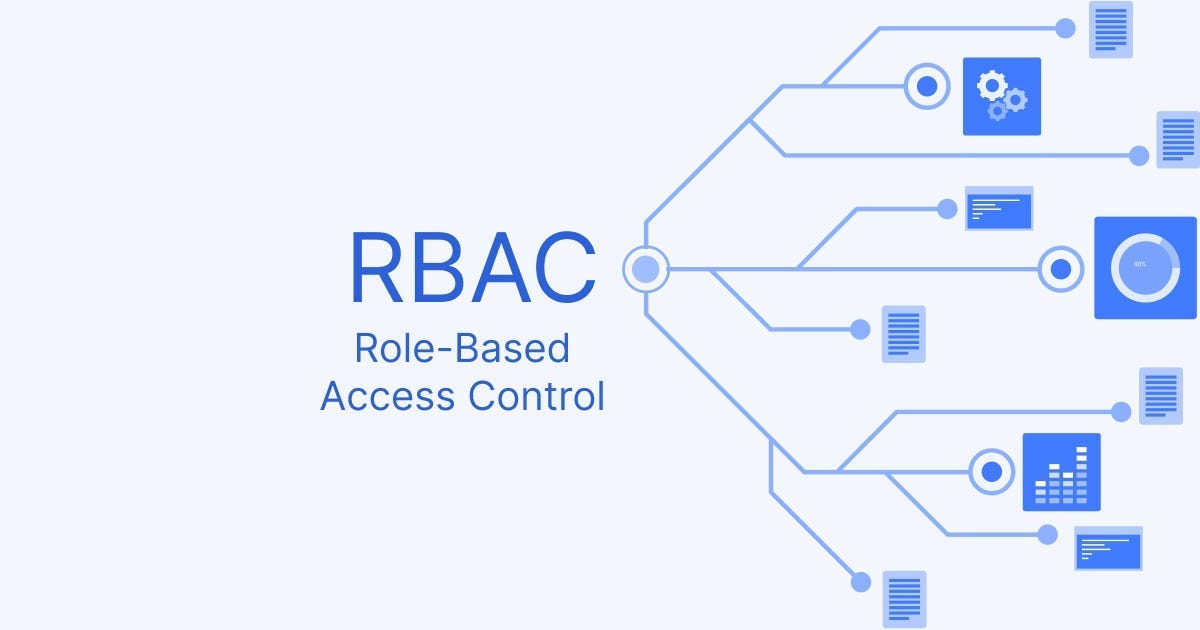
- Identity and Access Management (IAM): Enforce least privilege access using Role-Based Access Control (RBAC) or Attribute-Based Access Control (ABAC) combined with Multi-Factor Authentication (MFA).
- Encryption: Implement AES-256 or higher for data at rest and TLS 1.2+ for data in transit to secure communication channels. Regularly audit encryption configurations.
- Endpoint Security: Ensure hardened, patched servers with intrusion prevention agents and vulnerability scanning.
- Application Security: Enforce secure coding standards, conduct regular static and dynamic application security testing (SAST/DAST), and protect against injection attacks, CSRF, and XSS.
- Monitoring and Logging: Leverage continuous monitoring, anomaly detection, and Intelligent Threat Detection systems to pinpoint suspicious activities early.
Layered defenses ensure attackers face multiple hurdles, reducing breach probabilities and impact.
3. Implement Strong Authentication and Authorization Mechanisms
- Multi-Factor Authentication (MFA): Require MFA universally, preferably via hardware tokens or authenticators.
- Single Sign-On (SSO): Integrate with government identity providers to streamline secure citizen and administrator access.
- Fine-Grained Authorization: Use dynamic ABAC policies factoring in user attributes, access context, and device state.
- Just-In-Time (JIT) Access: Limit elevated privileges duration to minimize exposure windows.
- Comprehensive Audit Trails: Log every access and modification with immutable, time-stamped records suitable for forensic and compliance audits.
4. Practice Data Minimization, Anonymization, and Retention Controls
- Collect only essential citizen data needed for service delivery.
- Apply anonymization or pseudonymization techniques for processing workflows that do not require full PII.
- Utilize data masking in development and testing environments to prevent accidental exposure.
- Enforce strict automated data retention and secure disposal policies compliant with regulatory mandates.
Reducing data footprint limits potential breach impact and aligns with privacy-by-design principles.
5. Integrate Security into the Software Development Lifecycle (SDLC)
- Automate static and dynamic code analysis using tools like SonarQube or Veracode.
- Conduct periodic penetration testing and vulnerability assessments simulating real-world cyberattacks.
- Manage dependencies actively with tools such as Dependabot to detect vulnerable libraries.
- Implement DevSecOps pipelines embedding security tests to catch issues before deployment.
- Consider bug bounty programs to leverage external security expertise.
Embedding security throughout development mitigates risks early and reduces remediation costs later.
6. Deploy Robust Identity Verification and Fraud Detection Systems
- Use biometric verification methods (fingerprint, facial recognition) integrated with authorized government identity databases.
- Enforce Know Your Customer (KYC) protocols rigorously during citizen onboarding.
- Employ AI-driven fraud detection to flag abnormal or suspicious behaviors proactively.
7. Design Scalable Architecture Without Compromising Security
- Microservices Architecture: Enable independent scaling of service components for flexible resource allocation.
- Load Balancing: Implement intelligent load balancers with anomaly detection capabilities.
- Horizontally Scalable Databases: Utilize sharding and distributed databases (e.g., CockroachDB or Google Spanner) for high throughput.
- Caching Layers: Use encrypted caching with strict access controls and automatic invalidation to optimize response times.
- Auto-Scaling: Leverage cloud-native autoscaling capabilities (AWS Auto Scaling, Azure Scale Sets) to handle peak demands.
- Rate Limiting and Throttling: Protect APIs and services from abuse or denial-of-service attacks by limiting requests per user/IP.
Ensure scaling mechanisms preserve security policies and data integrity.
8. Enforce Advanced Encryption and Key Management Practices
- Apply End-to-End Encryption (E2EE) for sensitive data from collection to backend storage.
- Use Hardware Security Modules (HSMs) or Trusted Platform Modules (TPMs) to safeguard cryptographic keys.
- Automate key rotation schedules and immediately rotate keys post-security incidents.
- Restrict and audit access rigorously to encryption keys.
- Store encrypted backups across multiple secure locations conforming to disaster recovery protocols.
9. Implement Comprehensive Security Monitoring and Incident Response
- Centralize logs with platforms like Splunk or Elastic Stack for real-time oversight.
- Deploy Security Information and Event Management (SIEM) solutions to correlate alerts and uncover threats.
- Use Intrusion Detection and Prevention Systems (IDPS) to block malicious activities.
- Incorporate User Behavior Analytics (UBA) leveraging machine learning for anomaly detection.
- Prepare and regularly test Incident Response (IR) playbooks and Disaster Recovery (DR) plans.
Prompt detection and response reduce breach scope and recovery time.
10. Guarantee Data Integrity and Auditability
- Use cryptographic hash functions (SHA-256 or stronger) to verify data consistency.
- Maintain immutable audit logs stored in append-only data stores or blockchain-based ledgers.
- Enable authorized auditors and compliance officers secure, read-only access for transparency.
- Implement tamper-evident logging solutions to detect unauthorized modifications.
11. Adopt a Zero Trust Security Model
- Trust no user, device, or network segment by default.
- Require continuous authentication, authorization, and device trust validation.
- Segment internal networks to confine lateral attacker movement.
- Inspect and log all internal traffic for anomalies.
Zero Trust architecture significantly mitigates insider threats and advanced attacks.
12. Select Proven Technology Stack and Infrastructure with Security-First Approach
- Opt for mature frameworks and platforms with extensive security track records.
- Use container orchestration platforms (e.g., Kubernetes) configured with strict Pod Security Policies and Network Policies.
- Choose cloud providers offering compliance certifications (FedRAMP, SOC 2) and advanced cybersecurity offerings.
- Employ Infrastructure as Code (IaC) tools like Terraform to enable auditable, consistent deployments.
- Pick databases with built-in encryption, auditing, and resilience.
Keep all software updated with security patches to defend against evolving threats.
13. Continuously Educate and Train All Personnel
- Provide mandatory, role-specific security awareness training focusing on social engineering, phishing, and data handling best practices.
- Conduct regular simulated phishing campaigns and drills.
- Foster a security-first culture encouraging timely issue reporting and accountability.
- Update training curricula in line with emerging threats and compliance requirements.
Human factors are critical in maintaining effective data security.
14. Collaborate with Third-Party Security and Privacy Experts
- Engage external security consultants and compliance officers for design reviews.
- Schedule certified third-party audits and penetration tests.
- Participate in government cybersecurity communities and information-sharing initiatives.
External validation reinforces security posture and aids regulatory compliance.
15. Employ Scalable, Privacy-Conscious Data Collection and Feedback Tools
- Utilize platforms like Zigpoll that provide GDPR and CCPA compliance for citizen surveys.
- Encrypt and anonymize feedback data to safeguard citizen privacy.
- Integrate real-time analytics to identify service bottlenecks and user pain points securely.
Privacy-respecting feedback mechanisms bolster service quality without compromising data security.
Government backend systems may secure sensitive citizen data at scale by applying these complete best practices, which are based on legal compliance, defense in depth, zero trust, and scalable modern designs. Such techniques protect citizens’ privacy, assure reliable service delivery, and increase public trust in digital government services.







Comments