
 By
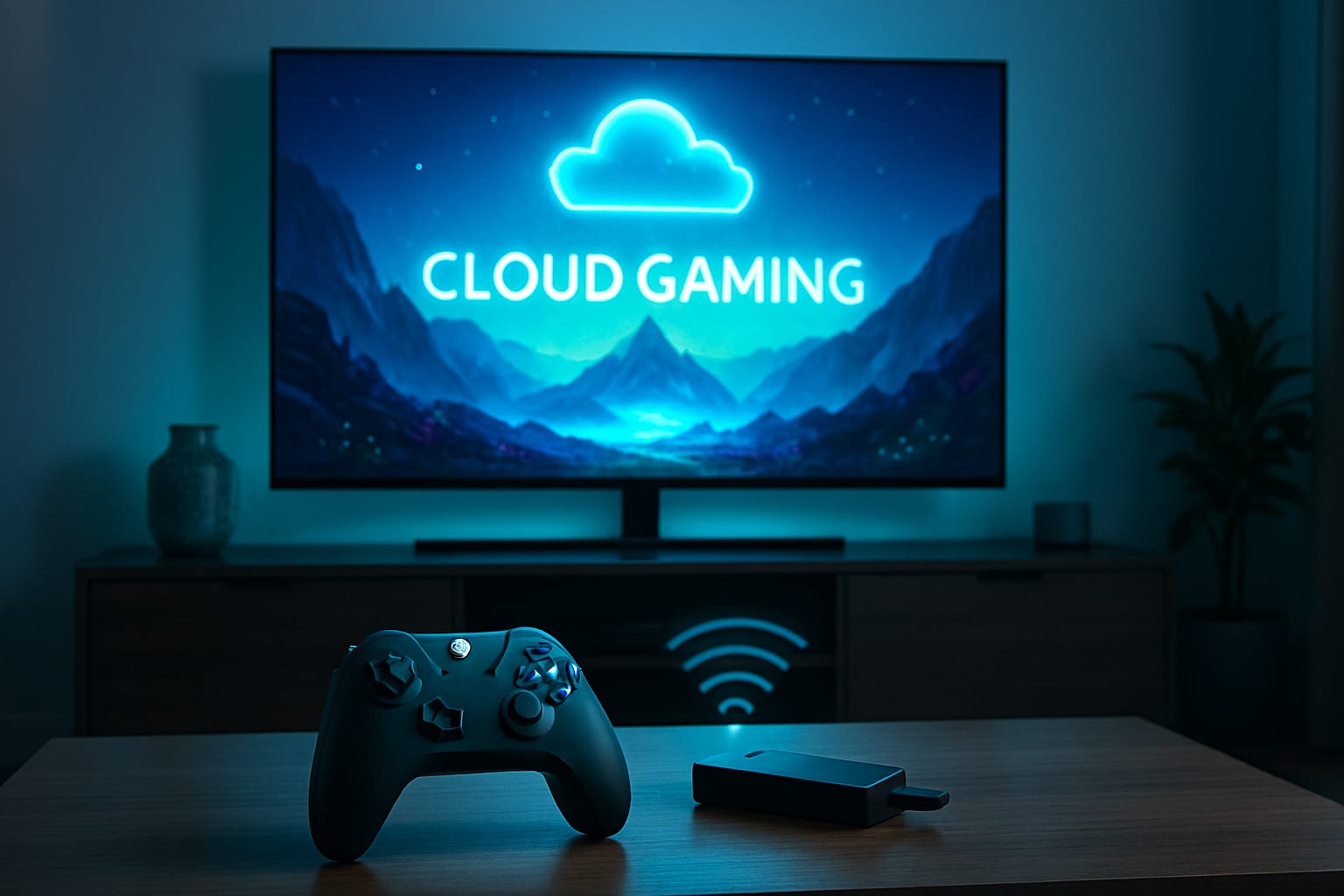
Cloud gaming is a strong contender for the future of entertainment, offering greater accessibility and cost-effectiveness by streaming games to any device, but challenges like latency and internet dependency remain. It eliminates the need for expensive hardware, democratizes gaming by allowing access across multiple devices, and is expected to see significant market growth. The technology is projected to interact further with trends like 5G, VR/AR, and subscription models, providing a more immersive and widespread gaming future.
Cloud gaming, often known as “gaming on demand” or “game streaming,” is a groundbreaking technology that enables users to play video games without the need for expensive gear. Instead of operating games on local devices such as consoles or PCs, cloud gaming uses remote servers to process and broadcast games straight to the user’s device. This means that players may enjoy high-quality gaming experiences on a wide range of devices, including smartphones, tablets, smart TVs, and low-end laptops, as long as they have a reliable internet connection.
The notion of cloud gaming is not novel, but advances in internet infrastructure, cloud computing, and streaming technologies have made it more accessible and feasible than ever before. This article explores the mechanics of cloud gaming, its benefits, challenges, and its potential to reshape the gaming industry.
How Does Cloud Gaming Work?
At its foundation, cloud gaming is built on powerful remote servers housed in data centers. These servers do the heavy lifting of running the game, such as rendering images, processing inputs, and managing game logic. The game’s visual and audio output are compressed and sent to the user’s device in real time, similar to how Netflix transmits movies and TV shows. This entire procedure takes milliseconds, assuming the internet connection is fast and steady enough to handle low-latency streaming.
Key Stakeholders in Cloud Gaming
- Cloud Gaming Platforms: These are the services and content providers which let you play games on their servers and devices and provide you with the stream across the internet. They also provide games, game bundles, and subscription passes to users. They include the likes of Google Stadia, GeForce Now, Playstation Now, and Xbox Game Pass.
- Game Developers and Publishers: They make and publish the video games provided by content services. Examples are Activision, Tencent, and Ubisoft.
- Internet Service Providers: An integral part of a successful gaming experience on the cloud is high-quality internet access. Examples include Xfinity, Comcast, and Verizon.
Benefits of Cloud Gaming
Cloud gaming offers several advantages over traditional gaming methods, making it an attractive option for both casual and hardcore gamers.
1. Accessibility: players no longer need to invest in expensive gaming hardware like consoles or high-end PCs. Instead, they can play games on devices they already own, such as smartphones, tablets, or even smart TVs. This lowers the barrier to entry and makes gaming more inclusive.
2. Cost-effectiveness: cloud gaming eliminates the need for frequent hardware upgrades. Since the games are run on remote servers, the performance depends on the server’s capabilities rather than the user’s device. This can save gamers money in the long run, as they won’t need to purchase new hardware to keep up with the latest games.
3. Convenience: with cloud gaming, players can access their games from anywhere with an internet connection. There’s no need to download or install large game files, and players can switch between devices seamlessly. This level of convenience is particularly appealing to gamers with busy lifestyles.
Read Also: IoT and Cloud Integration: Smart Devices at Scale
4. Instant play: cloud gaming allows players to start playing almost instantly, without the need for lengthy downloads or installations. This is especially beneficial for large games that can take hours to download on traditional platforms.
5. Eco-friendly: by centralizing game processing in data centers, cloud gaming can reduce the environmental impact of gaming. Fewer devices are needed, and energy consumption can be optimized at the server level.
The Technology Behind Cloud Gaming
1. Cloud computing: cloud gaming relies on powerful cloud servers capable of running multiple instances of games simultaneously. These servers are equipped with high-performance GPUs and CPUs to handle the demands of modern games.
2. Video compression: to stream games efficiently, video compression algorithms like H.264 or H.265 are used to reduce the size of the video stream without significantly compromising quality. This ensures smooth streaming even on lower bandwidth connections.
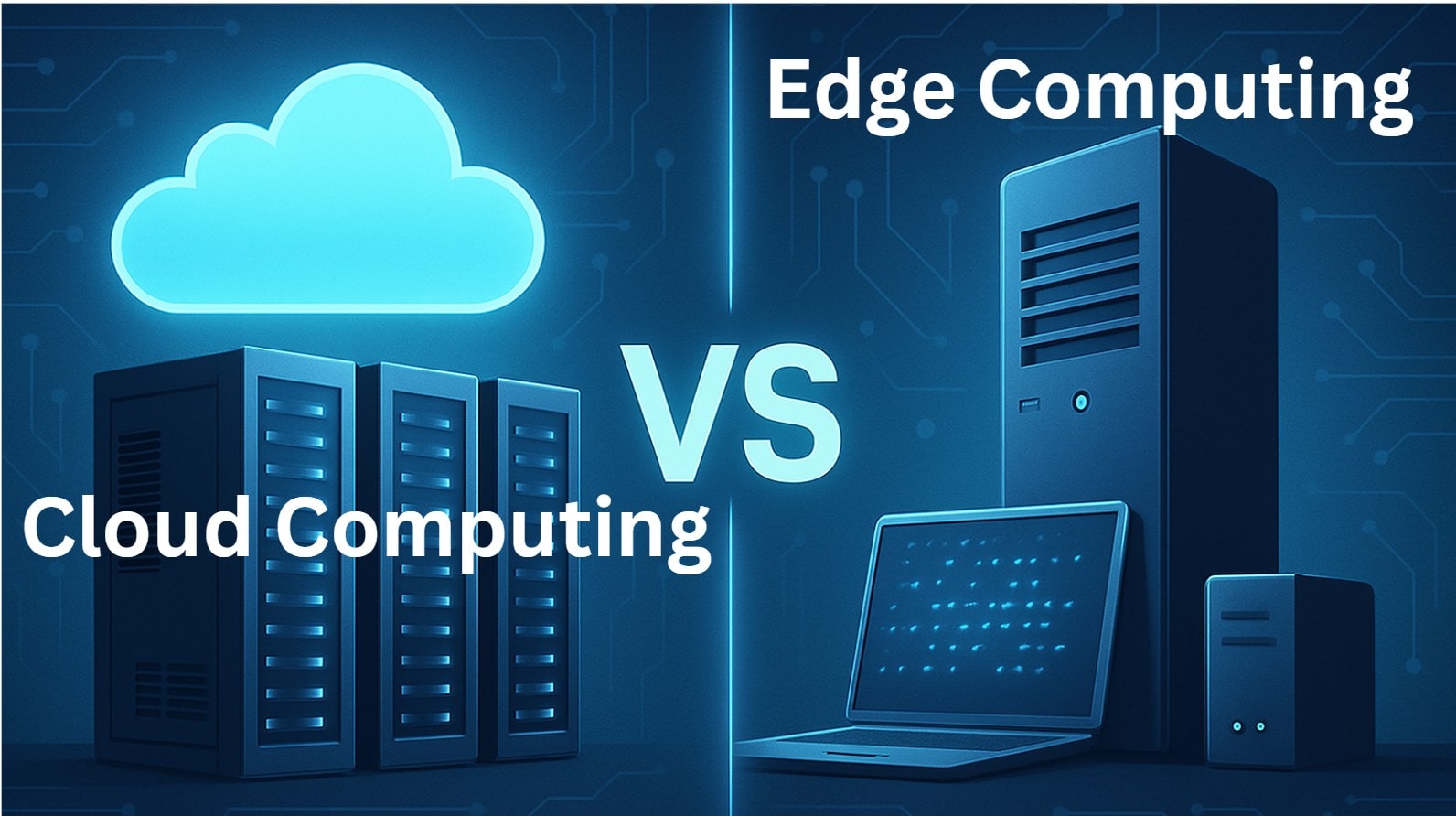
3. Edge computing: edge computing brings data processing closer to the user by utilizing servers located in regional data centers. This reduces latency and improves the overall gaming experience.
4. 5G networks: the rollout of 5G networks promises to enhance cloud gaming by providing faster speeds and lower latency. This could make cloud gaming more viable for mobile users and those in areas with limited broadband infrastructure.
Cloud Gaming: Big Opportunities for Businesses of all Sizes
Cloud gaming is not simply an excellent and reasonably priced method of entertainment for gamers. It is also a sea of benefits and new chances for businesses across multiple industries. We can incorporate telecommunications, the hospitality industry, entertainment platforms, and much more.
To remain competitive, telecom carriers must quickly understand the benefits of cloud gaming and capitalize on its potential. Offering a cloud gaming service alongside 5G is an excellent method to attract gamers and younger generations. It’s also worth recalling that cloud gaming is one of the most effective methods to showcase 5G capabilities to end consumers.
It’s also easy to see how cloud gaming systems can help hotels. Investing in consoles for each hotel room is prohibitively expensive for the vast majority of hotels. A fixed, easy monthly charge for using a cloud gaming platform, on the other hand, is a fantastic method to save money while also providing excellent entertainment to guests.
Last but not least, cloud-based gaming systems offer a fantastic opportunity for video game publishers to reintroduce their historical, supposedly “forgotten” titles.
Last Words
Cloud gaming marks a significant transformation in how we play and enjoy video games. It provides unrivaled accessibility, convenience, and cost-effectiveness by integrating cloud technology. However, issues such as latency, internet dependency, and data usage must be addressed before the technology can reach its full potential.
As the gaming business evolves, cloud gaming is likely to become a more vital component of the ecosystem. With continued technological and infrastructure developments, the future of cloud gaming appears optimistic, ushering in a new era of interactive entertainment that is more inclusive, adaptable, and imaginative than ever.






Comments