
 By
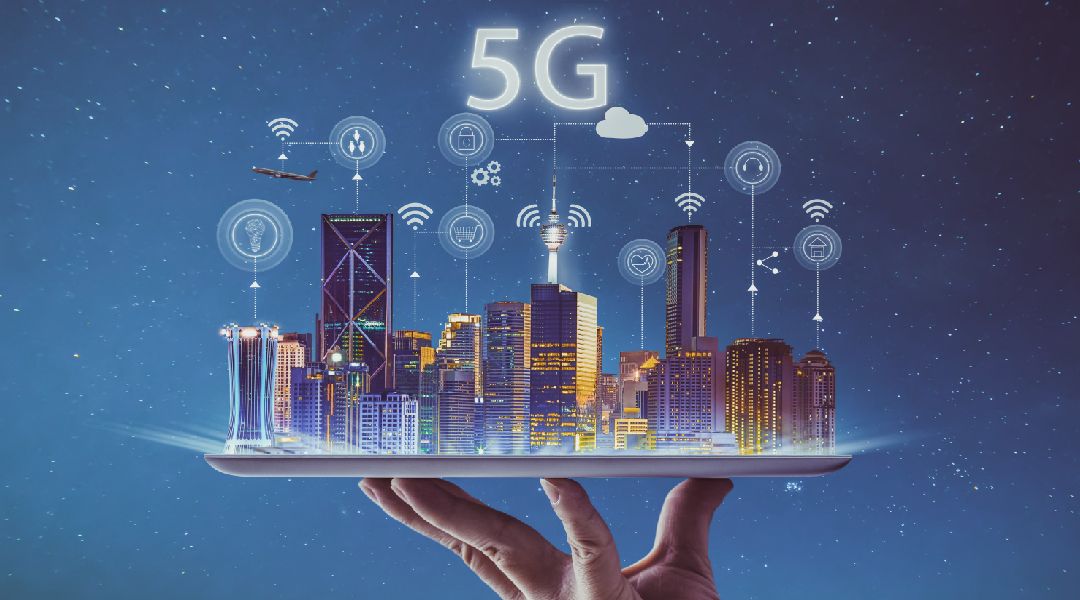
5G will have a tremendous impact on the digital economy by increasing productivity, enabling new technologies such as AI and the Internet of Things (IoT), and generating new business models. Its ultra-low latency and enhanced capacity will propel innovation in industries such as smart cities, healthcare, manufacturing, and agriculture. While 5G offers significant GDP growth and job creation, successful implementation necessitates overcoming obstacles such as initial infrastructure investments, labor upskilling, and security concerns.
What is a 5G Network?
Humans are always striving for the best, fastest, and largest. 5G is the most recent mobile communications standard, following the current 2G, 3G, and 4G. It is the communications standard par excellence, allowing users to download data from the internet even quicker.
It also allows for faster connectivity between IoT devices, sensors, and machines. 5G networks are far faster than 4G, with peak data transfer rates of up to 20 Gbps. They can send data with an accuracy of up to 99.9999%! This means that data will be transferred without delay and with an extraordinarily low latency of one millisecond!
The full 5G system includes
- eMBB (enhanced Mobile Broadband)
- uRLLC (ultra-Reliable Low Latency Communications)
- mMTC (massive Machine Type Communications).
eMBB focuses on increased data rates and bandwidth for long-term internet connectivity-based applications. This technology allows for human-centered connectivity, providing access to multimedia content, services, and data. Current mobile broadband use cases include hotspot connectivity, the creation of AR (Augmented Reality) or VR (Virtual Reality) media and applications, wide-area coverage, UltraHD or 360-degree streaming video, industry automation, cloud work, and so on.
uRLLC (ultra-Reliable Low Latency) offers exceptionally low latency and high-reliability support. It specifically targets machine communications. It will cover remote medical surgery and operations, mission-critical applications, wireless control of industrial production and manufacturing, and latency-sensitive driverless cars.
mMTC (massive Machine Type Communication) enables the simultaneous collection of a large number of tiny data packets from several devices. The mMTC focuses on providing connectivity to a large number of devices. Using IoT, mMTC will cut energy consumption and increase work efficiency.
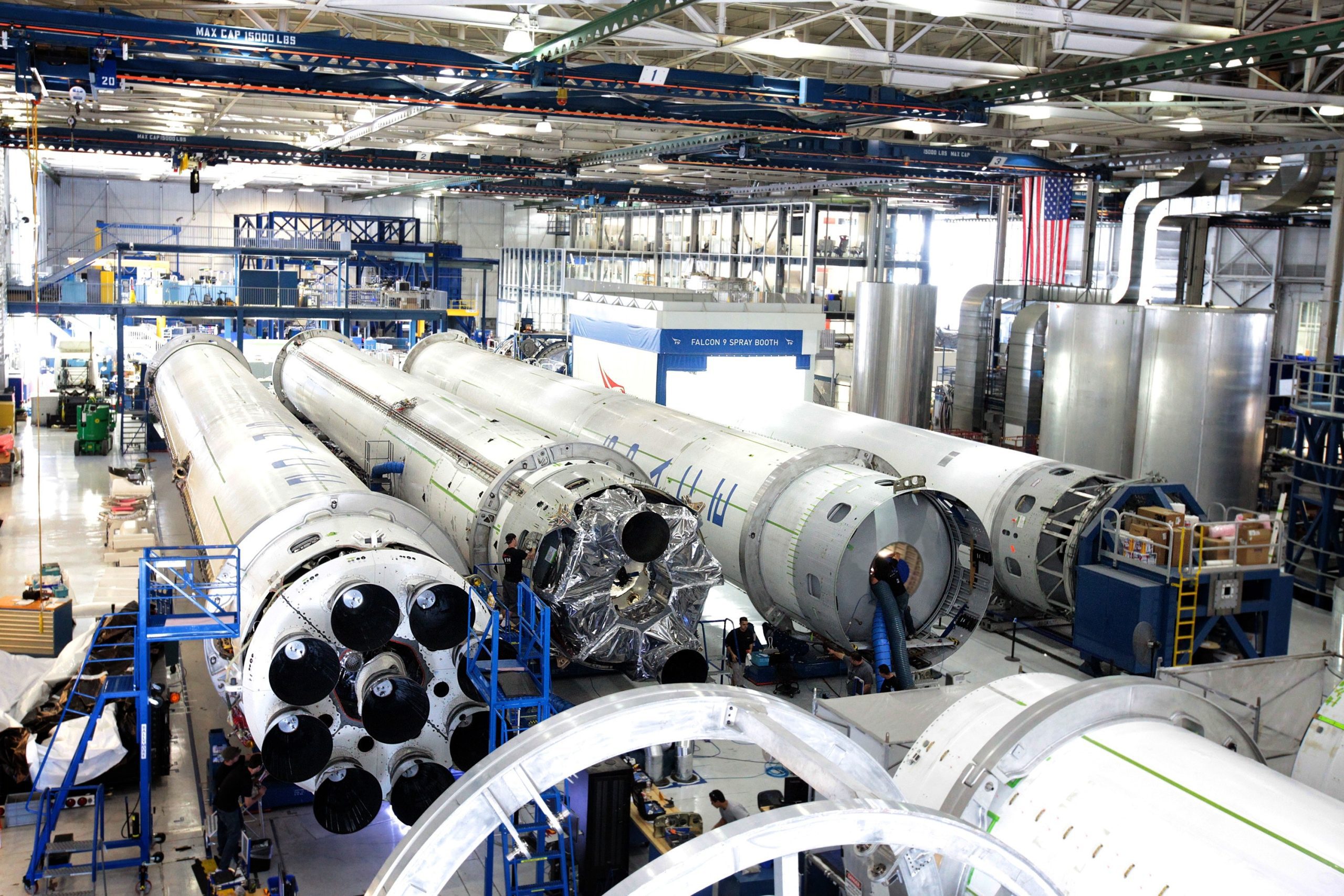
Industrial 5G networks are fully equipped to meet the growing demand for firm data and generation. Such networks can be utilized to accomplish various critical use cases in the manufacturing sector, combining industrial automation with robotic control to deliver intelligent factory solutions.
Companies can use industrial 5G technology to track goods and materials from beginning to finish, as well as simulate factory processes. They can also be actively used in immersive remote activities such as service, maintenance, and assembly. They can also be utilized for real-time machine-to-machine communication, augmented reality applications, and product and asset tracking.
The Economic Impact of 5G on Industries
5G networks are fully capable of generating socioeconomic value. At the same time, 5G technology will have a huge impact on specialized industries. 5G networks are anticipated to generate $13.2 trillion in global sales revenue by 2035.
Read Also: Leveraging Social Media for Economic Empowerment
The top five industries that are predicted to generate the most profit are:
| Rank | Type of Industry | Sales ($B ) | Share of Industry Sales (%) |
| 1 | Manufacturing | 4,687 | 5.4 |
| 2 | Information & Communication | 1,569 | 10.7 |
| 3 | Wholesale & Retail Sales | 1,198 | 5.1 |
| 4 | Public Services | 985 | 6.3 |
| 5 | Construction | 731 | 4.3 |
For example, smart factories will emerge as a result of IoT and automated manufacturing.
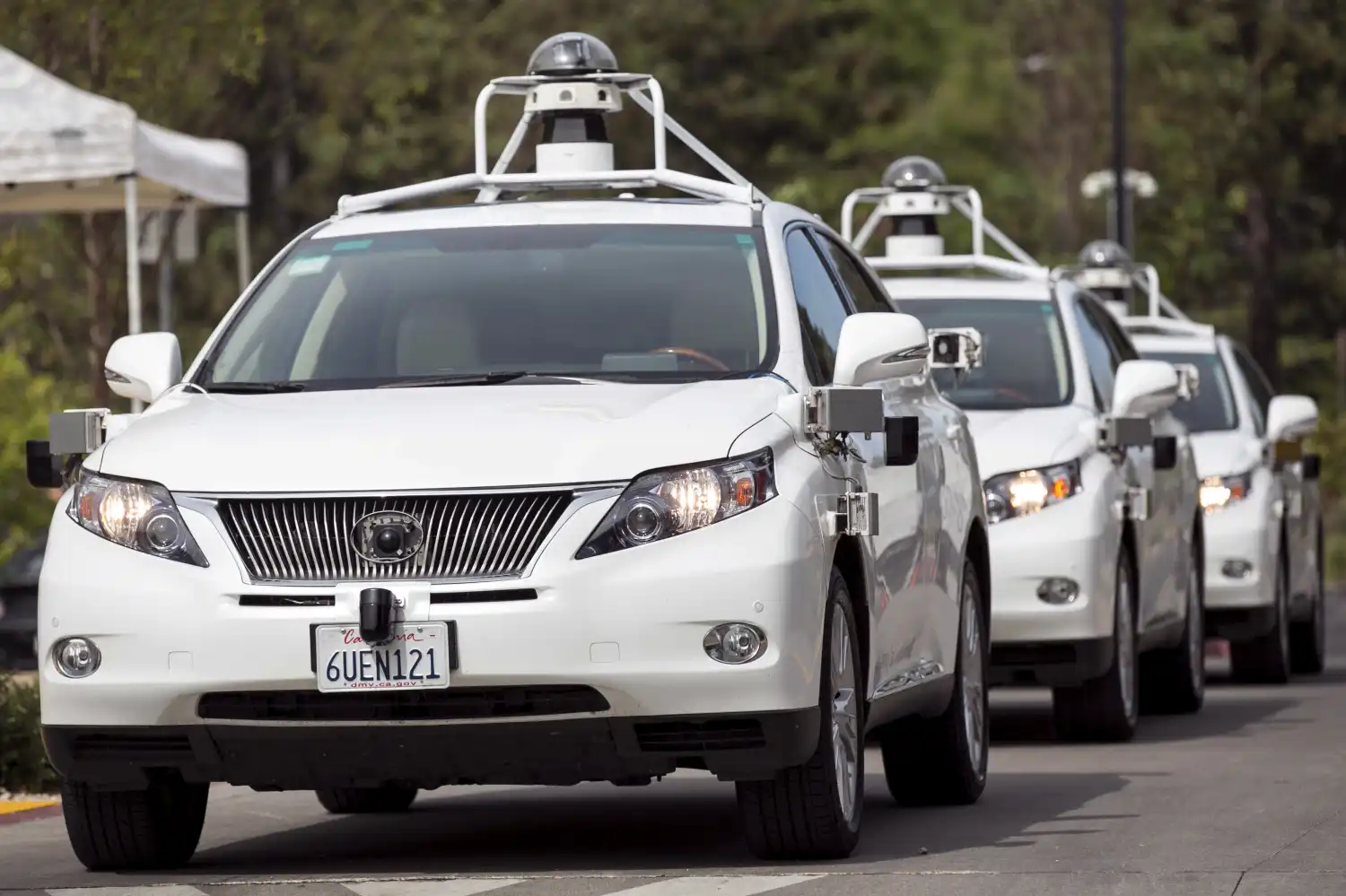
Similarly, the mobility sector will profit from self-driving cars, extensive car infotainment, and telematics-connected travel. Smart traffic control and remote vehicle health monitoring will become possible.
With an increased demand for data storage and patient safety, 5G services will assist the healthcare industry significantly. The impact of 5G on remote patient monitoring, remote surgery, and AR/VR-enabled healthcare will be significant. Some of the benefits provided by 5G to the healthcare industry include:
- Easy and fast transfer of large imaging files (ex: MRI, PET, etc.)
- Expansion of telemedicine
- Enhanced AR, VR & spatial computing
- Dependable and real-time remote monitoring of patients.
The Fintech sector can finally incorporate wearables for payment and smartphones as remote tellers. Widespread peer-to-peer lending, digital deposits, and virtual tailored financial consulting services will now become possible.
Energy sector firms can now have better smart grid and drone monitoring capabilities with smart energy management and hazard detection.
Some research on the impact of 5G on the economy may result in the following outcomes in the future:
One billion users are estimated to have access to 5G technology by 2023. It is set to take data transfer capabilities to an entirely different level, with speeds as high as 1 Gbps.
Qualcomm surveys state that 5G-related services will see an investment of around $12 trillion worth by 2035. These will include enhanced mobile broadband services, mission-critical services, and significant IoT advancements in retail, healthcare, transportation, education, and entertainment.
Qualcomm estimates that the 5G value chain in a digital economy will generate revenues of up to $13.2 trillion by 2035 and provide as many as 22 million jobs.
5G and the Future of the Digital Economy
5G networks offer manufacturers and telecom operators the potential to develop smart factories based on smart technologies such as automation, AI, augmented reality, and the Internet of Things (IoT).
Along with energy and utilities, manufacturing is a promising industry for the next wave of industrial productivity, known as Industry 4.0. Industry 4.0 envisions connected production with monitored and configurable components in a self-managing system in a digital economy. Some of the areas where 5G can influence numerous services and boost the digital economy include:
Internet of Things (IoT)
The older devices and sensors had the capability to ”talk” to each other while they were utilizing the 4G LTE data capacity inefficiently. The introduction of 5G, however, will boost connectivity, speed, efficiency, and user experience, thereby generating more profit for telecom service providers and business owners.
Connected vehicles
It will work based on an autonomous model where precise and real-time information about car conditions, road conditions, or drivers will be received by automobile manufacturers and owners, which will help them offer better support and driving experience.
Better governance
Governments can develop an effective smart city architecture and e-governance framework by utilizing 5G. We can experience better public service, quick processing, and receive real-time information from officials during an emergency. We may call it a proactive and ”connected” government providing a quality public service experience.
The deployment of next-generation mobile networks will add value to several sectors. The technology has the potential to be applied in a variety of unique ways. Hospitals will be outfitted with 5G-enabled gadgets for remote patient monitoring, as well as smart ambulances that can link in real time.
We can also expect fast financial transactions thanks to digital wallets and apps that connect wearable devices, smartphones, smart gadgets, autos, and a variety of other devices. 5G technology will be used in factories to connect gadgets and sensors. 5G, when paired with AI, edge computing, IoT, and extended reality (XR), allows organizations to reap the full benefits of technology breakthroughs.
Conclusion
5G will have a significant economic impact, and it will accelerate the fourth industrial revolution by speeding up the Internet of Things. Its rapid and dependable real-time data transfer would greatly benefit sensors and control units located in facilities, machinery, and supply chains throughout sectors.








Comments