
 By
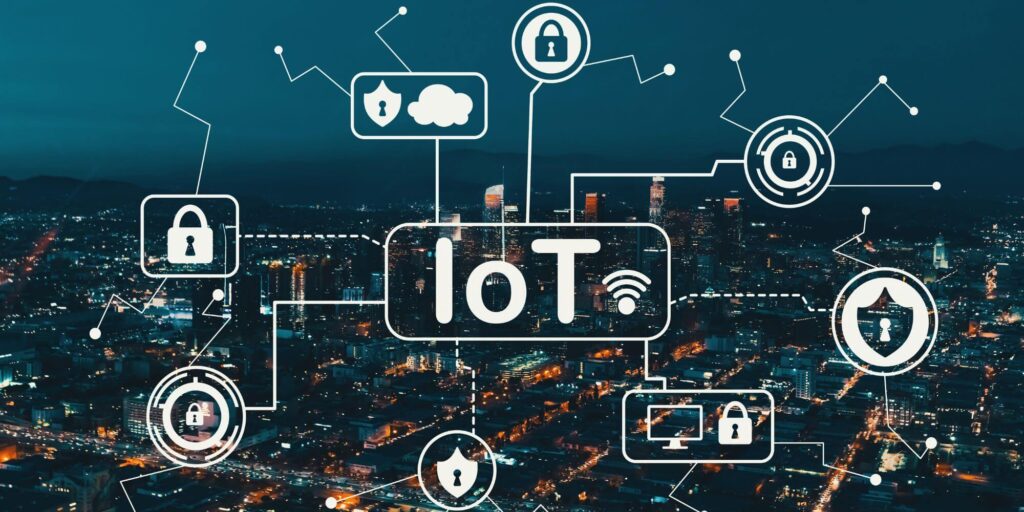
The Internet of Things (IoT) is transforming business models by allowing companies to transition from one-time product sales to continuous, data-driven services, driving a more efficient “as-a-service” revolution and promoting sustainable practices.
The Internet of Things has enabled significant new economic models and transformations, including:
- “As-a-Service” (XaaS) Models: Businesses are replacing traditional capital expenditures with subscription-based models where customers pay for a service rather than owning the product itself. The manufacturer retains ownership and uses IoT data for remote monitoring and predictive maintenance, ensuring the product’s optimal performance.
- Example: A company like Edison Electric can sell “light as a service” to an airport, which pays for the desired level of illumination, while the provider manages the physical lighting system and maintenance using embedded IoT sensors.
- Data Monetization and the “Programmable Economy”: IoT generates massive amounts of real-time data on usage patterns, performance, and environmental conditions. This data can be analyzed to create valuable insights, which can then be sold to third parties or used internally for automated decision-making and optimization.
- Example: Connected car data can be used by insurance companies to offer usage-based insurance (UBI), tailoring premiums based on actual driving behavior and risk rather than generic demographics like age or gender.
- Circular Economy: IoT facilitates the shift toward a sustainable circular economy by enabling the tracking, maintenance, refurbishment, and recycling of components throughout their lifecycle. Real-time data makes it feasible to repair parts before catastrophic failure and efficiently reintegrate salvaged materials into the supply chain, reducing waste and raw material consumption.
- Hyper-Personalization: Real-time data allows for highly customized products and services tailored to individual preferences and specific contexts. This can be seen in smart homes that adjust to occupants’ preferences, or in precision agriculture where planting and harvesting are optimized based on real-time soil and weather conditions.
- Development of Smart Ecosystems and Platforms: IoT fosters collaboration across different sectors (e.g., commercial, financial, logistics) through platforms that integrate various devices, data, and services. These ecosystems create value for all participants by improving efficiency and opening up new markets.
- Operational Efficiency and Cost Reduction: By providing real-time visibility into operations, IoT enables businesses to optimize resource consumption, automate workflows, and implement predictive maintenance, leading to significant cost savings and increased productivity.
In essence, the economic impact of IoT lies not just in the devices themselves, but in the ability to bridge the physical and digital worlds, leveraging data to drive innovation, create new value propositions, and fundamentally change how businesses operate and create value.
4 Business Model & Revenue Stream Use Cases
IoT will not only enable new decision-making, but it may also enhance your revenues. We’ll look at four models and IoT income streams that will not only bring new insights, but may also result in an organizational restructure or a new source of money.
IoT adoption drivers include data as an asset, improved internet access and 5G, mobile adoption, dynamic distributed cloud services with low latency, and end-to-end security.
1. The Outcome Business Model
What if instead of paying for the entire asset, you only pay for what it generates or how long you utilize it? This is now possible because to IoT and asset tracking, rather than owning massive assets that incur high insurance costs while sitting in storage or constantly paying for repairs. This is especially beneficial for producers who need to invest in specialist markets, such as engines and equipment. Different sensors can simply monitor the objects to determine how long they have been in use, and clients can be billed accordingly.
Although it may be difficult to physically inspect the asset while in the hands of a client, IoT once again comes to the rescue. Predictive maintenance solutions make it easy to track assets and predict when equipment may fail. Instead of sending ad hoc checks when they are unnecessary, the system notifies the owners to return the equipment and repair it. Instead of wasting resources on a working asset, you now have a system that monitors consumer usage and anticipates when it will break.
Read Also: The Impact of 5G on the Digital Economy
Set terms in place to fully benefit from the consumer, such as a minimum usage policy, so it is not sitting in their storage when it may be used by another client. This form of IoT revenue stream allows the asset to reach its maximum potential, resulting in less waste and greater environmental advantages.
2. Asset Sharing
The asset sharing concept is similar to the result business model in that a client rents your assets but returns what they don’t utilize. Instead of renting out your equipment to a single customer, even at a low cost, asset sharing allows the consumer to use the asset for a limited period of time. As a result, the items circulate the market more quickly, and they profit from full utilisation across several clients. This also impacts how long the item is stored and not in use. In this situation, instead of taking the asset and simply paying for the time you use it or the outputs, you rent it for a predetermined period of time and then pass it on to the next client.
An IoT system connects assets to the internet to prevent theft and allows for easy tracking of consumption, wear, and tear.
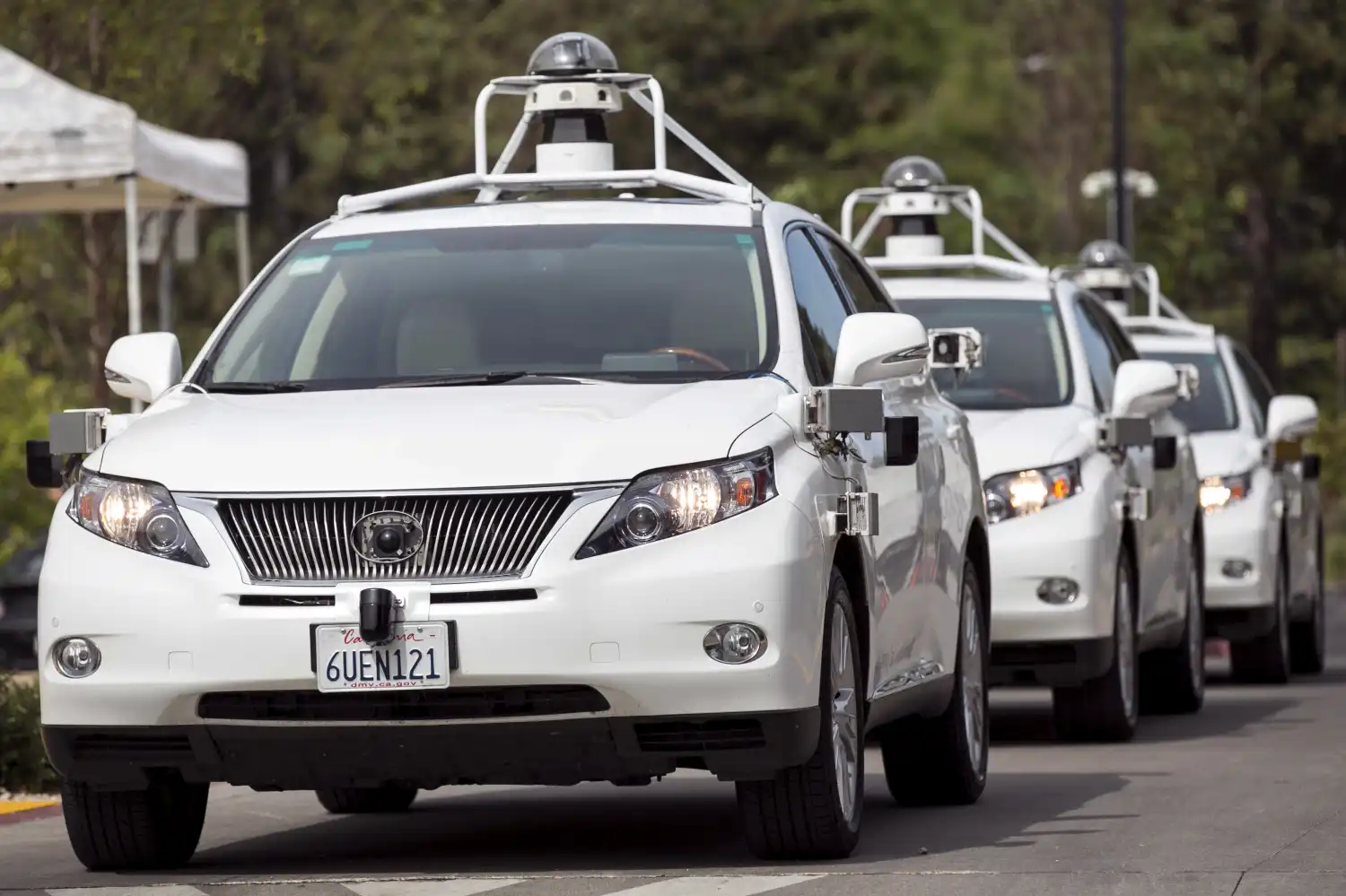
Examples of asset transfers include self-driving cars, smart or virtual power plants, shared drones, and microgrids. Toshiba has created a virtual power plant using AI and IoT networks, mapping a power plant virtually to control the inputs and outputs and utilizing any excess energy supply, which can then be used during power outages. These plants don’t own the energy assets; they own the data that is transferred between each piece of equipment in the network.
Another example is tied to the blockchain, whereby you pay for the amount of wifi used in a cafe in a smart city setting. The amount of wifi you use is tied to your cryptocurrency wallet, thereby saving energy and expenses because you know exactly how much you use.
3. Automatic Fulfilment
Because of the tremendous gains and evident value-added benefits of RFID technology, supply chains are rapidly adopting IoT technology to optimize their services. Asset tracking across the supply chain allows for the identification of bottlenecks as well as the likelihood of theft and storage difficulties. Because assets can be tracked along the supply chain, businesses can open up their inventories and monitor products in use. IoT systems may detect when inventory is running low or is delayed due to weather issues around the world, directing the system to the next best choice. This ensures that enterprises always have an adequate supply of items and prevents obsolescence.
Insensitive cases such as medical transportation, not only must the medicine be delivered on time and safely, but it must be closely monitored for temperature and pressure to prevent spoilage.
4. Data Monetisation
Some businesses may not have the resources to launch an IoT project right now. However, this does not exclude them from reaping the benefits of all of the available data. Instead of embarking on a large effort to make sense of unstructured data, businesses are instead searching for people who can structure data and enable better decision-making based on these new insights.
Companies that monitor their equipment or energy usage can sell the information they collect to other businesses who may require comparable applications. You may now offer this fresh data to build more services for other companies and expand your profit margins, in addition to receiving substantial benefits for your organization. It’s a win-win!







Comments