
 By
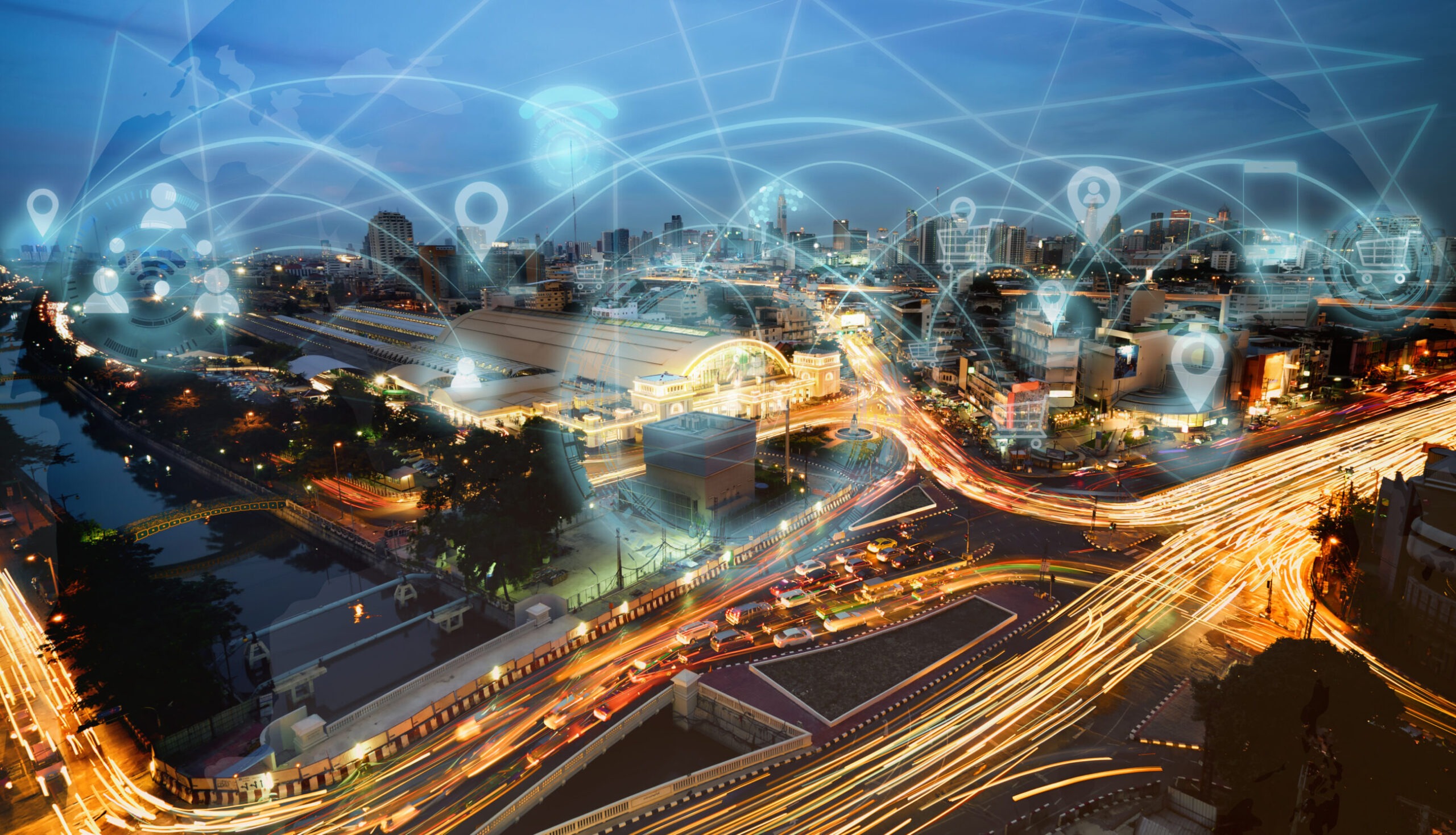
By encouraging innovation, allocating resources optimally, creating jobs, and drawing talent and investment, smart cities propel economic transformation. Cities may increase productivity and foster the growth of new enterprises and industries by utilizing cutting-edge technologies.
Important ways that smart cities promote economic change include:
- Increased Efficiency and Cost Savings: Smart city technologies, such as IoT sensors, data analytics, and AI, optimize urban operations. For example, smart traffic management systems reduce congestion and fuel consumption, while smart grids and building automation lower energy and water consumption and operational costs. These efficiencies lead to significant cost savings for both municipalities and businesses.
- Job Creation and Industry Growth: The development and implementation of smart city solutions spur growth in emerging industries like data analytics, software development, sensor manufacturing, and clean energy. This creates new job opportunities and encourages a shift towards a knowledge-based, service-oriented economy.
- Attracting Talent and Investment: Cities with advanced infrastructure, high quality of life, and a commitment to sustainability become more attractive to skilled professionals and forward-thinking companies. This influx of human capital and foreign direct investment further enhances the local economy and competitive advantage.
- Fostering Innovation Ecosystems: Smart cities create an environment conducive to innovation by providing robust digital infrastructure, data-sharing platforms, and support mechanisms like business incubators. This ecosystem encourages entrepreneurship and the development of new business models and services, such as e-commerce, fintech, and advanced healthcare.
- Optimized Resource Allocation: Data-driven governance allows for better decision-making and more effective allocation of resources. This ensures that investments in infrastructure and services are aligned with the actual needs of the urban environment, preventing bottlenecks and maximizing economic output.
- Boosting Tourism: Enhanced urban infrastructure, efficient transportation systems, and improved public services make cities more appealing to tourists. Studies have shown that cities implementing smart initiatives can see a significant increase in tourism revenue and visitor numbers.
- Enhanced Resilience and Sustainability: By leveraging technology to address environmental challenges like pollution and climate change, smart cities ensure long-term economic sustainability. A more resilient city is better equipped to handle crises, ensuring a stable environment for economic activity.
In essence, smart city initiatives create a virtuous cycle: technology-driven efficiencies lead to economic benefits, which in turn fund further innovation and improvements in urban life, driving continuous transformation and growth.
Smart city initiatives have been spearheaded by cities like Barcelona and Singapore, and many American cities are doing the same. One of the primary technologies driving this change is digital twins, which enable cities to build virtual copies of their actual systems. Real-time monitoring, better decision-making, and the capacity to model various scenarios in order to optimize services are all made possible by these digital models.
Digital twin technology, information and communication technologies (ICT), and the Internet of Things (IoT) are among the technologies utilized by smart cities, which IBM defines as “an urban area where technology and data collection help improve quality of life as well as the sustainability and efficiency of city operations.”
How Smart Cities are Enhancing Urban Services
1. Improved traffic management
Smart cities can employ digital twins to transform traffic management by producing dynamic, real-time simulations of traffic flow. These models help to improve traffic lights, routes, and public transportation systems. Cities can use digital twin technology to predict congestion patterns, minimise traffic bottlenecks, shorten commute times, and cut car emissions, resulting in a more efficient and sustainable urban environment.
As people grow and infrastructure stretches, good traffic management becomes increasingly important in rapidly rising cities. “Rapid growth often leads to increased congestion and longer commutes, which can overwhelm city services,” says Anne Eskola-Hickey, Younite’s Chief expansion Officer. “Implementing smart traffic solutions allows cities to handle increased demand without costly infrastructure projects such as large motorway expansions.” Cities may avoid bottlenecks, boost mobility, and promote long-term urban development by optimising traffic flow and public transportation.
Example: In Chattanooga, Tennessee, the Digital Twin Project has been used to mitigate traffic congestion. Completed in 2022, the project developed a scalable traffic management framework to address the challenges of heavy traffic on two interstate highways, which together handle over 250,000 vehicles daily. By using digital twins, Chattanooga optimized its existing road networks without the need for costly infrastructure projects like bypasses or ring roads.
2. More efficient resource management
As people grow and infrastructure stretches, good traffic management becomes increasingly important in rapidly rising cities. “Rapid growth often leads to increased congestion and longer commutes, which can overwhelm city services,” says Anne Eskola-Hickey, Younite’s Chief expansion Officer. “Implementing smart traffic solutions allows cities to handle increased demand without costly infrastructure projects such as large freeway expansions.” Cities may avoid bottlenecks, boost mobility, and promote long-term urban development by optimizing traffic flow and public transportation.
Read Also: The Digital Divide: Who’s Being Left Behind?
Example: In Barcelona, the city’s smart water management system has seen remarkable success by implementing IoT-based technologies. Using a network of sensors and smart meters, the city collects real-time data on water usage, leak detection, and distribution efficiency, reducing operating costs by removing the need for manual meter readings. This system has also reduced water loss by 25%, ensuring that the city can conserve its resources while meeting the needs of its 3.3 million residents. With water scarcity becoming a global issue, such smart city innovations are essential to ensuring the sustainability of urban environments.
Another key advantage of Barcelona’s smart water management system has been reducing meter reversal fraud. Previously, detecting this required costly field visits, with only 20% of cases validated due to insufficient evidence. With smart monitoring, fraud can now be detected remotely and immediately, eliminating the need for inspections.
3. Increased urban safety
By providing a thorough understanding of urban infrastructure, assisting in the identification of vulnerabilities, and simulating emergency situations, smart cities can improve public safety. Cities may create more efficient response plans for crimes, fires, and natural disasters.
For instance, Warner Robins in Georgia improved public safety by using its Citizen Safety Digital Twin. The digital twin project, which is funded by a Partnership for Inclusive Innovation grant, employs dynamic license plate reader cameras in strategic areas to enhance efforts to prevent crime. Warner Robins received the Smart21 Community Award at the 2024 Taipei Smart City Summit and Expo as a consequence of this project; only 21 localities worldwide receive this recognition.
4. Enhanced accessibility and inclusion
By enhancing accessibility and inclusivity, smart cities may also be able to meet the various requirements of all citizens. Smart city technology, such as barrier-free infrastructure and intelligent navigation aids, can make public areas and services more accessible to people of all physical abilities, languages, and other backgrounds. Furthermore, a lot of services may be provided online, which eliminates the need for in-person visits. Virtual access to a local museum or public park, for instance, can offer experiences that might not be feasible in person.
For instance, the European Union is encouraging towns to collaborate and investigate what they might accomplish with digital city twins as part of the Networked Local Digital Twins program. Younite is pleased to be a part of this project. By using AI-powered avatars that meet the needs of diverse target groups as they explore cities, Younite is working to improve accessibility and inclusion in city services.
How Smart Cities Drive Economic Growth and Innovation
Global urban environments are changing as a result of smart city-driven economic growth and innovation. Smart cities are opening up new avenues for investment, efficiency, and job development in a number of industries by using cutting-edge technology like IoT and digital twins.
1. Increased Cost Saving
The utilization of resources including electricity, water, and transportation is optimized via smart city technologies. With real-time data and automation, cities can lower operating costs and enhance infrastructure management, as Barcelona demonstrated. Anne Eskola-Hickey says, “Consider smart streetlights that adjust based on traffic conditions to lower energy consumption or digital twins that allow cities to simulate various scenarios—such as extreme weather or surges in demand—to prevent costly infrastructure failures and further increase long-term savings.”
2. Job creation and economic expansion
Emerging sectors including data analytics, sensor manufacturing, and urban technology solutions are growing as a result of the development of smart cities. This promotes local economic growth in addition to creating jobs. An increasing number of companies and industries are drawn to smart cities as they grow more technologically sophisticated, boosting the local economy and stimulating innovation.
According to a recent study on smart city pilots in China, smart city initiatives significantly increase employment, especially in fields like public services and technology development. By promoting a move toward service-oriented jobs, the use of digital technologies in smart cities helps optimize employment structures while simultaneously promoting job development in these sectors.
3. Attracting talent and investment
Top people and forward-thinking businesses are drawn to smart cities because they provide improved infrastructure, sustainability, and quality of life. Smart cities establish an atmosphere where competent professionals desire to live and work by providing improved public services, effective transportation, and updated infrastructure.
The adoption of digital solutions is directly linked to the influx of talent and forward-thinking companies, according to a recent study on the effects of digital technology in 20 Italian cities during an 11-year period. Similar to this, Younite has been working with real estate and urban development firms in the US, offering them a competitive advantage by enabling investors and prospective customers to see how their cities will evolve in the future. Stakeholders can examine suggested developments and offer input via a city’s digital twin.
4. Boosting tourism
Initiatives for smart cities have a quantifiable effect on tourism, increasing both income and tourist numbers. According to a survey, visitor arrivals increased by 17.2% and tourism income increased by 24.3% in cities recognized as smart cities. The increased public services, smart transit systems, and improved urban infrastructure that make cities more accessible and tourist-friendly are responsible for these advancements.
10 Benefits of Smart Cities
Given the anticipated substantial increase in urban populations over the coming decades, smart city technologies can help cities become more effective and efficient. The SmartAmerica Challenge estimates that over the next 20 years, city governments in the US alone will spend almost $41 trillion to modernize their infrastructure and utilize IoT solutions. Approximately two-thirds of communities have already made investments in smart city technology, and many more are considering doing so. The reality of smart cities will be further solidified by increased federal financing and solid collaborations with local governments and private sector technology companies.
There are several advantages for smart towns that use connected technology across their operations. Here are ten benefits that cities experience on a daily basis from smart technologies, based on our in-depth study and expertise assisting cities in creating technology plans:
1. More effective, data-driven decision-making
Cities now have access to information that was previously unattainable thanks to developments in “big data” and linked gadgets. City authorities can access and evaluate a vast quantity of data with the help of a well-thought-out data analytics plan, and they can quickly extract significant, useful insights. Service levels rapidly increase when a city is able to track desired KPIs in real-time.
In addition to forecasting and planning for citywide population growth and identifying patterns in citizen interests, concerns, and requirements, effective big data applications and methods give a city the knowledge it needs to locate and staff police in high-risk locations. The Internet of Things (IoT) and big data present countless opportunities to improve decision-making. This in turn enhances the lives of residents by cutting costs and improving services.
2. Enhanced citizen and government engagement
Today’s citizens demand reliable, easy-to-use digital services from their communities. In many aspects of life, collaboration tools, user-friendly websites, mobile applications, self-service portals, and convenient online accounts have become the norm, and residents demand no less from their city. Increasing the availability of digital services in local areas makes smart cities more appealing to inhabitants and fosters a connected citizen experience.
Accessible government data, interactive maps, government performance dashboards, budget transparency, live-streamed city hall meetings, and a robust social media presence all help smart cities build stronger ties with their constituents. These intelligent technologies contribute to a rise in public participation and confidence in local authorities.
3. Safer communities
A safer city is one that is wise. Criminal behavior can be decreased by utilizing technological advancements and seeking private/public partnerships. Law enforcement has an advantage on the job because to technologies like body cameras, networked crime centers, gunshot detectors, license plate recognition, and next-generation 911.
To help create a safer community, many cities have already begun investing in smart technologies.
4. Reduced environmental footprint
With the rise of greenhouse gases, debris in our oceans, and trash in our streets, smart cities are fighting back to reduce negative effects on the environment. Energy-efficient buildings, air quality sensors, and renewable energy sources are providing cities with new tools to shrink their ecological impact.
Deploying air quality sensors around a city, for instance, can provide data to track peak times of low air quality, identify pollution causes, and deliver data analytics officials need to develop action plans. These sensors can help lay a foundation for reducing air pollution in even the most populated cities, something that is sure to save lives since medical problems related to pollution claim millions of lives each year. For example, the City of Chicago, installed nodes to serve as a “fitness tracker” for the city, measuring factors that impact livability in Chicago such as climate, air quality and noise to help detect heavy vehicle traffic, identify standing water in real time to prevent property damage and illness and observe which areas of the city are heavily populated by pedestrians at different times of day to suggest safe and efficient routes for walking to improve pedestrian safety.
5. Improved transportation
According to SmartCity.Press, during the next five years, smart city transportation investments are predicted to increase by more than 25% every year. One of the most promising ways to significantly improve citywide efficiency is through connected transportation systems. Smart technology enable cities to better serve inhabitants despite frequently quickly expanding populations, from improved traffic management to the ability for public transportation users to follow the positions of buses or trains.
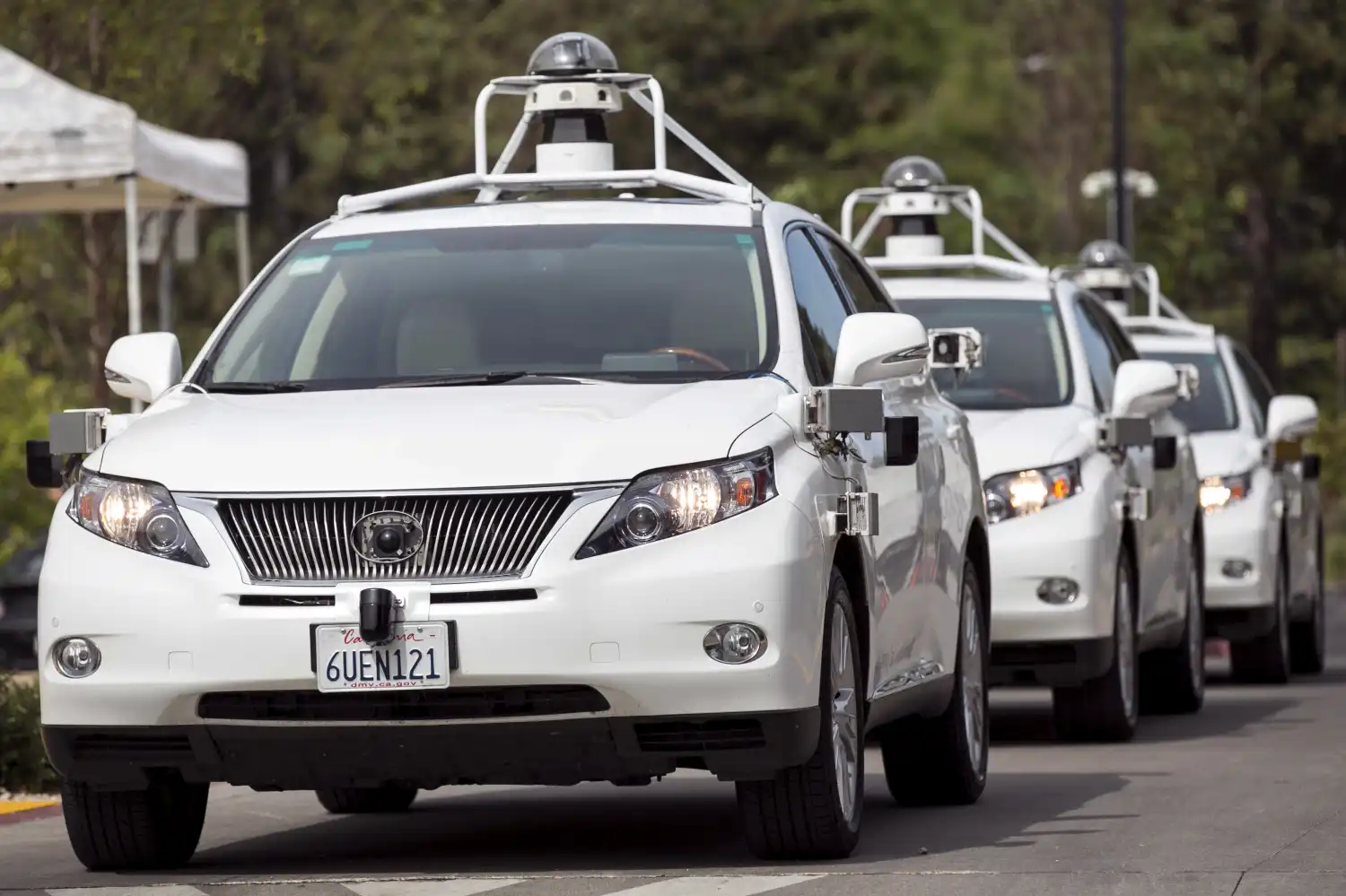
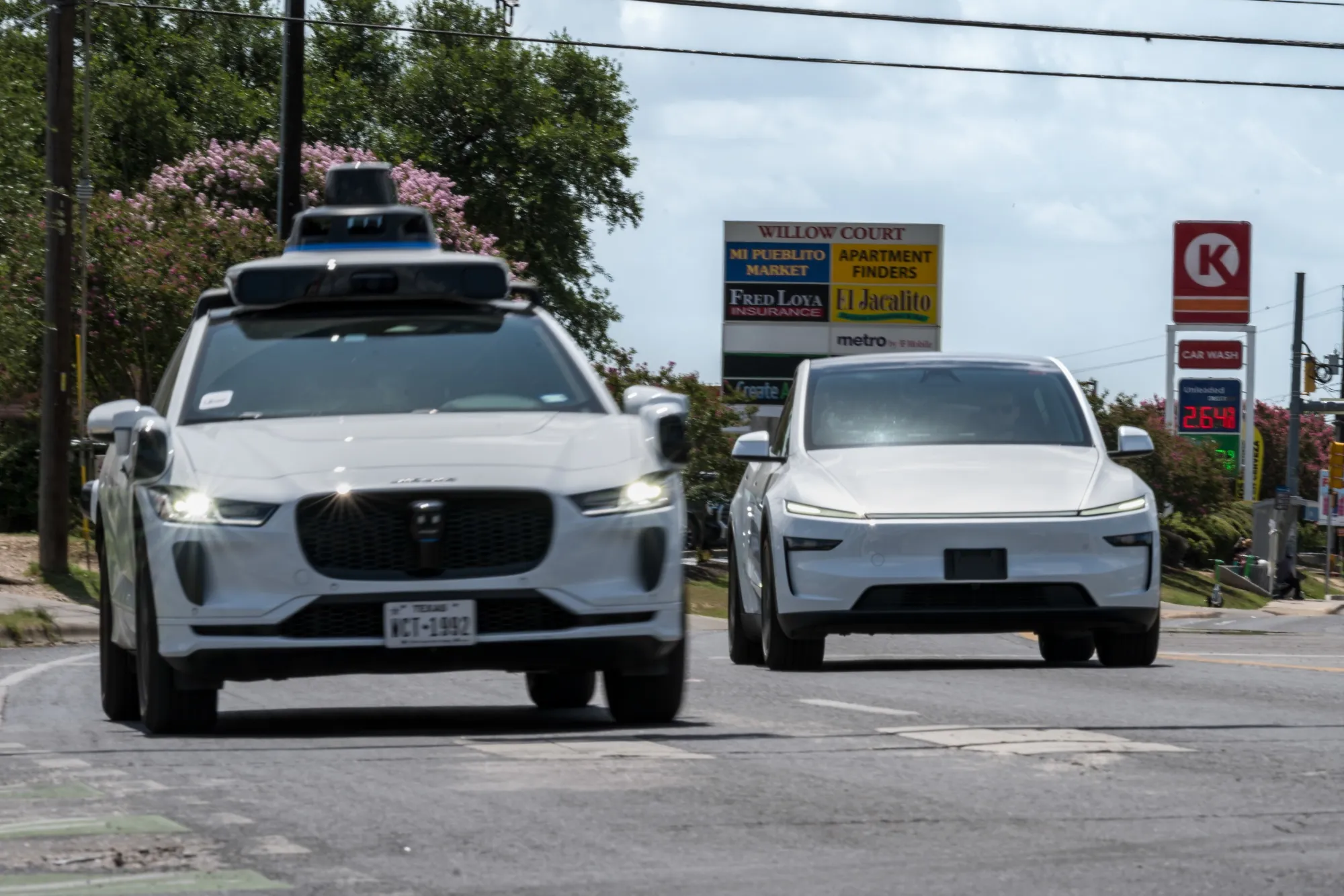
Intelligent traffic signals, for example, improve traffic flow and reduce congestion during periods of high travel demand. Cities can profit from other revenue sources by utilizing other smart mobility technology, such smart parking management. Reduced traffic, an increase in self-driving cars, and effective vehicle routing all lessen the amount of space required for vehicles in cities, which may increase the amount of land available for development.
The City of Chicago released a mobile application in 2014 that enables residents to track cars in real time, read updated bus and train schedules, and make online payments. Residents of Chicago now find it easier to use the city’s transportation systems thanks to the app, which is compatible with all public transportation options.
6. Increased digital equity
Citizens may live in a more equitable environment thanks to smart city technology. People must have access to reasonably priced gadgets and high-speed internet connections in order to guarantee digital equity. Adopting public Wi-Fi hotspots that are thoughtfully positioned around a community can provide dependable internet access to all citizens.
The COVID-19 epidemic brought to light the extent of the digital divide. Communities are now calling for long-term fixes to the broadband problem in the wake of COVID-19. The groundwork for your community’s future success is laid by making high-speed internet connection reasonably priced for all residents.
7. New economic development opportunities
According to a recent study, public investment in smart city technology has a significant multiplier effect that might increase GDP growth by up to ten times. Millions of dollars are being invested in smart city projects and infrastructure by numerous major private sector businesses in collaboration with local governments. Investments in smart cities are becoming more and more crucial in boosting a city’s competitiveness both locally and internationally in order to draw in new citizens and businesses. Businesses are better equipped to make educated decisions using data analytics from integrated smart city technologies when an open data platform with access to city information is made available.
8. Efficient public utilities
Because there aren’t enough natural resources to meet human demand, smart technologies are providing cities with the means to efficiently save and minimize unintentional water and electricity waste. Cities can now swiftly detect pipe leaks and repair damaged sections in less time thanks to smart sensors, which lowers the quantity of water lost. In order to better identify periods of peak demand and disruptions, smart electric grids also enable two-way communication between electricity providers and consumers.
Cape Town, South Africa, has deployed smart metering technology to address the city’s chronic water crisis. Its smart meters monitor water usage for clients and send the information to their accounts. Cape Town residents then receive an itemized daily bill detailing their water consumption. After the smart metering pilot project began, residential houses saw a 40 to 60 percent reduction in water consumption. Data analytics and smart sensor technology have shown to be an effective solution for conserving vital resources.
9. Improved infrastructure
Aging roads, bridges, and buildings sometimes necessitate significant investments to maintain and repair over their service lives. Smart technology can provide predictive analytics to cities, allowing them to detect areas that need to be corrected before infrastructure fails.
Smart sensors can convey data indicating undesirable structural changes, detect tilts or fissures in buildings and bridges, and send messages informing staff of the need for inspections or maintenance. These skills provide a significant potential for communities to save taxpayer dollars — and lives — on preventable infrastructure breakdowns.
10. Increased workforce engagement
A highly productive staff is a critical requirement for creating an efficient smart city. Deploying smart technologies helps to reduce the stress of manual activities that many city employees encounter on a daily basis. The advancement of autonomous agent capabilities, mobile devices, bots, and sensors enables city staff to focus their attention on more strategic objectives, saving time on day-to-day manual processes.
Smart cities may alter the workplace by reducing manual procedures and offering individuals with more possibilities to fulfill their full potential, as well as improving services for people.
It’s difficult to deny the numerous benefits that connected cities provide. However, like with any big urban technology program, its implementation requires vision, commitment, and careful planning. Taking the first steps toward visualizing your smart city is, well, a smart thing to do.








Comments