
 By
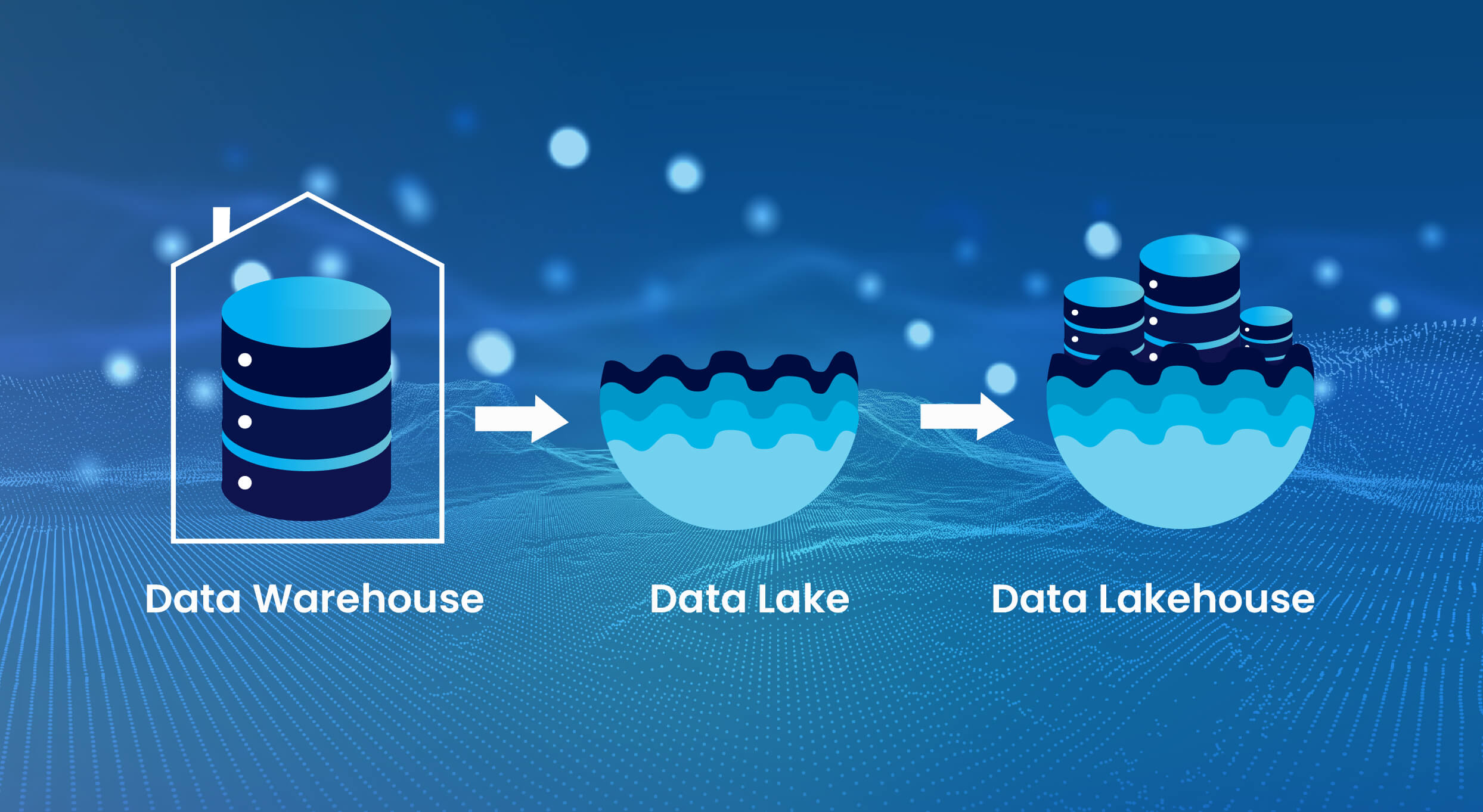
Cloud-based data lakes use a schema-on-read method to store raw, heterogeneous data (structured, semi-structured, and unstructured), resulting in great scalability and minimal storage costs, making them suitable for data exploration and machine learning. Data warehouses, on the other hand, store cleaned, organized data using a schema-on-write method to provide rapid, reliable business information and reporting, albeit being more expensive to grow. The decision is based on the specific data requirements, with data lakes offering flexibility and warehouses providing performance and consistency.
| Feature | Cloud-Based Data Lake | Data Warehouse |
|---|---|---|
| Data Type | All types: structured, semi-structured, and unstructured | Primarily structured |
| Schema | Schema-on-read (defined at query time) | Schema-on-write (defined before loading) |
| Processing | Stores raw data; transformations happen later (ELT) | Stores processed, clean data; transformations happen before loading (ETL) |
| Users | Data scientists, data engineers, analysts | Data analysts, business users |
| Use Cases | Big data, AI, machine learning, real-time analytics, data discovery | Business intelligence, reporting, dashboards |
| Performance | Slower query performance on raw data; can be fast with optimization | Fast, optimized queries for reporting |
| Scalability | Highly scalable and flexible | Scalable, but often with higher cost constraints |
| Cost | Lower storage cost per GB, but processing can add costs | Higher cost per GB; predictable cost-efficiency for frequent queries |
| Governance | Requires more effort and proper tooling for governance and security | Strong built-in governance and security controls |
What is a Data Lake?
A data lake is a storage repository designed to capture and store a large amount of all types of raw data. The data can be structured, semi-structured, and unstructured. Once it’s in the data lake, the data can be used in machine learning or artificial intelligence (AI) algorithms and models for business purposes. It can also be transferred to a data warehouse after processing.
Data lake examples
Data lakes can be used in a variety of sectors by data professionals to tackle and solve business problems. Some examples include:
- Marketing: Marketing professionals can collect data on their target customer demographic’s preferences from many different sources in a data lake. Platforms such as Hubspot store data in data lakes and then present it to marketers in a shiny interface. Data lakes enable marketers to analyze data, make strategic decisions, and build data-driven campaigns.
- Education: The education sector has begun using data lakes to track data on grades, attendance, and other performance metrics so that universities and schools can improve their fundraising and policy goals. A data lake provides the right amount of flexibility to handle these types of data.
- Transportation: A data lake is used when data scientists of airline and freight companies cut costs and increase efficiency to support lean supply chain management.
What is a Data Warehouse?
A data warehouse is a consolidated repository and information system that generates insights and informs business choices. Data is processed and grouped into categories, much like in a warehouse, before being stored on “shelves” known as data marts.
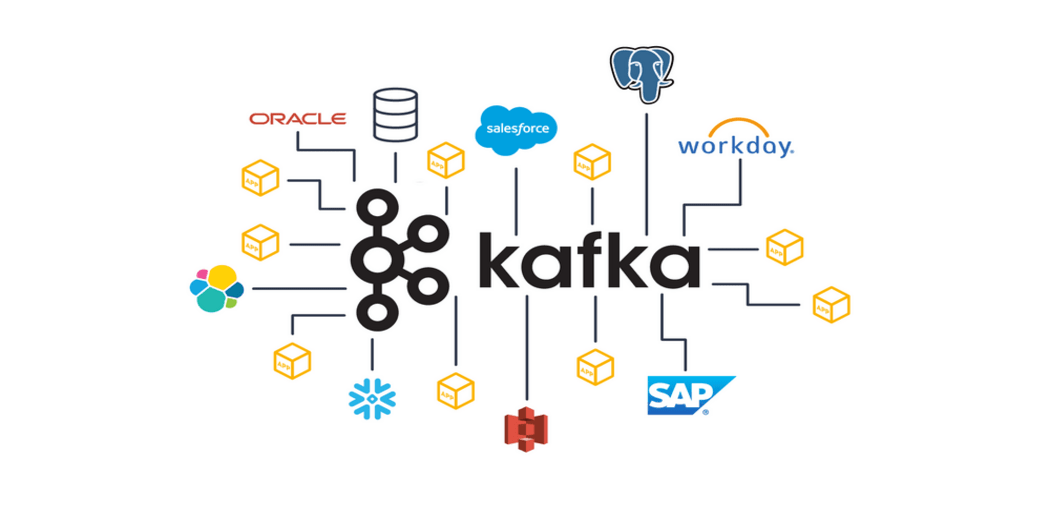
Read Also: Real-Time Data Streaming with Apache Kafka on the Cloud
Data warehouses organize data from various sources, such as relational databases, and use online analytical processing (OLAP) to analyze it. Data warehouses perform operations such as extraction, cleaning, and transformation.
Data warehouse examples
Data warehouses provide structured systems and technology to support business operations. Some examples include:
- Finance and banking: Financial companies can use data warehouses to provide company-wide access to the data. Rather than using Excel spreadsheets to create reports, a data warehouse can generate reports that are secure and accurate, saving companies time and money.
- Food and beverage: Big conglomerates (think Nestlé and PepsiCo) turn to high-performance enterprise data warehouse systems that enable them to run operations, consolidating sales, marketing, inventory, and supply chain data all in one place.
Data lakes, like real lakes, comprise various sources (“rivers”) of structured and unstructured data that feed into a single unified location. Data warehouses are designed to store pre-structured data that can be accessed and examined for specific reasons.
A data lake is ideal for some businesses, particularly those that rely on raw data for machine learning purposes. Others prefer a data warehouse because their business analysts require organized analytics.
The primary differences between a data lake and a data warehouse are as follows:
| Parameters | Data Lake | Data Warehouse |
|---|---|---|
| Data type | Raw (all types, no matter source or structure) | Processed (data stored according to metrics and attributes) |
| Data purpose | To be determined | Currently being used |
| Process | Extract Load Transform (ELT) | Extract Transform Load (ETL) |
| Schema position | After data storage, to offer agility and easy data capture | Before data storage, to offer security and high-performance |
| Users | Data scientists, those who need in-depth analysis and tools (such as predictive modeling) to understand it | Business professionals, those who need it for operations |
| Accessibility | Accessible and easy to update | Complicated to make changes |
| History | Relatively new for big data | The concept has been around for decades |
Summary
The vast majority of organizations use data warehouses, and there is a clear trend toward cloud data warehouses. Data lakes are often utilized by data scientists for machine learning and exploration of flat information.
Still, many firms employ both a data lake and a data warehouse to fulfill the gamut of their data storage demands. Some prefer to create a data lakehouse to incorporate essential capabilities from each. Let’s compare data lakes and data warehouses and see how they may work together to give a comprehensive data storage solution for your business.
| Data Lake | Data Warehouse | |
|---|---|---|
| 1. Data Storage | A data lake contains all an organization’s data in a raw, unstructured form, and can store the data indefinitely — for immediate or future use. | A data warehouse contains structured data that has been cleaned and processed, ready for strategic analysis based on predefined business needs. |
| 2. Users | Data from a data lake — with its large volume of unstructured data — is typically used by data scientists and engineers who prefer to study data in its raw form to gain new, unique business insights. | Data from a data warehouse is typically accessed by managers and business-end users looking to gain insights from business KPIs, as the data has already been structured to provide answers to pre-determined questions for analysis. |
| 3. Analysis | Predictive analytics, machine learning, data visualization, BI, big data analytics. | Data visualization, BI, data analytics. |
| 4. Schema | Schema is defined after the data is stored in a data lake vs data warehouse, making the process of capturing and storing the data faster. | In a data warehouse, the schema is defined before the data is stored. This lengthens the time it takes to process the data, but once complete, the data is at the ready for consistent, confident use across the organization. |
| 5. Processing | ELT (Extract, Load, Transform). In this process, the data is extracted from its source for storage in the data lake, and structured only when needed. | ETL (Extract, Transform, Load). In this process, data is extracted from its source(s), scrubbed, then structured so it’s ready for business-end analysis. |
| 6. Cost | Storage costs are fairly inexpensive in a data lake vs data warehouse. Data lakes are also less time-consuming to manage, which reduces operational costs. | Data warehouses cost more than data lakes, and also require more time to manage, resulting in additional operational costs. |









Comments