
 By
Cloud migration delivers transformative power to organizations: reducing cumbersome manual processes and enhancing security. Examine the 7 main reasons for the growing popularity of cloud migration among companies and why your business needs to migrate to a secure data center.
1. Scalability
Scalability is one of the main drawbacks of on-premise software. The current world is quite dynamic, and depending on demand, firms need a wide range of resources. Using local hardware to manage these significant swings is costly and difficult. A lot of companies will wind up overspending on hardware that they only ever use during periods of high demand. In the current, fast-paced, fiercely competitive market, this waste is unacceptable.
Migrating to the cloud provides the opportunity to scale resources up or down dependent on demand. Because of this flexibility, businesses can effectively manage their resources and meet demand spikes without making unnecessary hardware investments. Elasticity and scalability are two terms that will probably be considered in regard to cloud migration for organizations.
Scalability, another feature provided by cloud providers, is a solution that allows organizations to gradually increase their cloud workload in a pre-planned manner. Both features help make organizations more agile, allowing them to reach their goals more quickly and efficiently. The power of the cloud is its ability to easily scale your cloud workload without requiring you to invest in hardware or deal with any kind of maintenance costs. Elasticity is the ability of a cloud network to dynamically scale its capabilities in response to demand.
2. Security
The idea that switching to a remote network would be more secure may seem paradoxical to people who are accustomed to on-premises solutions. This is the case, though, for a number of reasons.
Consistency is a major factor. Cloud platforms are seamless systems created with the broad picture in mind, as opposed to the disorganized collection of various technologies and applications that many businesses accumulate as they expand. Strong cybersecurity requires maintaining consistent and well configured systems.
Additionally, public cloud providers make significantly larger internal investments in cloud security solutions than the majority of enterprises could. To make sure your data is protected from hackers, they can hire the top talent and use the best technology and software.
Lastly, by providing assistance, cloud computing also improves security. It is up to you to try to look into the problem, fix it, and get your data back when your network is attacked. The cloud provider will assist you in fixing the issue if your cloud-based application is attacked. They maintain several copies of data on various servers, which makes data recovery simple in the event of an incident.
3. Connectivity and Accessibility
Why make the move to the cloud? Improving your support for remote workers is one solution. 24/7 connectivity has never been more crucial, and remote work is still a popular trend. As long as there is an internet connection, cloud services allow staff members to access data and apps at any time and from any location. For remote access, local systems frequently require complicated VPN configurations or users to be physically present on the local network.
Smartphones, tablets, laptops, and desktop computers are just a few of the many devices that the cloud supports. By enabling simultaneous viewing, editing, and sharing of documents by numerous users from various places, remote networks promote cooperation. Once more, cloud suppliers provide consistently. The cloud removes the discrepancies that can arise with on-premises systems, where updates frequently need to be manually distributed, by guaranteeing that all users access the same version of the program and data.
4. Cost Efficiency
An on-premise network is very costly to buy and maintain. Backups, server licenses, server hardware, and batteries can all go into the thousands. Additionally, companies that currently use local hardware are probably spending thousands of dollars each month on system maintenance alone. Is demand increasing? You will have to purchase additional servers. These servers will then need to be installed and configured by professionals. Is demand declining? The maintenance expenses for the servers you previously bought will still be your responsibility.
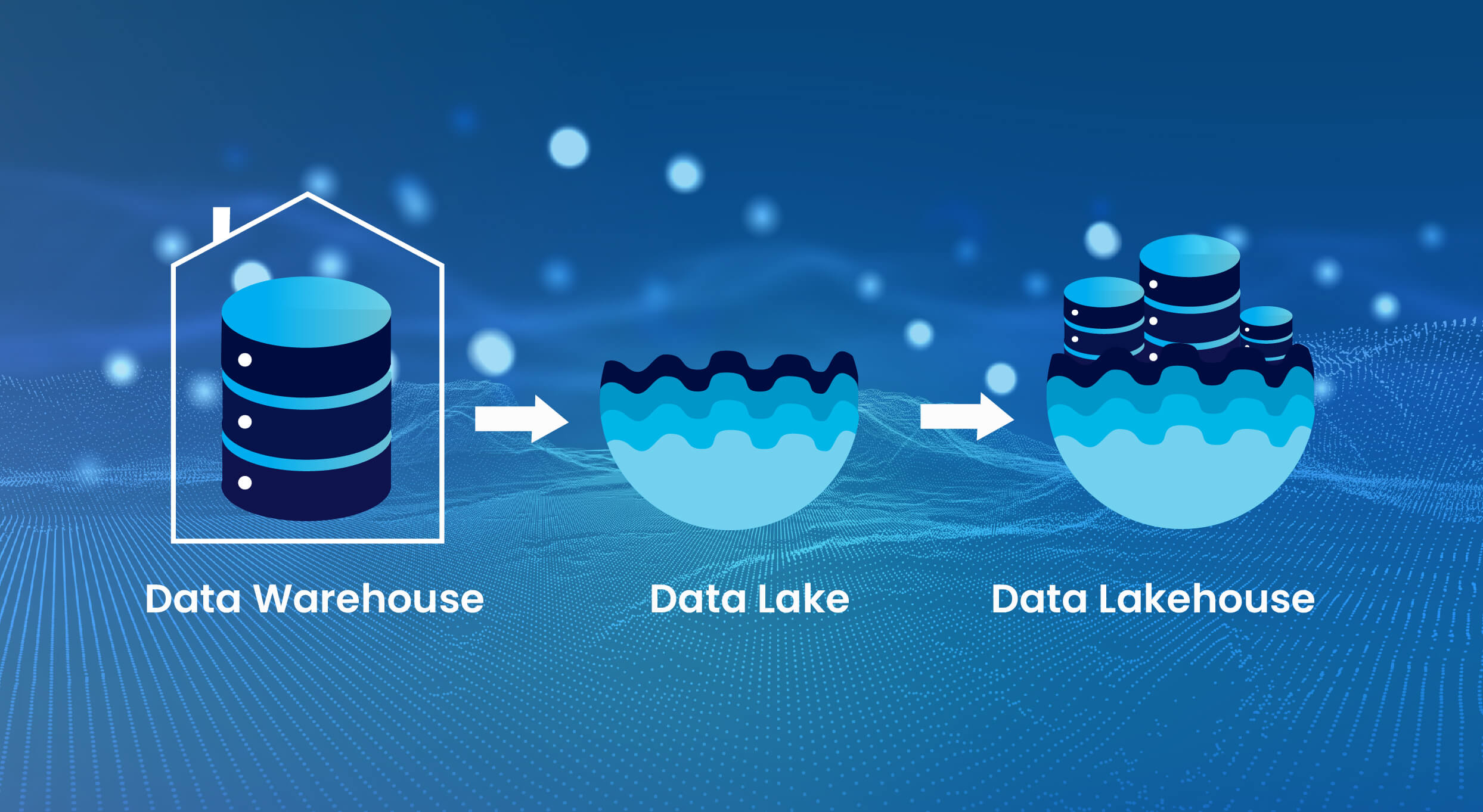
Read Also: What is a Cloud Data Lake?
By eliminating the need to purchase and maintain your own hardware, cloud migration helps you to become more cost-efficient. Additionally, your own IT personnel will be able to concentrate on higher-value duties because the cloud service provider will take care of a lot of the work for you, saving you money and increasing the efficiency of your company. Pay-as-you-go pricing is a common feature of cloud providers. Under this concept, cloud computing is paid for similarly to a utility bill. You only have to pay for what you use. This is an extremely effective and adaptable model.
5. Disaster Recovery
Another reason why many businesses are choosing cloud migration is disaster recovery. Downtime is a near-certainty when an on-premises network is destroyed by a calamity. With cloud systems, the opposite is true. Data is dispersed across numerous geographical locations by cloud providers. There would be almost little downtime if a natural disaster struck one cloud data center since other servers could take over right away. The budgets of most IT departments would not be able to support even a small amount of redundancy.
Automatic backups are also offered by cloud service providers. This guarantees that backups are carried out on a regular basis in accordance with the intended schedule. With on-premises backup solutions that frequently call for manual interventions, there is a significant danger of data loss from human error or negligence, which has happened to many enterprises.
6. End-of-Life Issues
Microsoft will discontinue support for Office 2016 and Office 2019 in October 2025. Developers frequently quit supporting software solutions as they get older. Businesses put themselves at risk if they keep using these antiquated software. The developer will release a security patch to fix vulnerabilities as they are found. However, once the program is no longer supported, security updates frequently stop.
Additionally, depending on end-of-life (EOL) software has a number of drawbacks. Businesses are frequently subject to stringent privacy and data protection regulations. Utilizing a system that is susceptible to tampering with knowledge could be seen as a breach of the law and have consequences. The expense of maintaining software increases with its age. When necessary, the few developers who have kept up their software maintenance skills will frequently charge much more. Moreover, EOL software frequently has trouble integrating with more recent technologies.
In contrast, cloud solutions are made to be adaptable and updated frequently with the newest technology, which promotes continuous innovation and smooth integration. Upgrading to new apps over time is made easy by the ability to add new settings and applications as a service.
7. Speed and Agility
Consumers of today have higher standards for the goods and services they deal with. Companies may now meet such expectations more quickly and nimbly than they could with on-premises tools thanks to the cloud. Development teams can get right to the heart of a project without having to start from scratch thanks to the cloud environment’s numerous pre-configured platforms and services. Additionally, you can easily launch new services and apps with the help of automated features and APIs.
For network-based apps, geographic distance from users frequently results in latency and a subpar user experience. But since cloud providers are frequently dispersed geographically, your app’s infrastructure will be closer to your users. This maximizes speeds and makes it possible for companies to quickly enter new markets without having to make large investments in local infrastructure.
Summary
These are the main explanations for why cloud migration is becoming so crucial for IT specialists and company executives. Scalability, improved security, and improved disaster recovery are just a few of the many advantages that come with shifting to the cloud.







Comments