
 By
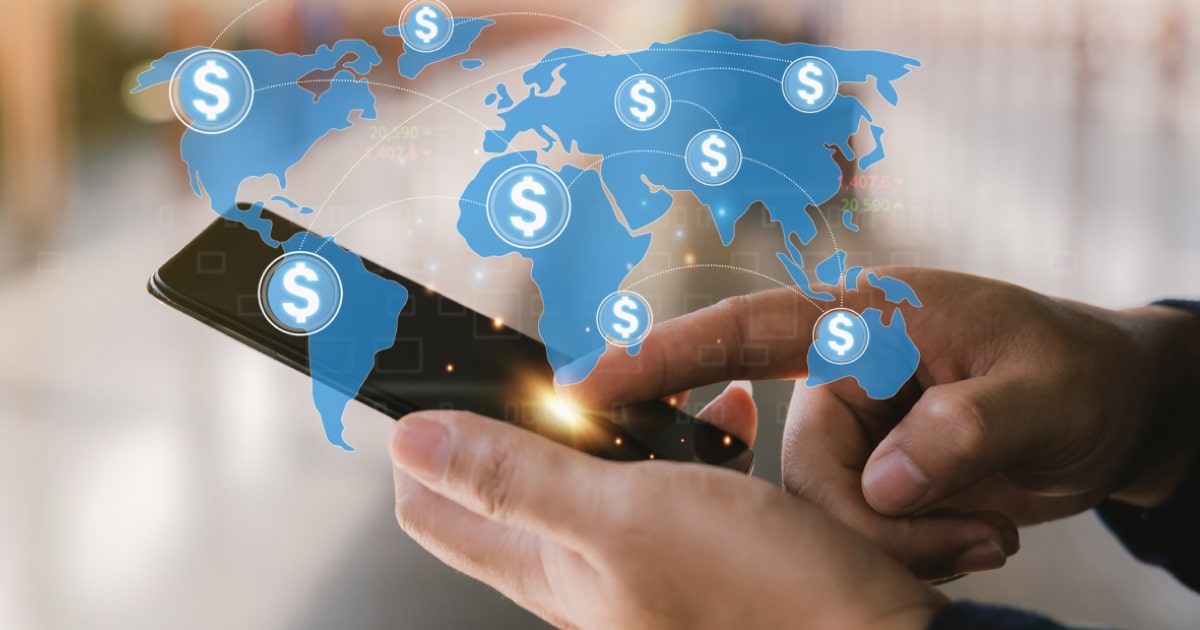
Cross-border payment solutions are critical for modern businesses to facilitate international expansion, streamline foreign currency operations, and cut expenses. They enable faster, more secure, and automated payments to worldwide suppliers, partners, and employees, avoiding slow, traditional, and expensive banking systems to increase cash flow and competitiveness.
Key reasons businesses need cross-border payment solutions include:
- Global Expansion and Market Access: These solutions enable companies to accept payments from international customers and pay suppliers in local currencies, facilitating entry into new markets without needing a local physical presence.
- Reduced Costs and High-Speed Transfers: Modern digital, automated platforms and fintech services (like Payoneer and Wise) lower transaction fees and offer better exchange rates compared to traditional bank wire systems, improving profit margins.
- Improved Cash Flow and Liquidity: Faster, near-instantaneous settlements allow businesses to hold onto funds longer, manage working capital better, and avoid long wait times that affect liquidity, especially for SMEs.
- Operational Efficiency and Automation: Tools with API integrations minimize manual data entry and errors, allowing for seamless, automated management of multi-currency, cross-border transactions.
- Regulatory Compliance and Security: Specialized solutions help manage complex international, region-specific regulations and mitigate risks related to fraud, security, and foreign exchange fluctuations.
- Scalability: As businesses grow, these solutions provide a flexible, scalable, and robust infrastructure capable of handling increasing volumes of international, cross-border payments.
In today’s interconnected globe, firms are no longer limited to functioning within a single country. With the growth of global trade and e-commerce, businesses are increasingly making transactions across borders. Cross-border payments are the flow of funds from one country to another. The process involves several participants and may be subject to a variety of regulations and constraints. As a result, cross-border payments can be difficult for firms to manage, resulting in delays, extra fees, and a lack of transparency. For these reasons, multinational corporations require a cross-border payment solution to help them overcome these obstacles.
With the ability to expand into new markets, hire global workers, and establish international supply chains seamlessly, businesses can operate like local enterprises, reducing risk and increasing attractiveness to stakeholders. In this blog, learn the six advantages of real-time cross-border payments:
• Speed. Wire transfers and other payment methods are often ill-equipped to keep international partners and employees satisfied. These transactions pass through an average of six financial institutions (FIs), and wire transfers can take as long as five days to arrive(1).
Even payments that may appear in real-time often aren’t and take hours or even days to settle. Real-time payments arrive in seconds, bringing clarity to cash management and allowing account holders to access funds instantly.
•Competitive advantage. The ability to transfer funds internationally instantly allows businesses to expand into new markets, hire global workers and build international supply chains in an incredibly streamlined way, as businesses can make payments just like they’re a local enterprise.
This not only reduces the risk but makes businesses a far more attractive prospect for partners, customers, and employees.
• Simpler innovation. A modern, open payments system affords the chance to generate and implement innovative overlay services upon real-retime payment rails, built with current open banking standards through API-based services.
• End-to-end communication. In the past, communication typically occurred in a one-way fashion: from the payer to the payee. To exchange information bilaterally, parties had to resort to methods outside the payments system. However, with real-time payments, the payment, and its associated data are combined into a single transaction.
• Cost. Costs for sending funds overseas remain high, with the global average being 6.5% of transaction value, rising to 8.2% in some regions(2). While RTP costs differ from network to network, they often tend to be cheaper than the slower alternatives.
• Liquidity management. Real-time payments can also greatly support a business’s liquidity management. By providing businesses with faster access to funds, businesses can better manage cash flow and take advantage of market opportunities. This can be especially beneficial for small and medium-sized businesses, which are often more reliant on cash flow to stay afloat.
Read Also: Cross-Border vs. Domestic Payments: Key Differences
Despite global innovations, accessing the global al-time payment space is difficult for most businesses and financial institutions to do on their own.
How Businesses Use Cross-Border Payments
Cross-border payments are the engine behind countless business operations. Here’s how they show up in real-world scenarios:
1. Paying International Suppliers and Freelancers
Whether you’re sourcing materials from Asia or working with a designer in Canada, businesses need a fast, reliable way to pay overseas vendors. Delays or errors here can strain relationships and slow down production.
2. Receiving Customer Payments from Abroad
Cross-border payments don’t just go out, they come in, too. E-commerce brands, B2B services, and exporters need infrastructure to accept payments from customers in other currencies and countries. The easier it is to pay you, the faster your global business can grow.
3. Cross-Border Payroll for Remote Teams
With distributed teams becoming the norm, businesses need seamless ways to run payroll across multiple countries. Ensuring employees and contractors are paid accurately and on time (in their local currency) is a must.
4. Settling Marketplace Earnings
If you sell on global marketplaces like Amazon, Etsy, or Upwork, your earnings often come in different currencies. Managing payouts across platforms and countries can get complex, unless you have a centralized solution.
5. Paying for B2B SaaS or International Services
Think email platforms, cloud hosting, legal support, or marketing consultants. Businesses frequently rely on international services and tools, and having an efficient payment method simplifies vendor relationships.
Benefits and Limitations of Cross-Border Payments
No payment method is perfect. Here’s what to expect when dealing with international transfers:
Benefits
- Wider Reach: You’re not limited by geography. Tap into talent, customers, and markets around the world.
- Business Scalability: As your operations grow, you can expand into new regions without needing to overhaul your financial setup. Note that this is only possible if your chosen payment platform is scalable.
- Process Efficiency: Modern platforms offer automation, API integrations, and dashboards that help reduce manual errors and administrative overhead.
Limitations
- High Costs: Traditional payment routes often involve multiple intermediaries, hidden fees, and costly FX margins.
- Slow Settlement: Some corridors still take several days for payments to clear, especially with banks.
- Compliance Complexity: Varying regulations across countries can slow transactions or even block them if not properly handled.
Bottomline
A genuinely localized payment solution must support real-time transactions in many currencies via local and international payment networks. Furthermore, it is critical to maintain compliance with local rules and provide access to competitive foreign exchange rates. Although achieving this independently can be difficult for many, it is critical to find the ideal B2B payments partner who possesses the necessary infrastructure, payment networks, and established partnerships to satisfy the needs of modern global organizations.


Comments