
 By
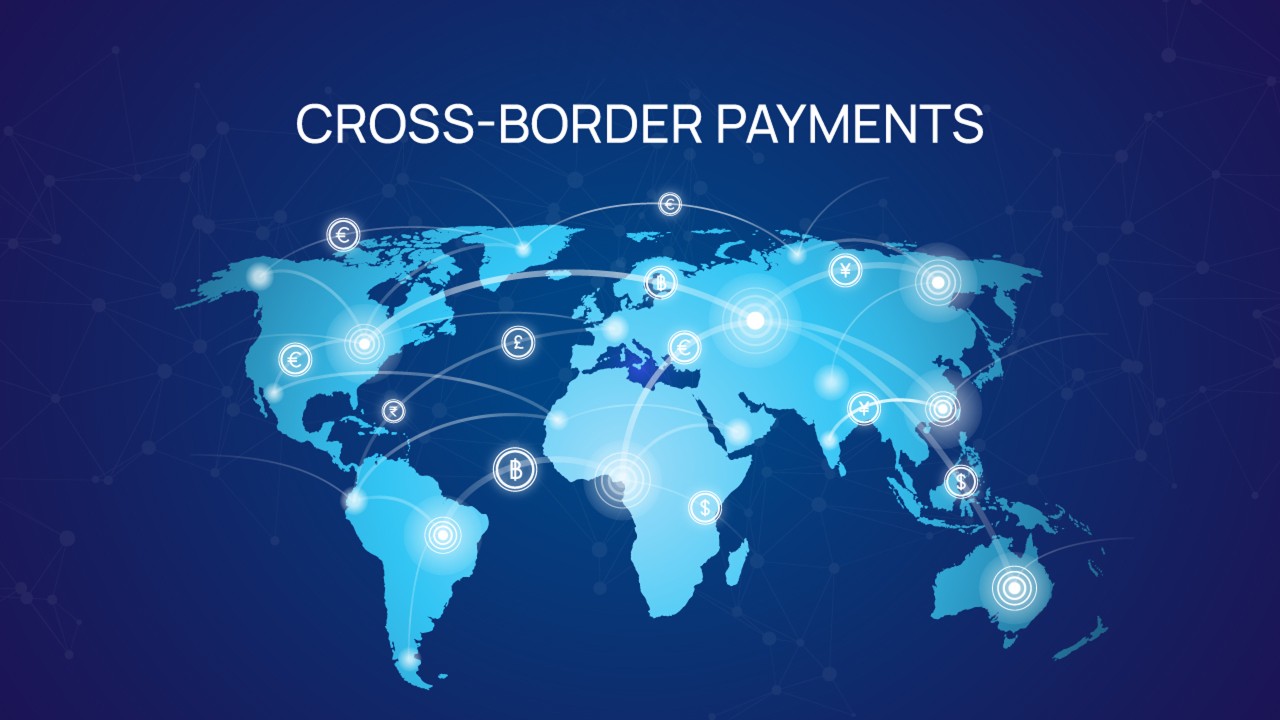
Cross-border payments involve transactions between various countries, which are distinguished by higher fees, slower speeds (days), complex rules, and currency exchange. Domestic payments, on the other hand, take place within a single country and are distinguished by cheap prices, great speed (sometimes instant/same-day), and easy regulatory compliance.
Key Differences: Cross-Border vs. Domestic Payments
- Transaction Speed: Domestic payments are usually instant or same-day. Cross-border payments can take several days due to multiple intermediaries, time zone differences, and clearing processes.
- Costs and Fees: Cross-border transactions are significantly more expensive, often costing up to 10 times more than local transactions. They include currency conversion fees, international service fees, and intermediary bank fees.
- Currency and Exchange: Domestic transactions use a single, local currency. Cross-border transactions often require foreign exchange (FX) services, introducing currency fluctuation risks.
- Regulatory Compliance: Cross-border payments must adhere to international regulations and multiple legal frameworks, increasing complexity and risk of delays.
- Transparency: Domestic payments offer high transparency and easy tracking. Cross-border payments often lack transparency, making it difficult to trace the status of funds as they move through various banks.
Summary Comparison Table
| Feature | Domestic Payment | Cross-Border Payment |
|---|---|---|
| Speed | Instant to same-day | Days (usually 1-5+) |
| Cost | Low (sometimes free) | High (fees + FX rates) |
| Currency | Single Currency | Multiple Currencies |
| Regulation | Single jurisdiction | International compliance |
| Intermediaries | None to one | Multiple banks/intermediaries |
While innovations like blockchain and digital assets are emerging to speed up international transfers, traditional cross-border payments still face significant hurdles compared to the efficiency of domestic systems.
Domestic and cross-border payments have different speeds, costs, convenience, security, and transparency. Domestic payments occur within a single country and are typically faster, cheaper, and more integrated. Cross-border payments include sending funds between nations and frequently require additional stages, taxes, and laws. The goal of your transaction, whether personal, business, or international help, determines which system you should choose. This article explains how each system works, analyzes key performance indicators, and discusses the benefits and drawbacks of both, allowing you to make more educated decisions in today’s rapidly changing payment landscape.
How Each Payment System Works: Domestic vs. Cross-Border Payments
What Sets Domestic Payments Apart
Domestic payment systems work within one country or a single currency zone. These systems include a central bank, clearing house, and various financial institutions like banks. There are two types: retail and wholesale systems. Retail systems manage everyday payments, like check cashing and bill payments. Wholesale systems handle big transactions such as interbank transfers or corporate settlements. Domestic payments are usually fast, secure, and follow set rules and infrastructure. These systems are reliable because they use a shared framework everyone in the country follows.
How Cross-Border Payments Work
Cross-border payment systems move money between people or companies in different countries. They connect multiple domestic systems through intermediaries like correspondent banks or money transfer services. These systems also fall into two types: traditional and alternative. Traditional systems rely on SWIFT, a global network that helps banks exchange information. Alternative systems use technology like blockchain, crypto, or fintech platforms to attempt faster or lower-cost transfers, although results can vary due to regulatory and operational challenges.
Users should ensure that these platforms comply with applicable Bank Secrecy Act (BSA) and anti-money laundering (AML) standards, in line with the Order Express Inc. BSA/AML Corporate Compliance Manual v25.1. Third-party platforms used for cross-border payments must be properly registered and monitored by regulatory authorities such as FinCEN. Order Express does not permit agents or services to independently offer cryptocurrency or blockchain-based transfers unless specifically authorized and compliant with all applicable AML regulations and licensing standards.
Domestic vs. Cross-Border Payments: Key Performance Factors
When comparing domestic and cross-border payment systems, five main performance factors are important:
- Speed
- Cost
- Convenience
- Security
- Transparency
These elements affect how smoothly and reliably payments are made. Each factor plays a role in user satisfaction and overall system performance. However, improvements in these areas must not compromise AML obligations or regulatory controls. All payment systems must adhere to compliance standards regardless of speed or convenience. Understanding these can help individuals and businesses choose the right payment method for their needs.
Speed: How Fast Payments Are Completed
Speed measures how quickly a payment is processed and settled. Domestic payments often clear in real-time or on the same day. This is made possible by systems like Faster Payments or RTGS. Cross-border payments, however, can take several days. Delays happen due to time zone differences, banking rules, and extra processing steps. To improve timing, services backed by organizations like the Consumer Financial Protection Bureau (CFPB) encourage faster, safer money movement.
Cost: What You Pay to Send or Receive Money
Cost covers all charges tied to making a payment, including service fees and currency exchange. Domestic payments are usually cheap or free for most users. Cross-border payments cost more because of multiple fees, currency conversion, and compliance requirements. These charges are often less predictable and can vary by provider. For immigrants and underbanked communities, platforms aligned with MyMoney.gov or the IRS’s ITIN resources help reduce financial barriers.
Convenience: How Easy It Is to Use the Payment System
Convenience looks at how simple and accessible a payment method is. Domestic systems connect easily with local banks and apps, offering access via mobile, ATMs, or online. These tools make everyday payments fast and user-friendly. Cross-border payments are often less convenient, needing more details like international codes and extra steps to meet legal rules. Order Express offers services that cater to both simple domestic needs and complex international remittances, especially for immigrant communities.
Security: How Well Your Money and Data Are Protected
Security protects payment information and funds from fraud and misuse. Domestic systems have strong safeguards like local regulations, fraud detection, and identity checks. Cross-border payments face more risk due to differing global security rules and more complex networks. This makes them more exposed to online threats and cybercrime. Users are encouraged to consult resources like StaySafeOnline.org and IdentityTheft.gov to stay informed on protection measures.
Read Also: Key Players in International Money Transfers
In addition, customers must comply with Know Your Customer (KYC) requirements, especially when sending or receiving $3,000 or more, or as specified by state thresholds. Proper identification is required for these transactions in line with anti-money laundering rules.
Note: KYC thresholds may vary by state. For example, in Arizona and Oklahoma, identification may be required for amounts as low as $900 to $1,000, depending on transaction type.
Transparency: How Clear the Payment Details Are
Transparency refers to how easily users can understand fees, timing, and terms. Domestic payments usually offer clear, upfront details, so users know what to expect. Cross-border payments often lack this clarity. Hidden fees, vague timelines, and unclear exchange rates may occur, especially when multiple intermediaries are used and depending on the provider’s disclosure practices. Regulatory oversight from bodies like the Federal Trade Commission (FTC) helps enforce clearer terms.
Currency Transaction Reports (CTRs) are required for cash transactions that total greater than 10 000 USD in one business day. Suspicious Activity Reports (SARs) are generally required when aggregate transactions reach 2 000 USD and suspicious activity is detected. In addition, all Currency Transaction Reports (CTRs) and Suspicious Activity Reports (SARs) must be submitted through the FinCEN BSA E-Filing System as required by federal regulation.
In summary, domestic systems usually perform better in speed, cost, and user-friendliness. Cross-border systems face more challenges due to their complexity and global reach. Enhancing these key factors is vital for building faster, cheaper, and more trustworthy international payment solutions.
Benefits and Challenges of Payment Systems
Understanding the pros and cons of domestic and cross-border payment systems helps improve financial networks and encourages innovation. Below is a summary of the main benefits and challenges of domestic systems.
Domestic Payment Systems: Strengths and Weaknesses
Domestic payment systems offer several key advantages. They are usually faster and more affordable since they avoid currency exchange and international intermediaries. Users enjoy greater ease and security by using familiar banks, apps, and services. These systems also feature strong integration, helped by shared infrastructure and common rules.
Despite these strengths, challenges remain. One major drawback is limited global access, making them less ideal for cross-border trade. Innovation may lag due to strict rules or few competitors. Local systems can also be more exposed to economic or political issues that may hurt stability and user trust. Groups such as the FDIC – Money Smart offer education to help consumers better navigate these limitations.
Note: Third-party education platforms referenced here are not affiliated with or endorsed by Order Express Inc.’s official compliance program.
Cross-Border Payment Systems: Pros and Cons
Cross-border payment systems offer valuable advantages for global transactions. They allow users to send and receive money across countries and currency zones, expanding market access. These systems also drive more innovation and competition, thanks to the rise of fintech companies and new technologies. Spreading transactions across different regions helps reduce reliance on a single system or country. Insights from World Bank Remittance Data help identify global trends and challenges in this area.
However, cross-border systems face notable challenges. Payments are often slower and more costly due to multiple intermediaries and currency conversions. Users may find them less convenient or trustworthy when using unfamiliar tools and following complex rules. A major obstacle is poor interoperability, as global systems often use different standards and technologies, making smooth integration difficult. Reports by organizations like Pew Research on Hispanic Trends reveal the real-world impact of these barriers.
How to Choose Between Domestic and Cross-Border Payment Systems
There’s no single right answer when deciding between domestic and cross-border payment systems. The best option depends on your goals, priorities, and situation. Still, you can follow a few simple steps to make a smart, informed choice:
Know Why You’re Sending Money
Start by identifying the purpose of your payment. Common reasons include:
- Personal (like remittances or online purchases)
- Business (like supplier payments or payroll)
- Charitable (like donations or international aid)
Your reason will help determine which features matter most.
Decide What Matters Most to You
Think about the performance factors that are most important for your transaction:
- Speed: Do you need the money delivered quickly?
- Cost: How much can you afford to pay in fees or exchange rates?
- Convenience: Is it easy to send and receive the funds?
- Security: Do you need strong protection against fraud?
- Transparency: Do you want clear info on fees and timelines?
Explore Your Options
Research payment systems that match your needs:
- Domestic or cross-border
- Retail or wholesale
- Traditional channels (like banks or SWIFT) or newer ones (like fintech and crypto services)
Each type offers different benefits depending on the situation.
Compare the Pros and Cons
Match each option to your priorities. For example:
- Domestic systems are faster and cheaper but only work within one country.
- Cross-border systems reach global markets but may have higher costs or delays. Explore other services that combine the benefits of domestic speed with international reach through hybrid payment tools.
Pick the Best Fit or Mix Them
Choose the option that best meets your needs. Or combine methods to get better results. For example, use a local courier payment service to send money and a global platform to receive it. This flexible approach can improve both speed and cost.
Conclusion
Your individual transaction demands, priorities, and goals will determine whether you use domestic or cross-border payment systems. Domestic payments provide speed, cheap costs, and ease of use within a single country. Cross-border payments, while more complicated, broaden your worldwide reach and encourage innovation. Users can make more informed decisions by understanding critical performance characteristics such as speed, affordability, convenience, security, and transparency.
Whether you’re sending money for personal reasons or handling global commercial operations, taking the time to weigh your options is critical. Evaluate your needs, look at accessible resources, and don’t be afraid to combine solutions. The correct payment system will save you time, money, and aggravation while increasing trust and efficiency in all transactions.


Comments