
 By
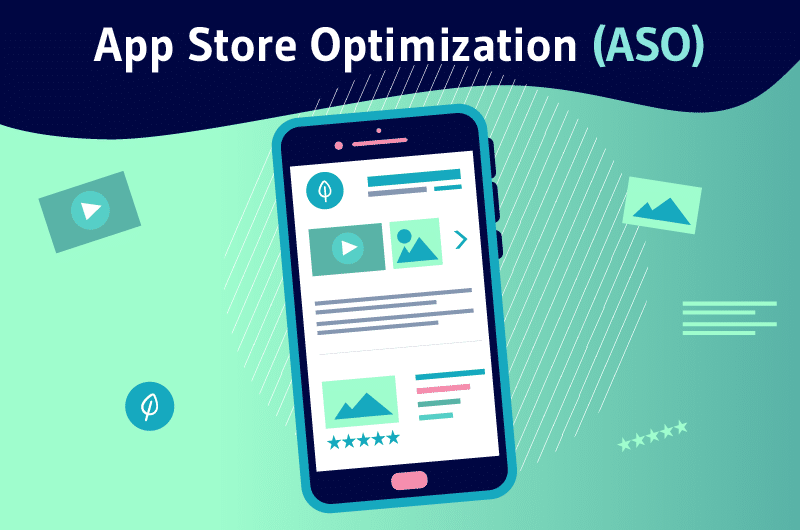
The ongoing process of increasing a mobile app’s visibility, organic ranking, and conversion rates in app marketplaces like the Apple App Store and Google Play is known as App Store Optimization, or ASO. With millions of apps accessible, ASO is critical for discovery, drawing in quality users, lowering paid marketing expenses, and guaranteeing an app’s long-term success.
The process of improving an app’s visibility within app stores, such as the Google Play Store and Apple App Store, in order to boost organic downloads is known as App Store Optimization (ASO). To put it simply, it’s about increasing the number of people who find your app without depending only on paid advertising.
Consider ASO as Search Engine Optimization’s (SEO) app store counterpart. Mobile apps depend on ASO to show up in the top spots when consumers search for relevant keywords in app stores, much as websites need SEO to rank higher on Google search results. However, ASO has a significant impact on how well your app converts store traffic into users in addition to search rankings.
Ranking algorithms are used by app stores to evaluate many aspects of your app listing, including install volume, user ratings, keyword relevancy, engagement metrics, and visual attractiveness. Your app will appear higher in search results, top charts, and curated collections when these components are strategically optimized, which will eventually increase traffic and downloads.
With millions of apps competing for users’ attention in today’s mobile-first environment, ASO is now necessary rather than optional. Without it, a sea of rivals may overshadow even the most inventive software. However, over time, you may greatly enhance your app’s discoverability, believability, and download success with a solid ASO plan.
By consistently upgrading your app’s metadata, creative assets, and user interaction signals, you’re not only increasing its visibility but also giving prospective users who come across your listing a more seamless and compelling experience. Better conversion rates, increased retention, and eventually more sustainable app growth are the outcomes of this.
Why ASO Matters in 2025-2030
In the highly competitive and sophisticated app market of 2025-2030, ASO is a mandatory, foundational strategy for several key reasons:
- Dominance of Organic Search: An estimated 65% of all app downloads on the App Store originate from organic keyword searches, and a significant portion of those are generic searches (e.g., “fitness tracker,” not a specific brand name). ASO ensures your app appears in these crucial moments of user intent.
- Intensifying Competition: With over four million apps combined on the App Store and Google Play, simply having a great app is not enough; effective ASO is the difference between being discovered and remaining invisible.
- Cost-Effective User Acquisition: The cost per install (CPI) through paid advertising has risen significantly. ASO provides a relatively low-cost, sustainable method for acquiring users who are genuinely interested in your app’s functionality, leading to a higher return on investment (ROI).
- Smarter App Store Algorithms: Algorithms are increasingly sophisticated, weighing factors beyond simple keywords, such as user engagement, retention rates, app stability (Android Vitals), and the frequency of updates. ASO strategies must now focus on overall app quality and user experience to succeed.
- Importance of Conversion Rate Optimization (CRO): Appearing in search results is only half the battle. Optimized visual assets (icons, screenshots, videos) and compelling descriptions are vital for converting views into downloads. A/B testing these elements is essential for data-driven decisions that boost conversion rates.
- Hyper-Localization and Global Reach: The global app market is growing, making localization critical. This goes beyond translation, involving cultural adaptation of visuals and messaging to resonate with diverse regional audiences, which can significantly increase downloads in international markets.
- Integration with Overall Marketing: ASO works in tandem with other marketing efforts, such as paid user acquisition (UA) campaigns. An optimized app page improves the conversion rate of paid traffic, making ad campaigns more efficient and effective.
- Leveraging New Features: App stores constantly introduce new features like Custom Product Pages (iOS) and Custom Store Listings (Google Play), and in-app events. ASO involves strategically utilizing these tools to target specific user segments and seasonal trends for enhanced engagement and visibility.
- Building Trust and Credibility: High ratings, positive reviews, and a professionally presented app page act as social proof, building user trust and significantly influencing download decisions. Proactively managing and responding to reviews is a key ASO component.
- AI Integration: Artificial intelligence and machine learning are increasingly used in ASO tools to analyze user behavior, refine keyword strategies, and automate certain tasks, making ASO more efficient and data-driven in the future.
In the coming years, ASO will continue to evolve from a “useful option” to the foundation of sustainable app growth, requiring continuous testing, analysis, and adaptation to the dynamic mobile landscape.
Key Steps To Take
As of 2024, ASO has developed into a complex procedure that has the power to determine how well an app performs in the Google Play Store and the Apple App Store. Here’s a thorough examination of the importance of ASO, current data, and practical advice for maximizing your app’s store visibility.
- 1. Increased Competition in App Stores
In 2024, the Google Play Store and Apple App Store collectively offer more than 6 million apps, with Apple’s App Store hosting approximately 2 million and Google Play Store hosting around 4 million apps. This high volume means that discoverability is more challenging than ever. A well-optimized app stands out from competitors and captures the attention of potential users.
- 2. Enhanced User Retention and Engagement
ASO isn’t solely about initial downloads; it’s also critical for user retention and engagement. Studies show that about 25% of users abandon an app after just one use, making it essential to attract users who are genuinely interested in your app’s offerings. A well-executed ASO strategy targets the right audience, ultimately leading to higher retention rates and stronger lifetime value.
- 3. Lowered User Acquisition Costs
ASO is one of the most cost-effective methods of user acquisition. While paid campaigns can boost downloads, ASO can drive up to 70% of organic downloads, reducing dependency on ad spend. This is a key factor for startups or smaller companies with limited marketing budgets.
- 4. Better Visibility in App Search
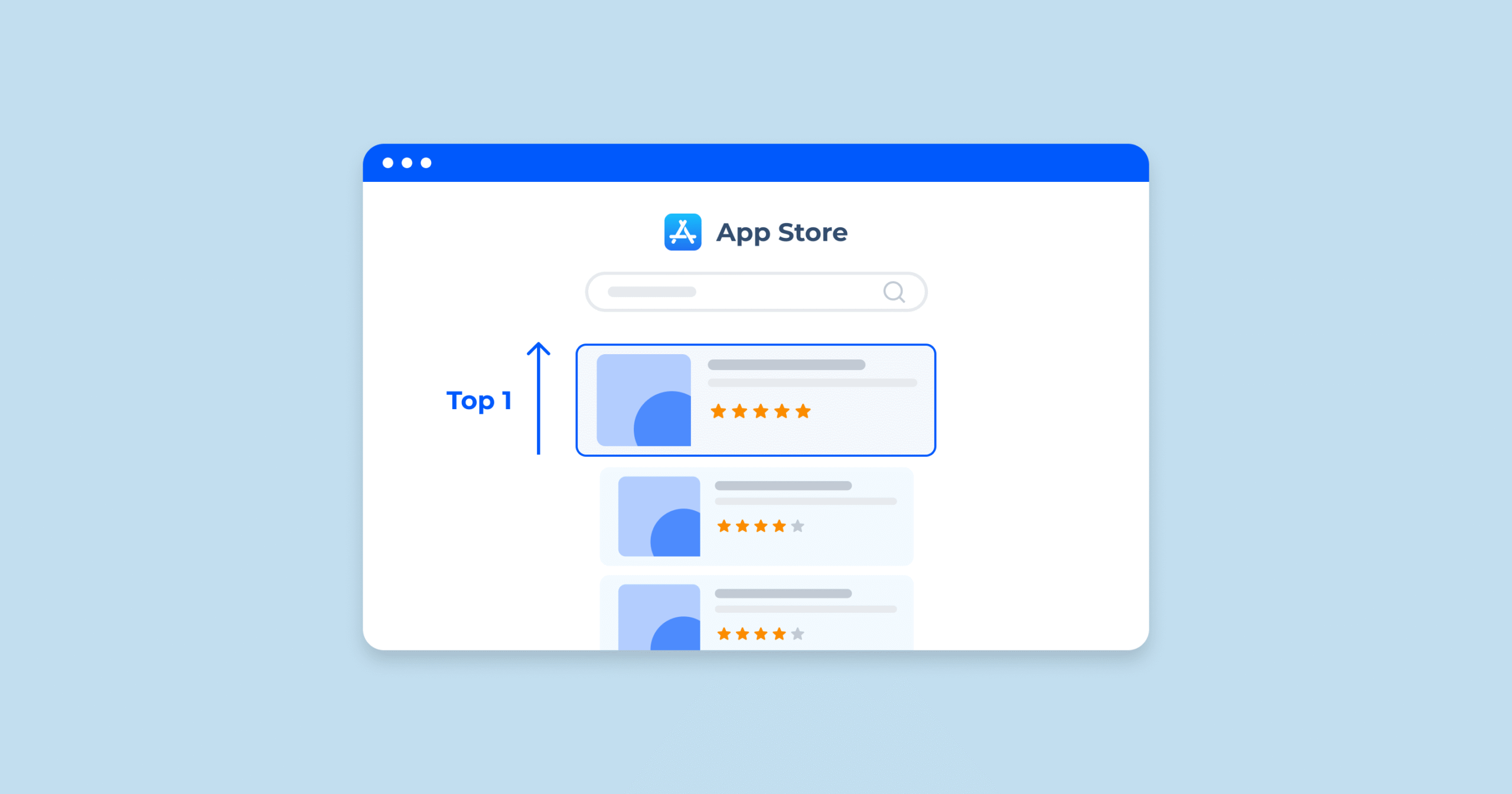
Nearly 65% of app downloads come directly from app store searches, making search optimization crucial for visibility. With ASO, an app is more likely to appear in relevant searches, leading to increased downloads and a better chance of climbing the top charts.
- 5. Localized Reach and Global Expansion
ASO is indispensable for reaching global markets. In 2024, app localization and targeting specific regions are essential for growth. Translating app listings and adjusting keywords to cater to local languages and trends can significantly boost downloads across various markets.
Conversion rate optimization (CRO), keyword research, and app title optimization are just a few of the components that make up effective ASO. The following are crucial actions to optimize your app:
1. Keyword Research and Optimization
Keyword optimization is the foundation of ASO. Choosing the right keywords ensures that your app appears in relevant search results, maximizing visibility and potential downloads.
- Identify High-Traffic Keywords: Use ASO tools like AppTweak, Sensor Tower, or Mobile Action to discover keywords with high search volume but moderate competition.
- Optimize for Long-Tail Keywords: Target long-tail keywords with lower competition but a high relevance to attract a specific audience. For example, instead of using “fitness,” try “fitness for beginners” or “at-home workouts.”
- Update Keywords Regularly: Regularly analyze the effectiveness of your keywords and update them to reflect new trends, user behavior, and seasonal changes.
2. Optimize the App Title and Subtitle
The app title is a critical element in ASO, as it directly affects your search ranking. Include relevant keywords while keeping the title clear and memorable.
- Apple App Store: Use up to 30 characters for the title and 30 for the subtitle. Incorporate keywords strategically but avoid keyword stuffing.
- Google Play Store: Here, you have 50 characters for the title. Google Play also allows you to include keywords in the short and long descriptions, enhancing visibility.
3. App Description Optimization
The app description serves as a way to convey the app’s value proposition to potential users and increase its ranking potential.
- Apple App Store: The description doesn’t directly impact ASO, but it’s crucial for conversion rates. Clearly outline your app’s features and benefits.
- Google Play Store: The short description (80 characters) and full description (up to 4,000 characters) influence search rankings, so optimize with relevant keywords without compromising readability.
4. Eye-Catching App Icon Design
The app icon is often the first thing users notice. A unique and visually appealing icon can significantly boost your app’s click-through rate (CTR).
- Prioritize Simplicity and Branding: Use a clean design that’s easily recognizable. Keep in mind the icon sizes required for various devices.
- Test Variants: Conduct A/B testing on icon designs to see which variant garners more downloads.
5. Screenshots and Videos
Visuals are a crucial part of an app’s listing, as they give users a sense of the app’s interface and experience.
- Screenshots: Include high-quality screenshots that showcase the app’s main features. Use captions to emphasize the benefits of each screen.
- Video Previews: Adding a preview video can improve conversion rates by up to 30%. Keep it short (15–30 seconds) and demonstrate the app’s core functionalities.
6. Encourage User Reviews and Ratings
Apps with higher ratings and positive reviews rank better in app stores. Aim to achieve a 4-star rating or higher, as apps with higher ratings attract more users.
- Use In-App Prompts Strategically: Ask for reviews only after users have completed a positive interaction to avoid low ratings.
- Respond to Feedback: Address user feedback promptly, especially for negative reviews. This improves user satisfaction and increases retention.
7. A/B Testing for Conversion Rate Optimization
A/B testing allows you to test different elements of your app listing, including the title, icon, screenshots, and descriptions, to see which versions yield the highest conversion rates.
- Experiment with Different Variants: Google Play offers native A/B testing through Google Play Console, while Apple provides similar tools in App Store Connect.
- Measure and Iterate: Regularly monitor performance data to see which changes have the most impact on download rates.
8. Localization
Localizing your app is essential for increasing downloads globally. By adapting your app store listing to various languages and cultural preferences, you can expand your user base significantly.
- Translate Keywords and Descriptions: Adapt your app listing to the language and keywords commonly used in specific countries.
- Consider Visual Localization: Change screenshots and videos to reflect cultural differences. For example, use region-specific currency symbols, units of measurement, and color schemes.
Key Benefits of App Store Optimization
ASO delivers measurable advantages that go beyond increased downloads. It builds a strong foundation for long-term success and app profitability.
1. Increased visibility
ASO ensures your app ranks higher in relevant searches by targeting high-volume keywords and optimizing metadata. Creative assets such as eye-catching visuals and preview videos further enhance discoverability, attracting more users.
Read Also: Why Should You Consider Progressive Web App Development for Your Business
Localization plays a vital role in expanding visibility, enabling apps to tap into global markets by tailoring content for non-English-speaking users. Features like in-app events and promotional content increase exposure by showcasing your app in curated collections and special sections.
2. More downloads and revenue
Improved visibility directly translates into more downloads and higher revenue. With better rankings in search results, your app becomes the top choice for users, reducing reliance on paid campaigns.
3. Higher conversion rates
An engaging app page with compelling visuals, informative descriptions, and optimized metadata increases conversion rates. Features like custom product pages and A/B testing allow you to tailor your app’s presentation to maximize user interest and drive downloads.
4. Lower acquisition costs
An optimized app store product page yields higher conversion rates which in return can lead to lower Cost per Installs (CPI), improving the ROI of paid campaigns. An optimized app page ensures that the traffic generated by your marketing efforts converts efficiently.
5. Enhanced user engagement and retention
Featurings, in-app events and promotional content can help re-engage users and showcase new features, keeping your app relevant and increasing long-term user loyalty.
Basic Elements of ASO
1. Keywords and Metadata
Comprehensive keyword research is fundamental to ASO. Keywords ensure your app appears in relevant search results, but identifying high-traffic, low-competition keywords requires data-driven insights and an understanding of user behavior.
2. App Title and Description
- App Title: Should be short, catchy, and include primary keywords.
- App Description: Clearly outline your app’s key features and benefits, incorporating secondary keywords naturally.
Both the Apple App Store and Google Play Store have distinct optimization strategies, requiring regular updates to align with platform-specific algorithms.
3. Visual Elements: Icons, Screenshots, and Videos
Visuals play a crucial role in engaging users.
- Icons: Must be clean, recognizable, and reflective of your app’s purpose.
- Screenshots: Highlight key features and user benefits.
- Video Previews: Provide a compelling overview of the app’s functionality and user experience.
4. Download Velocity
The speed at which your app is downloaded impacts rankings significantly. A high download velocity—particularly during the launch phase—signals demand, improving your app’s visibility.
5. User Ratings and Reviews
Positive reviews and high ratings build trust and improve rankings. Proactively encourage satisfied users to leave reviews while addressing negative feedback promptly to maintain credibility.
6. Release Notes and Updates
Frequent updates demonstrate active app development, enhancing user satisfaction and ranking. Use release notes to communicate changes and improvements.
7. Localization
Tailor your app’s content—including titles, descriptions, and creatives—for different languages and regions. Localization broadens your app’s reach and increases engagement in global markets.
Advanced ASO Strategies
1. Utilizing In-App Events
Highlight in-app events, promotions, or updates directly on your app store page. This feature can re-engage previous users, attract new ones, and improve engagement metrics—all of which contribute to better rankings.
2. Data Management
Track keyword performance and user behavior to refine your ASO strategy. Focus on high-intent keywords that attract users with high lifetime value (LTV) and retention rates.
3. Custom Product Pages
Custom product pages enable targeted messaging for specific user segments. For example, create unique visuals and descriptions for users driven by specific campaigns to increase relevance and conversions.
4. A/B Testing
Optimize your app store listing by testing variations of:
- Icons: Experiment with different designs to identify what resonates best.
- Screenshots and Videos: Test visuals that highlight different features.
- Descriptions: Refine your messaging to align with user preferences.
5. Off-Store ASO Strategies
Enhance app visibility by promoting your app store page through backlinks, social media, and external websites. However, ensure your campaigns target users likely to download the app, as irrelevant traffic can hurt your conversion rate.
As mobile usage continues to grow, ASO is also evolving. Key trends to watch include:
- AI-driven keyword optimization
- Voice search and conversational queries
- Enhanced personalization in app stores
- Cross-platform discoverability
- Deeper integration with paid UA strategies
Staying ahead of these trends ensures your ASO strategy remains future-proof.
1. User Engagement Metrics
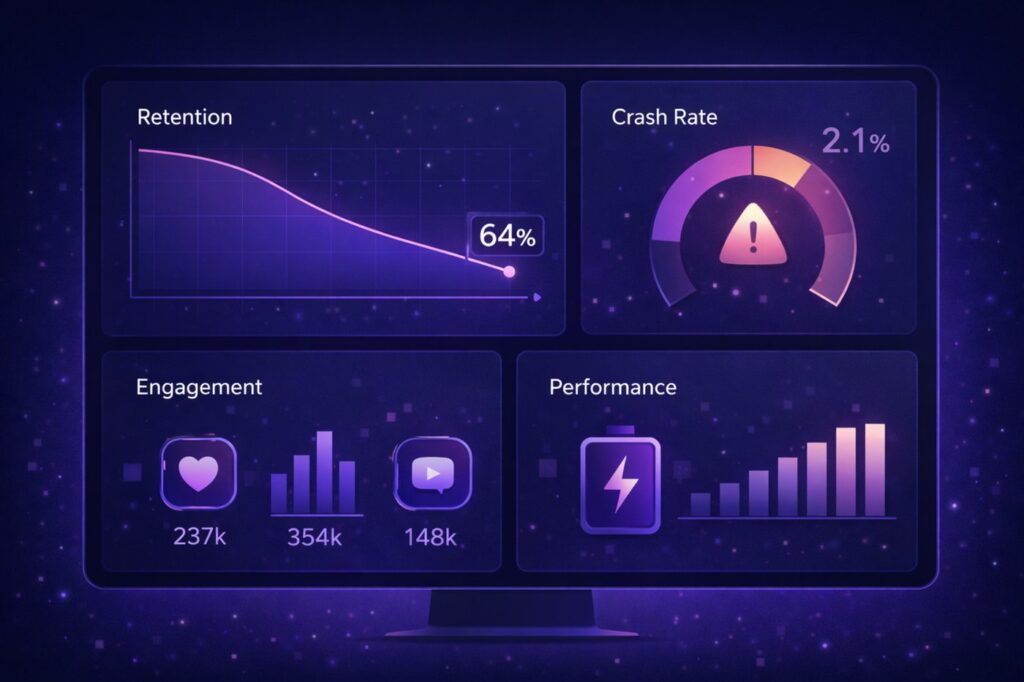
App stores are placing greater importance on engagement metrics such as retention rates, session durations, and in-app actions. Enhancing user experiences and engagement will have a direct impact on rankings.
2. AI and Emerging Technologies
With the rise of AI and AR, platforms like the Apple Vision Pro, other XR Glasses and devices are reshaping app store experiences. ASO practices, from keyword research to visual optimization, will evolve alongside these advancements. This evolution connects to what Generative Engine Optimization (GEO) is, a new discipline focused on optimizing content for AI-driven search engines.
3. Voice Search Optimization
Voice search is becoming a key consideration for ASO. Incorporate long-tail keywords and conversational language to ensure your app appears in voice-driven search results.
4. Continuous Learning and Adaptation
ASO is an ongoing process. Regular updates, testing, and adjustments are necessary to maintain and improve your app’s visibility in a constantly evolving marketplace. A lapse in optimization efforts can lead to declining performance and be challenging to recover from.
What Kind of ASO Tools do You Need to Invest in?
App store optimization is a multifaceted process, requiring specialized tools. ASO tools will provide you with the relevant insights to ensure your ASO strategy is efficient, data-driven, and focused on maximizing your app’s visibility and conversions in competitive app marketplaces.
Here’s an overview of the essential ASO tools you need:
Keyword Research tools
Keyword research is the cornerstone of effective App Store Optimization, enabling you to discover the exact search terms potential users rely on to find apps similar to yours. By leveraging powerful keyword research tools, you can identify high-traffic and relevant keywords that boost your app’s visibility and drive downloads.
Platforms like AppTweak take this a step further by offering advanced keyword suggestions, multilingual support, and performance tracking across global markets, giving you a competitive edge in optimizing your app for success.
A/B testing tools
Experimenting with different variations of app icons, descriptions, and screenshots is key to uncovering what resonates most with your audience and drives higher conversions. A/B testing tools play a crucial role in fine-tuning your app’s visual and textual elements, enhancing user engagement, and boosting download rates.
Both Google Play Console (for Android) and App Store Connect (for iOS) provide built-in A/B testing capabilities, making it easier to optimize your app’s presentation and performance.
Market Research tools
Staying ahead in the app market requires a deep understanding of competitors and emerging trends. Market research tools are essential for identifying opportunities, monitoring competitor strategies, and refining your approach for sustained growth.
Platforms like AppTweak provide valuable insights into competitor performance, market trends, and strategic data, empowering you to make informed decisions and maintain a competitive edge.
Reporting tools
Monitoring and analyzing ASO performance is essential for measuring success and continuously improving your strategy. Reporting tools simplify this process by centralizing your data, enabling you to evaluate the impact of your efforts and make informed, data-driven decisions.
AppTweak’s Reporting Studio streamlines performance tracking by integrating data from Google Play Console and App Store Connect, allowing you to create custom dashboards tailored to your specific needs.
The ideal ASO tool will also vary depending on your objectives, team, and budget.
Final Thoughts
App Store optimization is an ongoing process that requires constant observation. Keyword rankings, downloads, conversion rates, retention, and user feedback are important performance indicators to monitor. It is essential to regularly check your app’s presence and rankings. Not only do app stores frequently improve their algorithms, but they also witness ongoing rivalry and shifting customer search habits.
More than simply a catchphrase in marketing, App Store Optimization (ASO) is a crucial growth strategy for any mobile app hoping to make an impression in the fiercely competitive digital world of today. Fundamentally, ASO is about improving your app’s discoverability, attractiveness, and, in the end, its ability to increase installs and user retention.
ASO increases your chances of being discovered by consumers who are actively searching for apps similar to yours by optimizing important components including your app’s title, description, images, ratings, and keyword targeting. ASO is the cornerstone that supports all of your objectives, whether you’re trying to improve your search engine ranking, be highlighted by the app stores, or boost conversion rates from store views to downloads.
However, ASO is not a one-time solution. It’s a continuous, data-driven process that calls for adaptation, testing, and iteration. Algorithms in the app store are subject to change. Rivals modify their tactics. User habits change over time. For ASO to be effective, consistency, ingenuity, and insight are necessary.








Comments