
 By
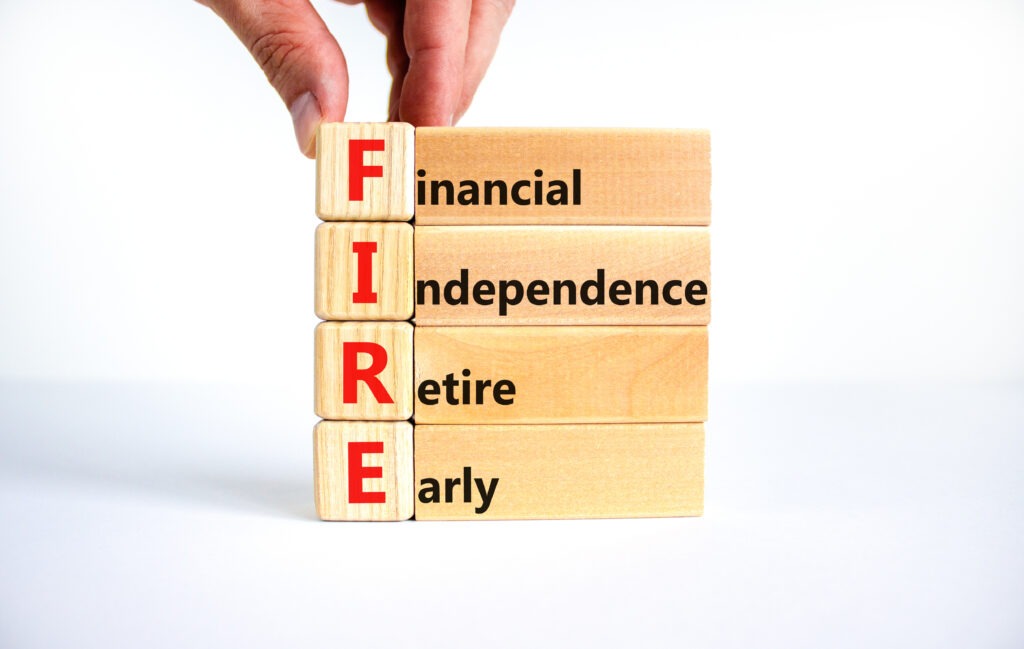
Financial Independence (FI) is the state of having enough passive income or investments to pay living expenses without having to work, whereas Early Retirement (RE) is the voluntary exit from the working before the conventional age (typically 65). FI allows you to choose whether or not to work, whereas RE focuses on terminating employment.
Key Differences:
- Definition: FI is a financial state of security; RE is a lifestyle choice.
- Work Status: With FI, you can continue working on your own terms (e.g., passion projects, part-time). With RE, the focus is on no longer having a traditional, full-time job.
- Flexibility: FI offers greater flexibility to pursue passions without financial stress, whereas RE may require strict, continued austerity if achieved very young.
- Goal: FI is often the, goal itself, while RE is a potential outcome of achieving FI.
Core Concepts:
- FIRE: Refers to combining both: achieving financial independence and retiring early.
- The FI Formula: Typically, this involves saving ~25 times your annual expenses.
- Variations: Concepts like “Barista FIRE” allow working part-time to supplement income, while “Fat FIRE” maintains a higher, more luxurious lifestyle.
Early Retirement
Early retirement purely focuses on one specific goal – leaving the workforce. It’s not a statement of what you want to do with your life. It’s a statement of something you no longer want to do: “I don’t want to go to work anymore”. Early Retirement is surprisingly easy to achieve.
Spend cautiously, save, invest the bulk of your income in Global Equities, and don’t get into short-term debt. Sure, there is a bit more to it than that, but with even just a basic understanding of Excel you should be able to map things out pretty well.
Financial Independence
In contrast, financial independence is a larger notion that covers not only early retirement but also other characteristics of financial freedom. It is about having enough savings and investments to support oneself without relying on traditional sources of income like a job or a pension. This implies that families who have achieved financial independence have the ability and flexibility to pursue their passions, whether it’s traveling, starting a business, or simply enjoying a better work-life balance with their loved ones.
Early retirement and financial independence are both worthwhile goals, but they should not be seen purely as a means to an end. To fully live the life you want, you must analyze your values, lifestyle, and what brings you true happiness. For example, if you are passionate about helping others, you may opt to continue working in a rewarding vocation even after you have achieved financial independence.
Ultimately, the key to achieving early retirement or financial independence is to have a clear understanding of what you value in life. Then, make your financial decisions based on those values. By setting goals that align with your values and lifestyle, we can work with you towards a future that truly makes you happy.
What Is the FIRE Movement? (Financial Independence, Retire Early)?
Financial Independence, Retire Early (FIRE) is a movement of people committed to extreme savings and investing with the objective of retiring considerably earlier than typical budgets and retirement plans would allow.
Vicki Robin and Joe Dominguez’s best-selling book “Your Money or Your Life” (1992) popularized many of the concepts employed by members of this movement. The origins of the term and acronym FIRE are uncertain, but it came to represent the book’s central premise: people should analyze every expense in terms of the number of working hours required to pay for it.
How FIRE Works
The FIRE movement promotes financial independence through a combination of extreme frugality and aggressive investing. FIRE supporters may aspire to retire earlier than the traditional retirement age range of 65 to 70, or they may seek greater financial independence. Those who wish to retire early may intend to live purely on small withdrawals from their assets, or they may include part-time work in their approach.
Read Also: What Is Financial Independence and Why Does It Matter?
Proponents of the extreme-saving lifestyle work for several years and save up to 75% of their annual salary. When their funds hit their FIRE number, which is often 25 times their annual expenses, they may be able to leave their day employment or retire completely.
To fund their living expenses after retiring at a young age, FIRE adherents make small withdrawals from their assets, typically 3% to 4% of the sum per year (adjusted for inflation). Depending on how much they save and their preferred lifestyle, they should keep track of their spending and reallocate their investments on a regular basis.
How to Plan Your FIRE Journey
Whether you desire to retire early or attain more financial independence while still working, the FIRE lifestyle necessitates planning. Here are a few things to consider before making the plunge.
Build an Emergency Fund
Before taking further steps, save three to six months’ worth of expenses. That’s the amount many experts advise keeping in an emergency fund. Your savings should give you a cushion for unemployment, unexpected expenses, or other unforeseen issues.
Invest Wisely
You won’t reach FIRE just by putting your money in the bank, even if you choose a high-yield savings account. However, that doesn’t mean that you should be reckless when choosing investments. Start by maxing out any employer-sponsored retirement savings plans. Then consider contributing to a traditional or Roth IRA through a top online broker.
For 2025, individuals can contribute up to $23,500 to a 401(k) or other employer plan, plus a catch-up contribution of $7,500 if they’re 50 or older (or a catch-up contribution limit of $11,250 for those between the ages of 60 and 63 as part of the SECURE 2.0 Act). IRA holders can deposit $7,000, plus a catch-up contribution of $1,000 if they’re at least 50 years old.
For 2026, these limits increase to $24,000 and $8,000, respectively. The catch-up contribution limit for those between the ages of 60 and 63 remains at $11,250. The IRA contribution limit increases to $7,500, with the catch-up contribution limit rising to $1,100.
Reconsider Your FIRE Number
The Rule of 25 used by many FIRE participants depends on a 4% maximum portfolio withdrawal rate (adjusted for inflation). However, many experts question the validity of the 4% guideline, especially for folks who plan to retire early.
Keep in mind that you’ll pay a penalty if you withdraw from a 401(k), IRA, or similar retirement plan before you’re 59½. FIRE plans may not be sustainable if you need money from these plans early.











Comments