
 By

Every small business reaches a point where numbers start to tell stories — but only if they’re recorded correctly. Managing invoices, receipts, and ledgers may seem straightforward at first, but as transactions multiply, financial clarity can fade fast.
That’s why more entrepreneurs are exploring outsourced bookkeeping — a structured approach to financial management that blends expert oversight with modern tools, creating a system that works quietly and efficiently in the background.
Core principles of outsourced bookkeeping
Defining the modern outsourced bookkeeping model
The concept has evolved far beyond occasional help during tax season. Modern outsourced bookkeeping is an ongoing collaboration between business owners and a dedicated financial partner. It’s not about handing off responsibility — it’s about building a reliable structure that keeps finances transparent, organized, and ready for decision-making.
Through cloud platforms and consistent communication, this model allows a business to access professional bookkeeping without maintaining a full-time internal department.
The division of labor
Outsourcing doesn’t remove the owner from the process; it simply refines each person’s role. The entrepreneur focuses on leading the business, while the bookkeeping team maintains records, reconciles accounts, and provides reports. This separation ensures that financial data is handled with technical accuracy while the business direction remains in the owner’s hands.
Access to collective expertise
Another strength lies in shared experience. External bookkeeping teams often serve clients from diverse industries — retail, tech, services, and more. That variety of exposure gives them a broader understanding of what works, what doesn’t, and how to adapt processes for efficiency. Instead of depending on a single employee’s experience, the business benefits from a pool of accumulated insight.
Strategic advantages for small business growth
Reallocating your most valuable asset
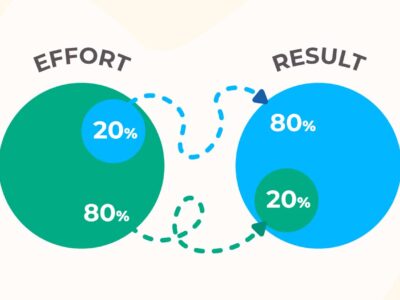
Time is often the scarcest resource for business owners. When financial administration shifts to professionals, valuable hours reappear. This reclaimed time can be directed toward business development, creative projects, or customer engagement — areas that generate growth instead of merely maintaining operations.
By reducing time spent on repetitive tasks, owners can focus on analyzing outcomes and planning ahead. The difference isn’t just operational; it’s strategic.
Enhancing decision-making with reliable data
Good decisions rely on clear, current information. When books are updated regularly and accurately, a business gains a steady flow of financial insight. It becomes easier to identify patterns — which services bring consistent income, which expenses drain resources, and how seasonal changes affect cash flow. Reliable bookkeeping transforms intuition into informed judgment.
Building a scalable financial infrastructure
As a company grows, so do the demands on its accounting systems. Manual spreadsheets and scattered invoices eventually fall short. Outsourced bookkeeping introduces scalable systems that adjust as the business expands. With standardized processes and digital integration, growth no longer means financial confusion — it means readiness.
The technological edge in financial management
Integration with modern business tools
Digital bookkeeping connects directly with today’s business systems — from banking platforms to online payment processors and inventory apps. These integrations eliminate redundant data entry, creating a single, synchronized view of financial activity. For small businesses, it means fewer manual errors and more time spent interpreting results instead of compiling them.
Real-time financial visibility
With cloud-based tools, owners can review financial performance from any device. Real-time dashboards make it possible to track expenses, revenues, and profitability as they happen. This visibility gives business leaders the confidence to make adjustments early rather than reacting after the fact.
Automated processes for efficiency
Automation in Bob’s Bookkeepers now handles many routine bookkeeping tasks — categorizing transactions, generating invoices, or sending reminders for payments. These systems reduce human error while maintaining consistency. Automation doesn’t replace expertise; it enhances it, allowing bookkeepers to focus on analysis rather than repetitive input.
Evaluating the partnership: a framework for selection
Key criteria for choosing a provider
Selecting the right partner involves more than comparing prices. Industry knowledge, data security, software compatibility, and communication habits matter just as much. A reliable provider listens, adapts, and builds trust through clarity, not jargon.
Establishing a productive working relationship
Once the partnership begins, communication is key. Setting clear expectations — about timelines, deliverables, and reporting styles — ensures both sides move in the same direction. A strong partnership grows from openness: the more a business shares its goals, the better the bookkeeper can align their work to support them.
Effective financial management doesn’t have to be a burden or a guessing game. By partnering with external experts, small businesses gain a blend of structure, accuracy, and foresight. The result isn’t just tidy books; it’s a clear picture of where the business stands and where it can go next. Outsourced bookkeeping turns what once felt like a tedious chore into a quiet engine of stability — one that keeps the business moving confidently toward sustainable growth.










Comments