
 By
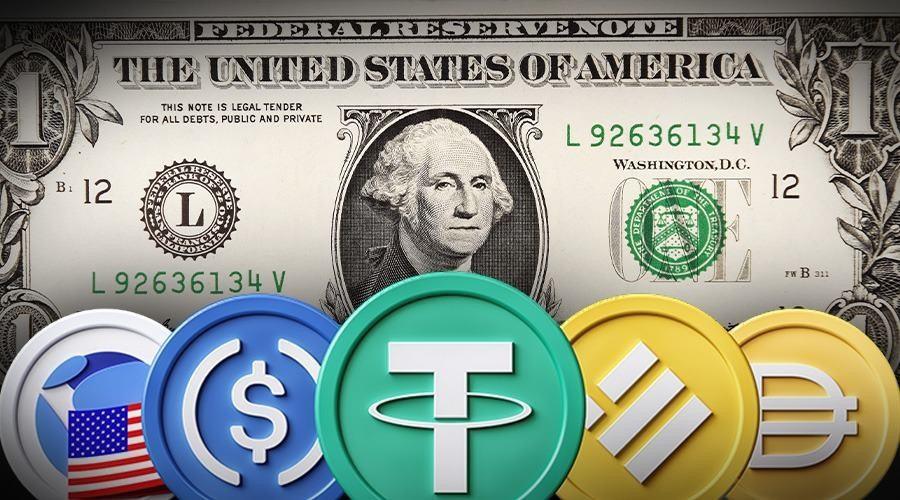
Neither digital currencies nor traditional banking “wins”; instead, they serve diverse purposes and will probably coexist and integrate in the future, each with unique benefits and drawbacks.
Currency has historically been seen as a controlled and centralized form of transaction. Our financial systems are built on fiat money, often known as “traditional currency,” which is used as a store of value and a medium of exchange. With the creation of digital assets like Bitcoin and Ethereum, the emergence of cryptocurrencies in the twenty-first century has put our conception of money to the test. The primary distinctions between cryptocurrencies and conventional money will be discussed in this essay, along with the advantages and disadvantages of each.
Currency has historically been seen as a controlled and centralized form of transaction. Our financial systems are built on fiat money, often known as “traditional currency,” which is used as a store of value and a medium of exchange. With the creation of digital assets like Bitcoin and Ethereum, the emergence of cryptocurrencies in the twenty-first century has put our conception of money to the test. The primary distinctions between digital currencies and traditional money will be discussed in this article, along with the advantages and disadvantages of each.
Digital Currencies
Cryptocurrency is a kind of digital, virtual money that uses cryptography technology to protect transactions. The fact that the majority of cryptocurrencies run on a decentralized platform and cannot be managed by a central bank or government is one of their distinguishing characteristics. Blockchain, a digital ledger that keeps track of transactions over a huge computer network, is the technology behind cryptocurrencies like Bitcoin and Ethereum. Increased security and transparency are made possible by this.
Digital Currencies: Efficiency and Accessibility
Digital currencies include decentralized cryptocurrencies (like Bitcoin) and centralized Central Bank Digital Currencies (CBDCs), both existing purely in electronic form.
| Advantages | Disadvantages |
|---|---|
| Speed and Cost Efficiency: Transactions, especially cross-border payments and remittances, are often faster and cheaper by cutting out middlemen and operating 24/7. | Volatility: Cryptocurrencies can experience significant and dramatic price swings, making them a high-risk investment. |
| Financial Inclusion & Accessibility: Accessible to anyone with an internet connection, offering an alternative to the 1.7 billion unbanked adults worldwide in regions with limited banking infrastructure. | Security Risks: The unregulated nature makes users more vulnerable to hacking, scams, and phishing. Users are responsible for managing their private keys and digital wallets securely. |
| Decentralization & Privacy (Cryptocurrencies): Not controlled by a single government or institution, offering a higher degree of privacy and resistance to censorship (though privacy can raise concerns about money laundering). | Regulatory Uncertainty & Traceability (CBDCs): CBDCs, while more stable, offer governments potential for enhanced surveillance and control over individual spending, raising privacy concerns. |
Traditional Banking
Known for their volatility, digital currencies at its current relatively early stage of adoption and development often experiences dramatic price swings, with values changing dramatically in short time periods. It draws investors searching for high profits, with a high risk tolerance. As a medium of exchange, certain digital currencies such as Bitcoin are more typically referred to as ‘digital gold’, regarded a store of value or inflation hedge rather than a tool for daily expenditure. On the other hand, several digital currencies are well adapted to transactions, with lightning fast transfer speeds regardless of geographical location.
Traditional Banking: Stability and Security
Traditional banking, which utilizes government-issued fiat currency (both physical and digital), remains the foundation of the global financial system.
| Advantages | Disadvantages |
|---|---|
| Stability and Regulation: Highly regulated by central banks and governments, leading to greater stability and established consumer protection, such as deposit insurance. | Slower Transactions: Cross-border transactions can be slow, sometimes taking several days to clear, and often involve multiple intermediaries. |
| Comprehensive Services: Offers a wide range of integrated financial services, including loans, mortgages, and wealth management. | Higher Costs: Can involve higher fees for certain services, particularly international wire transfers, which can be expensive. |
| Established Infrastructure: Supported by extensive physical infrastructure (branches, ATMs) and universal acceptance for goods and services. | Limited Hours: Services are often limited by banking hours and geographical locations. |
The major differences between digital currencies and fiat currency include:
Read Also: The Basics Of Investing In Cryptocurrencies
Decentralisation vs. Centralization
By nature, digital currencies does not rely on a central authority, or middlemen to facilitate payments (and collect fees). In most cases, no institution is controlling it and transactions are made directly between users on peer-to-peer networks. On the other hand, traditional currency is centralised, issued and regulated by governments trusted to manage supply and purchasing power.
Technology and Infrastructure
Blockchain technology, the driving force behind cryptocurrency, is a secure, transparent ledger that anyone can access but not alter. It is the backbone of digital assets, ensuring that all data maintains integrity, and that fraud is reduced. To achieve these outcomes, traditional currency relies on established banking systems, financial intermediaries and systems such as SWIFT, which require time and fees – especially for payments across borders.
Regulation and Control
Cryptocurrency is somewhat of a ‘wild-west’ at the time of writing. It is largely unregulated, and concerns have been raised over its potential misuse for activities such as money laundering or tax evasion. Governments are slowly bringing in regulation for the use of cryptocurrencies, but are by no means at the level of heavy regulation that traditional currency is subject to.
Volatility
Bitcoin often makes headlines for its dramatic price swings, often in response to macroeconomic events or speculation. After the collapse of major cryptocurrency exchange FTX, the value of Bitcoin fell by 22% in less than a day. Traditional currencies are generally more stable, due to the high levels of regulation.
Usability
While acceptance of cryptocurrency is growing, it still remains limited compared to traditional currency. While many merchants don’t accept it as payment, El Salvador made headlines in 2021 becoming the first country to accept bitcoin as legal tender. Much progress needs to be made for cryptocurrencies to reach the level of acceptance of fiat currency, however.
Transaction speed and cost
Cryptocurrency transactions are often much faster than traditional payments, especially across borders. While cryptocurrency transactions can be made in minutes, traditional bank transfers may take several days to clear, while taking fees. It is worth mentioning that cryptocurrencies are also often subject to transaction fees. While many cryptocurrencies, particularly those utilising proof-of-stake technology, have relatively low fees compared to traditional banking, certain currencies such as Ethereum can charge high ‘gas-fees’ in times of busy network activity.
Security
While cryptocurrencies offer a higher level of privacy, allowing users to make transactions without disclosing personal information, the unregulated ‘wild-west’ environment of cryptocurrency is prone to hacking, through phishing or other methods. Digital wallets can be compromised if a user is convinced to give away their seed phrase, for example. Traditional transactions are usually secure when conducted through banks, with fraud prevention tools in place, such as the recent APP Fraud rules implemented in the UK.
Governments are trying to figure out how to control cryptocurrencies and make them work with the established system as their use grows. The Central Bank Digital Currency, or CBDC, is a potential link between the two worlds. Offering the advantages of a digital asset while preserving government control over the money, this is a bit of a compromise. Although it seems far off, cryptocurrencies are already being acknowledged as an increasingly significant asset class, as evidenced by companies like Blackrock including Bitcoin into their ETF portfolios.
Bottomline
Both fiat money and cryptocurrencies play different roles in the realm of money, each having advantages and disadvantages. Although it now comes at the expense of the conventional advantages of price stability and widespread adoption, cryptocurrency gives consumers independence, privacy, and technological progress. Making wise decisions about where to keep, spend, and invest your money requires a grasp of the ramifications of the increasing adoption and developments.











Comments