
 By

Blockchain is transforming international trade by improving efficiency, security, and transparency, which simplifies transactions and lowers expenses. Through the use of smart contracts, it replaces slow, paper-based methods with a shared, digital, and unchangeable ledger that offers a single source of truth for all parties involved, increasing the security and speed of supply chain management and trade finance. Blockchain reduces fraud, minimizes delays, and boosts trust in intricate, multi-party international commerce agreements by providing features like automated payments and real-time tracking.
Key areas of transformation
- Enhanced transparency and security: Blockchain creates a tamper-proof, shared record of transactions that all participants can access in real-time. This eliminates blind spots and reduces the risk of fraud and errors in international trade documentation like bills of lading and customs declarations.
- Streamlined processes: It digitizes and automates processes, which can reduce the time for cross-border transactions from days or even months to near real-time. For example, smart contracts can automatically trigger payments once conditions are met, such as the verification of goods delivery.
- Reduced costs: By removing the need for many intermediaries and manual paperwork, blockchain cuts down on associated fees and administrative burdens.
- Improved supply chain management: Blockchain provides a secure and transparent way to track goods from origin to destination. Companies can verify the legitimacy of partners and the authenticity of products, which is especially important in sectors like food and pharmaceuticals.
- Boosted trust: It fosters trust between trading partners without requiring direct interaction, as the system’s integrity is maintained by the network’s consensus rather than a central authority.
Examples in practice
- Food industry: Companies use blockchain to track food products from farm to consumer, allowing for verification of a product’s origin and improving food safety.
- Pharmaceuticals: The MediLedger network uses blockchain to prevent counterfeit drugs by hashing drug batch certificates and managing complex distribution and regulatory requirements.
- Luxury goods: NFTs and other blockchain solutions are used to prove authenticity and combat counterfeiting for high-value items.
- Diamonds: De Beers uses a blockchain solution to ensure diamonds are conflict-free and provide consumers with detailed origin information.
Globally, blockchain technology is transforming a number of industries. It’s more than just the technology underlying cryptocurrencies like Bitcoin and Ethereum; it’s transforming how governments and corporations function, making procedures quicker, less expensive, and more transparent. We’ll look at how blockchain is changing the world economy and how blockchain development firms are contributing to this transformation in this blog.
Blockchain technology has gained significant attention in recent years, primarily due to its association with cryptocurrencies like Bitcoin and Ethereum. However, its potential goes beyond just digital currencies. In simple terms, a blockchain is a decentralized, digital ledger used to record transactions across many computers. This system ensures that the recorded transactions are secure, and transparent, and cannot be altered retroactively without altering all subsequent blocks, which makes it highly secure.
A blockchain consists of several “blocks” each containing a list of transactions. When a new block is created, it is linked to the previous block through a process called hashing. This structure forms a chain of blocks, hence the term “blockchain.” Every participant in the blockchain network can view these transactions, making the system transparent and trustworthy. The beauty of blockchain technology lies in its decentralization. Unlike traditional systems, where a central authority like a bank or government controls the records, blockchain operates on a peer-to-peer network. This means no single entity has full control, reducing the risk of fraud and manipulation.
How Blockchain is Changing the Global Trade and Economy?
Blockchain is important for the global economy because it provides a safer, clearer, and faster way to do transactions. Traditional systems often need middlemen like banks or payment processors, but blockchain works on a decentralized network, meaning no single person or company controls it. This reduces the chances of fraud or mistakes and speeds up processes, especially for cross-border payments, which can usually take days. Blockchain makes transactions transparent, meaning everyone can see the same information, which helps build trust.
Read Also: Cryptocurrencies: Are They Reliable in Business?
It also gives more control to people and businesses over their data and financial transactions. This is especially important for financial inclusion and encouraging new ideas in industries worldwide. Blockchain development services are crucial because they help businesses create customized blockchain solutions. These services include building secure systems, smart contracts, decentralized apps (DApps), and helping businesses connect blockchain technology with their existing processes. This way, companies can take advantage of blockchain to stay ahead in a rapidly changing economy.
- Better Security: Blockchain makes transactions safer by using encryption and storing data in many places, so it’s nearly impossible for hackers to change information. This helps protect financial transactions and sensitive data from fraud or cyberattacks, which builds trust in the system.
- Lower Costs: Blockchain can reduce costs by cutting out middlemen like banks and payment processors. Without these extra fees, businesses and people can save money when making transactions, especially for international payments that usually come with high fees.
- Faster Transactions: Traditional financial systems can take days to complete cross-border payments. Blockchain allows transactions to happen almost instantly, making the process faster and more efficient for businesses and consumers alike.
- More Transparency: Blockchain creates a public record of transactions, which anyone in the network can see. This makes the process transparent, meaning it’s easy to track where money or goods are coming from and going, helping prevent fraud and errors.
- Access to Financial Services: Many people around the world don’t have access to traditional banking services. Blockchain makes it easier for these people to use financial services through digital wallets and other online platforms, allowing them to take part in the global economy.
- Better Supply Chains: Blockchain can track goods from their source to the customer, providing more transparency and security in supply chains. This helps businesses make sure their products are authentic and not counterfeit, and it makes the process smoother and more reliable.
- Decentralized Finance (DeFi): Blockchain allows people to do financial transactions like lending, borrowing, or trading without needing a bank or financial institution. This new way of doing finance is called decentralized finance (DeFi), and it opens up new opportunities for people to manage their money without relying on traditional systems.
- Smart Contracts: Blockchain can create smart contracts, which are agreements written in code that automatically execute when conditions are met. These contracts remove the need for middlemen and make business processes faster, more efficient, and error-free.
- New Business Ideas: Blockchain is helping create new business models in industries like real estate, healthcare, and voting. For example, it can help speed up property transactions, protect medical records, and make voting more secure and transparent.
- Tokenizing Assets: Blockchain allows assets like real estate, art, or stocks to be turned into digital tokens. These tokens can be bought, sold, and traded easily, allowing more people to invest in assets that were previously hard to access.
Lower Transaction Costs and Speedy Transactions
One of the most profound advantages of cryptocurrency in international trade is the potential to reduce transaction costs. Traditional cross-border transactions often involve hefty fees levied by banks and financial institutions. These can include wire transfer fees, currency exchange fees, and additional costs for third-party intermediaries.
Cryptocurrency transactions, on the other hand, bypass these intermediaries by using a decentralized network. This peer-to-peer system effectively eliminates the need for middlemen, thereby reducing associated costs. For businesses engaged in international trade, this could mean significant savings.
Cryptocurrencies also promise faster transactions. Traditional banking systems, especially for cross-border transactions, can be slow, taking from a few hours to several days to process. Conversely, cryptocurrency transactions can be almost instantaneous, irrespective of the geographical distance between the transacting parties. In an era where time is money, such speed can make a massive difference in international trade dynamics.
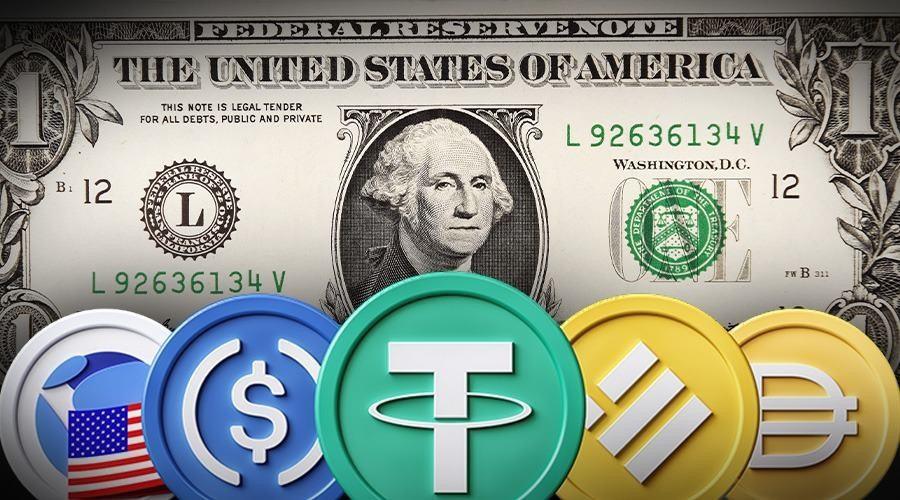
Despite the clear advantages, the volatility of cryptocurrencies poses a challenge. The value of cryptocurrencies like Bitcoin and Ethereum can fluctuate widely, causing potential losses. However, the advent of stablecoins—cryptocurrencies backed by a reserve of assets—can potentially mitigate these risks.
Regulatory Challenges and Solutions
While cryptocurrencies offer notable advantages, they also present unique regulatory challenges. Due to their decentralized nature and relative anonymity, digital currencies have been linked to illicit activities such as money laundering and terrorist financing. This creates a need for robust regulatory frameworks to monitor and control cryptocurrency transactions.
Regulation is a double-edged sword. While it’s necessary for security and investor protection, over-regulation could stifle innovation and impede the growth of the cryptocurrency market. Striking a balance is a challenging task that regulators worldwide grapple with.
Countries have adopted varying approaches to cryptocurrency regulation. Some nations like China have imposed strict regulations and even outright bans. Conversely, others like Singapore and Switzerland have fostered a more accommodating environment, providing legal clarity and support to cryptocurrency initiatives.
On the international stage, standardizing cryptocurrency regulations is an even more formidable challenge. This is due to the variation in regulatory norms across nations, making it difficult to devise a one-size-fits-all solution. Nevertheless, international bodies like the Financial Action Task Force (FATF) are working towards global regulatory standards to combat the illicit use of cryptocurrencies.
These challenges underscore the importance of regulatory agility in response to the evolving crypto landscape. Policymakers should aim to create a conducive environment for the growth of cryptocurrencies while mitigating the associated risks. In this regard, global collaboration is crucial. International bodies, governments, and the crypto industry must work together to shape a regulatory landscape that is adaptive, resilient, and inclusive.
What Does the Future Hold?
The integration of cryptocurrency in international trade offers significant potential to reshape global economic dynamics. By reducing transaction costs, expediting processes, and offering enhanced security, cryptocurrencies, underpinned by blockchain technology, promise to revolutionize international trade practices. This transformative potential is increasingly being recognized, with more businesses and governments exploring the adoption of digital currencies.
However, this emerging landscape is not without challenges. Regulatory hurdles, brought on by concerns of illicit activities, the decentralized nature of cryptocurrencies, and their relative anonymity, pose significant issues. While some countries have responded with stringent regulations, others have fostered a more welcoming environment. To effectively leverage the potential of cryptocurrencies, a balance between fostering innovation and ensuring security must be struck.
The future of cryptocurrency in international trade extends beyond efficiencies. By offering financial access to unbanked populations, digital currencies could democratize financial systems and spur economic growth. However, the realization of this future hinges on the development of robust regulatory frameworks, overcoming technical challenges, and investing in education and skills development.
In a nutshell, the economic implications of cryptocurrency in international trade are profound. With the right approach, cryptocurrencies could lead us toward a more efficient, inclusive, and sustainable global economy.









Comments