
 By
The Lean Startup method to online business development promotes speed, validated learning, and client feedback over detailed planning. By developing a Minimum Viable Product (MVP), internet businesses can test hypotheses using a “build-measure-learn” cycle, reducing wasted time, money, and resources.
Core Principles for Online Ventures
- Build-Measure-Learn Loop: Instead of a full launch, create a simple, functional version of your website or product (MVP), measure how users interact with it, and learn whether to pivot (change direction) or persevere (keep going).
- Validated Learning: Replace assumptions with data-driven insights. Before investing heavily, confirm there is actual demand for the product through user behavior.
- MVP Approach: Develop only the essential features required to satisfy early adopters and gather feedback, which helps reduce risk and development costs.
Steps for Implementing Lean in Online Business
- Identify Hypothesis: Define your core assumption (e.g., “People will pay for this service”).
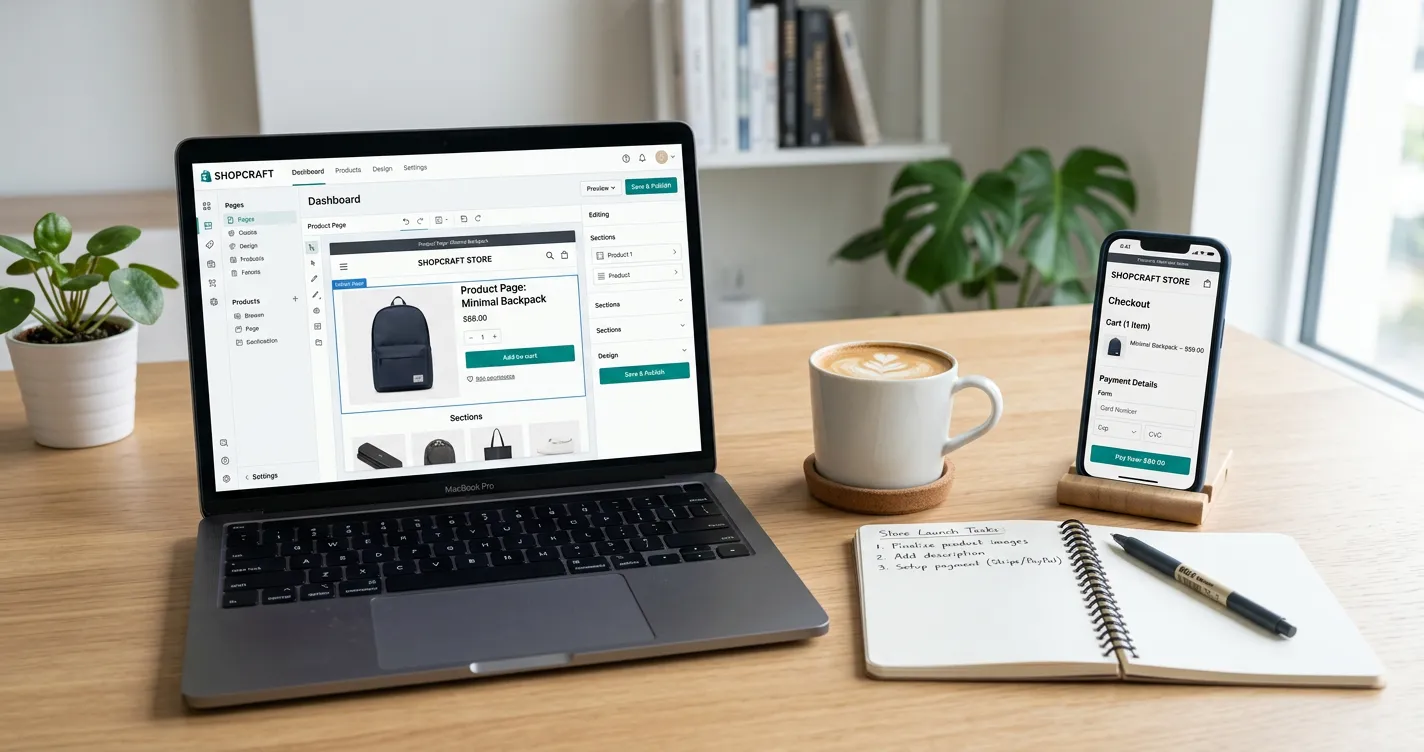
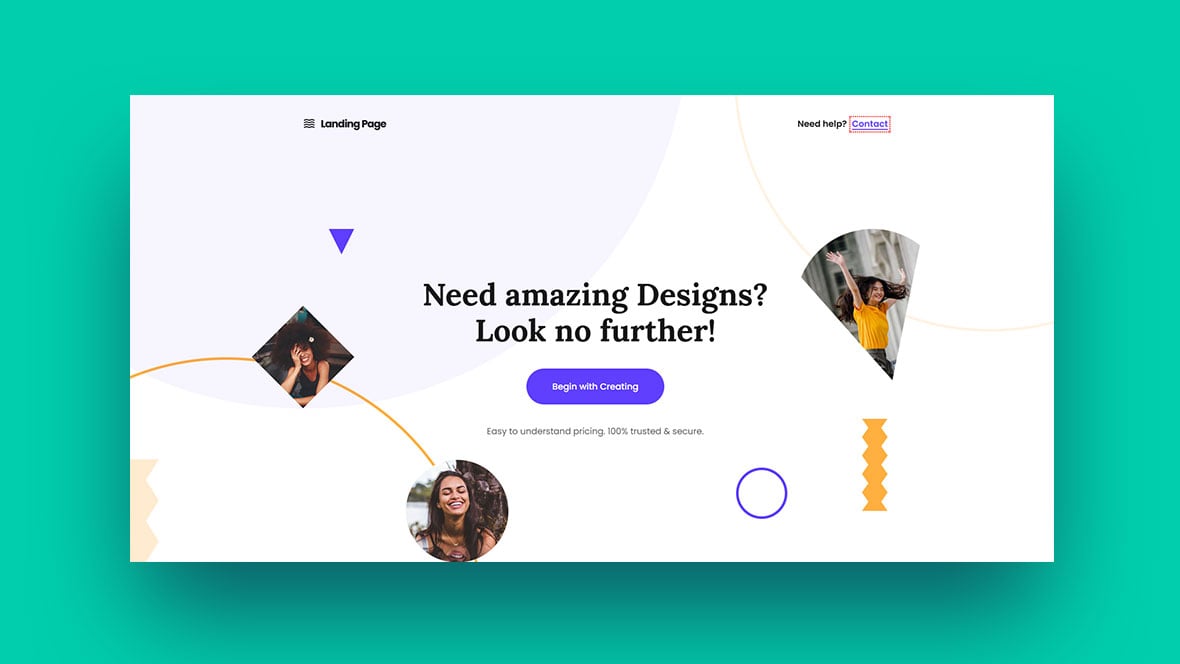
- Build MVP: Launch a simple landing page, prototype, or basic online store to test the concept.
- Measure Results: Use analytics, user interviews, and surveys to gather data on customer engagement.
- Learn and Iterate: Analyze the data to see if the product meets customer needs. Pivot if necessary to avoid wasting resources on a product no one wants.
Benefits
- Cost Reduction: Minimizes waste by focusing resources only on features validated by customer demand.
- Faster Time-to-Market: Speeds up development cycles by focusing on a MVP.
- Increased Agility: Allows businesses to quickly adapt to market changes and customer feedback.
What is the Lean Startup Approach?
The lean startup strategy gained traction in the early 2010s, when entrepreneur and author Eric Ries introduced the methodology in his 2011 book, “The Lean Startup: How Today’s Entrepreneurs Use Continuous Innovation to Create Radically Successful Businesses.”
According to Ries, the most successful startup owners employ lean startup tactics to develop and scale their businesses. Inspired by lean manufacturing principles, lean startup procedures are intended to increase efficiency, keep costs low, and protect against unpredictability during the development and launch of a product. The idea is to carve out a market niche for yourself initially, then build and improve from there.
The lean startup methodology is based on experimentation and adaptation, rather than linear planning and implementation. In contrast to the traditional technique of starting a company, which begins with a formal business plan, the lean startup strategy begins with a prospective business model.
From then, entrepreneurs behave like scientists testing a hypothesis: they make assumptions, experiment, collect and analyze evidence, then reassess their hypotheses and repeat the process.
Who can use the lean startup approach?
Many startup owners take a lean strategy to creating a new firm; this allows them to grow quickly without spending a lot of money or effort up front—and they’re willing to reverse course quickly if necessary.
Lean business principles can assist small, midsize, and corporate organizations alike. Here are a few scenarios where you should consider lean startup techniques:
- You’re trying to launch a startup.
- You want to expand your current operations.
- You want to test out a new offering based on customer feedback.
- You want to break into a new niche or industry.
Stages of the Lean Startup Approach
Here’s what the lean startup approach looks like in practice:
1. Develop a business model canvas
A business model canvas is a visual framework for articulating your business concept, customers, and value proposition. However, unlike a traditional business plan, which is a multi-page document, a business model canvas is a one-page document organized into nine key boxes:
- Customer segments: Who are the people you’re trying to reach?
- Customer relationships: What will your interactions with your customers look like throughout the buying journey?
- Channels: How will you communicate with customers?
- Revenue streams: How will you generate revenue?
- Key activities: What tasks/projects do you need in motion to fulfill your value proposition?
- Key resources: What types of resources do you need to carry out your key activities?
- Key partners: Who are the suppliers, vendors, and/or external partners you need for your business?
- Cost structure: What are the different costs associated with running your company?
- Value proposition: How will you bring value to your customers and differentiate yourself from your competition?
2. Create a minimum viable product
A minimum viable product (MVP) is a service or product that has enough functionality for customers to use, but that isn’t refined yet. You’ll usually give your MVP to a select group of beta customers, who can provide feedback on it before you offer it to a wider customer base.
Read Also: How to Validate Your Online Business Idea Without Spending a Dime
Instead of kicking off a long development cycle to create the perfect product—with no guarantee that customers will respond positively to it—creating an MVP first lets you figure out what customers like and dislike, then make appropriate changes.
For a software company, for example, an MVP might be a basic app with one or two key features. For an ecommerce apparel company, the MVP might be a line of sustainably made T-shirts in one or two different designs and colors. For a coffee shop, the MVP might be a signature latte that you test at pop-ups at farmers markets or retail center events.
3. Gather feedback
At the core of the lean startup approach is the build-measure-learn loop: create an initial offering, analyze its impact, then incorporate changes in the next development round. Unlike the traditional plan-build-sell model, build-measure-learn lets you create products and services in an iterative way, making small but meaningful changes incrementally.
To do this, you need to track a handful of key metrics and consistently gather customer feedback. Once you comb through the qualitative and quantitative data you’ve accumulated, you’ll be able to see whether or not your initial business hypotheses were correct, and how interested people actually are in your company.
Depending on what you learn, you might decide to target a new segment of customers, switch up your revenue structure, or change your offerings.
4. Keep adapting and growing
The lean startup approach requires constant trial and error. Failing is an essential part of the process; you’ll head back to the drawing board over and over again to tweak your business model and offerings.
As you refine your products and create more demand through marketing campaigns and sales strategies, your business will grow. Along the way, you’ll continue to evolve, whether that means redefining your mission or adjusting your business model.
How to Incorporate Lean Startup Principles Into Your Business
Here are seven ways you can incorporate lean startup strategies into your operation, no matter where you’re starting from:
- Revisit your original value proposition: Consider what problem you’re solving for your customers and how you’re bringing them value, then make sure all your business practices—from marketing to customer service—are in service of that value proposition.
- Embrace customer feedback: Customers are the lifeblood of every business—they keep it going. Instead of assuming what customers want and need based on research, take the time to gather and implement customer feedback. Try beta testing for new offerings; send customer surveys; read and respond to your customer reviews; and dig into the data on customer interactions with your website and social media pages.
- Don’t be afraid to experiment: Try new things within your operation and track the results. In addition to experimenting with your offerings, you can play around with different marketing strategies, tweak your customer service policies, or test out new backend workflows and systems.
- Review a full range of metrics: Your bottom line numbers aren’t the only way to assess your business’s overall health and growth potential. You also need to look at key performance indicators like customer acquisition cost, customer retention rates, year-to-date sales growth, and net promoter scores.
- Hire for soft skills and learning potential: When it’s time to hire, consider opening up certain roles to people with wide-ranging qualifications and experience. Look for people who can learn quickly, communicate well, be proactive, solve problems creatively, bring people together, and make decisions efficiently.
- Outsource: Free up your time and brainpower by outsourcing. Think: investing in business software to automate payroll and HR tasks, or hiring a social media marketing strategist to develop some new marketing campaigns.
- Aim for continuous improvement: The most successful businesses are never static—they’re constantly evolving and growing. Building a culture of continuous improvement starts with reframing mistakes as learning opportunities. From there, take time to review employee feedback, listen to customers, and look for new ways to stretch yourself as a company, like adopting sustainable business practices or working toward a specific business permit or certification.
Traditional Business Building vs Lean Startup Approach?
A lean startup is a business strategy that focuses on developing goods that address known market needs rather than presuming demand. It was developed by Eric Ries and stresses validated learning, quick testing of ideas, obtaining feedback, and early adjustments to reduce costs and failures.
Unlike traditional models, lean companies use iterative development, flexible recruiting, and alternative performance metrics to improve product efficiency and line with market need.
Product developers can use lean startup concepts to measure consumer interest in their product and determine how it should be developed. This approach is known as verified learning, and it can be used to avoid wasting resources during product creation and development. If a concept is likely to fail under lean startup, it will fail quickly and inexpensively rather than slowly and expensively, hence the name “fail-fast.”
The lean startup strategy also distinguishes itself from the typical business model in terms of employment. Lean companies hire employees that can learn, adapt, and work rapidly, whereas traditional organizations hire based on experience and competence. Lean startups also employ alternative financial reporting measures, such as customer acquisition cost, lifetime customer value, customer churn rate, and product virality.
The traditional approach to starting a business requires designing and building the entire operation upfront—before bringing in customers. The lean startup approach, on the other hand, means building one component of the business very quickly, then using customer input to dictate what you build from there.
Here are some areas where they’re different:
- Planning stage: The lean startup approach requires building a business model canvas and forming a hypothesis first. The traditional approach requires creating a comprehensive business plan and linear steps for execution.
- Product creation: With the lean startup approach, you develop an MVP, then design iteratively over time and with lots of feedback. With the traditional approach, you usually conceive of and create a complete product before bringing it to market.
- Team: With a lean startup mentality, you generally hire people for their potential: people who can work quickly, take initiative, and apply their skills and experience across a handful of different areas. With a traditional approach, you hire people who have specific qualifications and a track record of execution.
- Definition of success: The lean startup methodology defines success as the ability to pivot quickly and improve continuously, while the traditional approach usually defines success as the ability to follow and implement a plan to a tee.
- Numbers: With the lean startup approach, metrics like customer acquisition cost and churn rate are more valuable indicators of the viability and longevity of your operation. However, with a traditional approach, cash flow and profit and loss numbers reign supreme.
Pros and Cons of the Lean Startup Approach
Pros
There are a lot of advantages to incorporating lean startup principles into your operation, no matter what type of business you’re starting. Consider these benefits:
- More flexibility with business planning
- Greater cost efficiency
- Faster time to market
- Higher likelihood of satisfying customers
- More experience pivoting and adapting to external circumstances
Cons
The lean startup approach isn’t a perfect solution to starting a successful business from scratch. Here are some of the criticisms of lean startup methodology:
- Your initial business strategy isn’t always fully developed: In the interest of working quickly, the lean startup approach doesn’t encourage you to clearly define your business model and growth strategy upfront. Starting with a general idea or vision might work for some entrepreneurs, especially those with a lot of entrepreneurial experience or familiarity with a certain market, but some people need more concrete goals from the start.
- You risk scrapping valuable products and concepts before you give them a chance: When you’re creating an MVP, it’s hard to know what constitutes good enough. The concepts of “minimum” and “viable” aren’t clearly defined, nor are they universal for every industry and sector. As a result, if you rely solely on customer feedback for your early-stage offerings—and those offerings aren’t as thoughtful or fleshed out as they should be—you might be tempted to nix everything you’ve worked on if you get negative customer input.
- It can limit your creativity: If you only spend time making incremental changes to your offerings based on what your customers say, you might not ever make a truly innovative or groundbreaking product.
In lieu of the lean startup approach, many founders are now advocating for the deliberate startup method, which involves developing a detailed product strategy in a document called Product/Market Fit Narrative.
Finally
The lean startup methodology focuses on developing products based on verified user demand, refining concepts through validated learning and timely feedback. It decreases risk and improves efficiency by emphasizing adaptability, rapid pivots, and alternative KPIs; this approach is being employed by both startups and established companies such as General Electric.








Comments