
 By

A website is your digital business card, whether you own a small business, work as a freelancer, or simply want to create your own brand. While many people are delighted about the prospect of starting a website, most have two questions: how much does it cost to develop a website, and should I design it myself or pay a professional?
In this article, we’ll look at the cost of developing a website using both approaches, geared to the UK market. We’ll cover everything from DIY platform and hosting fees to professional design and maintenance costs.
Continue reading to make an informed decision on the most cost-effective and efficient route for you.
DIY Website Building
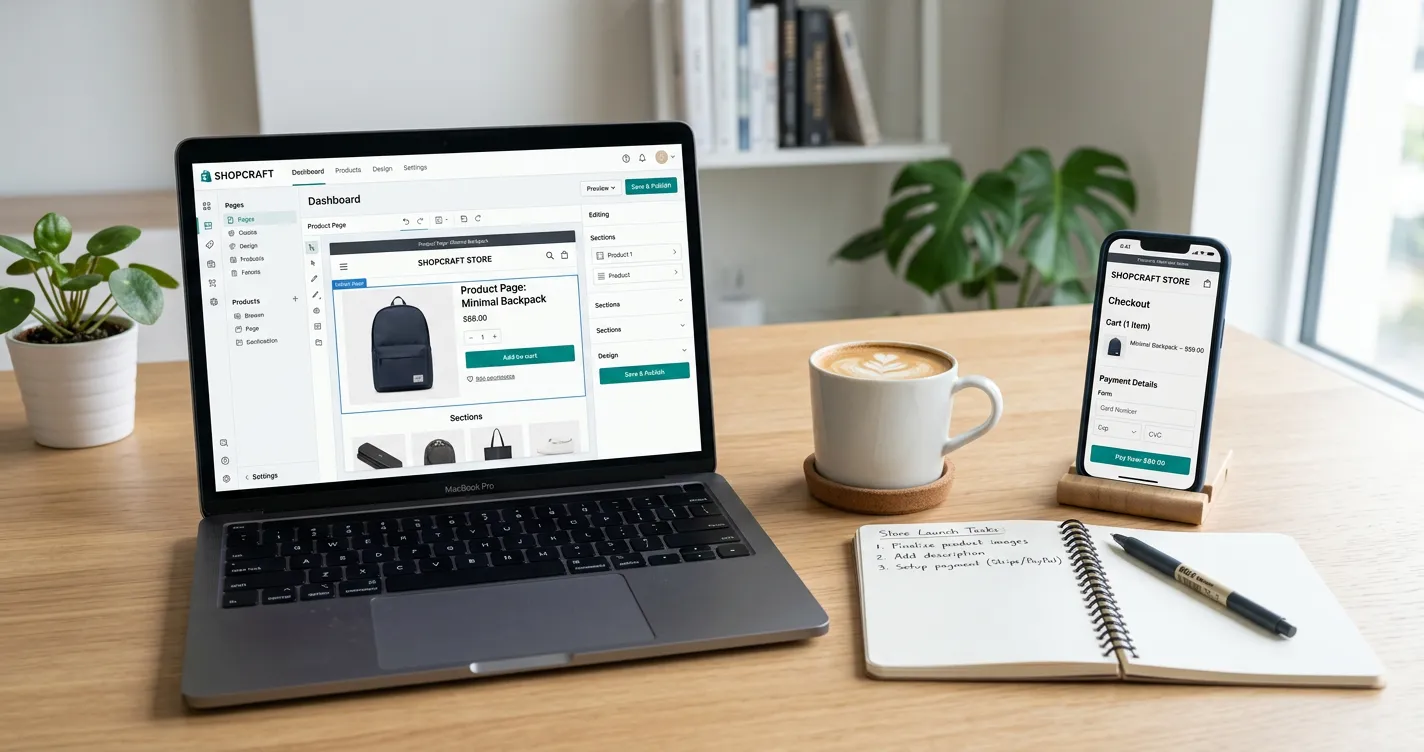
Embarking on a DIY website journey can seem like an attractive low-cost option, particularly for small businesses and individual ventures. The reality, however, is more nuanced. First, let’s talk about the platform, which serves as the skeleton of your website. WordPress is a popular choice in the UK, primarily due to its flexibility and affordability. However, Wix and Squarespace have been gaining traction for their user-friendly interfaces. These platforms usually have free basic plans but can range up to £30 per month for advanced features.
The next crucial element is website hosting. While shared hosting is the most cost-efficient option at around £3 to £10 a month, it may not be the most reliable. VPS and dedicated server options, which are more robust and reliable, can cost anywhere from £20 to £100 monthly. Your domain name, which typically ends in .co.uk or .com, can also add to the costs, generally ranging from £10 to £20 per year.
Templates and themes come next. While many platforms offer free options, premium themes, designed for a more professional look, can set you back by up to £100. Plugins and extensions, designed to add specific features, can vary in cost. While some essential ones like SEO and e-commerce plugins are free, advanced features can cost up to £200.
Last but not least, a DIY website requires regular maintenance. You’ll need to consider software updates, regular backups, and performance monitoring, which can either be time-consuming or require a modest budget if you opt for automated services.
Hiring a Professional
On the other side of the coin, we have professional web design services. Starting with an initial consultation, which may or may not be free, professionals delve into what you need and how best to achieve it. You’re paying not just for a website but for a comprehensive service tailored to your needs. This consultation is usually followed by a design phase. Good design isn’t cheap, especially if you’re looking for a customised user interface and user experience. This can range from a few hundred to a few thousand pounds, depending on the complexity.
Development follows design. Front-end development focuses on what the user interacts with directly, whereas back-end development ensures that all the gears work smoothly behind the scenes. Here, you’re looking at costs that can vary dramatically depending on your specific needs but usually start at a minimum of £1,000.
Additionally, unless you plan to create your own text and graphics, you’ll likely need to hire a content creator. Professionals can provide quality text and graphics, but this comes at a price. Content creation generally costs between £100 and £500 per page, depending on the complexity. SEO services are often recommended to increase your website’s visibility, which will again add to the overall costs but are often considered essential for a competitive edge.
Read Also: Essential Tech Tools Every Online Business Needs
A long-term maintenance contract is usually recommended to handle updates, troubleshooting, and technical support. This typically costs between £50 and £200 per month but can vary depending on the services included.
Hidden Costs of Building a Website
Both DIY and professional routes have their hidden costs, some of which often catch people by surprise. One such often-overlooked item is the SSL certificate. This digital certificate is vital for securing data transfers between your website and users. In the UK, the annual cost for an SSL certificate can range from £50 to £200. It’s not just a good-to-have but often essential for improving search engine rankings and user trust.
Another commonly overlooked cost is the Content Delivery Network (CDN). CDNs are instrumental in speeding up your website by distributing its load, offering an improved user experience. While some basic plans are free, more robust CDN services can cost upwards of £20 a month.
Moreover, setting up professional email accounts associated with your domain often involves additional expenses. These could be between £3 to £10 per account per month, depending on the provider and features you choose.
Lastly, let’s not forget legal requirements. In the UK, GDPR compliance is mandatory, and neglecting this can lead to penalties. While there are free tools and templates to help you become compliant, hiring a consultant or legal advisor for in-depth guidance can cost several hundred pounds.
With all these additional costs, your seemingly budget-friendly website could become a significant investment, making it crucial to plan for these ‘hidden’ expenses from the outset.
Cost of Building a Website Comparison
When it comes to the cost of building a website, a simple glance might give the impression that the DIY route is significantly cheaper. Indeed, at first glance, that often appears to be the case. You can technically get a basic website online for as little as £10 to £30 a month if you opt for a cheap hosting plan and use free templates and plugins.
The cost of doing it yourself could range from around £10 to £400 a month, including all the elements like hosting, domain registration, themes, and plugins. Then, of course, you have to add the ‘hidden’ costs like SSL certificates, CDNs, and premium email services, which could collectively add another £50 to £300 to your annual expenses.
However, we can’t overlook the value of time. Time spent on learning how to use a CMS, troubleshooting, performing regular updates, and carrying out essential SEO activities is also a cost, albeit a non-monetary one. For business owners, this time might be better spent focusing on core business activities that generate revenue.
On the flip side, hiring a professional might seem like a hefty investment, especially upfront. Development costs usually start at a minimum of £1,000, and they can escalate based on complexity and custom requirements. Ongoing maintenance contracts can add an additional £50 to £200 per month. However, you need to consider what you are getting for this investment: a tailored, high-quality, and potentially high-yielding digital asset created by professionals with years of experience.
This brings us to an essential point: the difference between a website and a valuable business tool. While getting your website online may be cheaper ‘doing it yourself’, creating a website that serves as an effective business tool is a different ballgame.
Professionals bring to the table not just design and development skills but also expertise in user experience, SEO, and digital strategy. A professionally built website is more likely to look impeccable, function flawlessly, and ultimately drive leads and revenue. The professional route provides you with a comprehensive package that includes design, development, content, and ongoing maintenance, ensuring that your website remains an effective tool for your business in the long term.
In conclusion, while the DIY approach may seem less expensive initially, the professional route offers a broader range of benefits that can turn your website from a mere digital presence into a powerful business tool.








Comments