
 By

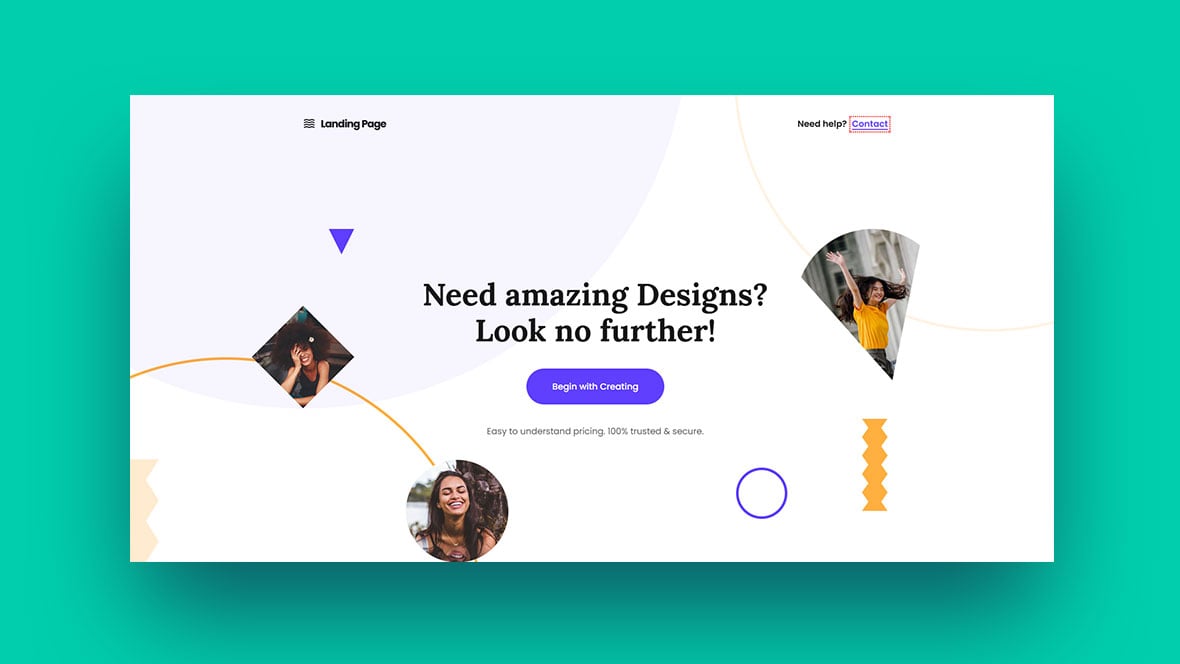
Validate your internet company idea for free by conducting keyword research (Google Trends), creating a simple one-page landing page to collect emails, running social media polls, and interviewing potential consumers about their pain issues. Before committing time or money, make sure there is an issue and that people are willing to pay for a solution.
There are an abundance of business concepts. Some are multimillion-dollar ideas, while others are doomed from the beginning. The latter is the truth for 35% of startups, which fail because there is no market need. But this does not have to be your tale.
Validating your business idea before launch with approaches such as market research and beta testing allows you to avoid costly mistakes and produce something that people want.
Here are several low-cost, expert-recommended strategies to stress-test your concept before investing significant funds.
Before you get into launching a business, take these steps to ensure you have a viable business idea.
1. Make Sure the Problem You Want to Solve Exists
Many entrepreneurs fall in love with a solution before validating the problem. Carter Caldwell, the Penn Medicine Co-Investment Program director at Penn Center for Innovation, says entrepreneurs often fall in love with their own idea, then raise and spend money for their “solution to a non-existent problem.”
Before you invest any time or money in your business idea, spend time exploring the problem you intend to solve and make sure it’s one that people actually want fixed.
“A lot of founders forget to validate and understand the problem they are solving and instead … dive into the feature set that they think might work best,” said Sean Mulligan, programs manager at The Idea Village, a nonprofit that helps Gulf Coast startup founders scale their ventures. “If you get too far ahead of yourself without fully understanding that landscape, you make yourself vulnerable to having a more dramatic pivot in the future.”
This basic but crucial validation step costs nothing but your time to conduct research, whether it’s combing through sites like Reddit and community forums or finding reputable studies about the market you want to enter.
2. Talk to Your Target Customers
While friends and family can be a great source of support for your new venture, they might not know the market well enough to know if your business idea is a good one. The most effective way to validate your idea is to talk with your target customers, said Caldwell.
“That process, which involves direct conversations, conference presentations, networking, and, in some cases, focus groups, will yield tremendous value and shape the product to the point where it does actually address a need,” he added.
Mulligan recommended using open-ended questions to prompt personal stories and uncover real pain points.
“[Founders] can start validating the problem space and some of the hypotheses they have for their solution [through interviews],” Mulligan said.
Target customer interviews can often be conducted at no cost, however, some founders choose to offer a coffee or small gift card as a token of appreciation to their interviewees.
3. Develop a Prototype to Encourage Pre-Sales
After you’ve had initial conversations with potential customers, the next step is getting some of them to commit to being your first real customers. “Sell before you build,” said Nate Nordstrom, who went through an extensive prototyping and feedback process when building his platform, Easy Board. “Make it cheap for the early adopters, but get your cash flowing in the right direction.
Read Also: Niche Down or Go Broad? Finding Your Sweet Spot
Nordstrom cautioned against spending a lot of time and money developing your minimum viable product (MVP), and instead creating a simple, early version of your offering to encourage pre-sales. This can be a video walkthrough of the product or service you intend to develop, to a physical prototype or demo website that your target customer can interact with. Either way, it’s important to get early feedback on your MVP to help shape your final product.
“The best way to avoid the trap of developing something for an extended period without testing the market is to have regular interactions … with your customers,” said Shalabh Gupta, MD, founder and CEO of Unicycive. “As you continue to develop the product … evaluate how each version resonates with your potential customers.”
Platforms like Gumroad or Kickstarter offer a streamlined way to accept pre-orders or sign-ups for a waitlist. Costs vary depending on whether your product is physical or digital, as well as the specific platform you use. Kickstarter, for example, charges 5% plus additional fees from its payment processor for successfully funded projects.
4. Study the Competition and Uncover Gaps
If you’re entering a crowded market, differentiating your idea is critical to long-term success. Check out competitor offerings and customer reviews to identify gaps and areas of consumer frustration. Use these insights to confirm that your offering can truly stand out from what’s currently available.
“The more you see a consistent response in terms of the need and what your product may be able to offer, the clearer it is that something that you are developing is going to have a demand,” Gupta said.
The costs involved in this method vary depending on how in-depth you want to get. You can explore social listening and content analytics tools for a relatively low monthly subscription fee, or you can hire an outside consultant to compile a thorough competitor analysis and identify your strengths, weaknesses, opportunities, and threats (SWOT) in comparison.
5. Ask People Who Have Been There Before and Understand Flaws in Your Strategy
While some business lessons can only be learned by experiencing them, advice from someone who’s been where you are can help you avoid costly mistakes. Nordstrom advised finding a mentor or fellow entrepreneur and asking them meaningful questions about their path to success.
“Apply at least some of their advice,” he said. “The more you can learn from others who’ve gone before you, the better off you’ll be.”
Beyond mentorship, you can also use online resources developed by business education programs and experienced entrepreneurs to uncover any flaws in your proposed path to launch.
“Wharton, Harvard Business School, and the Failory have good methods for drilling down to spot potential failures in one’s own go-to-market strategy, like distinguishing between facts and assumptions,” said Caldwell.
Conclusion
Validating your business idea early on can save you countless hours and money in the long run—and it doesn’t involve much planning or resources. By obtaining feedback and adjusting your offer based on real-world information, you may give your company the best chance of success when it finally launches.









Comments