
 By
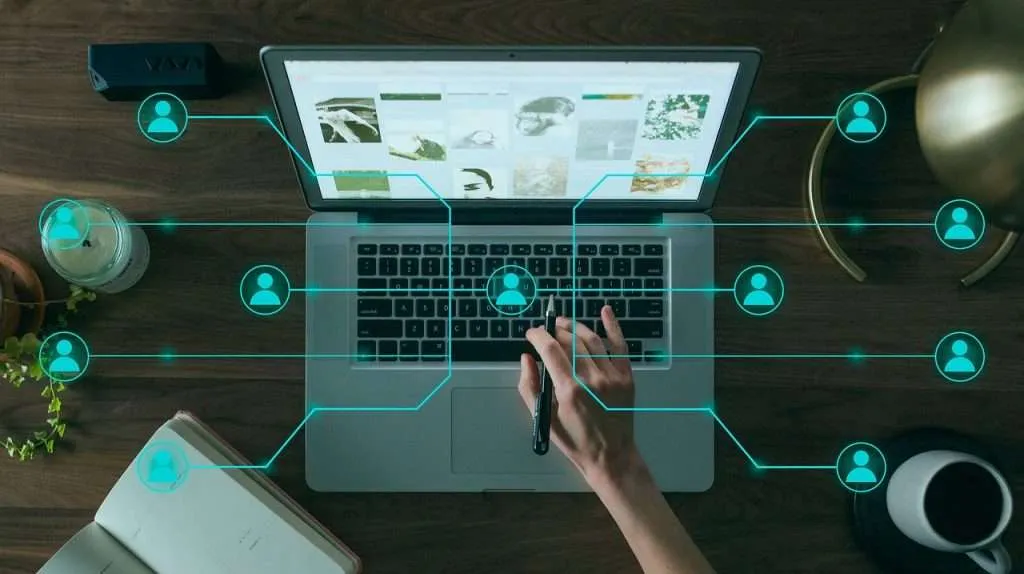
In order to provide a consistent, customer-focused journey, physical and digital touchpoints must be integrated to create a seamless omnichannel experience. To guarantee that inventory, customer information, and branding are integrated, it is necessary to dismantle silos between offline (physical stores) and online (digital storefronts, mobile applications, social media) channels.
Key Strategies for Seamless Omnichannel Integration
- Map the Customer Journey: Identify all touchpoints from discovery to purchase and beyond. Understanding these paths helps identify pain points and areas where integration is needed.
- System Integration: Connect CRM, e-commerce, and inventory databases to ensure real-time accuracy.
- Unified Brand Experience: Maintain consistent branding, messaging, and service levels across all platforms, including social media and physical locations.
- Digital Storefront Capabilities: Utilize digital storefronts to allow customers to check in-store inventory online, browse on mobile, and purchase on desktop.
- Personalization: Use gathered data across channels to provide personalized recommendations and experiences.
Core Components & Benefits
A successful strategy enables features like buying online and picking up in-store (BOPIS), which increases customer satisfaction and loyalty. This approach leads to higher customer retention, improved insights, and increased sales.
Steps to Implement
- Define Your Audience: Understand customer preferences.
- Synchronize Channels: Integrate technology for consistent messaging.
- Train Staff: Empower employees to understand the full customer journey, bridging the gap between digital and physical.
- Monitor & Optimize: Continuously analyze data to adapt to changing needs.
Future-focused approaches include integrating augmented reality (AR) for virtual try-ons and voice-enabled commerce to enhance the digital storefront experience.
5 Steps to Build an Omnichannel Seamless Shopping Experience
Consumers today shop across channels whenever and wherever it’s convenient for them. They are gathering product information from a variety of sources, including marketplaces, social media, retailer websites, online review sites, and in-store displays. In order to buy more quickly and easily, they also adopt new technology.
It’s challenging to create a seamless omnichannel purchasing experience.
Retailers must be fully aware of what customers need, how they want their issues resolved, and what they anticipate from their purchases. Additionally, it compels companies to improve their customer service, product offers, technologies, etc.
Brands risk losing consumers and squandering their money if they don’t have a solid omnichannel strategy.
You’ll now learn about the critical steps needed to build seamless shopping experiences.
1. Developing a Thoughtful Omnichannel Strategy
Many retailers race to implement omnichannel commerce without knowing what exactly it means, what parts to prioritize, and if they’re ready for it. They don’t have a strategy or a set of principles that help them design excellent shopping experiences and ensure that those experiences please customers. They also have limited knowledge of online platforms and lack necessary insights into the ecommerce ecosystem.
The first step in building a great shopping experience is understanding the type of experience you want to deliver. Then, you have to focus on implementation.
How to Build and Implement Your Omnichannel Strategy
When it comes to building your strategy, it needs to be well-developed before you can begin implementation. Therefore, you should:
- Make sure your strategy aligns with your brand purpose, mission, and vision, and provides the values customers expect to get;
- Then, prioritize the experiences with the greatest potential impact on customer behaviors; and
- Determine the processes and technologies you need to deliver those experiences.
McKinsey also suggests that brands should “create agile, cross-functional teams that have true ownership of their projects, deep technology expertise, and a culture of design thinking and continuous improvement.”
2. Having a Deep Understanding of Customers
Acquiring a 360-degree view of customers is a must for a successful omnichannel retail implementation plan. Retailers need to carry out an in-depth analysis of purchasing behaviors, changes in expectations, and platforms where customers hang out.
Read Also: How to Optimize Your Digital Storefront for Mobile
How to Better Understand Your Customers
To better understand your customers and their behavior, you should:
- Use survey tools, interviews, and customer focus groups to validate the current customer experience.
- Ask them what they think about your website and services; and
- Give them the opportunity to tell you how you can better serve them.
Also, conduct a thorough audit of the customer journey to find out which communication options you’re giving your target customers and how they feel throughout the journey. Once you gain greater visibility into customer personas, you can segment them and design an end-to-end purchasing path that puts their needs at the center.
3. Ensuring Consistent Shopping Experiences Across Your Brand’s Channels
As mentioned previously, you should review your mission, vision, and purpose when creating an omnichannel strategy.
The reason is simple — today’s consumers connect everything about a brand to inform their decision. They look for the messages the brand shares on the website, social media, online ads, and other platforms. If your customers’ experiences aren’t aligned with your brand’s promise, their trust in you will erode, as emphasized by Gartner.
How to Maintain Brand Consistency
To maintain brand consistency across multiple channels, you should:
- Clearly define your brand personality.
- Develop brand style guidelines;
- Implement cross-channel communication.
- Gather feedback from every channel; and
- Perform regular audits to ensure your messaging on all channels stays on-brand.
Having said that, you should tailor your brand voice to individual channels as every channel has a different audience and works in a different way. This will help you easily engage with customers on each platform and eventually drive more conversions.
4. Offering Your Customers Engaging, High-Quality Product Content
Poor product content leads to many problems — high returns, high shopping cart abandonment rate, low brand trust, and even worse, a bad reputation. In the eyes of modern consumers, a product is only as good as the information associated with it.
In the 2020 Retail Reimagined survey, Periscope by McKinsey found that informative product descriptions and clear product images are one of the top three factors for a great online shopping experience, increasing in importance by 12% to 23%, from pre- to post-shutdown.
Salsify’s 2021 Consumer Research report discovered the same finding; specifically, 86% of consumers rely on the digital shelf experience to judge product quality. Without a doubt, offering high-quality product content on product detail pages (PDPs) is key to building a seamless shopping experience.
How to Offer Next-Level Product Content
The best practice to take your PDPs to the next level is to use enhanced product content like:
- 360-degree spins;
- Comparison charts; and
- Visual configurators.
This type of content offers customers a great way to view a product from multiple angles and decide if it matches their needs.
When customers find it convenient to shop from your store, they’ll likely continue to buy from you and share their experience with others. Happy customers lead to more.
5. Leveraging Personalization Across Channels
A Gartner survey of more than 3,000 customers conducted between December 2020 and January 2021 revealed that 46% of customers can’t tell the difference between most brands’ digital experiences.
Sailthru and Liveclicker’s 2021 Retail Personalization Index customer survey also reported that about 62% of consumers considered personalizing retail experiences, either online or in the store, as important.
As more consumers are looking for products that fit their needs and personal values, retailers have a huge opportunity to meet this demand with the right targeting and content.
How to Use Personalization Effectively
Personalization is a powerful tool, but only when used effectively. For example, your brand can:
- Create different email automation flows for different customer segments instead of a general flow sent to all audiences in the database.
- Use in-store digital experience to engage shoppers while they’re interacting with your products; or
- Develop personalized reward programs to deliver more value and strengthen customer loyalty.
Conclusion
Retailers should make shopping simple, quick, intuitive, and seamless across touchpoints in order to satisfy contemporary customers. A well-thought-out omnichannel strategy, a multifaceted target customer profile, consistent branding and messaging across channels, personalization options, and a strong e-commerce presence are typically necessary for success.






Comments