
 By
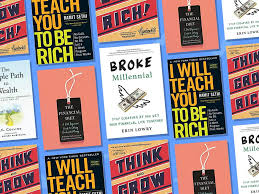
Want to be financially free but don’t know where to start? Begin by picking up a decent book. Whether you’re a student, a salaried professional, a business owner, or a homemaker, the appropriate personal finance book can shift your perspective, provide a plan, and motivate you to achieve your objectives.
Here are 10 highly recommended books for achieving financial independence, building wealth, and developing a good money mindset, based on personal finance literature reviews:
1. The Psychology of Money (Author: Morgan Housel)
Unlike most personal finance books, this one focuses on why we behave the way we do with money. Housel uses real-world stories to explain why being good with money has more to do with psychology and less with spreadsheets.
Why read it?
It helps you understand the emotional side of money – fear, greed, insecurity – and how these emotions can destroy or build wealth.
Best for: Everyone, especially those who’ve made impulsive money decisions.
2. Let’s Talk Money (Author: Monika Halan)
This Indian personal finance bestseller breaks down insurance, mutual funds, emergency funds, tax planning, and SIPs in a jargon-free way. Monika speaks to the average Indian earner without being preachy.
Why read it?
It’s a great Indian context book that gives a 360-degree view of personal finance.
Best for: First-time investors and salaried professionals in India.
3. Rich Dad Poor Dad (Author: Robert Kiyosaki)
This timeless classic has sold over 40 million copies for a reason. It is a popular personal finance book that challenges conventional notions of wealth and encourages readers to prioritize financial education and entrepreneurship over traditional employment. Author Kiyosaki explains how growing up with two dads – one rich and one poor – shaped his views on money. The rich dad (his best friend’s father) taught him the importance of financial education, investing, and building assets. The poor dad (his biological father) emphasized formal education and job security.
Why read it?
It shifts your mindset from “work for money” to “make money work for you” and introduces key ideas like cash flow, passive income, and asset creation.
Best for: Beginners who want to challenge their traditional views on money.
4. Your Money or Your Life (Authors: Vicki Robin & Joe Dominguez)
This book encourages readers to think about money in terms of life energy. It offers a 9-step program to track every rupee, eliminate unnecessary expenses, and move toward financial independence through values-based spending.
Why read it?
It redefines money not just as a tool to buy things but as a reflection of your time and energy. It’s a must-read for those seeking meaning, not just money.
Best for: People seeking minimalism and meaning beyond wealth.
5. The Simple Path to Wealth (Author: J.L. Collins)
Originally written as a letter to his daughter, this book is a down-to-earth guide on building wealth through low-cost index funds. It simplifies investing and stresses on the importance of avoiding debt, saving consistently, and staying the course.
Read Also: The 4% Rule Explained: Myth or Math?
Why read it? Teaches how to invest with ease and avoid common financial mistakes.
Best for: Beginners afraid of investing.
6. I Will Teach You to Be Rich (Author: Ramit Sethi)
Ramit offers a 6-week plan to automate your finances, save more, invest better, and spend guilt-free on things you love. He balances practicality with humor and simplicity.
Why read it?
You learn how to build systems instead of relying on willpower. From credit cards to investing to automation – it’s a one-stop money playbook for millennials.
Best for: Millennials and professionals in their 20s–30s.
7. Financial Freedom (Author: Grant Sabatier)
After going from broke to financially independent in just five years, Grant shares the steps he took. He explores income growth, side hustles, aggressive saving, and investing to achieve freedom before 30.
Why read it?
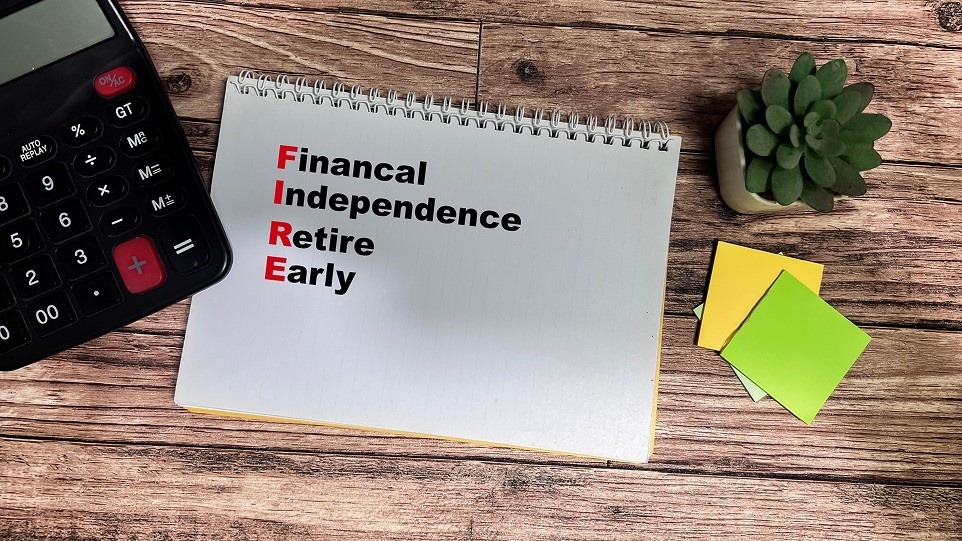
It’s practical, highly motivating, and introduces you to the FIRE (Financial Independence, Retire Early) movement in detail.
Best for: Ambitious savers aiming to retire early.
8. Retire Rich: Invest ₹40 a Day (Author: P.V. Subramanyam)
This book proves that retiring rich is possible with as little as ₹40 a day – if you start early and stay disciplined. It introduces you to the power of SIPs and compounding in an entertaining, story-based style.
Why read it?
It makes the idea of long-term investing accessible to even middle-income earners.
Best for: Indians in their 20s and 30s focused on retirement.
9. Rich Woman (Author: Kim Kiyosaki)
Written by Robert Kiyosaki’s wife, this book encourages women to become financially independent. It discusses the gender wealth gap and why women must take control of their money – through real estate, investing, and self-confidence.
Why read it?
Encourages independence and wealth building for women.
Best for: Women of all ages building money confidence.
10. From the Rat Race to Financial Freedom (Author: Manoj Arora)
This Indian author quit his high-paying corporate job after building a clear financial independence plan. The book gives you the exact steps he used – goal setting, budgeting, investing, asset allocation – to break out of the job trap.
Why read it?
It’s relatable, actionable, and a perfect blueprint for working professionals in India.
Best for: Working professionals seeking early retirement.
Conclusion
Money is frequently viewed as a technical subject that can be managed using spreadsheets, calculators, and investment portfolios. But, as the novels on this list demonstrate, money is far more than that. It is a mirror that reflects our values, fears, goals, and societies. It might be a tool for empowerment, a weapon for control, or a riddle to solve.
From the emotional insights in The Psychology of Money to the geopolitical stakes in Chip War, from the personal reckonings in Having and Being Had to the historical tragedies in Lords of Finance, these works provide a multifaceted education in money. They demonstrate that understanding money necessitates understanding people—their dreams, their mistakes, and their fundamental need for security and purpose.
These ten books can help you manage personal finance, comprehend the growth of global powers, and make smarter decisions in your own life. They teach that accumulating wealth entails thinking more profoundly about risk, opportunity, purpose, and fairness.
Finally, the best money education does more than simply increase your wealth. It makes you wiser. It enables you to perceive the invisible structures around you, challenge your assumptions, and create a future that is not only prosperous but meaningful.










Comments