
 By
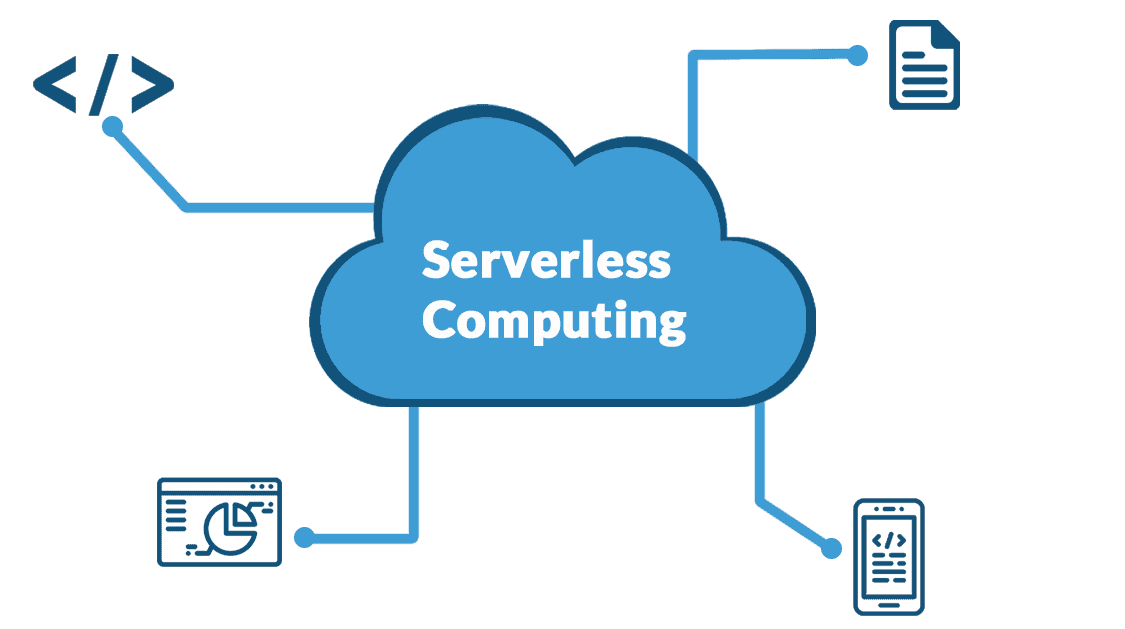
Serverless computing is a cloud execution approach in which developers run application code without having to manage servers, while the cloud provider handles the infrastructure. Real-world examples include image processing for apps like Airbnb, where uploads cause automatic resizing; chatbots for companies like Taco Bell, where each message triggers a function to process the user’s intent; and data analysis for companies like IDEXX and Genentech, which use serverless functions to process massive datasets from sources such as veterinary records or clinical trials.
Developers are no longer required to handle servers, operating systems, or capacity planning. Instead, they can concentrate solely on developing functions and code snippets that respond to events.
Serverless computing allows teams to create applications that are naturally elastic, event-driven, and cost-effective by eliminating infrastructure management worries. It elevates deployment from a hardware-centric exercise to a challenge of pure logic and architecture.
To see this in action, let’s step beyond the definition and look at how serverless is already powering crucial applications in the real world.
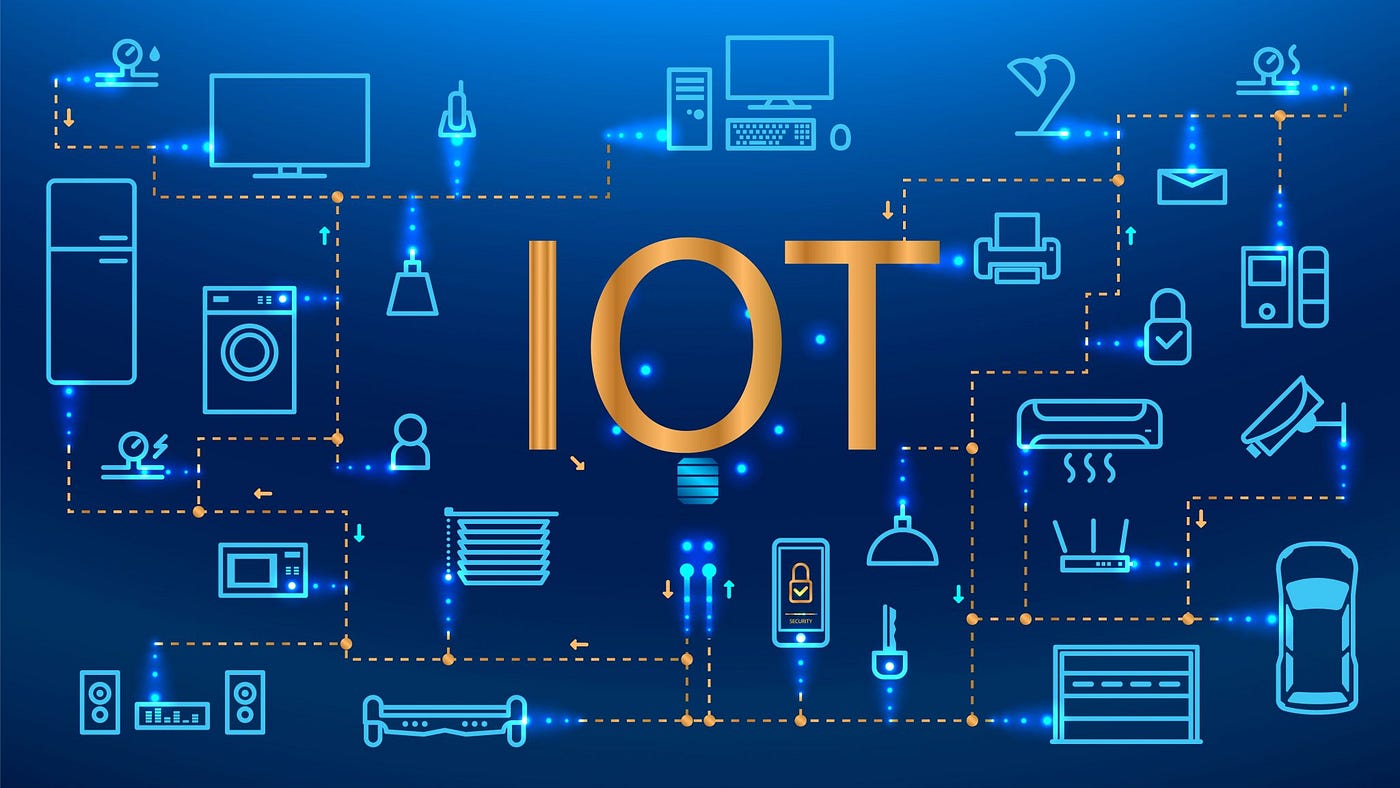
The smart vending machines by Coca-Cola, powered by the IoT
In 2016, Coca-Cola converted its traditional vending machines to cloud-based and serverless vending machines. They are referred to as FreeStyle and can help you save a lot of money each year. Customers may order their drinks, modify their options, and pay online. It also allows customers to receive confirmation messages on their smartphones via the smart vending machines.
Coca-Cola FreeStyle underwent an AWS Well-Architected Review following successful prototype testing in April 2020. In early June, the prototype was sent to client test sites. The online application was made available to the public after a month.
After 100 days of conceptualization, the new web application was functioning on 500 workstations by mid- to late-August. By the end of August, 10,000 machines were operational.
Before transitioning to serverless computing, Coca-Cola had to pay over $13,000 per computer per year. The serverless implementation reduced the bill to around $4500, decreasing expenses by roughly 66%. During the pandemic, FreeStyle systems handled over 80 million requests per month using the touchless experience.
iRobot
In 1990, roboticists at the Massachusetts Institute of Technology unveiled the iRobot. The company offers multi-purpose robots for both commercial and residential applications. During the 2015 Amazon Prime Day sale, iRobots sold approximately 14,000 Roomba robotic vacuums every day. Following the successful event, the group garnered widespread recognition for their ingenuity.
However, they encountered their first challenge that same year, when they had to market the first internet-connected Roomba vacuums. To address this, they decided to use Amazon Web Services (AWS).
AWS provided a unique blend of hassle-free global services and scalability. iRobots was particularly impressed with serverless technologies like AWS Lambda and AWS IoT. The transition saved iRobots a significant amount of money because they no longer had to worry about physical server maintenance and space. It also kept the project below budget, using no more than ten resources to implement the new application.
The data-driven clinical decision-making by IDEXX
IDEXX is a global firm that provides tools and services for the water testing, animal husbandry, and dairy industries.
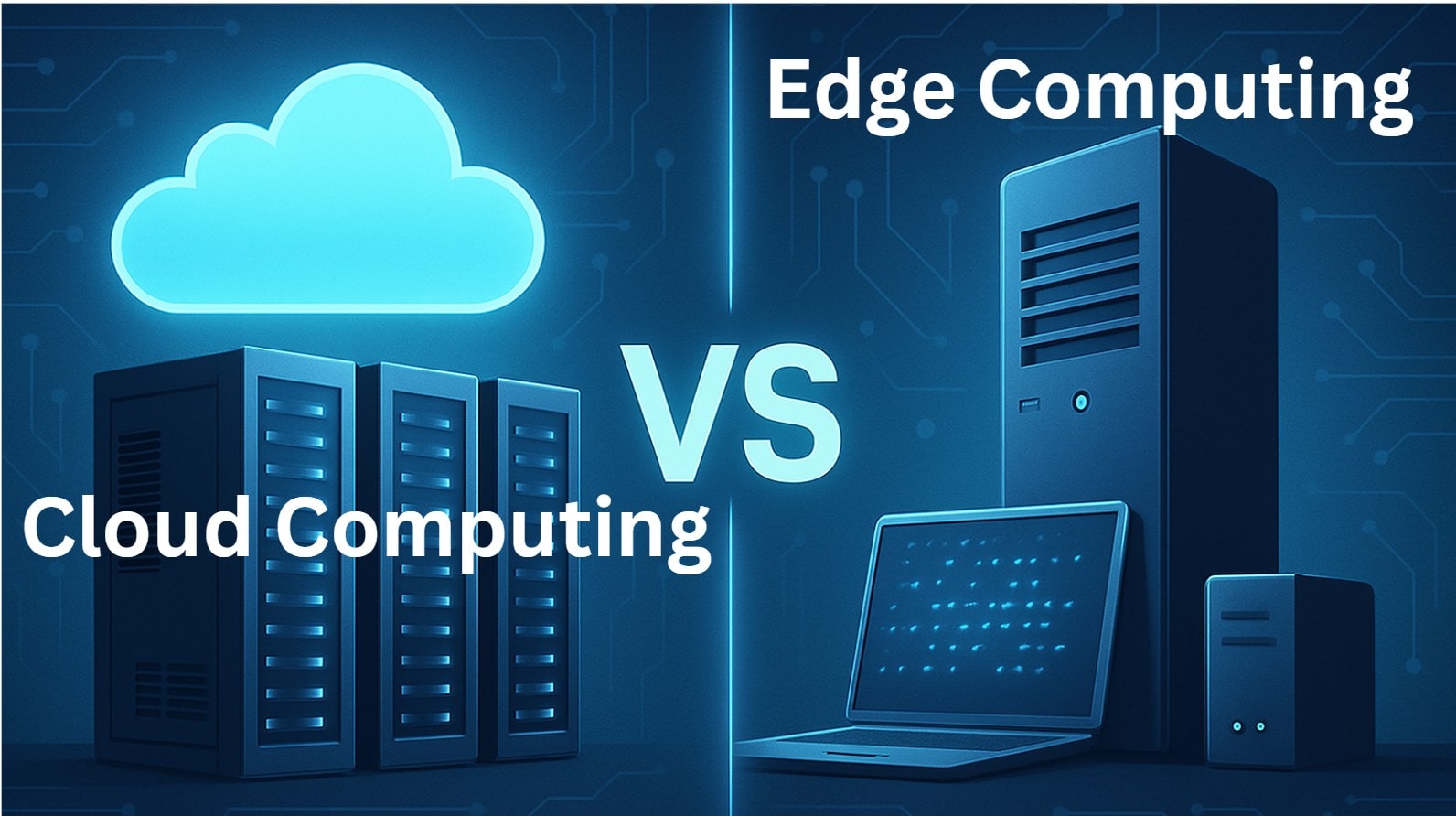
Read Also: Edge Computing vs Cloud Computing: What Is the Difference?
VetConnect Plus is the company’s most recent offering, developed utilizing Google serverless technology. It obtains diagnostic summaries from over 1 billion test data from more than 30,000 veterinary practices. Because of serverless computing, the product can handle 30 TB of data while saving approximately $500,000 in IT expenses per year.
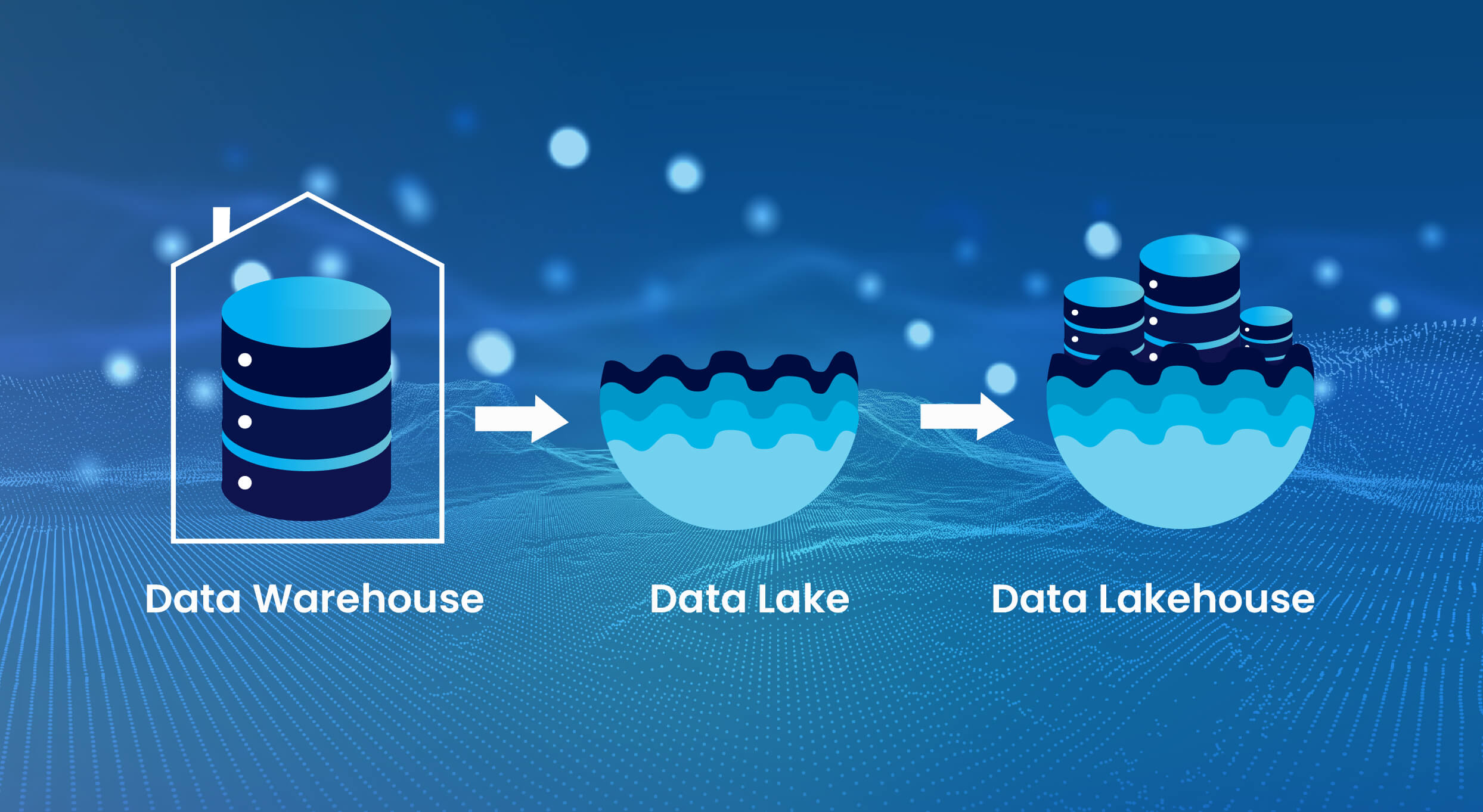
The primary objective of IDEXX is data consolidation across its various offerings. The business used AWS to iterate on the data-lake architecture, allowing it to perform large-scale analysis on more than 6 billion invoice items, 250 million pets, and 600 million medications on file.
The scalable on-demand media delivery from Netflix
Netflix is another prominent real-world example of serverless computing. The company began using serverless technology in 2017, after developing a platform capable of handling numerous changes on a regular basis. Netflix’s unique dynamic scripting platform is built around a serverless architecture that handles end-user delivery, provisioning, and real-time platform updates.
A wide number of publishers regularly submit files to Netflix. Before they can be broadcast to consumers, these files must be encoded and categorized. When files are uploaded to Amazon S3, an event is triggered by an AWS Lambda function. This function divides the video into 5-minute pieces, which are then encoded in 60 simultaneous streams by Netflix. Video segment analysis is used to disseminate and aggregate content based on established rule sets and triggers.
Netflix also uses AWS Lambda for backup purposes. This guarantees that each instance is configured and built to comply with the system’s rules and needs.
FINRA
The Financial Industry Regulatory Authority, or FINRA, is a private organization in the United States dedicated to ensuring market integrity for investors. In 2016, the FINRA intended to audit equities securities, stocks, trade events, and various trading practices. To accomplish this, it utilized the OATS, or Order Audit Trail System, to collect market data and build a complete lifecycle for each order, from the individual investor to the company organization.
The data collected daily is huge, coming from various exchanges across the country. During periods of heavy trade volume, they receive data twice or three times more than on typical days. To meet this difficulty, they chose to host the OATS on a third-party cloud platform.
After conducting a deep analysis of available solutions and testing three proofs of concept, FINRA chose AWS Lambda. With serverless, FINRA improved cost efficiency by paying only for the resources consumed.
Major League Baseball
Major League Baseball (MLB) is regarded as the oldest and largest professional sports league. One of its products, Statcast, provides fans and analysts with real-time, highly accurate sports data. Users can perform complex searches on Statcast sites using factors such as player names, season type, pitch type, and pitch velocity. This service delivers exact data to facilitate in-depth baseball game analysis, which is made feasible by serverless computing.
Slack chatbots
Serverless computing is ideal for single-function applications such as chatbots, which get a variety of requests with variable sophistication. Since chatbot user needs are many and unpredictable, allocating a static server typically results in underutilized bandwidth. To address this, Slack chooses cloud-based and serverless solutions, like AWS Lambda.
The serverless framework provides a standardized approach for designing various serverless solutions across key cloud service providers. It comes with additional CLI tools to improve the developer experience, including secret management, monitoring, and testing tools.
Conclusion
These stories share a common theme: when infrastructure issues fade into the background, firms gain new speed, scalability, and cost efficiency.
As more sectors adopt serverless-first designs, the question switches from “Can it scale?” to “How fast can we adapt?”






Comments