
 By

To start an online business, you must first define a niche, do market research, and build a sound business strategy, which is then followed by legal registration, funding, and brand identity development. Setting up an ecommerce platform, implementing payment methods, building a website, and beginning marketing campaigns are all critical execution phases.
Here are the 10 fundamental steps to launching your online business:
- Identify Your Niche and Idea: Define what you will sell (products or services) and determine your target audience to solve a specific problem.
- Conduct Market Research: Analyze competitors and validate your business idea to ensure there is demand.
- Write a Business Plan: Create a roadmap for your business, including your mission, goals, financial projections, and operating model.
- Choose a Business Structure and Name: Decide on a legal entity (e.g., LLC, Sole Proprietorship) and choose a memorable name that aligns with your brand.
- Register Your Business and Legalize: Register your business name, obtain an EIN (Employer Identification Number), and secure necessary licenses or permits.
- Secure Funding: Determine startup costs and secure necessary capital, whether through bootstrapping, loans, or investors.
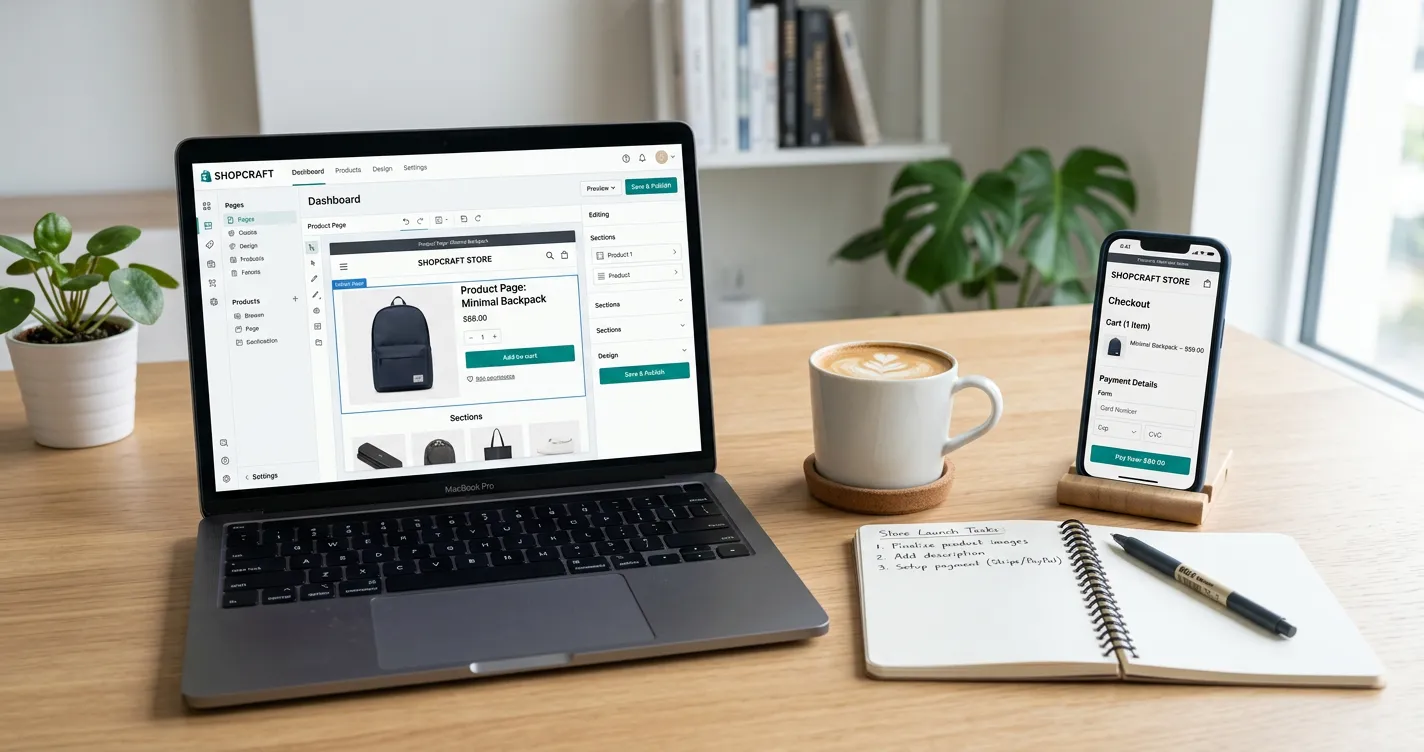
- Build Your Website or Online Store: Choose a domain name and an e-commerce platform (e.g., Shopify, WooCommerce) to design a user-friendly site.
- Set Up Payments and Logistics: Integrate secure payment gateways (e.g., Stripe, PayPal) and establish your shipping or service delivery methods.
- Develop Your Brand Identity: Create a logo, brand voice, and marketing strategy to differentiate your business from competitors.
- Launch and Market Your Business: Execute your marketing plan using social media, SEO, and email marketing to drive traffic to your store.
In today’s digital world, creating an online business is becoming an increasingly popular endeavor. The internet has provided entrepreneurs with unprecedented opportunities, allowing them to access a global audience while operating their enterprises from the comfort of their own homes.
Over 33 million small businesses operate in the United States, accounting for 99.9 percent of all American enterprises (defined as those with fewer than 500 employees). That is a staggeringly large chunk of the country’s economy, emphasizing the importance of anyone being able to start their own firm.
Becoming a business owner comes with a number of distinct advantages. Business owners enjoy complete control over their operations, scheduling flexibility, and the opportunity to build the work environment and culture that best suits them.
If you’re thinking about going on this exciting trip, this post will help you get started right. From establishing your company idea to creating a strong online presence, we’ll teach you all you need to know to start a successful online business.
1. Choose your business idea
Whether you are aiming to launch a disruptive global start-up or a cozy local establishment, your first step will be to identify a great business idea. Knowing what you plan to offer and who you aim to serve is the first step toward starting your business.
2. Conduct market research
Market research refers to an information-gathering process used to help determine the likely success of your business. It incorporates data regarding economic trends as well as consumer behavior and identity in an effort to forecast whether your business idea has a place in the current market—or if you should make some adjustments to your offerings.
Market research can provide you with insight into what other similar businesses are doing, how they’re performing, and how you might be better able to serve your target clientele. Ultimately, it can offer data that supports the need for your business and adds quantitative value to your idea—both of which will be important as you write your business plan and aim to secure funding.
Read Also: How to Choose the Right Online Business Model for You
You can conduct market research independently by doing things like looking into local competitors and surveying your target clientele, or you can hire a market research analyst to conduct a more thorough investigation.
3. Write a business plan outline
Your business plan is a guiding document for how you’ll build, run, and grow your business.
As you write your outline, you’ll be able to envision what your business will become, workshop navigating potential roadblocks, and imagine what success will look like for you.
This document can help benefit you and your potential partners, investors, or funders, so you can structure it however you see fit. Many business owners will create a traditional business plan, which is a highly detailed, multi-page document. Traditional business plans outline information such as:
- Executive summary
- Company overview
- Business goals
- Market research
- Internal organization chart
- Services and product offerings
- Marketing and sales plan
- Funding requirements
- Financial projections
- Appendix
You can also opt to write a lean start-up business plan, which is a one-page document presenting a high-level overview of the information a traditional business plan would describe in detail. This formatting may be useful when you want to quickly present your business idea, though as you generate interest, potential partners or financial backers may ask for a more thorough presentation.
4. Secure funding for your business
In creating your business plan, you’ll get a strong sense of the amount of money, or overhead costs, you’ll realistically need in order to run your business. The next step would be to secure that necessary funding.
A number of ways that you might consider funding your business include:
- Personal savings: Using your personal savings to fund your business, also called “bootstrapping,” involves essentially investing in yourself. If you have a solid amount of savings built up, using your own money to start your business could allow you to maintain total control. However, self-funding also comes with the risk of your investment not panning out according to plan.
- Business loans: Securing a business loan involves a bank or credit union giving you a set amount of money that you will eventually be required to pay back. Business loans allow you to retain control over your business, however, you will often be required to pay back the loan on a set schedule and with interest.
- Investors: Investors are people who will provide you with seed capital to start your business in exchange for some kind of return, often in the form of equity or a role in your company. Unlike a loan, investors typically do not expect direct payback for their investment, and you may lose some control over your business depending on the investor’s desired level of involvement.
- Grants: Business grants are sums of money given to businesses with no expectation of a return. Many grants list a series of qualifications, and if your business meets those qualifiers, you can apply for the grant. Not everyone who applies for a grant will get the grant, but if you do, it’s essentially free money for your business. Grants can come from the government, corporations, associations, or a number of other types of organizations. You can start your search for grants at Grants.gov, or with an internet search for “small business grants.”
- Crowdfunding: Crowdfunding is a set of small donations from family, friends, and other people willing to contribute to the growth of your business. It’s a less traditional funding model that allows you to set the terms for repayment, if any, while retaining total control over your business. Some popular crowdfunding sites include Kickstarter, GoFundMe, IndieGoGo, or SeedInvest.
5. Choose your business structure
A business structure is the first step in building your company’s legal set-up. In choosing your business structure, you determine how you’ll file taxes and your legal protections and liabilities.
Key types of business structures include:
- Sole proprietorships
- Partnerships
- Corporations
- Limited liability companies (LLCs)
Sole proprietorships
A sole proprietorship is a simple business structure in which one person is responsible for all daily operations. This structure does not create a separate business entity, meaning business assets and liabilities fall under your personal assets and liabilities.
Since this structure links business and personal assets, sole proprietorships are best if you are launching a low-risk business and will not be seeking outside funding.
Partnerships
A partnership is similar to a sole proprietorship but used when two or more business owners share responsibilities. In a partnership, the business assets and liabilities are shared under the partners’ personal assets and liabilities.
Corporations
A corporation creates a separate business entity from its owners. These are a bit more complex to establish but offer more legal distance between a business and its owners’ assets and liabilities.
Different types of corporations include C corps, S corps, B corps, and nonprofits, and each type has its own legal requirements. Many people who start a corporation will consult a legal advisor to guide them through the process of establishing and running their business.
Limited liability companies (LLCs)
An LLC exists somewhere in the middle of a sole proprietorship/partnership and a corporation. This structure offers some protection of the owner’s assets and liabilities, while still limiting tax and legal requirements.
Still, people who start an LLC will often hire legal support as they work through the setup process to ensure compliance.
6. Register your business
Registering your business will make it a real, legal entity. Registration requirements and processes will vary depending on where you’re located, as you’ll likely need to comply with a series of federal, state, and local processes.
In addition to registering your business name and applying for a federal tax ID, you may want to file for a trademark or apply for a state tax ID, depending on where you will be conducting your business. You can decipher the various registration needs for your business using guidance from the US Small Business Administration’s website.
Registering your business will be important as you seek to open up bank accounts, apply for business licenses and permits, and legally begin operations.
7. Apply for licenses and permits
To launch certain businesses, you’ll need to acquire federal and state licenses and permits.
Businesses that require federal licenses or permits are those with activities regulated by a federal agency, such as serving alcoholic beverages, working with agriculture, wildlife, or fishing, broadcasting, or operating large vehicles. Check with the corresponding federal agency to learn more about the necessary licenses and permits for your business.
More businesses are regulated on a state level, such as construction, dry cleaning, plumbing, and retail. Check your state’s website to learn more about the types of licenses and permits your business may need.
8. Open a bank account
Opening a bank account for your business separate from your personal account can help keep your finances organized. With some accounts, you may also have the option to open a line of credit for your business, and if you plan to hire employees, you can authorize them to access the accounts, should they deal with your business finances.
Along with your business bank account, you may want to open a business credit card for larger purchases and regular business expenses.
9. Get business insurance
Business insurance will protect you and your business in the event of any accidental or unexpected incidents, such as theft, damages, and lawsuits. The type of protection you may require will depend largely on the type of business you are running and how you expect to run it.
In general, you’ll likely want to consult an insurance agent to help you assess risk, determine the type of insurance that would be most appropriate for your business, and find policies that will fit your budget and coverage needs. An insurance agent can also help you interpret whether your state requires any specific insurance coverage.
Some common types of insurance for small businesses include:
- Business owner’s policy
- General liability insurance
- Professional liability insurance
- Business income coverage
- Commercial property insurance
- Workers’ compensation insurance
- Data breach insurance
- Hazard insurance
10. Prepare for launch
With your preliminary logistics settled, you are well on your way to starting your business. As you approach your launch, you may find it helpful to organize your marketing efforts and start getting the word out about your business. Consider launching a website, advertising your services at local events, or turning to social media.
Key Takeaways:
- Defining your business idea and conducting thorough market research are crucial initial steps in starting an online business.
- Creating a comprehensive business plan and choosing the right business structure are essential for long-term success.
- Registering your business and setting up a strong online presence, including a user-friendly website, are important legal and branding considerations.
- Developing an effective marketing strategy and building a customer base through social media, online advertising, and customer incentives are key to growth.
- Optimizing your website for ecommerce and staying updated with the latest trends and technologies are vital for staying competitive in the online business landscape.










Comments