
 By
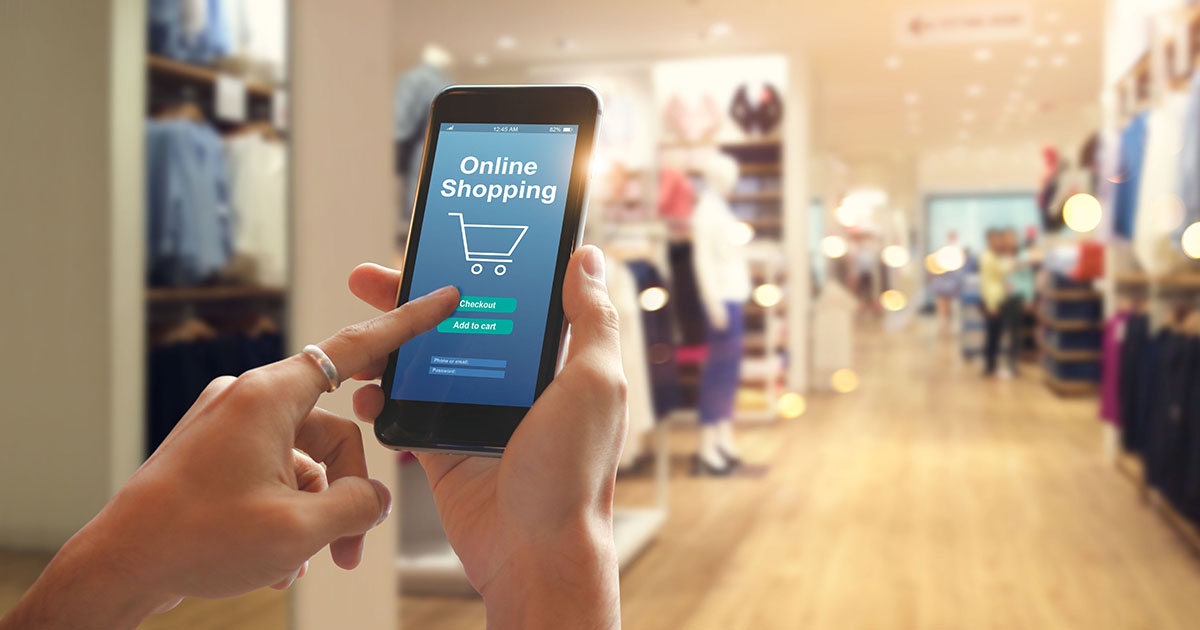
Mobile commerce benefits consumers by providing 24-hour convenience from anywhere, rapid pricing comparisons, and seamless, personalized buying experiences via mobile apps and digital wallets. It also enables rapid, safe, one-tap purchases, expands product availability, and allows businesses to communicate directly with customers via push notifications.
In the age of the Internet of Things, we may gain access to our houses and vehicles using our smartphones without even breaking stride. With today’s smartphone technology, we can pay for transactions with a simple wave and purchase almost anything from groceries to garden furniture.
In an era where smartphones are ubiquitous, retailers are constantly looking for new ways for customers to access their items via mobile devices. This has given rise to a new type of commerce known as mobile commerce, or m-commerce.
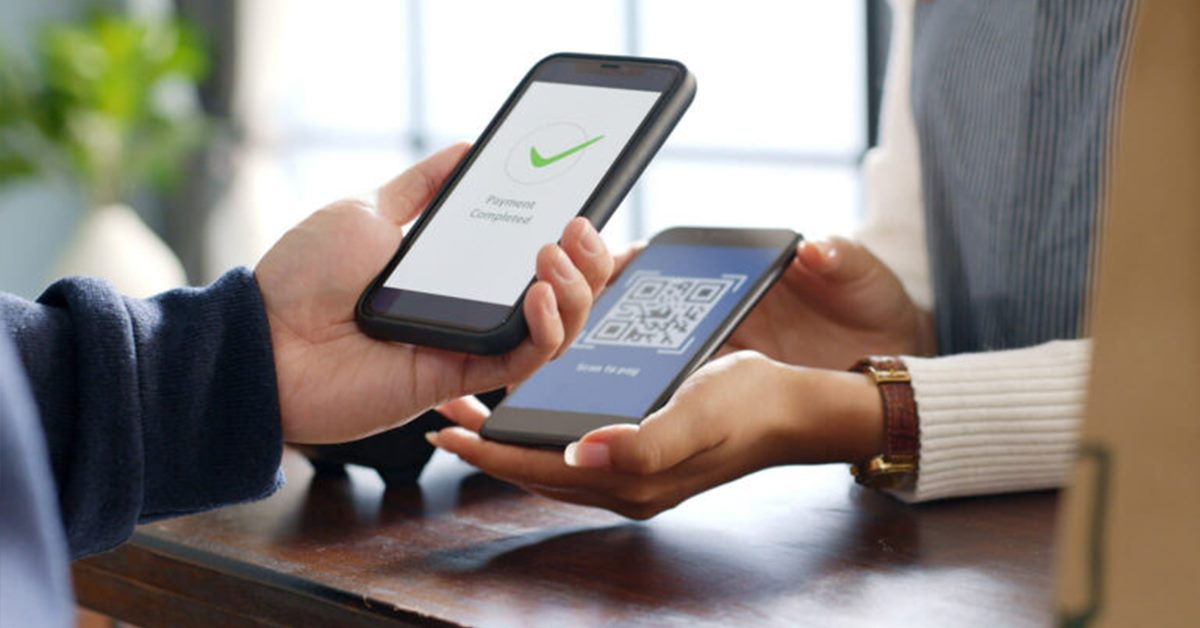
Mobile commerce extends beyond simply accessing e-commerce platforms via a mobile device. It is the umbrella word for purchasing products and services using a mobile device such as a smartphone or tablet. Every time you use Apple Pay or Google Pay to make a contactless purchase, send a payment through your banking app, or add a plane ticket to your phone’s native electronic wallet, you are engaging in mobile commerce.
Key Consumer Benefits of M-Commerce
1. Convenience & Accessibility: Shop Anytime, Anywhere
One of the primary benefits of mobile business is its unparalleled convenience. Unlike desktop purchasing, which requires users to be in a certain location, mobile commerce allows consumers to shop while commuting, waiting in line, or lazing at home.
Why It Matters:
- Consumers can complete a purchase anytime, anywhere, without needing a computer.
- Mobile apps offer a personalized and seamless shopping experience.
- Features like voice search and geolocation-based recommendations enhance accessibility.
Example:
Customers browsing an online store on their phone receive a personalized push notification about a flash sale. With a few taps, they complete the purchase instantly, showcasing the power of mobile commerce accessibility.
2. Faster Checkout with Mobile Payment Options
A slow, complicated checkout process can lead to cart abandonment. One of the most significant advantages of mobile commerce is its ability to simplify and speed up transactions through:
- One-click checkout that eliminates unnecessary steps for returning customers.
- Digital wallets like Google Pay, UPI, and more make payments effortless.
- Biometric authentication like Face ID and fingerprint scanning that ensures secure, instant transactions.
Why It Matters:
- Reduces cart abandonment caused by lengthy checkout processes.
- Increases conversion rates with stored payment options and auto-filled details.
- Enhances security with biometric authentication, reducing fraud risks.
Example:
A shopper selects a product and, instead of entering card details manually, taps “Buy with Apple Pay”, authenticates via Face ID, and completes the order in seconds. This illustrates one of the key advantages of mobile commerce.
3. Improved User Experience (UX) & Faster Load Times
A slow website or poor mobile experience can drive customers away. Another one of the major advantages of mobile commerce is its ability to provide a seamless, optimized user experience.
How M-Commerce Enhances UX:
- Mobile-optimized websites that offer faster loading times and responsive design.
- Auto-fill features that reduce manual data entry for a frictionless experience.
- Smart navigation that allows easy category browsing and one-click checkout.
Why It Matters:
- Reduces bounce rates caused by slow-loading pages.
- Boosts conversions with simplified mobile checkouts.
- Enhances usability, making it easier for shoppers to find and buy products.
Example:
An e-commerce store optimized for mobile loads within two seconds, automatically fills in customer details, and provides a one-click checkout experience, leading to higher conversions.
Read Also: Mobile Commerce and The Internet of Things (IoT)
As we see, mobile commerce is a broad church. Each example creates an opportunity to generate value for the customer, improve convenience and increase the security of the transaction. Some commonly-used examples include:
- Making contactless or in-app payments
- Using ecommerce apps or responsively designed websites
- Using e-tickets and electronic boarding passes on public transport
- Using location-based services to find nearby stores, restaurants or cafes
- Using mobile banking and money transfers
- Using mobile mar
Applications of M-Commerce
1. Retail and Shopping
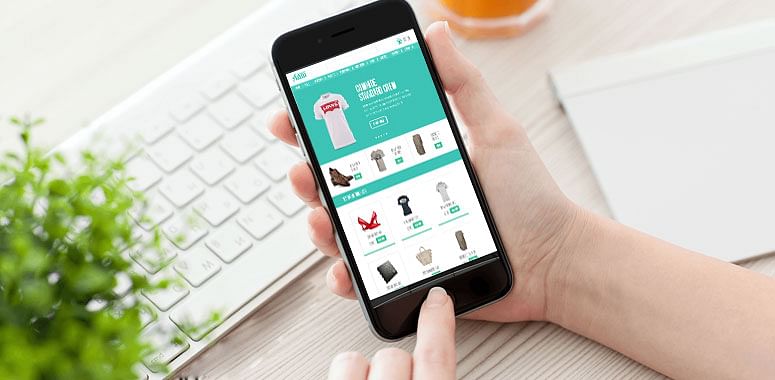
- Mobile Shopping Apps: Retailers like Amazon and eBay have mobile apps that allow users to browse products, compare prices, read reviews, and make purchases.
- Flash Sales and Offers: Mobile platforms often host exclusive flash sales, providing deals and discounts to app users.
2. Banking and Financial Services
- Mobile Banking: Banks offer apps for account management, fund transfers, bill payments, and more.
- Mobile Wallets: Services like PayPal, Apple Pay, and Google Wallet enable users to make payments, transfer money, and manage finances securely.
3. Travel and Ticketing
- Booking Apps: Mobile apps for airlines, hotels, and travel agencies allow users to book flights, accommodations, and rental cars.
- E-Tickets: Users can store and access tickets for flights, trains, concerts, and events on their mobile devices.
4. Entertainment and Media
- Streaming Services: Platforms like Netflix, Spotify, and YouTube provide mobile apps for streaming video and audio content.
- Gaming: Mobile gaming apps offer a wide range of games, from casual puzzles to complex multiplayer experiences.
5. Healthcare
- Telemedicine: Mobile apps enable patients to consult with doctors, schedule appointments, and access medical records.
- Fitness and Wellness: Apps for tracking exercise, diet, and health metrics are popular among users aiming to maintain a healthy lifestyle.
Advantages of M-Commerce for Businesses
1. Convenience
Users can shop, bank, and manage various tasks from anywhere, anytime, without needing a desktop computer.
2. Personalization
Mobile apps can offer personalized experiences based on user preferences and behavior, enhancing customer satisfaction.
3. Speed and Efficiency
Transactions are typically faster on mobile devices, providing quick and efficient service to users.
4. Push Notifications
Businesses can engage users through push notifications, informing them about new products, sales, and important updates.
5. Wider Reach
With the increasing number of smartphone users, businesses can reach a larger audience, including those without access to traditional computers.
Summary
M-Commerce is changing the way customers connect with businesses by providing exceptional convenience and tailored experiences. While technology provides various benefits, such as increased reach and efficiency, it also raises security and privacy concerns. To compete in this fast changing world, businesses that want to embrace m-commerce must prioritize strong security measures, user-friendly design, and dependable app performance.
Below are the ways consumers benefit from m-commerce:
- Unmatched Convenience & Accessibility: Consumers can shop and conduct transactions anytime and from any location with a wireless connection, eliminating the need to visit a physical store.
- Personalized Shopping Experiences: Mobile commerce platforms can offer personalized product recommendations and tailored promotions based on user data, enhancing the overall shopping journey.
- Streamlined & Secure Transactions: With mobile wallets and integrations like Apple Pay or PayPal, consumers can complete purchases quickly and securely, often with a single tap or thumbprint.
- Enhanced Product Discovery: Consumers can easily discover new products through integrated social media features and search engines on their mobile devices.
- Greater Payment Options: The integration of digital wallets provides consumers with more diverse and convenient choices for paying for goods and services.
- Direct & Immediate Communication: Businesses can send relevant push notifications directly to customers’ mobile devices, providing updates on sales and new products that are more likely to be seen and read than emails.
- Improved Access to Goods & Services: Mobile commerce expands a consumer’s access to a wider variety of goods and services from businesses that may not be geographically accessible through traditional retail.




Comments