
 By
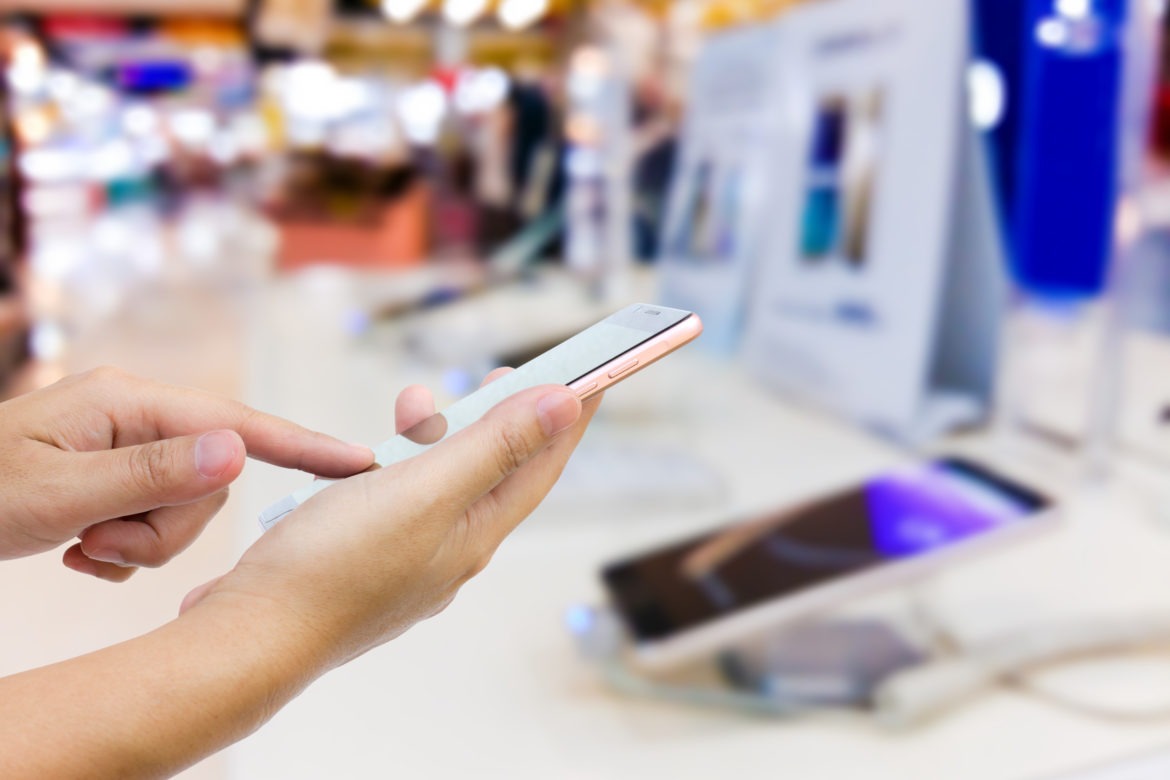
Because it connects online and offline interactions, mobile commerce is essential to omnichannel retailing because it offers a smooth, convenient, and customized customer experience. Through individualized marketing, constant communication, and consistent brand experiences across all channels, it enables businesses to reach a larger audience, including younger demographics, and leverages data to improve consumer loyalty.
An omnichannel approach has been essential during the Covid-19 outbreak and its numerous disruptions to business as normal, yet omnichannel retail—where customers have multiple options to buy from a given brand or retailer—has long been a buzzword in the industry. Brands and merchants should provide their audiences with a variety of channels for purchasing that meet their needs when customers start to leave the house once more.
Nevertheless, mobile devices and mobile apps can and should be an integral part of a high-quality omnichannel consumer experience, independent of the brand’s existing top sales channels. Mobile commerce has a lot of different effects on customer journeys in addition to being a buying channel in and of itself.
What is Omnichannel Retailing?
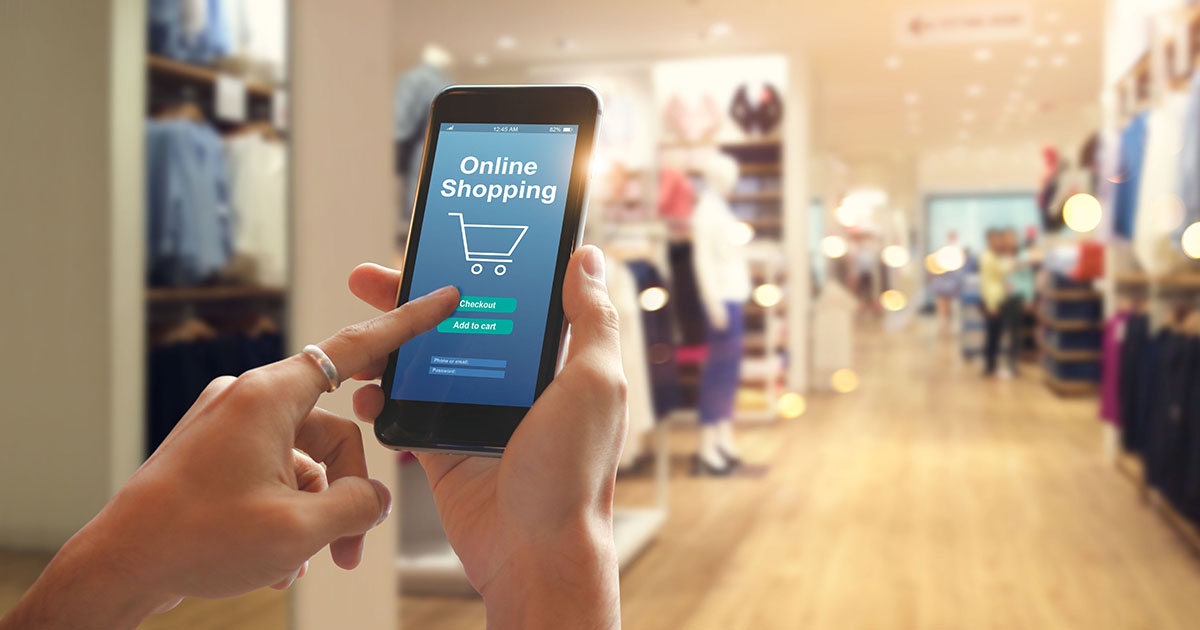
Omnichannel retailing is described as a “well-coordinated multichannel sales approach with the aim to provide customers with a wholesome shopping experience” by the Columbus Chamber of Commerce, which focuses on assisting small businesses in identifying solutions that increase income. The purchasing experience would be flawless whether a customer decides to shop online or at a traditional brick and mortar store. They could contact the store via a desktop computer, mobile device, or even a phone.
However, offering information and purchasing options regardless of the customer’s preferred location is only one aspect of omnichannel marketing. The goal is to establish a connection with clients throughout the entire process. Customers who haven’t finished their online purchases, as well as those who haven’t recently shopped in-store or downloaded the new app, will all receive emails. It entails retargeting consumers on social media with discounts and other deals in an effort to increase traffic to m-commerce sites and other retail locations. The secret to effective multichannel marketing and, eventually, to the success of m- and e-commerce businesses is to consistently engage with customers across all platforms.
“Companies that invest in omnichannel efforts have experienced 89% of customer engagement and retention,” according to a Columbus Chamber of Commerce study. Enthusiastic consumers no longer distinguish between desktop and mobile platforms while making purchases, whether from traditional or e-commerce establishments. Just 45% of merchants have attempted to use the new, developing technologies, despite 71% of in-store consumers saying that their smartphone and online search have become essential to their shopping experience.
Why Do Brands and Retails Need an Omnichannel Approach?
E-commerce is the term used to describe online shopping. Companies such as Amazon have come to be associated with e-commerce, which is why most businesses, including those with physical stores, offer online shopping and why a significant portion of business marketing focuses on fostering interaction and engagement with e-commerce websites.
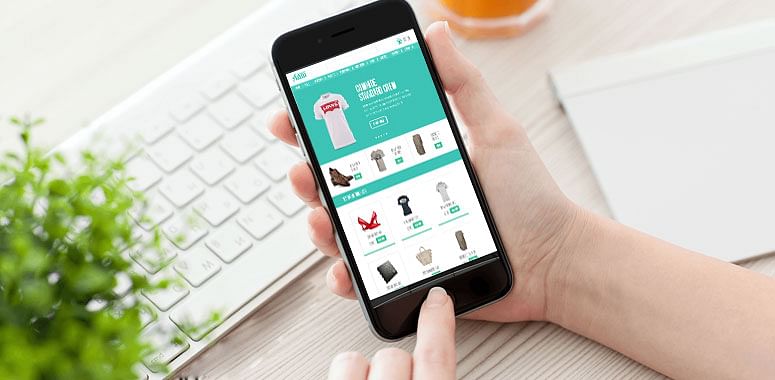
M-commerce is the mobile-optimized type of internet buying, which typically takes the shape of a tablet or phone app that streamlines and simplifies the shopping and research process for consumers. According to recent market research, this is important and cannot be disregarded. According to Big Commerce, “Amazon, branded e-commerce websites, and physical stores are the top three places for consumers to make purchases.” However, the motivations for customer purchases at each of these channels vary by generation and channel.
Read Also: How to Create a Successful Mobile Commerce Strategy
The three main factors that influenced American consumers of all ages to purchase from a reputable online retailer were price, convenience, and free shipping. One of the best strategies to give customers the convenient, desirable purchasing experiences they want is through m-commerce.
In summary, whether customers shop or even browse with a specific brand, store, or shopping platform, they want—indeed, expect—to have a variety of buying models and options available to them. Offering a one-size-fits-all purchasing experience to every potential consumer is no longer viable for any business.
For starters, 49% of all Americans currently shop on third-party websites and applications like Amazon. 59% of people between the ages of 18 and 34 reported utilizing third-party e-commerce sites.
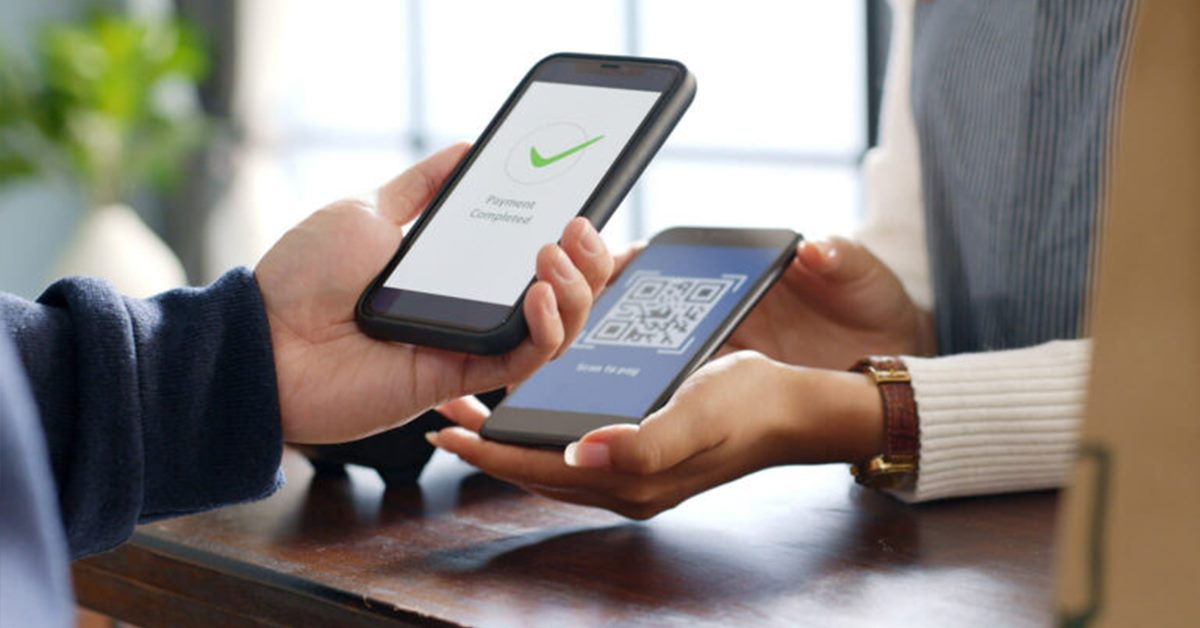
Additionally, various cohorts have somewhat distinct experiences when it comes to in-person purchasing. Although some customers still prefer the traditional in-store experience, other in-person payment methods such as cashierless checkout, BOPIS (purchase online, pick up in-store), and app-based in-person payment methods are also becoming more popular.
Naturally, none of this is very new because shops and brands have long provided consumers with many more options than just one way to make purchases. In addition to physical stores, consider catalogs and shopping experiences on television (such as HSN or QVC).
However, there has never been more demand on brands and retailers to provide a multifaceted shopping experience and fully multichannel customer support, thanks to the growth of e-commerce (and consequently m-commerce).
You may improve your omnichannel m-commerce efforts in a few easy ways. Many of these are logical additions to the digital marketing that the majority of companies currently use.
Use location-based marketing
Imagine being able to communicate with your customers in the store automatically. Using location-based marketing means that when customers stop into your physical store or come by your event, they can receive a mobile push notification that alerts them to a special deal, sale, or feature they can take advantage of in-person, right then and there.
Target across devices
A good m-commerce omnichannel strategy will target users across all of their mobile devices. That means that when someone sees a social media ad on their phone, they will also see the same ad on their tablet. When a marketing software knows that the same user is on a tablet and a smartphone, you can create a more consistent, personalized marketing experience that will drive your m-commerce forward.
The importance of omnichannel in m-commerce is significant, as it enables you to communicate more effectively and consistently with your customers and can help you stay competitive in a crowded retail market.
Recognizing the necessity of providing an omnichannel shopping experience is one thing, but really implementing it is quite another. Only 8% of retailers claim to have fully grasped omnichannel purchasing, per a recent study.



Comments