
 By
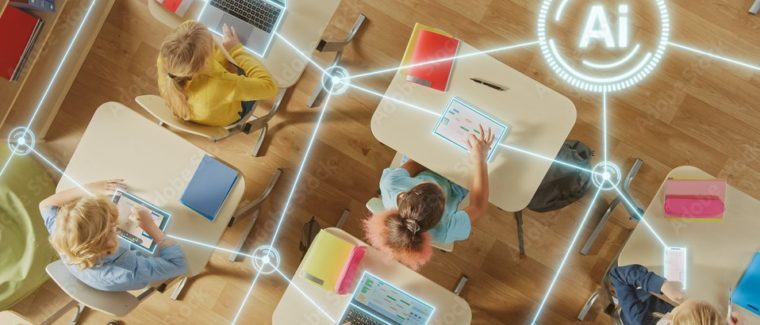
Rethinking education for the digital economy entails changing the emphasis away from rote learning and toward skills such as critical thinking, problem-solving, and computer literacy using project-based learning and multidisciplinary methodologies. Integrating technology into the curriculum, cultivating a lifelong learning attitude for ongoing reskilling, and ensuring the system is inclusive and relevant to both global and local requirements are all critical components. The goal is to educate kids and adults for a technologically driven society and workforce by teaching them both technical and soft skills.
Key shifts in focus
- From memorization to critical thinking: Curricula need to move away from rote memorization to foster critical thinking, problem-solving, creativity, and collaboration.
- From passive to active learning: Emphasize student-centered, hands-on experiences, such as project-based learning (PBL), where students engage with real-world problems.
- From isolated subjects to interdisciplinary understanding: Integrate multiple subjects to show how different areas of knowledge connect, providing a more holistic understanding of topics.
- From static skills to lifelong learning: Recognize that the digital economy requires continuous reskilling and upskilling, making “learning to learn” a fundamental skill.
Integrating technology and new methods
- Use of AI and simulations: Leverage artificial intelligence and realistic simulations to create more engaging, personalized, and immersive learning experiences.
- Gamification: Incorporate game-like elements into learning to increase engagement and motivation.
- Hybrid learning models: Blend physical and online environments to create flexible learning models that prioritize both real-world application and peer collaboration.
- Data literacy: Integrate skills for analyzing large datasets to make informed decisions, as this is becoming a basic requirement across many fields.
Supporting educators and infrastructure
- Teacher preparedness: Provide continuous, practical, and locally relevant training for teachers to equip them with the skills to use new technologies and adaptive teaching methods effectively.
- Policy support: Develop policies that support educational reform, promote digital literacy, and ensure equitable access to technology and infrastructure.
- Teacher agency: Involve teachers in policy-making to ensure their insights shape the reforms being implemented.
- Digital transformation: Align educational models with digital transformation through systems that allow for personalized experiences and data-driven insights.
Today’s civilization advances thanks to the fundamental component of dynamic education. So? What is the issue? Actually, there is no problem, but current society questions the methods that earlier generations used to develop their offspring. Society requires educational and workforce model transitions to ensure a successful start to the twenty-first century.
The provided recommendations will improve the implementation process. Rethinking education is a comprehensive curriculum that guides modern educational practices. The resolutions aim to address educational equity, student development requirements, and education democratization.
Educational reform aims to establish flexible teaching techniques that provide pupils with tailored educational content. This article demonstrates how educational transformation necessitates certain techniques to attain its objectives.
What is Rethinking Education?
Rethinking education involves changing teaching methods and improving learning methodologies. These resolutions are aimed at developing innovative and technologically equipped learning environments that match the unique needs of each student. A revised K12 education framework fosters enhanced educational practice by addressing three key components. These include individualized instructional approaches, contemporary systems, and inclusive educational ideals.
Education in the modern period need new ways because traditional methods fail to adapt to modern changes. Educational institutions must alter their teaching methods in response to technological advancements and workforce transformations. The adaptive approach instructs educational institutions to investigate various student learning patterns in conjunction with their backgrounds and mental health variables.
Why Rethinking Education is Prevalent?
Global transformations introduce multiple reasons that lead to the need for educational change. These are mentioned below:
1. AI Automations
The combination of AI systems along with evolved automated technologies drives society through its current industrial alterations. These modifications call out the need for amalgamation of advanced technology in learning.
2. Need Of Real Professionals
Organizations seek professional workers with critical thinking abilities, problem-solving skills, and creative thinking. This is because the introduction of advanced technology systems has taken over labor-intensive occupations.
3. Meeting Future Employment Needs
The current educational system needs to establish modern teaching methods which train students for future employment needs. The training of such skills alongside practical solutions would enable students to leverage technology solely as a tool for assistance.
4. Equity and Inclusion
Smoke is currently rising from the spotlight of public discussion regarding both equity and inclusion matters. Educational inequalities must be addressed because they stem from both social class background and racial discrimination.
5. Alarming Mental Health Problems
It is really concerning how students mental health is deteriorating, stemming issues like depression, stress, and anxiety. These problems can lead to strained relationships and issues at the workplace or institutions.
Read Also: The Impact of 5G on the Digital Economy
Educational transformation requires learning spaces to build psychological fitness, emotional intelligence, and resilience in students.
Considerations Under Rethinking Education
1. Personalized Student Teaching
The core philosophical change in education requires developing personalized teaching as an essential learning practice. The unique educational requirements that students exhibit differ from individual-to-individual while their learning speeds diverge. Thus traditional teaching methods show difficulties in this aspect.
Teachers should create education content which adjusts to student distinct capabilities and limitations. This lets them move forward according to their ability and pace. Student accomplishment determines how adaptive learning platforms display educational material to students.
Students receive the best support through personalized benefits of learning because such approaches stop them from feeling isolated.
2. Establishing Equity and Inclusion
Creation of both equity and inclusion stands as fundamental elements for making new improvements to education systems. Every student requires quality education while experiencing no discrimination based on their life circumstances.
The goals work to eliminate racial and socioeconomic barriers that create structural impediments. Educational arrangements should be developed to welcome students of all abilities and cultural backgrounds.
Learning spaces need to be designed by educational practitioners to provide full visibility for all students. Students would receive enhanced intrinsic value combined with awareness of their goal-reaching potential.
3. Coming Along with Technology
To become the best of the rest, coming along with technology is equally crucial. Education must create intense technological participation to establish innovative educational systems.
And honestly, the resources that today’s digital tools provide are way more vast and usable than the traditional ones. Digital classrooms with interactive simulations allow students to study their lessons while having access from any time and any place.
Education benefits from technological implementation by achieving purposeful implementation of benefits. Traditional education teaching should remain the primary focus as educational technology should be used exclusively as an extra component.
Proper planning in technology integration enables education to obtain features like personalization, interactivity, and expanded global reach.
4. Advocating for Mental Health
Mental health advocacy requires immediate attention as it emerged as one of the highest priority topics in today’s era. Building facilities that address mental health needs by contemplating stigma should become the educational direction.
Teachers require proper training to identify emotional turbulence so they can provide mental health counseling to students.
Students need to achieve at school as well as fulfill social expectations such that outside factors affect them. All produce substantial detrimental effects on students’ mental health.
Students receive emotional and psychological treatment through an extensive educational model. The educational program helps students learn newer coping strategies and resilience practices.
5. Creativity Over Relearning
Rote memorization needs to be discontinued by adopting creativity over relearning. The educational process builds innovative thinking abilities in students to help them create original solutions for practical world problems.
Education has traditionally set memorization along with fact recitation as its basic learning objectives.
Memorization has lost its traditional value while critical thinking, creativity and problem-solving skills gained higher worth in our complex world.
Where to Implement Rethinking Education?
1. Redesigning Curriculum
The curriculum needs to undergo redesign which serves as the central focus for transforming education. Teachers should rethink their own curricula by emphasizing student-led learning, integrating different learning styles, and making good use of technology.
The rational curriculum design should provide education which teaches analysis skills, teamwork abilities, and adaptability to match current world changes. Detailed emotional intelligence along with digital fluency and cultural competency learning should be included in this training program.
2. Educational Staff Training
Setting up the right educational staff training can serve as the most crucial part of reforming educational methods. Continued staff development programs should occur regularly to master personalization practice and technological systems along with student mental resource techniques.
Equity and inclusion training methods should be incorporated into the program to cultivate teacher responses suitable for different student needs. Modern educational developments require teachers to use professional instructional techniques within every educational system.
The implemented measures function to create positive bonds between teachers and students .
3. Holistic Classrooms
Education providers should establish spaces that meet every need, which calls for holistic classroom development. The three essential aspects that build a holistic educational environment are active learning, social-emotional education, and community building practices.
Teachers must design areas which combine protection for students with recognition of their importance and respect. The approach needs to support academic learning together with individual student growth.
These learning environments deliver both academic learning and life success abilities to students.
4. Vocational Push and Simulations
Vocational education including simulations stands as one of the unique preferences of all students instead of following traditional university paths. Educational reform initiatives focus on providing industrial experience as well as hands-on classroom practices.
Students need practical skills that match workforce needs together with apprenticeships and realistic simulations as part of their education curriculum. Through this approach academic education will link to job opportunities to make students prepared for various career paths.
5. Amending Policies
Education policy reform succeeds in supporting the objectives designated for education redesign. Governments have the power to fund academic studies, set national standards, and develop laws that support creative teaching and learning methods.
Institutions of education require equal financial support alongside progressive teaching strategies to achieve the needed implementation of resources. Updated educational policies will help systems develop better operational flexibility and responsiveness across educational institutions that serve all student groups.
Bottomline
To prepare students for upcoming global changes, educational systems must be thoroughly adjusted. Individualized instruction combined with educational equity will result in a better educational structure that is responsive to student needs. Educational teaching strategies should incorporate technology systems, mental health services, and creative learning methods.
Teachers must cooperate with politicians, students, and their communities to develop successful adaptations correctly. A reform strategy brings about a learning system which delivers topic knowledge plus flexible talents for student accomplishment.








Comments