
 By

Using AI in affiliate marketing enables marketers to automate time-consuming operations, generate content on a large scale, and increase ROI through predictive analytics. Approximately 79.3% of marketers now utilize AI for tasks such as keyword research, content optimization, and performance tracking, with some reporting revenue boosts of up to 30%. By 2026, AI-driven tactics will have reduced the launch time for new affiliate sites from months to days, allowing for faster generation of high-quality, SEO-optimized content.
What is AI Affiliate Marketing?
AI affiliate marketing blends standard affiliate methods with artificial intelligence tools to automate and improve content production, audience targeting, and performance analysis. Instead of manually writing each product review, comparison article, or promotional email, marketers employ AI to generate on-brand content more quickly while retaining quality and relevance.
The main advantages are speed and scale. AI solutions can generate several content versions, test various messaging techniques, and adjust to audience preferences—all while you concentrate on strategy and optimization.
Nowadays, affiliate marketing may automate operations that were previously done manually, freeing up significant amounts of time to spend fine-tuning programs. With the ability to automatically segment audiences, personalize content, and provide recommendations, consumers receive more relevant content, increasing the likelihood of conversion.
With enhanced technology capabilities currently accessible, firms can easily track the source of their conversions. When an affiliate link is clicked, AI can determine whether a sale occurred and trace it back to the original source. Using AI-powered solutions to implement affiliate marketing enables organizations to precisely adapt, track, and scale their programs, thereby enhancing their long-term performance.
Core Components of an AI Affiliate Marketing Strategy
Building a successful AI-driven affiliate marketing approach requires several foundational elements working together.
1. Content planning and keyword research
Before creating content, identify what your audience is searching for and which products align with their needs. Use keyword research to uncover high-intent search terms related to your affiliate products. Focus on queries that indicate purchase readiness, such as “best [product] for [use case]” or “[product] vs [competitor].”
AI can accelerate this process by analyzing search trends, identifying content gaps, and suggesting topics that balance search volume with conversion potential.
2. High-quality content creation
Content remains the foundation of affiliate marketing success. Your content must provide genuine value, answer audience questions, and build trust before recommending products. This includes:
- Product reviews: Detailed evaluations that highlight features, benefits, and real-world use cases
- Comparison posts: Side-by-side analyses that help readers make informed decisions
- How-to guides: Educational content that naturally incorporates affiliate products as solutions
- Listicles: Curated collections of products organized by category, price point, or use case
AI writing tools can generate initial drafts based on product specifications, customer reviews, and competitive analysis, which you then refine with your expertise and authentic perspective.
3. Search optimization
Search visibility drives organic traffic, which converts to affiliate commissions. Optimize your content for both traditional search engines and AI-powered answer engines by:
- Structuring content with clear headings and scannable sections
- Answering common questions directly and concisely
- Including relevant keywords naturally throughout the text
- Adding schema markup to help search engines understand your content
- Building internal links between related content pieces
4. Conversion optimization
Traffic alone doesn’t generate revenue—conversion does. Optimize your affiliate content by:
- Placing affiliate links strategically where they add value
- Using clear calls-to-action that guide readers toward purchase decisions
- Including visual elements like comparison tables and product images
- Adding trust signals such as disclosure statements and authentic recommendations
- Testing different link placements and messaging approaches
5. Performance tracking and iteration
Monitor which content drives the most clicks, conversions, and commissions. Use this data to refine your strategy, double down on what works, and improve underperforming content. Track metrics including:
- Click-through rates on affiliate links
- Conversion rates by content type
- Revenue per article or campaign
- Search rankings for target keywords
- Audience engagement metrics
Overview of AI Tools Transforming Affiliate Marketing
You’ve probably observed how quickly our industry evolves. Just when you believe you’ve acquired all of the necessary marketing skills, something new emerges and alters everything. We’re currently witnessing a tremendous transition as artificial intelligence reshapes how we approach advertising, develop content, and engage with our audiences.
By 2026, AI will be more than just a “new toy”; it will be required to remain competitive.
Whether you’re an experienced affiliate marketer or just starting out, these tools are going to make your life a lot easier.
Enhancing visual and text content with AI
- Krea
Hiring a designer or paying for professional photos can quickly drain your budget. Instead, Krea allows you to generate high-quality lifestyle images for your campaigns — without the hefty price tag. This tool equips you with professional design capabilities, helping you create branded visuals that seamlessly match your existing marketing materials.
- Remix
Forget the limitations of traditional tools like Photoshop — Remix takes image editing to the next level with powerful yet user-friendly features. Its advanced blending tools let you merge elements from multiple images, allowing you to craft unique, attention-grabbing visuals for your landing pages — no design skills required.
- Aurora
Aurora generates top-quality product photos that meet professional standards for all your visual needs. This AI tool transforms product demonstrations into compelling lifestyle scenes, creating marketing visuals that truly stand out. Marketers have found that Aurora’s images often resonate more deeply with specific audiences compared to other AI solutions.
- Adobe Firefly Bulk Create
When you need multiple visuals for different market segments or A/B testing, Adobe Firefly’s new Bulk Create feature becomes your ultimate design tool. It’s like having an entire design team working around the clock, generating high-quality branded visuals in bulk. Best of all, this latest addition to the Firefly family seamlessly integrates with all existing Adobe applications.
- Flux.1
Ever generated an image that looked almost perfect but missed an important detail you definitely included in your prompt? Flux.1 is a perfectionist’s best friend. This AI tool ensures every pixel is exactly where it should be, taking image customization to a whole new level. Fine-tune every aspect of your visuals with ease — without spending hours tweaking Photoshop settings. The best part? It’s incredibly intuitive, yet the results look like you’ve spent hours refining them manually.
AI-powered video tools
- Sora
Affiliate marketers once struggled with video content — until Sora made virtually anything possible. Now, anyone can create professional-grade videos from simple text descriptions — no video editing experience required. With Sora, your audience won’t just see a promo; they’ll feel like they’ve stepped into an A-list movie.
- Viggle
Viggle streamlines your entire video production process—from editing and optimization to generating platform-specific versions of your content for every traffic source you use. No more wasting time manually cropping and resizing videos when platforms suddenly change their layouts (looking at you, Instagram). With Viggle, your videos are automatically formatted to fit each platform perfectly—without the headache.
- Adobe Firefly Video Model
The latest addition to the Adobe Firefly family, Video Model, brings game-changing video creation capabilities to everyone — even those without a design background. Now, you can generate polished, on-brand videos without high-end editing tools. This AI-driven technology gives you full creative control over your video content and style, making professional video production more accessible than ever.
- Dream Machine
Dream Machine lives up to its name — turning your video content ideas into reality. This studio-level AI is built for high-quality product demo creation, giving you a seamless flow of professional-looking videos. Need a lifestyle video that resonates with your target audience? With just a few clicks and a smart prompt, Dream Machine delivers engaging, high-impact visuals effortlessly.
Level up audio content with AI
- Hailuo
Get professional-quality voice-overs on a shoestring budget with Hailuo. This AI-powered tool leverages natural language processing to produce lifelike, engaging audio — ensuring your content sounds authentic and immersive, never robotic.
- Suno
Suno delivers professional-grade audio tools that even the most seasoned marketers will find impressive. Think of it as having an expert audio technician at your disposal — enhancing recordings, adding music, and creating special sound effects to make your content truly stand out. Best of all, Suno is user-friendly, making it an effortless addition to your marketing toolbox.
- Speechify
With Speechify’s text-to-speech technology, marketers can generate natural-sounding, human-like speech for their promos. This AI-powered tool lets you create audio content in different styles, allowing you to reach every segment of your target audience. Plus, with support for multiple languages, your global audience will appreciate hearing creatives in their native tongue.
Read Also: Choosing the Best Affiliate Program for Your Niche
AI tools for advanced text analysis and generation
- DeepSeek
DeepSeek acts as your personal marketing expert, helping you identify the most compelling content formats for your audience and the best timing for your offers. With AI-powered analysis, you can track campaign performance and make data-driven decisions to maximize your revenue.
But DeepSeek isn’t just another AI tool — it’s ChatGPT’s biggest competitor, built on a fraction of the budget. While OpenAI invested hundreds of millions, DeepSeek developed its AI model for just $6 million. However, Microsoft and OpenAI are now investigating DeepSeek for allegedly training its model on ChatGPT output via unauthorized API access, which would explain its significantly lower development costs.
In January 2025, DeepSeek’s introduction sent shockwaves through the market, triggering a historic downturn. Nvidia’s stock value plummeted by $600 billion, contributing to a trillion-dollar stock market loss in the US. DeepSeek’s trend-detection algorithms reacted to market shifts before traders could, setting off a chain reaction that reduced stock demand and drove prices down.
Following this turmoil, DeepSeek has suspended new registrations, citing infrastructure strain and alleged malicious attacks.
- Qwen 2.5
Struggling with writer’s block? Qwen 2.5 is here to help. This latest version of the popular AI-powered writing tool generates natural, compelling content that can seamlessly match your existing promos — or create something entirely unique. Whether you need short-form, business-style ad copy or engaging blog posts that drive conversions, Qwen 2.5 delivers content that resonates.
- Colosseum 355B
In today’s business landscape, compliance regulations are stricter than ever. Colosseum 355B ensures your marketing campaigns stay risk-free while maintaining a strong, persuasive message. This AI blends compliance expertise with high-level copywriting skills, helping you craft marketing content that not only converts but also meets all legal and regulatory standards.
For sustainable, regulation-compliant marketing, Colosseum 355B is an essential tool. You can access it through NVIDIA NIM microservices via the NVIDIA API catalog.
Streamline your workflow with AI
- Cubby
Remember the days of juggling countless spreadsheets and research documents, constantly switching tabs, and getting lost in endless rows of data? Cubby streamlines messy workflows into clear, digestible insights. Think of it as your research assistant, automatically handling data collection and analysis while enabling seamless team collaboration and easy access to results.
- Qwen 2.0
If Qwen 2.5 is your writing assistant, then Qwen 2.0 is your productivity coach. This AI optimizes your marketing operations, handling repetitive tasks so your team can focus on strategy and creativity. The result? Smoother workflows, increased efficiency, and more time for big-picture thinking.
- Microsoft Copilot
Exclusive to Microsoft users, Copilot enhances productivity by integrating AI support into Microsoft 365 applications. Whether you need help with drafting emails, editing documents, creating spreadsheets, or analyzing data, Copilot acts as your smart AI assistant, understanding your marketing needs and streamlining daily tasks.
AI-driven tools for smarter ad campaigns
- Skai
Want to enhance your ads across all platforms without blowing your budget — or your sanity? Skai is your ultimate marketing ally. This powerful platform connects all your marketing channels while leveraging AI-driven predictions and optimizations to refine your strategy and keep you ahead of the competition.
Step-by-Step Guide to Implementing AI-driven Affiliate Marketing
Are you ready to revolutionize your affiliate business? AI can automate the entire affiliate marketing process, including content production, link management, and performance tracking and optimization. To systematically apply AI automation, follow these six steps:
Step 1: Choose the Right AI Affiliate Programs
The generative AI market is expanding from $40 billion to $1.3 trillion over the next decade, creating massive opportunities for affiliate marketers. When getting started, it’s essential to carefully evaluate and select the right affiliate marketing program, focusing on automation features, AI integration, and platform capabilities that can help you efficiently manage and scale your efforts. Start by evaluating programs based on these criteria:
Commission Structure:
- Recurring commissions generate long-term value (look for 15-50% recurring rates)
- Cookie duration matters (30-120 days preferred)
- Tiered structures reward growth (CustomGPT offers 15% starter, 18% pro, 20% master)
- Lifetime commissions beat one-time payouts
Product-Market Fit:
- Promote products you’ve personally tested
- Ensure strong demand (check search volume and competition)
- Match your audience’s needs and interests
- Verify quality through reviews and testimonials
Support and Resources:
- Marketing materials (banners, email templates, social media assets)
- Dedicated affiliate manager
- Reliable tracking and reporting
- Responsive support team
Top AI Affiliate Programs to Consider:
- CustomGPT.ai (15-20% recurring, AI chatbot platform)
- Jasper (30% recurring first year, AI writing assistant)
- GetResponse (up to 50% recurring, email marketing)
- Notion (50% commission first 12 months, productivity platform)
- Synthesia (20-30% recurring, AI video creation)
Step 2: Master the Product Before Promoting
Authentic recommendations convert dramatically better than generic pitches. Product knowledge builds trust—the foundation of successful affiliate marketing. Here’s how to become a product expert:
Test Personally:
- Purchase and use the product yourself
- Document real results with specific metrics
- Identify strengths AND limitations
- Compare with competing alternatives
- Take screenshots, record demos, track outcomes
Create First-Hand Content:
- Video demonstrations showing actual use
- Before/after results with data
- Tips based on personal experience
- Honest pros and cons analysis
- Answers to common objections
Develop Expertise:
- Complete any available training or certification
- Join product communities and forums
- Connect with other successful affiliates
- Stay updated on new features and updates
- Build relationships with the company team
Step 3: Automate Content Creation with AI
Content fuels affiliate marketing, but manual creation doesn’t scale. AI tools accelerate production while maintaining quality:
Blog Posts and Articles:
- Use ChatGPT or Jasper to generate outlines and first drafts
- Run content through Surfer SEO for optimization suggestions
- Add personal insights and unique perspectives
- Include genuine product experiences and examples
- Always disclose affiliate relationships transparently
Product Reviews:
Use AI templates in tools like Narrato:
- Input product URL or specifications
- Let AI extract features and benefits
- Edit to add your authentic voice
- Include comparison tables and ratings
- Embed affiliate links naturally within content
Email Campaigns:
AI email assistants like GetResponse or Mailchimp:
- Generate subject lines optimized for opens
- Create personalized body copy based on segments
- Schedule sends for optimal engagement times
- Run A/B tests automatically
- Track performance and refine approach
Visual Content:
Create videos without filming:
- Zeely AI: Paste product URL, choose template, select AI avatar, generate script, render in 12 minutes
- Pictory: Transform blog posts into videos with stock footage and music
- Synthesia: Create professional presentations with realistic AI presenters
- Canva: Generate social media graphics and display ads
AI tools can also generate and publish content directly to social media platforms, streamlining your affiliate marketing workflow and expanding your reach.
Step 4: Implement Smart Partner Recruitment
Finding quality affiliates consumes enormous time when done manually. AI-powered platforms automate discovery and matching:
Automated Discovery Process:
- Connect tools like Upfluence or Influencity to your store
- Set criteria: target niches, minimum engagement rates, audience demographics
- Let AI scan and score candidates for relevance and potential performance
- AI tools can also assist in analyzing industry hashtags to identify relevant influencers and affiliates based on engagement and audience fit.
- Review shortlisted prospects with highest match scores
- Approve top candidates and pass on poor fits
Smart Matching Algorithms:
AI platforms analyze:
- Content quality and engagement metrics
- Audience overlap with your target market
- Past affiliate performance and conversion rates
- Social media presence and reach
- Email list size and engagement levels
One e-commerce brand using AI matching saw 50% higher earnings per click (EPC) compared to manual affiliate recruitment. The system identified micro-influencers with highly engaged audiences that outperformed larger creators with broader, less targeted followings.
Automated Onboarding:
Once partners are approved:
- Email sequences deliver training automatically
- AI chatbots answer common questions 24/7
- Performance dashboards provide real-time feedback
- Systems alert you to inactive partners needing support
Step 5: Optimize Campaigns with AI Analytics
Manual performance reviews happen weekly or monthly—AI optimization runs continuously, catching problems within minutes instead of days:
Real-Time Tracking:
Connect Google Analytics 4, Hyros, or Scaleo to monitor:
- Click-through rates across all platforms
- Conversion patterns by traffic source
- Revenue attribution by content piece
- Partner performance comparisons
- Customer lifetime value predictions
Comprehensive performance reporting is essential for optimizing affiliate campaigns, as it provides a full-funnel view and enables accurate tracking and data-driven adjustments.
Automated Optimization Rules:
Set trigger-based automation:
- “Pause any ad where ROAS drops below 150%”
- “Increase budget 20% when CPA falls 10% below target”
- “Send Slack alert when conversion rate drops 15%”
- “Boost spend on campaigns with >30% profit margin”
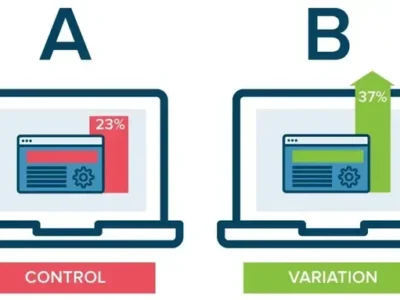
A/B Testing at Scale:
AI-powered multivariate testing evaluates:
- Multiple headlines simultaneously
- Various CTA button colors and text
- Different layouts and designs
- Image vs. video performance
- Email send times and subject lines
One DTC brand using AI-driven A/B testing discovered minimalist designs with product close-ups increased click-through rates by 35%. Traditional testing would have taken weeks to reach that conclusion—AI delivered insights in 3 days.
Predictive Analytics:
Machine learning forecasts:
- Which products will trend next month
- Expected conversion rates by traffic source
- Optimal budget allocation across channels
- Customer churn probability
- Seasonal demand fluctuations
Step 6: Scale with Automation and Feedback Loops
Sustainable growth requires systems that learn and improve continuously:
Automated Publishing:
Tools like Ocoya and Buffer:
- Schedule content across multiple platforms
- Post at optimal engagement times
- Maintain consistent presence without manual effort
- Adjust posting frequency based on performance
Content Clustering:
AI identifies topic relationships to build content hubs:
- Analyze top-ranking competitor content
- Identify main topics and subtopics
- Suggest internal linking structure
- Create comprehensive resource centers
Studies show topical content clusters can boost traffic by up to 300% by establishing topical authority and improving site architecture.
Continuous Improvement:
Feed performance data back into AI systems:
- Click, open, and conversion data trains models
- Systems learn which creatives perform best
- Algorithms automatically optimize future campaigns
- Performance improves over time without intervention
Scaling Operations:
As revenue grows, AI allows expansion without proportional cost increases:
- Add new products without hiring writers
- Test additional traffic sources automatically
- Recruit more affiliates using discovery tools
- Launch in new markets with translation AI
Automating affiliate workflows enables efficient scaling by streamlining tasks like funnel tracking, recruitment, and onboarding, so you can grow your affiliate program without increasing manual effort.
Case Studies Showcasing Successful AI-driven Affiliate Marketing
1. Amazon AI in action

Amazon was one of the first big-name brands to harness the power of AI, using it to transform the online shopping experience with personalised suggestions and shopping assistants. Using previous user data, AI is able to suggest products tailored to the individual buyer profile of a customer, increasing the likelihood of them finding what they are looking for.
Read Also: Creating and Selling Digital Products: E-books, Printables and Online Courses
With Amazon having one of the biggest affiliate marketing programs in the world, AI-powered link-building tools allow sellers to promote their products to a highly relevant audience. These AI-powered tools help optimise the visibility of products by analysing customer behaviour and preferences, ensuring that links are shared with users who are most likely to be interested in the items being promoted. This increases the potential for higher conversion rates and more sales.
As well as benefiting Amazon itself, businesses using its affiliate marketing program benefit from the AI capabilities as they are able to promote tailored promotional materials and videos which address the user’s specific needs and desires. This means that the ads are not only more relevant, but are more likely to lead to increased revenue off the back of the conversions.
2. Booking.com travel recommendations

Booking.com is one of the leading digital travel platforms, helping customers find accommodation options for their trips. Over recent months, they have been expanding their AI-powered features to create a more personalised experience for each traveller.
They have introduced a range of tools that allow for much more ‘human’ searches, giving users the ability to describe their ideal property or ask questions. GenAI is then able to scan the entire inventory to suggest the most relevant options, boosting accuracy since the user is able to make more detailed requests.
These AI advancements also offer benefits to members of the affiliate program who earn money when advertising Booking.com services. A website owner can promote Booking.com through banners on their site and receive commission from any bookings made. These banners use AI to recommend properties based on the user’s previous searches, so they are highly relevant and more likely to convert.
3. Nike’s AI-refined designs

Unlike the other companies mentioned, Nike is harnessing the power of AI differently, using it as a tool to refine the design of their products. When discussing the launch of their new Nike Air footwear, the level of research into the R&D process was revealed. Once prototypes had been created, elite athletes were invited to answer detailed questions about the product before their answers were handed over to AI to produce suggested refinements.
With such time and effort being put into the creation of each product, the Nike team continue to fully utilise the intelligence of their team instead of relying solely on technology. By combining human knowledge with AI algorithms, they are able to create unique products which allow them to maintain their leading position in the market.
The Nike range continues to offer carefully created products designed for athletes in different areas, allowing all marketing to be heavily tailored to the recipient. This offers benefits for businesses involved in the Nike Affiliate Programme as they are able to earn commission from promoting the products. Each partner is able to choose from a range of different banners created by Nike to choose the solution that will best resonate with their website audience.
4. Adobe Sensei GenAI

Adobe has an affiliate program which offers partners monetisation opportunities if they promote Adobe products on their website or social media channels.
The Adobe Creative Cloud packages are leading programs designed to suit individuals as well as businesses. They incorporate AI services which help businesses deliver an improved experience to customers through their generative AI solution, Sensei GenAI. Using multiple large language models, text-based experiences can be generated to unify content and maintain a consistent tone of voice.
The Adobe platform allows businesses to create and manage content which can be deployed across multiple ad platforms and then managed in one place. This content will be scaled according to the placement and data insights will be able to personalise the content to suit the audience.
5. eBay AI descriptions

With the shopping platform being home to millions of different product listings and sellers, eBay has recently rolled out new AI-generated item descriptions and background removal tools. They have been working to create a more consistent shopping experience for users by making imagery more tidy and improving the quality of product descriptions, in turn making the user interface more usable.
This advancement is also a big change for sellers, allowing them to produce improved listings without time restraints. The AI-powered features mean they can showcase their items in a more professional manner and stand out among product listings.
For members of the eBay partner network, this creates more opportunities to promote eBay on their website, blog, app, or social media network. Since affiliate revenue is earned from a percentage-based commission from each sale price, being able to promote higher-quality listings will increase the likelihood of sales.
Tips for Measuring and Optimizing AI-enhanced Affiliate Performance
You can’t optimize what you don’t measure. Monitor these essential KPIs:
- Click-through rate (CTR)
- Conversion rate
- Cost per acquisition (CPA)
- Return on ad spend (ROAS)
- Affiliate sales: Track the number and value of affiliate sales to measure the direct revenue generated by your automated affiliate marketing efforts.
Revenue Metrics
- Total Affiliate Revenue: Overall earnings from affiliate commissions
- Revenue Per Click (RPC): Total revenue divided by total clicks
- Average Order Value (AOV): Average purchase amount through your links
- Lifetime Value (LTV): Total revenue per referred customer over time
Performance Metrics
- Click-Through Rate (CTR): Percentage of viewers who click affiliate links
- Conversion Rate: Percentage of clicks that result in sales
- Earnings Per Click (EPC): Average commission earned per click
- Return on Ad Spend (ROAS): Revenue generated per dollar spent on promotion
Efficiency Metrics
- Cost Per Acquisition (CPA): Marketing cost to acquire one customer
- Time Saved: Hours reclaimed through automation
- Content Production Volume: Pieces created per month
- Partner Acquisition Rate: New affiliates joining per month
Quality Metrics
- Refund Rate: Percentage of sales returned (lower is better)
- Customer Satisfaction: Reviews and feedback from referred customers
- Brand Safety: Compliance and quality of partner promotions
- Attribution Accuracy: Percentage of conversions correctly tracked
Types of Tools for Different Affiliate Programs
Affiliate marketers can choose from a variety of AI solutions, each tailored to specific tasks and goals. Below, you’ll find the main tool categories, followed by the top platforms.
AI Tool Categories and Top Picks
Affiliate marketers can choose from a variety of AI solutions tailored to specific tasks. Below, you’ll see each category with its top bolded tools, followed by a comparison table.
Content Creation:
Produce engaging, on‑brand copy at scale.
- CustomGPT.ai: Generates versatile, on‑brand copy across formats with customizable tone and style.
- CustomGPT.ai (Researcher): Produces in‑depth, data‑driven content with accurate citations guide and niche expertise.
- Jasper: Versatile AI assistant for blogs, emails, and ad copy.
- Copy.ai: Quick short‑form content and social media posts.
SEO Optimization:
Improve search visibility and keyword performance.
- SurferSEO: Data‑backed on‑page suggestions and content grading.
Data Analytics & Prediction:
Turn behavior data into strategic GAI Insights Ranks CustomGPT.ai.
- Google Analytics 4: Real‑time audience segmentation and journey tracking.
- DataRobot: Automated predictive modeling and trend forecasting.
Email Marketing:
Automate personalized campaigns and craft compelling messaging.
- CustomGPT.ai: Generates versatile email content for broad audiences.
- Mailchimp: Dynamic email flows with AI‑powered segmentation and scheduling.
Ad Optimization & Testing:
Maximize ROI with real‑time adjustments and creative experiments.
- CustomGPT.ai: Produces varied ad copy to test different angles.
- Adzooma: AI‑driven bid management and creative rotation.
- VWO: Multivariate and A/B testing with reinforcement learning.
Fraud Detection & Link Tracking:
Protect program integrity and track performance.
- Tapfiliate: Secure link tracking with built‑in fraud monitoring.
AI in Digital Marketing
AI digital marketing automates tasks, personalizes customer experiences, and analyzes data to optimize efforts. It enables faster content creation, more precise audience targeting, and higher ROI by identifying high-intent users and forecasting trends. Key applications include generative AI, chatbots, and behavioral analytics.
The advantages of utilizing AI in digital marketing are as diverse as these tools. The first step is to determine where AI can most benefit your team. Here are seven scenarios that can occur.
1. Create and Optimize Content
In a 2025 report from marketing intelligence system Ahrefs, 87% of respondents reported using AI to create content. Most use it in the planning stages, with 76% using AI to generate ideas and 73% using it to create outlines. Other use cases include:
- Editing and rewriting: 63%
- Drafting headlines: 53%
- Creating briefs: 46%
- Creating content from scratch: 44%
AI is also a valuable tool for search engine optimization (SEO). Two-thirds of Ahrefs responders use AI to optimize content in various ways, from selecting keywords to structuring posts for Google crawlers. Using AI to handle these tasks gives you more time to work on digital content marketing strategies that drive your ROI.
2. Personalize Customer Experiences
According to a Deloitte Digital report, brands that focus on personalization are 48% more likely to exceed revenue goals and 71% more likely to report improved customer loyalty. Using AI in digital marketing helps brands understand consumer behavior and target communications based on what consumers want.
AI can quickly aggregate and interpret large volumes of data to generate personalized product recommendations. As customers engage with those recommendations, AI refines its algorithm to provide more relevant suggestions.
AI can also help marketers customize outreach messaging, including emails, ads and website landing pages. These targeted communications stand out in a landscape that can still be one-size-fits-all.
3. Automate Marketing Workflows
As digital marketing tools add AI-powered automation components, marketers are discovering how they can do more with less. Email service providers use AI to design personalized drip campaigns, which send a series of messages based on consumer behavior. AI-powered analytics can individualize these campaigns and launch them automatically.
In addition, AI can improve lead-scoring accuracy to provide a clearer view of who will most likely become a paying customer. These tools then trigger automated follow-up messages based on customer data and interest level to engage more customers.
4. Improve Paid Advertising Performance
Balancing ad spend with results is a major challenge. By learning how to use AI in digital marketing, marketers can improve results on both sides of the equation.
AI excels at generating audience-informed keywords and short-form copy based on performance. It can also suggest changes to creative assets, such as landing pages, for more conversions.
On the financial side, AI improves bidding, budgeting and ad placement to improve ROI. Google Ads now offers Smart Bidding, which automatically optimizes your pay-per-click bids and determines where they appear. Tools like Google’s Performance Planner use AI to conduct predictive analytics, which can forecast campaign results and suggest effective budgets.
5. Leverage AI for Social Media Marketing
AI and automation advancements can help you get more from social media while saving you time. Advanced NLP algorithms conduct sentiment analyses by interpreting the context and human emotion behind comments, messages and brand mentions. Developers are even creating tools that can detect trends and identify relevant hashtags, helping businesses stay ahead of the game.
Multiple social media management tools also use AI to predict audience response and schedule posts for optimal performance.
6. Strengthen Analytics and Decision-Making
AI is elevating data analytics in digital marketing to drive ROI. Algorithms can analyze vast amounts of consumer data to conduct predictive analytics, which suggest how a particular group of consumers will behave. According to a recent Harvard University article, this helps marketers develop more competitive strategies.
AI algorithms also excel at integrating new data, allowing marketers to make real-time campaign adjustments. Many marketing tools now feature AI-powered dashboards, which present the insights from these analyses in a way users can understand.
7. Enhance Customer Support and Engagement
Customer support is a human-focused field, even in the age of AI. Chatbots and AI-integrated systems enable teams to focus on the human aspect by automating routine interactions and providing resources at scale.
Leading CRM platforms have begun to integrate AI for various tasks, including personalized messaging. These upgrades create a better customer experience and deliver more value at every interaction, allowing teams to focus on relationship development.
AI has also enhanced the experience of interacting with a branded chatbot or virtual assistant, which can answer customer questions 24/7. Brands can also use AI to analyze the most common customer questions and publish better FAQs and knowledge base pages, thereby strengthening engagement across all levels of the marketing funnel.
Affiliate Marketing Strategies 2026 and Beyond
Step 1- Find your niche
The first step for any affiliate would be to pick a niche to focus on. The affiliate needs to pick a niche to ensure they can make a mark with their audience. Also, this is the best way to establish influence, as it provides the affiliate with the ability to demonstrate valuable insights within a certain niche.
The affiliate needs to find a niche based on their skills and interests rather than trying to gauge which niche has the best audience.
Some examples of niches are finance, fitness, cosmetics, travel, etc. For example, if the affiliate has elaborate knowledge about finances, then it would be prudent to create a niche in finances rather than in a higher-performing niche like fitness, as irrespective of the individual performance of the niche, the niche in which their skill set is reflected would provide the best opportunity to build an audience.
The niche you pick is going to determine the kind of products you can market in the future. For example, if the niche you pick is fitness, the products you can promote are protein powders, fitness apps, gym equipment, pre-workouts, etc.
Step 2- Choose your platform
Once the affiliate has chosen a niche to focus on, it is time to identify the platform to best build content for it. Most affiliates do this on multiple platforms, but it is important to have a primary channel that will act as the base for promoting merchant products. Additional channels can help drive traffic to the primary platform of the affiliate.
Blogging is the easiest way to create content. Here, the focus is on the content itself without the added pressure of charisma. Also, the production cost is minimal, making is a very cheap medium to access. This can work for product reviews in a particular niche along with articles on the latest trends. Blogs can be published promoting the merchant’s products.
Instagram is another great platform and is the most active platform among social media platforms. It has high user engagement and would require good content centered around quality pictures and reels. It also offers the option to do paid promotions, which can help build an audience initially.
YouTube is another very good platform for affiliate marketing. It is the largest free video-sharing platform and is free to create and publish content for users. Statistics have shown time and again that video is the best form of content and has the maximum user engagement.
Youtube affiliate marketing is a very lucrative and highly competitive sphere within the realm of affiliate marketing. However, it is tough to build an audience due to the plethora of competition present on the site. Furthermore, quality content videos have a higher production value and consume a lot more time as well.
Step 3- Build an audience
Irrespective of the platform you choose, it is important to build a loyal audience and engage them with quality content. For this purpose, you need to understand the latest trends in your niche and create concise content around them.
It is also important to add a personal touch to the content with your input to set it apart from the other content available. Once a regular audience starts building, you need to analyse the kind of content, they are most responsive to.
Based on that data you can curate content to the taste of the audience to create greater engagement with them.
Step 4- Join an affiliate network
Now that you have a good audience base, it is time to get into marketing to them. For this purpose, you need to join an affiliate network or an affiliate program. You can sign-up for any affiliate network like ShareASale, CJ Affiliate, etc.
These networks will help you find merchants in your niche, as well as help merchants, find affiliates like you. Some of the best affiliate marketing websites are free to join with minimal complications in the sign-up process.
Alternatively, there are a lot of affiliate programs available that will help you find niche products within common product-selling platforms. You need to consider factors like cookie lifetime, commission percentage, relevance, payment compatibility, etc. to determine which are the best affiliate programs for you.
Amazon affiliate program and Flipkart affiliate program are very popular among e-commerce sites. Even the google affiliate program is picking up with the google shopping catalog available on the search engine.
Step 5- Choose products to promote
Once a suitable affiliate program or network is identified, it is time to zero in on the product. The affiliate must ensure that the product falls within its niche. Once it is established that it falls within their niche, it is to be determined if it is something that would resonate with their audience and whether it is consistent with the type of content that they create.
Finally, you must also ensure that the product is worth plugging. You must ensure that the product is worth recommending and should only recommend it if you would use it yourself. This is because if you promote a bad product, it might create a bad reputation for your recommendations amongst your audience. So, take time in selecting the products that you are going to promote.
Step 6- Create quality content around the product
Now, it is time to make the sales pitch. It must not be too direct and force or demand your audience to make a purchase. Instead, it must be integrated with your regular content. This must be done without watering down the quality of your content.
This will engage the audience with the sales pitch and leave them with more conviction about making a purchase. The sales pitch content must retain the individuality that sets the affiliate apart from others while at the same time engaging the audience.
And finally, you should research your competition with a native ad spy tool, see what works best, and apply that to your strategy.
Step 7- Analyze, Optimize, and Get paid
Analytics are easily available with any of these channels. The affiliate must utilize them to understand the performance of both their promotional content and their regular content. This data must be used to further optimise their content to create greater audience engagement and reach.
This will lead to further successful promotion of present and future products picked for promotion. With a good content strategy, you will be able to coax your audience into making purchases. Then, you can get paid as per the terms agreed upon with the merchant.
Bottomline
Affiliate marketing is growing as websites provide new ad revenue alternatives. With so many web pages displaying third-party adverts, whether on the side of the page, in a header banner, or halfway through a blog piece, people have learned to expect this as part of their web browsing experience.
As technology evolves and the power of AI continues to transform the internet world, affiliate marketing is clearly impacted by the expansion. Businesses can use personalized campaigns to target their audience with highly relevant content based on their previous purchasing and browsing patterns.
With prominent brands already using new AI tools into their operations, it is safe to assume that additional online firms will follow suit. Failing to keep up with trends and produce targeted content will make it increasingly difficult for smaller businesses to remain competitive in such a saturated world.
As we look ahead, affiliate marketing is projected to be increasingly driven by AI-powered solutions that enable advertisers to automate and personalize their marketing materials. Businesses may continue to stand out from the crowd by embracing new advancements and fully utilizing the resources at their disposal.








Comments