
 By

Affiliate marketing has become one of the most popular ways to earn passive income online. Whether you’re a seasoned blogger, YouTuber, social media influencer, or someone just dipping your toes into digital content, joining the right affiliate program can mean the difference between trickling commissions and substantial earnings.
But not all affiliate programs are created equal. Choosing the best one for your niche requires a smart balance of strategy, relevance, and reward. You’ll want to consider factors like commission structures, cookie durations, product alignment with your audience, and the credibility of the brands you promote.
In this comprehensive guide, we’ll dive into:
- How to clearly understand and define your niche
- What makes an affiliate program successful and sustainable
- The tools you can use to scout out the best programs
- How to match affiliate offers with your content type and user intent
- Common mistakes to avoid and future trends you should watch for
By the end, you’ll have a solid roadmap to confidently select affiliate partnerships that drive revenue and resonate with your audience. Let’s get started.
Understanding Your Niche
One of the most overlooked yet critical steps in affiliate marketing success is having a deep understanding of your niche. Many beginners fall into the trap of promoting high-commission products without evaluating whether those products resonate with their target audience. The truth? Relevance always beats rate when it comes to trust and long-term growth.
What Is a Niche in Affiliate Marketing?
In simple terms, a niche is a specific segment of a larger market. It’s the unique angle or focus that your content is built around. For example:
- “Fitness” is a broad industry.
- “Home workouts for busy moms” is a niche.
- “Keto meal plans for weight loss” is even more specific.
The more niche you go, the more clearly you understand your audience’s needs—and the easier it is to recommend solutions that genuinely help.
Why Niche Clarity Matters
- Audience Connection: A clear niche helps build a loyal following who come to you for expertise in a specific area.
- Product Alignment: You can recommend tools or services that naturally fit into your content.
- SEO Benefits: Niche-focused content tends to perform better with search engines.
- Better Conversions: The tighter the product-audience fit, the higher the chance of a sale.
How to Define Your Niche
Ask yourself:
- What topics do I genuinely enjoy creating content around?
- Who is my ideal audience (age, lifestyle, interests)?
- What problems does this audience face?
- What types of products or services would they likely buy to solve those problems?
Once you’ve narrowed your niche down, you’ll be able to identify affiliate programs that perfectly serve your audience.
Examples of Popular Affiliate Niches
| Niche | Typical Affiliate Products |
|---|---|
| Personal Finance | Credit cards, investment apps, budgeting tools |
| Health & Wellness | Supplements, fitness gear, mental health apps |
| Tech & Gadgets | Laptops, software, accessories |
| Travel | Hotel booking, travel insurance, gear |
| Lifestyle & Productivity | Journals, planners, productivity software |
| Education & Online Courses | Udemy, Coursera, tutoring services |
Key Factors to Evaluate Affiliate Programs
Not every affiliate program is worth your time. Behind the sleek dashboards and tempting commission promises, there are essential metrics and considerations that determine a program’s true value. Before you sign up and start promoting, here’s what to look for:
1. Commission Structure
Not all commissions are created equal. Some programs offer flat fees, while others provide recurring earnings. Know the difference:
- Flat-rate commissions: You earn once per sale. Great for high-ticket items.
- Recurring commissions: Ongoing payouts as long as the customer keeps using the product (common with SaaS and subscriptions).
Tip: Recurring commissions tend to build long-term passive income, especially if the product has a high retention rate.
2. Cookie Duration
This refers to how long after a user clicks your affiliate link you’re eligible to earn a commission. Common durations include:
- 24 hours (e.g., Amazon Associates)
- 7, 30, or even 90 days for other platforms
Longer cookie windows increase your chances of getting credit for delayed purchases—especially helpful in niches where users take time to decide.
3. Product Relevance & Quality
Only promote products that align with your niche and are actually helpful. Ask yourself:
- Would I personally use or recommend this?
- Does it solve a real problem for my audience?
- Is the product well-reviewed?
Pro tip: Reviewing or testing the product can give your content more authenticity and trust.
4. Brand Reputation & Trust
Even with perfect commissions and cookies, a questionable brand can hurt your credibility. Things to watch for:
- Transparent pricing
- Quality customer support
- Ethical business practices
- Positive user reviews
5. Payment Terms & Frequency
Don’t overlook how—and when—you get paid:
- Minimum payout thresholds can delay earnings
- Payment methods vary: PayPal, bank transfer, digital wallets
- Frequency: Monthly, bi-weekly, or on-demand payments
6. Tracking & Reporting Tools
You need reliable data to measure what’s working:
- Real-time dashboards
- Click-through tracking
- Conversion stats
- Link-level performance reports
Tools & Platforms for Finding Affiliate Programs
Finding the perfect affiliate program doesn’t have to be a guessing game. With the right tools and platforms, you can discover high-paying, niche-aligned opportunities to monetize your content effectively. Whether you’re a lifestyle blogger or tech reviewer, there’s a platform out there built for you.
1. Affiliate Directories
These marketplaces curate hundreds or even thousands of affiliate programs. You can filter by category, commission rate, and conversion stats:
- ShareASale: Great for bloggers; huge range of brands from small shops to major retailers.
- CJ Affiliate (formerly Commission Junction): Offers global brands and robust reporting features.
- Impact Radius: Sleek interface and powerful partner search tools.
- Rakuten Advertising: Ideal for established publishers; partners with big retail names.
Why they’re helpful: They centralize the discovery, application, and tracking processes—saving you time and energy.
2. Niche-Specific Affiliate Lists
Some websites compile curated affiliate programs within specific industries, such as:
- Fitness affiliate programs
- Fashion and beauty affiliate lists
- Tech and software affiliate roundups
- Finance and crypto affiliate offers
These are goldmines if you already know your niche and want highly relevant products.
3. Marketplace Platforms
These platforms offer large inventories of products you can promote directly:
- Amazon Associates: Huge product catalog, though commissions are relatively low.
- ClickBank: Popular for digital products; great for info marketers and online course promoters.
- eBay Partner Network: Ideal if your content revolves around collectibles or second-hand goods.
- Etsy Affiliate Program: A hidden gem for handmade and vintage-focused niches.
Tip: Use search filters and product analytics to find hidden high-converting gems.
4. Advanced Google Search Tactics
Sometimes the best affiliate programs aren’t in a marketplace—they’re managed directly by brands. Use Google like a detective:
site:brandname.com “affiliate program” “best affiliate programs for [your niche]” “[niche] affiliate program list”
Bonus Hack: Use browser extensions like Keywords Everywhere or MozBar while searching for added SEO insights.
5. Influencer Affiliate Platforms
If you’re active on social media or YouTube, influencer-focused platforms can be perfect:
- FameBit (by YouTube)
- LTK (formerly rewardStyle)
- Impact.com’s Creator Marketplace
How to Match Affiliate Products to Your Content
Even if you’ve found the perfect affiliate program, it’s your content that delivers the message. To truly succeed, you need a thoughtful approach to integrating affiliate links naturally and effectively—without turning your content into an infomercial.
1. Understand Your Content Format
Different types of content have different strengths when it comes to promoting affiliate products. Match wisely: | Content Type | Best-Suited Affiliate Tactic | |———————|———————————————————-| | Blog Posts | In-depth reviews, top 10 lists, tutorials | | YouTube Videos | Product demos, “favorites” videos, unboxings | | Email Newsletters| Curated offers, personalized recommendations | | Social Media Posts | Short promotions, swipe-ups, reels, product tagging | | Podcasts | Sponsored shout-outs, show notes with tracking links |
Tip: Align your promotion method with how your audience consumes content.
2. Match Product Value with User Intent
Don’t just promote what’s popular—promote what your audience actually needs. Consider:
- High-intent content: “Best CRM for small businesses” = ideal for software affiliate links
- Low-intent content: “What I learned from hiking” = better for lifestyle gear or apps
Pro tip: Use keyword research to identify the underlying intent of your audience’s searches.
3. Create Evergreen vs. Trend-Driven Content
Balance your content strategy:
- Evergreen content: Timeless guides and how-tos (e.g., “How to Start a Blog”) that bring consistent traffic
- Trend-driven content: Seasonal or news-related posts (e.g., “Best Christmas Gift Ideas for 2025”)
Use evergreen content to generate long-term commissions, and trend pieces to tap into immediate buying behavior.
4. Use Contextual, Natural Integration
Avoid dumping links without context. Instead:
- Write detailed product reviews with real use-cases
- Share personal anecdotes or results from using the product
- Use comparison tables to help users make informed decisions
5. Analyze Which Content Converts Best
Track performance by content type and format. Use:
- UTM tracking links
- Heat maps
- Affiliate dashboards
- Split testing headlines and call-to-actions
Measuring Performance & Optimizing Your Strategy
Once you’ve chosen your affiliate programs and created niche-tailored content, the next step is to measure how well things are working—and optimize continuously. Think of this as the ongoing process of fine-tuning your digital machine.
1. Set Clear Conversion Goals
Before tracking anything, clarify what success looks like:
- Sales generated via affiliate links
- Click-through rates (CTR)
- Email sign-ups through affiliate funnels
- Average earnings per click (EPC)
Having goals helps separate vanity metrics from income-generating signals.
2. Use Tracking Tools & Analytics
Your data is only as good as your tracking setup. Here’s what to use:
- Affiliate Dashboards: Most programs offer click, sale, and commission stats.
- Google Analytics: Use UTM parameters to see where clicks come from and how users behave.
- Link Shorteners: Try Bit.ly or Pretty Links (WordPress plugin) for cleaner, trackable URLs.
Pro tip: Use conversion funnels to track the customer journey from click to purchase.
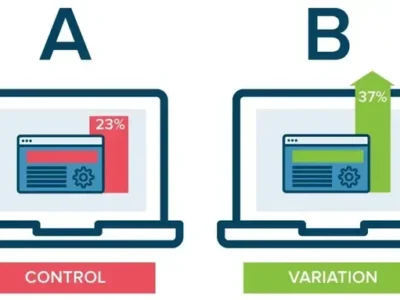
3. A/B Testing Links and Content Formats
Never assume—test everything:
- Different CTA (call-to-action) buttons: “Get Yours Now” vs “Try It Free”
- Placement variations: beginning vs middle vs end of content
- Product comparisons vs single reviews
Split testing reveals what resonates most with your audience.
4. Improve Click-Through Rates (CTR)
Tactics to increase clicks:
- Use buttons instead of plain text links
- Add urgency and scarcity (“Limited-Time Offer!”)
- Create eye-catching visuals or product badges
- Highlight user testimonials
The goal is to create an irresistible path to that affiliate link.
5. Incorporate Email Marketing
Don’t rely solely on website traffic—email is a conversion powerhouse:
- Send product roundups
- Use autoresponders for affiliate funnels
- Include affiliate offers in newsletters and transactional emails
Note: Always comply with affiliate disclosures and spam regulations.
6. Optimize Based on Performance Insights
Review your analytics weekly or monthly. Then:
- Scale content that performs well
- Revise or retire low-performing affiliate pages
- Add new affiliate offers to high-traffic content
Building Relationships with Affiliate Managers
Affiliate marketing may seem like a solo gig, but behind every successful affiliate campaign is often a collaborative relationship. Affiliate managers can be your secret weapon—offering support, negotiating terms, and helping you maximize your earnings. Here’s how to connect and benefit:
1. Why Affiliate Managers Matter
Most brands with affiliate programs assign managers to work with publishers and creators. Their role includes:
- Approving affiliates and providing resources
- Answering questions about products and payouts
- Sharing promotional strategies and seasonal campaigns
- Reviewing performance and offering optimization tips
2. Reach Out Directly
If the program doesn’t assign you a manager by default, take initiative:
- Use the contact info listed on the affiliate dashboard
- Message through LinkedIn or via email
- Attend webinars or brand events—great for building rapport
Template for initial outreach:
Hi [Manager’s Name], I’m an affiliate content creator in the [your niche] space. I’ve recently joined your program and am eager to promote [product/brand]. I’d love to connect and learn more about how I can maximize performance and align with your campaigns. Thanks!
3. Negotiate Better Terms
Once you’ve proven your performance, managers may offer:
- Higher commission rates
- Exclusive or early access to products
- Priority support and creative assets
- Custom promo codes for your audience
Don’t be shy—if you’re driving sales, you have leverage.
4. Ask for Marketing Insights
Affiliate managers often know:
- Which products convert best
- What content angles perform well
- Upcoming promotions you can prep for
This kind of insider info helps you plan better and outperform others in the same program.
5. Stay Professional & Compliant
Maintain a solid relationship by:
- Disclosing affiliate links per FTC guidelines
- Sharing accurate representations of the product
- Responding promptly to requests and updates
Bonus Tip: Leverage Exclusive Deals
Brands love affiliate creators who drive results. If you build trust, they may:
- Co-create bundles with you
- Offer higher discounts through your link
- Feature your content in their newsletters or site
Common Mistakes to Avoid in Affiliate Marketing
Affiliate marketing is full of opportunities—but it’s also riddled with pitfalls. Even experienced creators sometimes stumble into missteps that can damage credibility, hurt conversions, or even violate legal standards. Here’s what to watch out for:
1. Promoting Irrelevant Products
A common rookie error is chasing high commissions without considering audience fit. Promoting products that don’t align with your niche or solve your audience’s problems results in:
- Low engagement
- Fewer clicks
- Broken trust
Solution: Stick to products that naturally fit your content and audience interests.
2. Overloading Content with Affiliate Links
Dropping too many affiliate links into your post can feel spammy and pushy. It overwhelms readers and dilutes your credibility.
Tip: Be strategic—include links only where they offer genuine value or context. One well-placed link beats ten scattered ones.
3. Ignoring Link Tracking and Performance
Without analytics, you’re flying blind. Not tracking affiliate links means you can’t optimize or know what’s converting.
Fix: Always use UTM parameters and track performance through affiliate dashboards or tools like Pretty Links.
4. Not Testing the Product
Promoting something you’ve never used—or even researched—can backfire. Your audience expects honest recommendations.
Recommendation: Test the product where possible, or gather detailed user reviews and feedback before promoting.
5. Neglecting Affiliate Disclosures
Affiliate marketing is subject to regulations. Failing to disclose your partnerships violates FTC guidelines and erodes audience trust.
Best practice: Use clear disclosures like “This post contains affiliate links. I may earn a commission at no extra cost to you.”
6. Forgetting to Update Affiliate Content
Product availability, pricing, and offers change frequently. Outdated links or expired deals frustrate users and hurt credibility.
Solution: Schedule regular content reviews—especially for product roundups and seasonal posts.
7. Not Optimizing for Mobile
With over half of web traffic coming from mobile, clunky designs and hidden affiliate links can cost you sales.
Fix: Test your content on mobile devices and ensure links are easy to tap and load quickly.
Future Trends in Affiliate Marketing
Affiliate marketing is no longer just about sharing links—it’s morphing into an ecosystem driven by innovation, personalization, and creator-led commerce. Staying ahead of these trends will give you an edge in both visibility and profitability.
1. AI-Generated Affiliate Content
Artificial intelligence tools are now capable of:
- Writing product reviews and comparison articles
- Generating keyword-rich blog posts (hello!)
- Creating product-driven video scripts or captions
Creators can use AI to speed up production and test multiple angles—but human oversight is still key to maintaining authenticity and emotional resonance.
2. Influencer-Driven Affiliate Models
Micro and nano influencers are gaining traction because of their tight-knit audiences and trust factor. Expect brands to:
- Offer influencer-specific affiliate programs
- Provide custom URLs and exclusive product bundles
- Tie affiliate payouts to engagement, not just clicks
Tip: Build authority in your niche and showcase audience interaction—brands are watching.
3. Personalized & Dynamic Offers
Forget static banners. Smart affiliate platforms now allow:
- Real-time product recommendations based on visitor behavior
- Dynamic pricing and urgency (e.g., “2 items left!”)
- Geo-targeted offers for international audiences
This gives content creators more control and relevance—and boosts conversion rates.
4. Creator Monetization Platforms
New affiliate-centric platforms are emerging to help creators monetize directly:
- Ko-fi, Patreon, and Gumroad for digital products
- Shopify collabs and TikTok Shop for influencer storefronts
- Subscription-based affiliate bundles (like curated monthly boxes)
These blend affiliate marketing with direct creator sales—ideal for hybrid monetization.
5. Affiliate Integration with Web3 & Blockchain
Though still early-stage, some trends to watch include:
- Smart contracts for tracking commissions transparently
- NFT-based products as affiliate items
- Decentralized affiliate networks removing middlemen
Web3 could revolutionize trust, payouts, and tracking—especially in the tech-savvy niches.
6. Deeper Data & Attribution Models
With evolving privacy laws and cookie restrictions, platforms are shifting toward:
- First-party tracking
- Attribution across devices
- Predictive modeling based on user behavior
Understanding these shifts will be crucial for staying visible—and getting paid.
Features of a Top-Tier Affiliate Program
What separates the “meh” from the “money-maker” programs?
1. Competitive Commission Rates
Look for programs offering between 30%–70% commission. Recurring commissions (like monthly subscriptions) are gold.
Relevant keywords:
- High paying affiliate programs
- Recurring commission affiliate networks
- Affiliate program payout rates
2. Transparent Analytics
Tracking clicks, conversions, and payouts is crucial for refining your strategy.
3. Reliable Products & Services
Promote what you genuinely believe in. Trust = conversions.
4. Stellar Affiliate Support
Dedicated reps, FAQs, or dashboards with educational material show a program’s commitment to your success.
Part 3: Comparing Top Affiliate Platforms
Here’s a breakdown of high-volume platforms to consider:
| Platform | Commission Range | Best For | Notable Keywords |
|---|---|---|---|
| Amazon Associates | Up to 10% | Product reviewers, beginners | Amazon affiliate program |
| ShareASale | Varies | Niche bloggers, lifestyle creators | ShareASale affiliate network |
| CJ Affiliate | Up to 50% | Advanced marketers, global brands | CJ Affiliate for marketers |
| ClickBank | Up to 75% | Digital product creators, bloggers | ClickBank for bloggers |
| Impact | Varies | Influencers, content creators | Impact affiliate marketing |
Use keywords like:
- Best affiliate marketing networks
- High commission affiliate programs
- Beginner-friendly affiliate platforms
Part 4: Research & SEO Strategy to Maximize ROI
Don’t just guess—strategize using keyword tools:
- Google Keyword Planner
Find high-volume, low-competition search terms. - SEMrush or Ubersuggest
Discover what programs your competitors are using. - AnswerThePublic + Reddit
Research real user queries in your niche.
Search-rich keywords to prioritize:
- Affiliate marketing keyword research
- SEO for affiliate websites
- Trending affiliate programs 2025
- Best affiliate links strategy
Pro Tip: Sprinkle keywords naturally throughout your article, especially in headings and intro paragraphs.
Part 5: Setting Up Your Affiliate Arsenal
Build Affiliate Pages
Create dedicated pages like “My Favorite Tools” or “Top Picks for Beginners.”
Use Conversion-Optimized Content
Write tutorials, listicles, product comparisons, or how-to guides.
Examples:
- “10 Best Affiliate Programs for Bloggers in 2025”
- “How I Made My First $1000 with Affiliate Links”
Email Marketing Integration
Capture emails and market affiliate products through newsletters.
Keywords to include:
- Affiliate marketing funnels
- Email opt-ins for affiliates
- How to make money with affiliate links
Part 6: Monitoring Performance
Don’t rely on guesswork—track your affiliate income to make data-driven decisions.
Tools You Can Use:
- Google Analytics
- Affiliate dashboard reports
- Hotjar or Crazy Egg for user behavior
Optimize for:
- Click-through rates (CTR)
- Conversion rates
- Revenue per visitor
Keywords:
- Affiliate performance analytics
- Best tools for affiliate marketing
- Optimize affiliate website for conversions
Part 7: Common Mistakes to Avoid
Even the best intentions can flop if you’re not careful. Avoid:
- Promoting irrelevant or low-quality products
- Ignoring SEO strategy
- Overloading your site with links
- Not testing content formats
- Skipping mobile optimization
Helpful keywords:
- Affiliate marketing mistakes
- How to avoid affiliate pitfalls
- Newbie tips for affiliate success
Final Thoughts: Your Niche Deserves a Strategic Match
The secret to affiliate success? Intentionality.
By aligning the right program with your audience and amplifying it through SEO-rich content, you’re building a long-term income stream.
Power phrases to close with:
- Affiliate marketing for long-term success
- How to choose the right affiliate program
- Passive income affiliate tips
Bonus: Quick Checklist to Vet Any Affiliate Program
Does it fit your niche perfectly?
Is the commission structure rewarding?
Are the products trusted and reputable?
Is the platform beginner










Comments