
 By
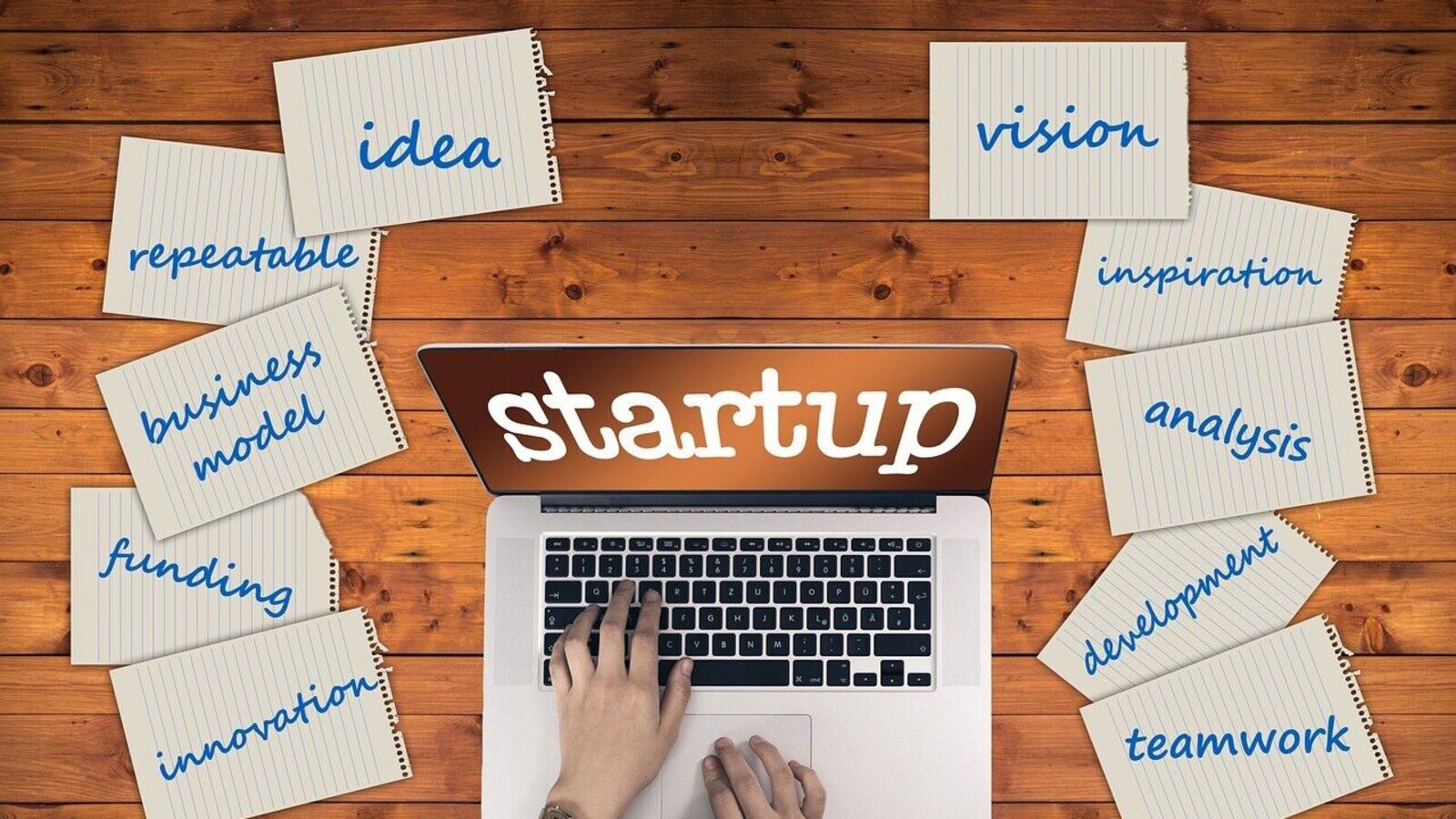
To create a tech startup in a developing economy, prioritize verifying a true market need through a mobile-first approach, assembling a strong and diverse team, and devising a scalable business plan that meets local challenges. Use local integrations to build trust, emphasize cybersecurity, and focus on low-cost client acquisition techniques such as social media and referrals.
A tech startup is a freshly formed company that focuses on bringing innovative technological products or services to market. These developing companies are distinguished by their emphasis on using technology to address specific challenges or requirements across industries. The core characteristics of technology startups are agility, risk-taking, quick growth potential, and revolutionary business tactics.
What are the primary distinctions between a startup and an established business?
- Business model. Startups usually seek to develop new business models that have disrupting market potential or even create markets, while small businesses usually work within established markets and existing business models. For instance, Netflix created a new business model in the entertainment industry by shifting from a traditional DVD rental-by-mail system to a streaming subscription service.
- Growth strategy. Startups often pursue swift growth and scaling, whereas small businesses mainly focus on resilience and sustainable development. Snapchat emphasized novel features like disappearing messages and stories to gain rapid popularity among younger communities.
- Financial sources. As a rule, startups strive to attract external funding, like venture capital or angel investment. Traditional businesses typically utilize conventional financing sources such as bank loans or individual savings. Stripe, for instance, has undergone multiple funding rounds and attracted significant external investments from venture capital firms such as Sequoia Capital, Andreessen Horowitz, and Tiger Global Management.
- Focus on innovation. The goal of most startups is to represent new commodities or technologies, whereas small businesses rather enhance existing products or services. Thus, SpaceX developed and launched innovative space technologies, namely, the Falcon and Starship rocket series, and executed missions for NASA and other commercial clients.
- Risk-taking. Startups are ready to take risks much more than traditional small businesses. The latter category seeks to minimize risks and maintain stability. Tesla introduced electric vehicles at a time when the market was dominated by traditional gasoline-powered cars. The idea was risky and challenging, including the need for substantial investment in battery technology and charging infrastructure.
10 Steps to Create a Start-up
How do you establish a tech startup? We created a practical guide consisting of ten strategic steps. You can go into more depth, of course, but these fundamental stages will provide you with a clear picture of the entire process.
1. Business idea
Behind any winning business lies an exclusive and sturdy idea. Nonetheless, it should also have a strong commercial capacity.
How to distinguish an excellent idea for your startup?
- Identify the existing problems;
- Select the most meaningful one for you;
- Invent an innovative solution.
2. Market research and planning
Once you have shaped the idea for your tech startup, it’s time to plan its execution and explore the market. One of the first steps to create a startup is to develop an adequate market strategy.
Your research should include:
- Examining the market to validate the business idea;
- Identifying your target community;
- Studying competitors.
This step is vital to create a highly relevant, market-driven offering.
3. Launch strategy
The launch strategy entails developing a robust value proposition. Based on that, you would formulate your specific offering and determine the ways to reach your target consumers.
By planning your go-to-market strategy, you can also reveal the opportunities to optimize your product from an early stage, which would later allow for accelerating your business.
4. Establish a technical team
If you are going to start a tech business, you’ll necessarily need competent tech specialists. Building an efficient team may be challenging for startups, especially for those with tough budgets and time constraints. Recruiting, hiring, and maintaining a tech team takes significant resources.
Read Also: What Are Online Opportunities For Entrepreneurship?
Then, how to build a startup team swiftly and for a reasonable cost?
Professional software development agencies can help you select and hire appropriate staff for your project. Coreteka provides various services in the sphere of employing personnel. One of the cooperation models utilized is outstaffing, which is especially favorable for startups.
Outstaffing allows customers to employ remote teams from external sources to work on specific projects. The customer manages the development process and communicates directly with the team. The provider is responsible for all aspects of the recruitment process. The team can be swiftly built, extended, or reduced to meet the demands of the customer. Finally, outstaffing requires far less time and money than employing and supporting an in-house workforce.
5. Craft a Product Requirements Document (PRD)
The purpose of this document is to describe the fundamental aspects of your product, outlining the product’s goal, features, and capacities. This description will direct the entire team’s work throughout the product life cycle, including the design, development, marketing, and consumer support stages.
6. Develop a Minimum Viable Product (MVP)
How to build a startup while minimizing risks?
Although risk is inherent in any tech startup idea, there are ways to remedy it. MVP is the basic and simplified version of your product, which is substantially quicker and cheaper to build. At the same time, it allows for testing your idea as well as the consumer interest in your product.
An MVP involves product design and development, where the tech team formulates requirements, crafts the prototype, and checks it with end-users.
What will an MVP provide to your startup?
- Early leads;
- Consumer feedback;
- Time and money savings.
7. Work out a business plan
A business plan is a detailed life path of your project. It encompasses all business aspects, such as goals, strategies, timelines, financial plan, marketing, and more. Such a document is necessary to have a clear picture of your business launch and growth. Furthermore, if you plan to obtain funds from external sources, you’ll need to demonstrate to your potential investors the details of your idea and the financial forecasts.
8. Naming and the legal side
Select an appropriate name for your startup that reflects your business idea. Apart from this, you should discover the legal side of starting a tech company early to avoid painful mistakes. For example, if entrepreneurs don’t comply with the registration procedure or tax requirements, they may be penalized.
9. Brand identity, website, and launch
Once you have a business idea and funding, you can start constructing your organization. Develop your startup brand identity, including tone of voice, style, image, and personality, to make it easily recognized by consumers.
A business website is a necessary factor since it creates a platform for lead generation and communication with your audience.
After that, you can actually launch your startup. Develop a creative launch campaign to make an effect on the market.
10. Marketing strategies
Make sure to undertake continual marketing efforts to avoid failure and keep your business growing. For this, keep up with the industry trends, competitor activities, and upcoming tendencies. Analyze the completed campaigns and optimize your strategies and tactics.
Finally
Global economic trends indicate that it may be a good idea to establish a business in 2024. Even with ideal external conditions, a tech project requires thorough planning to succeed.
Follow the ten key steps to launching a firm and explain how your idea evolves into a successful tech product. Get inspired by successful entrepreneurs in many industries to learn how great technological innovations disrupt markets and turn into valuable businesses. Finally, use convenient tools to assist with various stages of your business development.










Comments