
 By
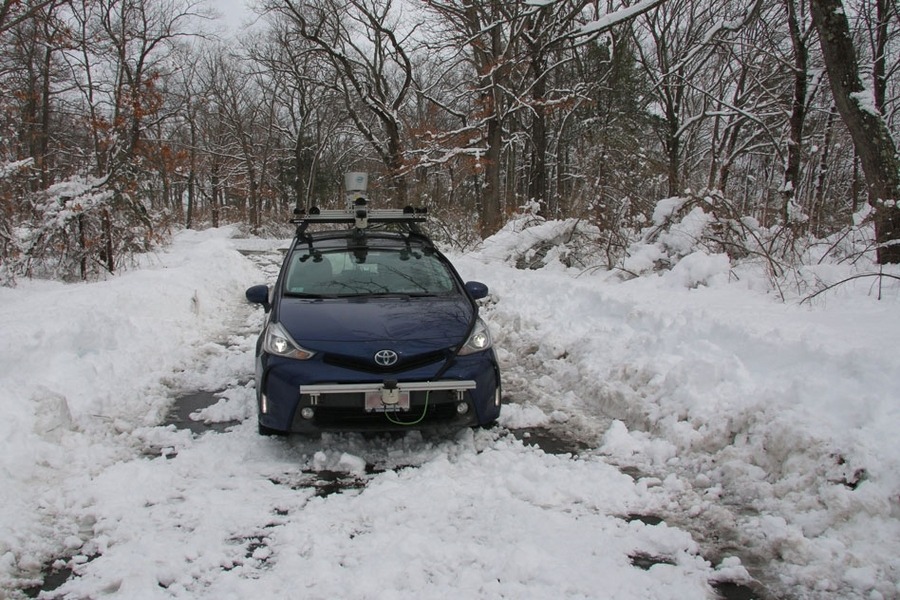
In order to manage inclement weather, autonomous vehicles (AVs) use redundant sensor suites that include LiDAR, radar, and cameras to provide a reliable, 360-degree image of their surroundings even in low visibility. To differentiate impediments from precipitation, they rely on sophisticated sensor fusion, high-definition mapping, and machine learning; yet, under extreme circumstances, they may initiate alarms or safe-stop movements.
Key Technologies for Adverse Weather
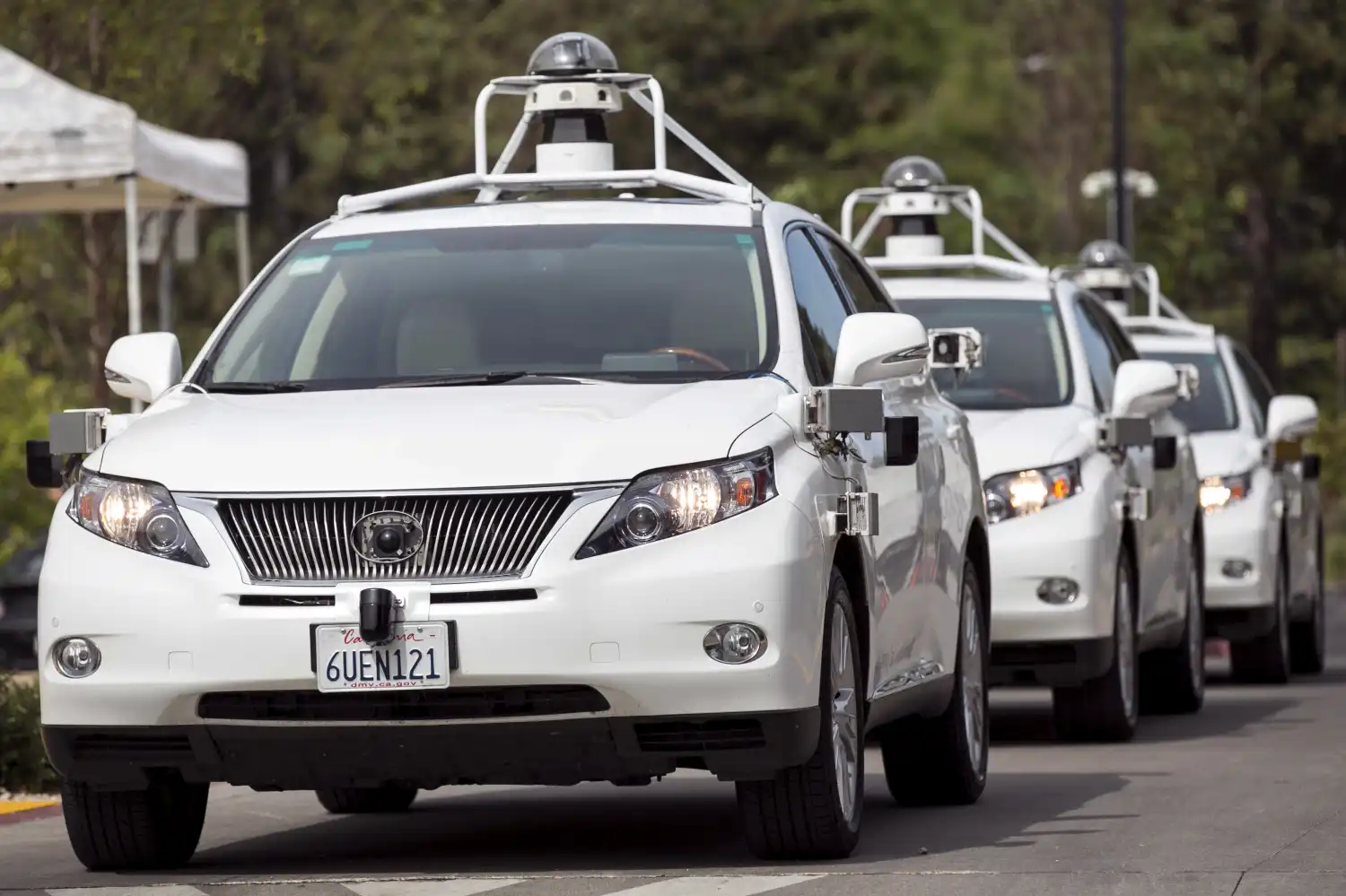
- Sensor Fusion: By combining multiple sensors, AVs overcome the limitations of any single component. For instance, while cameras struggle in heavy rain or fog, radar and LiDAR can still detect objects.
- LiDAR Technology: LiDAR provides precise 3D mapping and can detect road edges and obstacles, such as snowdrifts, even when the environment is heavily obscured.
- Radar Systems: These are generally more reliable than cameras in fog, rain, or snow, as they can penetrate adverse weather to detect vehicles.
- Ground Penetrating Radar (GPR): Researchers are using GPR to map the subsurface of the road, enabling vehicles to navigate based on under-ground infrastructure rather than visible lane markings, which are often covered in snow or rain.
- AI and Machine Learning: Algorithms, such as Deep Convolutional Neural Networks (D-CNN), are trained on datasets containing, harsh weather scenarios to enhance object detection and localization accuracy.
As driverless cars become more prevalent on our roadways, many people wonder if they can drive autonomous trucks safely in inclement weather. Yes, even when nature throws a curveball, these cars are able to comprehend and respond to their surroundings by utilizing sophisticated sensing technologies. Let’s examine it more closely.
Sensor technology to make sense of the world
Autonomous trucks are equipped with hardware tailored to their Operating Design Domain (ODD). Every sensor—camera, radar, lidar, microphone, Inertial Measurement Unit (IMUs) and Global Navigation Satellite System (GNSS)—is chosen and positioned based on the conditions the truck is expected to encounter. The self-driving software stack is also adapted to the truck’s ODD, ensuring it can handle expected conditions before the vehicle hits the road. Just as our eyes and ears work together to guide us, these systems combine to build a comprehensive picture of the environment and make safety the top priority.
Behind all this capability is extensive testing—both on real roads and in advanced simulations. Every kilometer driven helps us refine how these trucks handle everything from light rain to heavy snow. And because safety is paramount, we’ve built multiple layers of redundancy into every system. If any critical component fails, our redundancy approach ensures there’s always a backup ready. Every safety-critical element—from braking and steering to communication —is intentionally duplicated to maintain safe operation at all times.
Combining technologies for a 360° view
Cameras serve as the “eyes” of the truck, but like human eyes, they can struggle in low visibility. To overcome this, infrared cameras, radar, and lidar can be integrated to complement conventional imaging. Infrared cameras detect heat signatures—spotting pedestrians or warm-running engines even in the dark—while radar and lidar sense proximity and movement and create detailed 3D maps of the surroundings, even measuring speed of objects. This multi-sensor approach gives the truck a clear, all-weather view—even in fog, snow, or rain.
Read Also: The Challenges to Autonomous Driving in Urban vs Rural Settings
Precision in every direction
Humans naturally adjust their focus to scan for potential hazards. Autonomous trucks rely on strategically positioned sensors to maintain constant vigilance. The sensor setup varies with the driving environment; delivering to a hub just off the highway differs from navigating busy urban streets with roundabouts and tight corners. Current systems may include up to a dozen cameras, radars, sensors, and lidars per truck to ensure reliable coverage from every angle.
Keeping the “eyes” clear
Harsh weather and extreme temperatures can obscure sensor performance just as rain or mud can blur human vision. Autonomous trucks are designed with features such as wipers, pressurized air jets, heated surfaces, and weather-proof coatings to handle these extremes and keep the sensor suite running.
Smart decisions and system resilience
At the heart of autonomous driving is a system that not only knows where it is but also understands what it is capable of in real time. Continuous streams of sensory data are processed to detect changes—such as a sudden fog bank or unexpected traffic patterns—and to execute the appropriate action. This might include activating warning lights, reducing speed, or, if conditions become too hazardous, initiating a minimal risk maneuver. In a minimal risk maneuver, the truck safely decelerates and transitions into a secure state, minimizing any risk.
In the Volvo VNL Autonomous, this intelligent decision-making is bolstered by built-in redundancy and backup systems. Should a primary component falter, secondary systems are ready to take over—ensuring the truck remains fully aware and in control, even under extreme conditions.
Through the storm: How autonomous trucks are redefining road safety
Extreme weather presents valid challenges—situations where even the most experienced human drivers must rely on a finely tuned combination of senses and judgment. Autonomous trucks, therefore, are built with safety at their core. By integrating state-of-the-art sensors, sensor cleaning, advanced decision-making algorithms, and robust backup systems, these vehicles are designed to detect and react to a wide array of hazardous conditions—often more quickly than a human can.
The goal is clear: to remove people from dangerous driving situations and pave the way for safer roads. This is the promise of autonomy—a future where technology works tirelessly to protect lives on every journey.
Several technologies are being developed to assist mitigate these problems. One is ground-penetrating radar, which is unaffected by covered road surfaces. The other entails advancing lidar technology to prevent weather-related disruptions to the lasers’ operation.
Although the majority of autonomous vehicles have not yet adopted these modifications, it is anticipated that they will proliferate once workable solutions are discovered.








Comments