
 By
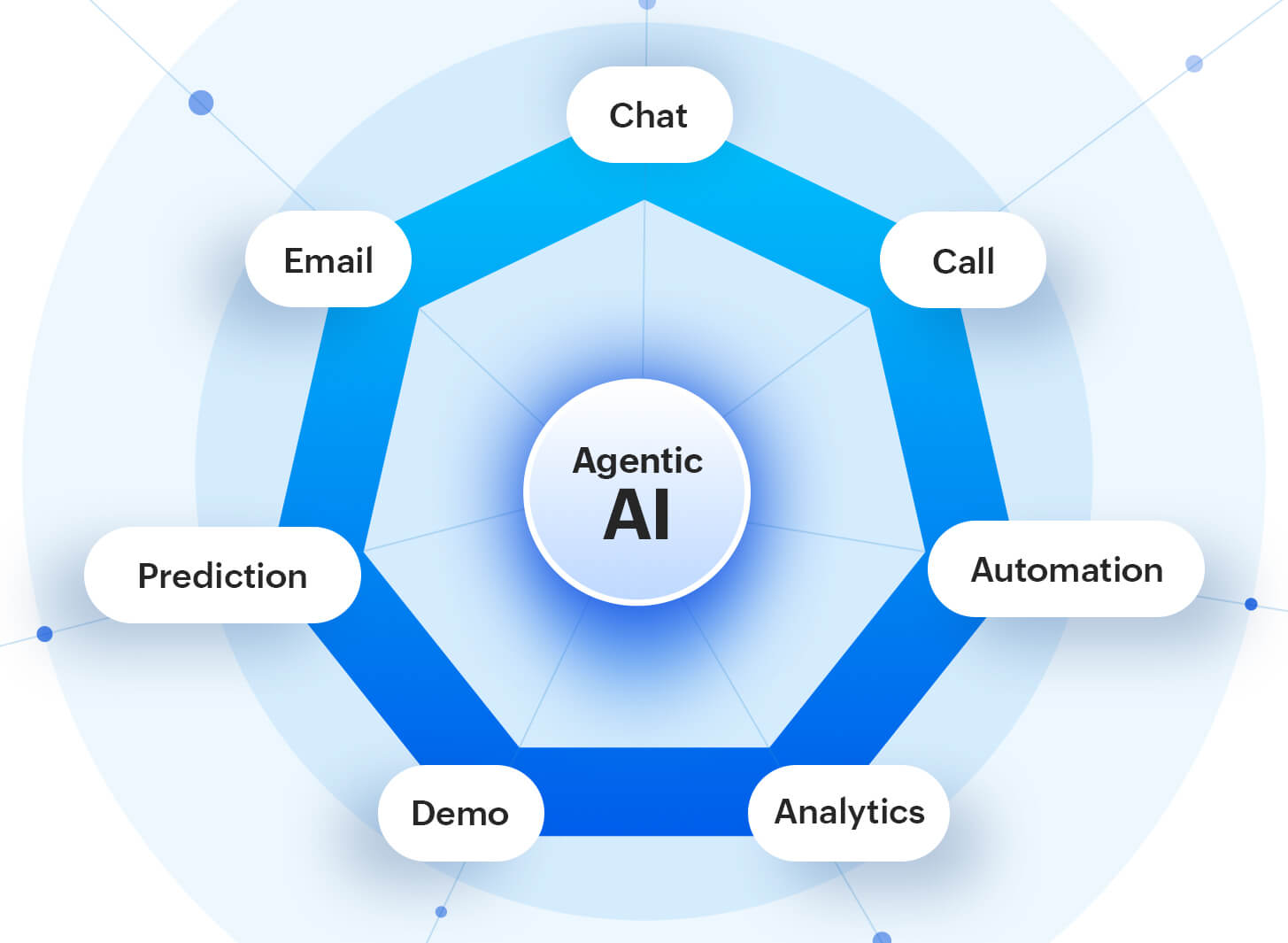
Agentic AI uses signal interpretation, engagement analysis, rule execution, and decision-making to automatically qualify leads. Without human intervention, it operates continuously in the background. Sales teams can work more quickly and concentrate solely on high-quality leads thanks to this.
AI that is capable of independent thought, decision-making, and action is known as agentic AI. Agentic AI validates leads by comprehending context, behavior, intent, and data signals, in contrast to traditional lead scoring, which just awards points.
It collects data, scores leads, follows up with inquiries, updates CRM fields, and determines whether a prospect is ready for sales, just like a digital analyst.
Agentic AI handles:
- Lead enrichment
- ICP matching
- Intent detection
- Conversation scoring
- Automatic follow-ups
- CRM updates & routing
Key Capabilities of a Lead Qualification Agent
| Capability | What It Does |
| Lead Scoring | Uses firmographic, demographic, and behavioral data to score each lead. |
| Enrichment | Pulls real-time data from tools like Clearbit, LinkedIn, Apollo, or internal databases. |
| Qualification Checks | Validates ICP match using criteria like industry, job title, revenue, and region. |
| Intent Detection | Analyzes activity across email, WhatsApp, websites, and product usage. |
| Routing & Alerting | Instantly notifies sales reps or systems when a lead meets qualification thresholds. |
| Auto-Follow-Ups | Sends personalized follow-up via email, SMS, or WhatsApp. |
Types of AI Agents for Different Stages
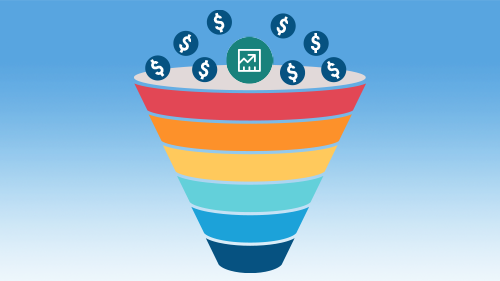
Effective lead generation requires different skills at each funnel stage. AI agents specialize in tackling key challenges across prospecting, qualification, engagement, and nurturing.
Prospecting Agents
These AI agents find potential leads across vast datasets, using advanced algorithms to identify and prioritize high-value prospects. They mine data from multiple sources, apply predictive lead scoring, and identify prospects across multiple channels. By automating these tasks, businesses can scale personalized outreach efficiently.
AI-powered discovery engines streamline lead identification and outreach, saving hours of manual research. They analyze multiple data points to uncover sales-qualified leads with strong buying intent, allowing sales teams to focus on high-potential prospects.
Qualification Agents
Once leads are identified, qualification agents determine which are worth pursuing by analyzing their likelihood to convert. They automate lead qualification, assess intent signals in real time, and dynamically adjust criteria based on evolving data. AI chatbots engage prospects naturally, analyzing conversations and qualifying leads based on responses.
AI-powered systems track digital footprints and content consumption patterns to prioritize leads most likely to convert. By integrating AI into lead enrichment and pipeline management, businesses can automate qualification without missing high-potential prospects.
Engagement Agents
Qualified leads need personalized interaction to move through the funnel, and engagement agents manage communications across multiple channels. These AI-driven systems craft hyper-personalized messaging, coordinate outreach across platforms, and provide real-time responses while maintaining context from previous interactions.
AI optimizes email outreach by adapting messages based on recipient engagement, ensuring communication remains relevant. AI-powered SDR systems expand engagement through automated social monitoring, allowing businesses to connect with prospects where they are most active.
Nurturing Agents
Not all leads are ready to buy immediately, and nurturing agents help maintain relationships over time. These systems automate scheduled follow-ups, recommend content based on prospect interests, and trigger outreach based on behavior patterns.
Read Also: Agentic Workflows for Content Creation and Publishing
By integrating AI-driven content brief automation, businesses can craft targeted messaging that aligns with prospect interests. AI-powered tools also support brand guidelines optimization, ensuring consistent and compelling outreach over extended sales cycles.
How to Use AI Agents for Lead Generation: Step-by-Step
To maximize productivity when integrating AI agents into your lead generating process, a methodical strategy is necessary. From assessment to scale, this framework delineates four crucial stages.
Phase 1: Assessment and Strategy Development
Before integrating AI, evaluate your current CRM, data management systems, and lead generation workflow. Identify inefficiencies and areas where AI can provide the most value. Define clear objectives and key performance indicators (KPIs) such as conversion rates and lead quality.
Assessing data readiness is crucial. Review data quality, identify gaps, and establish governance policies to maintain accuracy. AI-powered tools can automate prospect database cleanup by eliminating duplicates and outdated records, ensuring AI-driven insights are reliable.
Phase 2: Selecting the Right AI Agents
Choosing the right AI solution impacts effectiveness. Look for machine learning algorithms capable of processing large datasets, interpreting unstructured information, and dynamically adjusting lead scoring.
AI should personalize messaging based on customer pain points, optimize communication timing, and integrate seamlessly with your CRM and marketing tools. It’s also important to ensure compliance with data privacy regulations and verify that AI models operate transparently and fairly.
Phase 3: Implementation and Training
Once selected, AI must be implemented carefully. Standardizing data formats, cleaning up errors, and automating database maintenance keep lead records actionable. AI-driven data quality management ensures consistent accuracy.
Integration with CRM systems requires secure API connections and real-time synchronization. A gradual rollout allows for testing before full deployment. Training both the AI and human teams ensures smooth adoption, reinforcing AI as a tool that supports efficiency rather than replacing human roles.
Phase 4: Optimization and Scaling
Continuous monitoring and optimization refine AI performance over time. Tracking key metrics, adjusting strategies, and updating AI models improve accuracy. A/B testing different lead-scoring and engagement methods helps refine the approach.
Successful AI-human collaboration involves defining roles, establishing escalation protocols, and fostering a team culture where AI enhances productivity. Scaling AI-driven lead generation across departments should be iterative, applying lessons learned along the way.
Documenting best practices and creating training resources ensures long-term success. A well-structured AI implementation helps businesses streamline lead generation, improve efficiency, and drive better sales outcomes.
Pitfalls to Avoid When Using AI for Lead Generation
While AI offers immense potential for transforming lead generation, there are several challenges and pitfalls businesses should know when adopting these technologies. Understanding these challenges upfront can help you avoid common mistakes and ensure smoother implementation. Here are some key considerations:
1. Data Privacy and Compliance Risks
AI-driven lead generation often involves processing vast amounts of customer data. Businesses must ensure they comply with data privacy regulations such as GDPR, CCPA, or HIPAA. Failing to do so can result in significant fines and damage to your brand’s reputation.
2. Over-Reliance on AI Without Sufficient Human Oversight
AI is a powerful tool, but it’s not foolproof. Over-relying on AI without human oversight can lead to suboptimal outcomes. While AI agents can automate tasks like lead qualification or follow-up, human intervention is crucial to handle complex situations.
3. Integration Challenges with Existing Systems
Integrating AI agents with existing CRM systems, marketing tools, and sales platforms can be more complicated than anticipated. Compatibility issues, data silos, and technical glitches can impede smooth integration. Ensure AI solutions work with your current tech stack.
4. Data Quality and Bias in AI Models
AI systems are only as effective as the data they are trained on. Poor-quality or biased data can lead to inaccurate predictions and flawed lead scoring. Regularly auditing data and ensuring AI models are trained on diverse, high-quality datasets is essential.
5. Inadequate Training for Your Sales Team
AI tools can only be effective if your team understands how to use them correctly. Without proper training, sales reps might misinterpret AI insights or fail to fully leverage automation features. Provide adequate training to ensure smooth AI adoption.
Final Thoughts
In 2026, one of the most effective improvements for B2B sales teams is agentic AI. Agentic AI automatically qualifies leads by evaluating real-time data, comprehending intent, reading conversations, and updating the CRM without human intervention, as opposed to slow, manual lead scoring.
Growth leaders may use this to reduce sales cycles, create cleaner pipelines, and direct their team’s attention into meaningful discussions rather than administrative tasks.




Comments