
 By

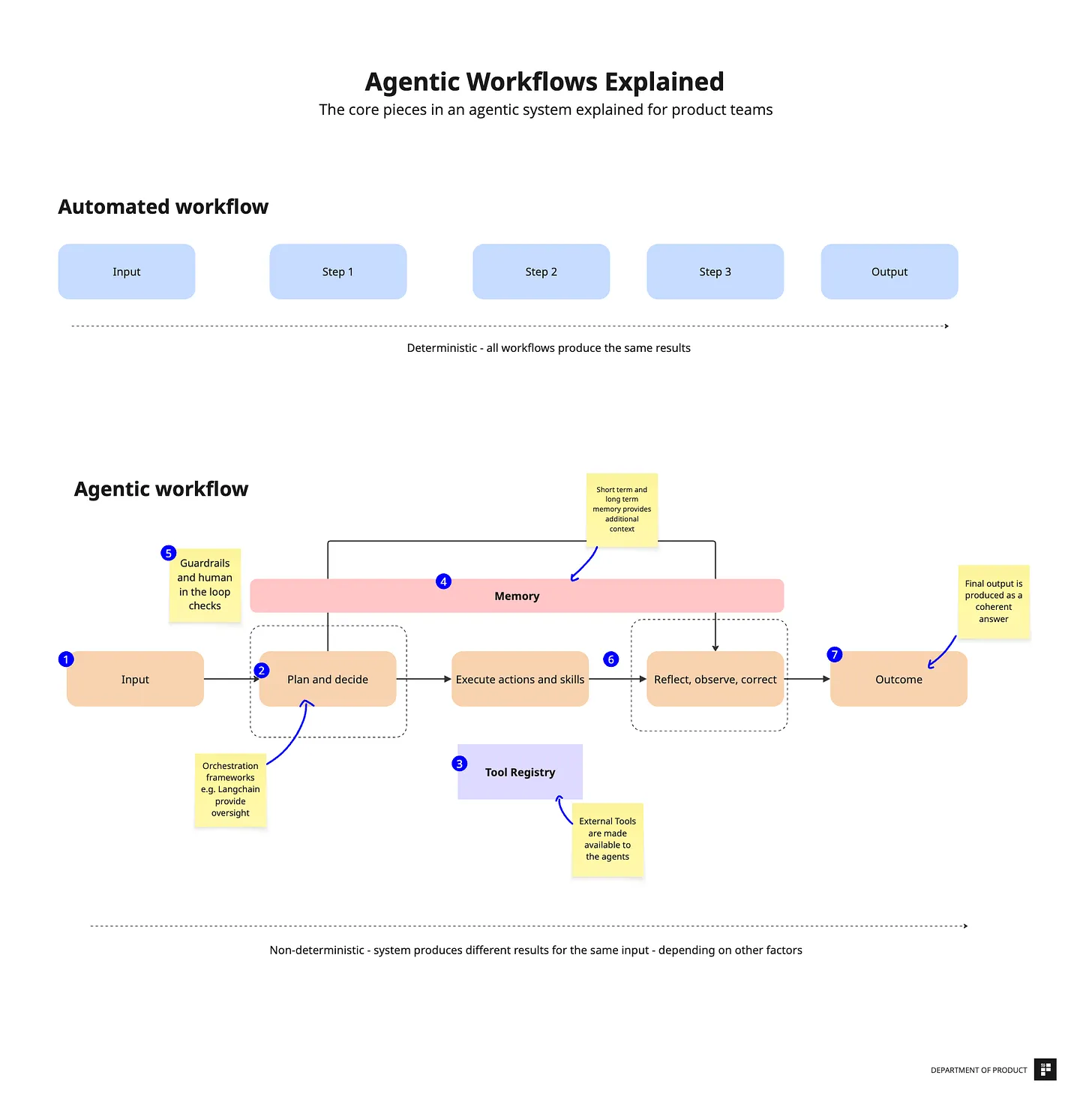
AI agents, which are autonomous systems with the ability to observe their surroundings, make decisions, and act, are used in agentic workflows to manage intricate, multi-step content creation processes. Agentic processes are flexible, in contrast to basic automation that adheres to strict rules. To determine user intent, they examine search queries.
Companies are working hard to make effective use of agentic AI. Agentic workflows in marketing offer intelligent technologies that can automate analysis, optimization, and research at every stage of the content generation process. These workflows have the potential to revolutionize B2B firms’ approaches to content strategy, brand awareness, and competitive advantage when paired with Answer Engine Optimization (AEO).
This post will discuss why AEO is important for B2B companies, how AI technologies are changing the link between content creation and search exposure, and how to create content briefs with agentic workflows to produce better content.
AI agents, which are autonomous systems with the ability to observe their surroundings, make decisions, and act, are used in agentic workflows to manage intricate, multi-step content creation processes. Agentic processes are flexible, in contrast to basic automation that adheres to strict rules. To determine user intent, they examine search queries.
The Role of Agentic Workflows in Content Creation
A content brief is a document that describes what a client or editor wishes to see in an article, blog post or other piece of content. It provides information a writer needs to efficiently complete the article envisioned by the person assigning it or the AI agent that is developing the content.
An effective brief will include information about the client, target reader and essential elements of the article, and possibly an outline for article as well as useful sources.
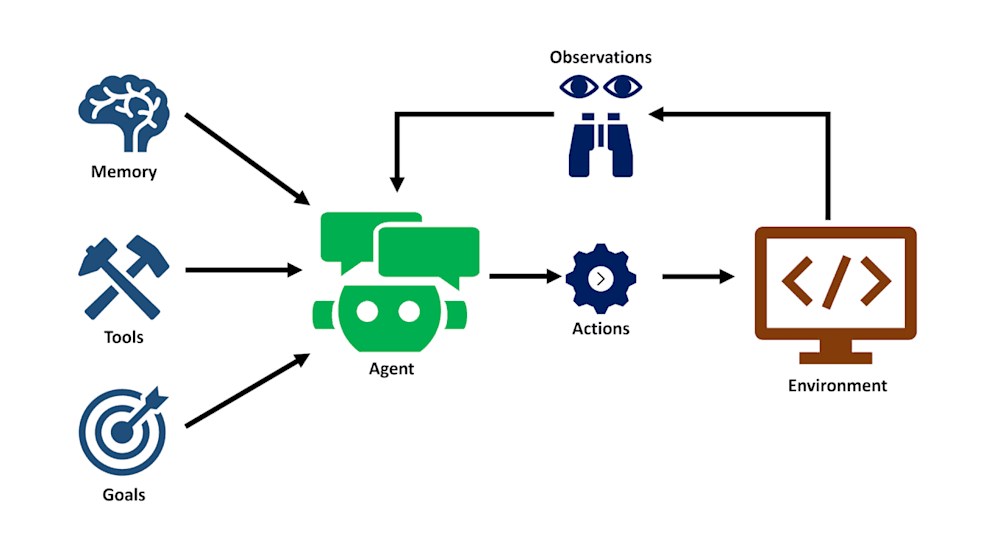
Agentic workflows use AI agents—autonomous systems that can perceive their environment, make decisions, and take action—to handle complex, multi-step processes in content creation.
Unlike simple automation that follows rigid rules, agentic workflows adapt. They analyze search queries to identify user intent. They review web analytics to understand what’s working. They scan competitor content to find gaps. They even adjust recommendations based on algorithm updates and shifting search patterns.
In content management, this means moving from “a person creates a brief” to “an intelligent system collaborates with people to create better briefs faster.”
How Agentic Workflows Make Better Content Briefs
Traditional content briefs require significant manual effort. Someone researches keywords, analyzes competitors, identifies user intent, outlines structure, and compiles a list of possible resources for the content. It’s time-consuming, and quality varies based on who’s creating the brief.
Agentic workflows transform this process by:
- Automating data-driven research. AI tools scan search queries, analyze trending topics, and identify what questions your audience is actually asking. Instead of guessing at user intent, you’re working from real data about what people want to know.
- Providing real-time content analysis. Before a writer starts, agentic systems analyze top-performing content in your space, identify common structural elements, and suggest approaches that work. It’s learning from what resonates.
- Integrating structured data requirements. AEO depends on content that answer engines can parse. Agentic workflows build structured data considerations directly into briefs, prompting writers to include the semantic clarity and organization that AI needs.
- Optimizing for the full customer journey. Good briefs account for where readers are in their journey. Agentic workflows analyze user engagement patterns across your site and competitors’ sites, then recommend content angles that match different journey stages.
- Improving efficiency and effectiveness. Speed matters in digital marketing. When you can move from insight to published content faster than competitors, you capture attention and establish authority first. Agentic workflows compress timelines dramatically—what used to take days now happens in hours. But the real win isn’t just speed.
Agentic workflows often produce better briefs than manual processes because they’re working from larger datasets, more current information, and more sophisticated analysis. Teams report higher-quality output that performs better in organic search, generates more user engagement, and drives improved conversion rates.
In the end, agentic workflows help make content briefs that are more comprehensive, more aligned with actual user needs, and more likely to drive both organic search performance and answer engine visibility.
How Does AI Help us Understand User Intent?
User intent is what someone actually wants to accomplish when they search. It’s the foundation of effective content. Get it wrong, and even perfectly optimized content fails.
Read Also: Using Agentic Workflows to Streamline Sales Funnels
AI tools excel at intent analysis because they process natural language in a comprehensive way. They understand that “best enterprise CMS” and “which content management system should we choose” express the same intent, even though the keywords differ completely.
For content briefs, this means:
- Better topic selection. AI identifies what your audience genuinely cares about, not just what gets search volume.
- Smarter content angles. Understanding intent helps you approach topics from the perspective that is most useful to readers.
- Adaptation to algorithm updates. As search engines refine how they interpret intent, AI tools adjust recommendations automatically.
This capability becomes even more valuable as answer engines proliferate. Each platform interprets queries slightly differently. AI helps you create content that works across multiple answer engines without creating separate versions for each.
Integrating AEO Into Your Content Strategy
The best content briefs do more than describe what to write. They provide the framework for content that succeeds across multiple channels and platforms.
AEO-ready briefs created through agentic workflows include:
- Clear answer targets. What specific questions does this content answer? Agentic systems identify the primary and secondary questions your content should address, making it easy for answer engines to extract relevant information.
- Structured data requirements. Briefs specify how to organize information—not just for readability, but for machine parsing. This includes schema markup recommendations, heading hierarchies, and semantic relationships between concepts.
- User engagement goals. What should readers do after consuming this content? Briefs map content to specific customer journey stages and define success metrics for user engagement.
- Feature opportunities. Which featured snippets, knowledge panels, or other search features could this content capture? Briefs identify opportunities and provide formatting guidance to maximize chances of winning these placements.
When writers work from briefs this comprehensive, they create content that performs better from day one.
Driving measurable results
Content strategy ultimately serves business goals. For B2B companies, that means generating qualified website traffic, improving conversion rates, and shortening sales cycles.
AEO contributes to all three. When your content appears in AI-powered answers, you attract highly qualified traffic—people actively seeking the information you provide. These visitors arrive with clearer intent and stronger interest than average organic search traffic.
Web analytics from companies implementing AEO could show measurable improvements:
- Higher engagement rates (time on site, pages per session)
- Better conversion rates (form fills, demo requests)
- Stronger progression through the customer journey
- Increased return visits and brand searches
The data-driven nature of agentic workflows means you can track these metrics continuously, identifying what works and scaling successful approaches.
Maximizing SERP features for brand recognition
Featured snippets, knowledge panels, “People Also Ask” boxes, provide strong chances for visibility. They occupy prime real estate, establish authority, and drive traffic even when users don’t click through. It’s exactly what you want your brand to be.
Agentic workflows identify which SERP features are available for your target topics and optimize content briefs specifically to capture them. This involves:
- Analyzing current feature holders. What makes their content win the feature? What gaps exist that you could fill better?
- Structuring content strategically. Different features require different formats. Lists for some, concise definitions for others, comparison tables for still others.
- Creating comprehensive coverage. Lots of SERP features reward depth. Agentic workflows identify related questions and subtopics to include, increasing your chances of winning multiple features.
For digital marketing teams, this represents a high-leverage opportunity. Capturing even a few key SERP features can dramatically improve brand recognition and organic search performance.




Comments