
 By

ARR growth rates for SaaS companies vary by stage, with top-quartile performance typically reaching 100% for early-stage (<$1M ARR), 60%+ for growth stage ($10M-$50M), and 40%+ for mature firms ($50M+). In general, 30-50% yearly growth is regarded great for growth-stage organizations, but early-stage, fast-growing startups prefer a monthly rate of 10-20%.
Key SaaS ARR Growth Benchmarks
- Early Stage (<$1M – $5M ARR): 100%+ annual growth is common, with top performers often hitting >150%.
- Mid-Stage ($5M – $10M+ ARR): Growth typically stabilizes between 40-100%.
- Late/Scale Stage ($10M – $50M+ ARR): Maintaining 15-45% year-over-year growth is strong as the base grows.
- The Rule of 40: A company is considered healthy if their growth rate + profit margin equals or exceeds 40%.
Factors Affecting “Good” Growth
- Trajectory Matters: Accelerating growth is more valuable than maintaining flat or slowing growth.
- Customer Retention: Strong Net Dollar Retention (often >130% for top performers) is a key driver of sustainable growth.
- Investor Expectations: Investors generally look for >20% YoY growth to consider a company to be on a healthy, venture-scale track.
- Benchmarking: While median growth often falls between 40-60%, top-tier companies, particularly in the, often exceed 100% growth to stay in the top 25%.
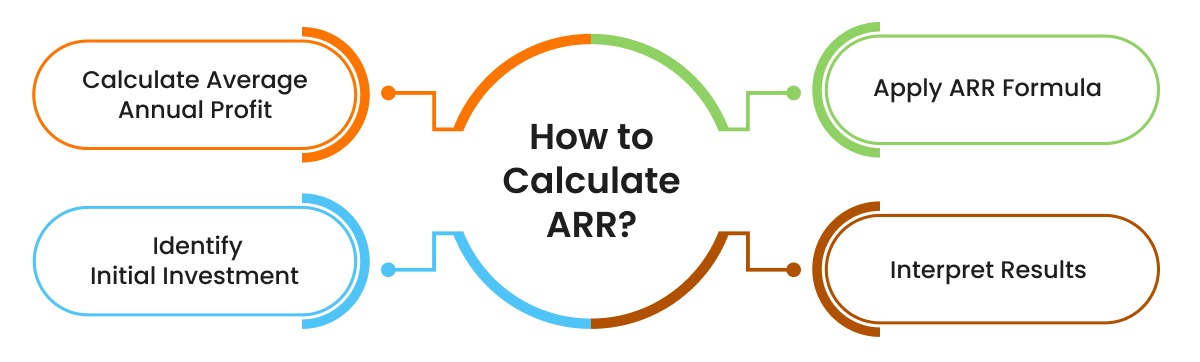
An ARR formula typically includes only contractually committed, fixed subscription fees for an annual contract. Most businesses calculate ARR like this:
ARR = Total revenue of yearly subscriptions + Total revenue gained from add-ons and upgrades + Total revenue lost due to downgrades, cancellations, and churn
Since one-time fees are by definition non-recurring, they are almost always excluded from ARR calculations.
Subscription consumption fees and variable fees are usually excluded from ARR calculations. However, an argument can be made to include predictable consumption fees, or at least the contracted minimal committed consumption fees.
Unlike MRR, which can vary dramatically from GAAP revenue due to the variance in days in the month, ARR correlates well with GAAP revenue if your subscriptions are in annual or true multi-year intervals.
However, you can experience an “MRR-like” jitter issue if your term subscriptions run for non-standard lengths, such as 15 months or 30 months and eight days.
In the end, you should have a clear definition of annual recurring revenue and how it’s calculated for your organization. The most important thing is to be consistent in the calculation, and communication of metrics within your organization.
What is a Good ARR Growth Rate?
According to a recent study of 439 SaaS companies, the median ARR growth rate for companies ranged between 40% and 60%. However, average growth rates vary widely based on a business’s current growth stage.
The survey showed that:
- Early-stage businesses (earning $1-3m ARR) will experience higher growth rates than late-stage ($15m+ ARR) businesses
- As ARR climbs, year-over-year growth often slows
- Top businesses can experience faster growth by upselling to existing customers
Finally, according to the survey, businesses must achieve and sustain a growth rate above 100% to be in the top 25% of company growth worldwide. To get to this level, many later-stage companies utilize a top-down ARR model in their growth strategy.
Why is ARR Important for SaaS?
ARR is an invaluable metric for measuring the success of your SaaS business. In addition to calculating revenue for a one-year period, it also helps predict future growth and revenue based on the value of renewals and cost of churn, allowing you to manage expenses more easily. Knowing your ARR can even increase revenue by providing insight into what is and isn’t working for customers, which guides upselling and cross-selling.
ARR also provides a picture of your company’s overall health by showing where it’s performing well and where it isn’t, helping you strategize ways to improve your bottom line. Furthermore, ARR indicates the momentum you can expect from revenue sources such as renewals, sales, and upgrades, all of which are useful in developing a growth strategy for the next year.
Read Also: The Importance of ARR in SaaS Business Planning
The predictability of subscription services compared to one-time sales is highly attractive to investors, allowing ARR to assess your relationships with customers. Customers who are willing to pay a regular subscription fee demonstrate confidence and trust in a brand, especially when they choose long-term contracts.
SaaS businesses should make the calculation of their ARR a priority despite the greater difficulty in doing so as compared to a one-time sales model. However, many SaaS companies calculate their ARR incorrectly, as shown by this poll of 50 SaaS companies. The results indicate that 40 percent of these companies exclude required items or include the wrong items in their ARR calculations, providing a false picture of their business health.
ARR vs Revenue vs Annual Profit
While ARR, total revenue, and annual profit all speak to a company’s growth and profitability, they’re very different metrics.
ARR is a revenue-based metric that measures predictable revenue. It’s the income from subscription fees over a year, which you can then use to forecast revenue for the next year.
Revenue for SaaS companies refers to the aggregate income generated from all revenue streams including predictable annual subscription fees as well as additional add-on services or any other sources of revenue, before subtracting expenses or costs. It represents the total amount of money received by the SaaS company from its customers over a defined period.
Annual profit is a profitability-based metric, referring to the net income earned after deducting all expenses and costs from the total revenue generated over a year. It represents the financial gain or profit realized by the SaaS company during that period.
To illustrate the differences, let’s consider the finances of a fictional company:
- ARR: The company generates $1 million in revenue annually from existing subscription contracts and recurring revenue, and uses this number to forecast future revenues.
- Total Revenue: The company earned $1.5 million in total revenue, including the $1m in contract value as well as $500,000 in set-up fees, add-ons, and upgrades.
- Annual Profit: The company has an annual profit of $700,000 after deducting $800,000 in expenses for employee salaries, marketing expenses, infrastructure costs, etc.
ARR momentum
The most important components of your company’s ARR are:
- ARR from new customers
- ARR from existing customers who renew
- Incremental increases or expansion in ARR from upgrades and add-ons
- Incremental decreases or contractions in ARR from downgrades
- ARR losses, or revenue churn
ARR for each of these components is often measured and reported in absolute value, relative value, and incremental changes from period to period.These components help you develop a full picture of what “direction” your company’s revenue is moving and why. This way, you can make informed decisions about how to best apply your efforts for growth.









Comments