
 By
By swiftly directing qualified buyers, an agentic workflow minimizes delays and frees up representatives to focus on strategic marketing. Teams may decrease busywork and close loops that typically slow down speed-to-lead and handoffs by enabling AI agents to evaluate input data more quickly than representatives could.
In order to help go-to-market teams make better decisions more swiftly and cooperatively, agentic workflows combine asset use, lead behavior, and SDR performance into shared dashboards. AI workflows improve cross-functional decision-making quality and reduce reaction times by centralizing key elements of selling activities.
Not all workflows that use AI are truly intelligent. And not every automated process is actually agentic.
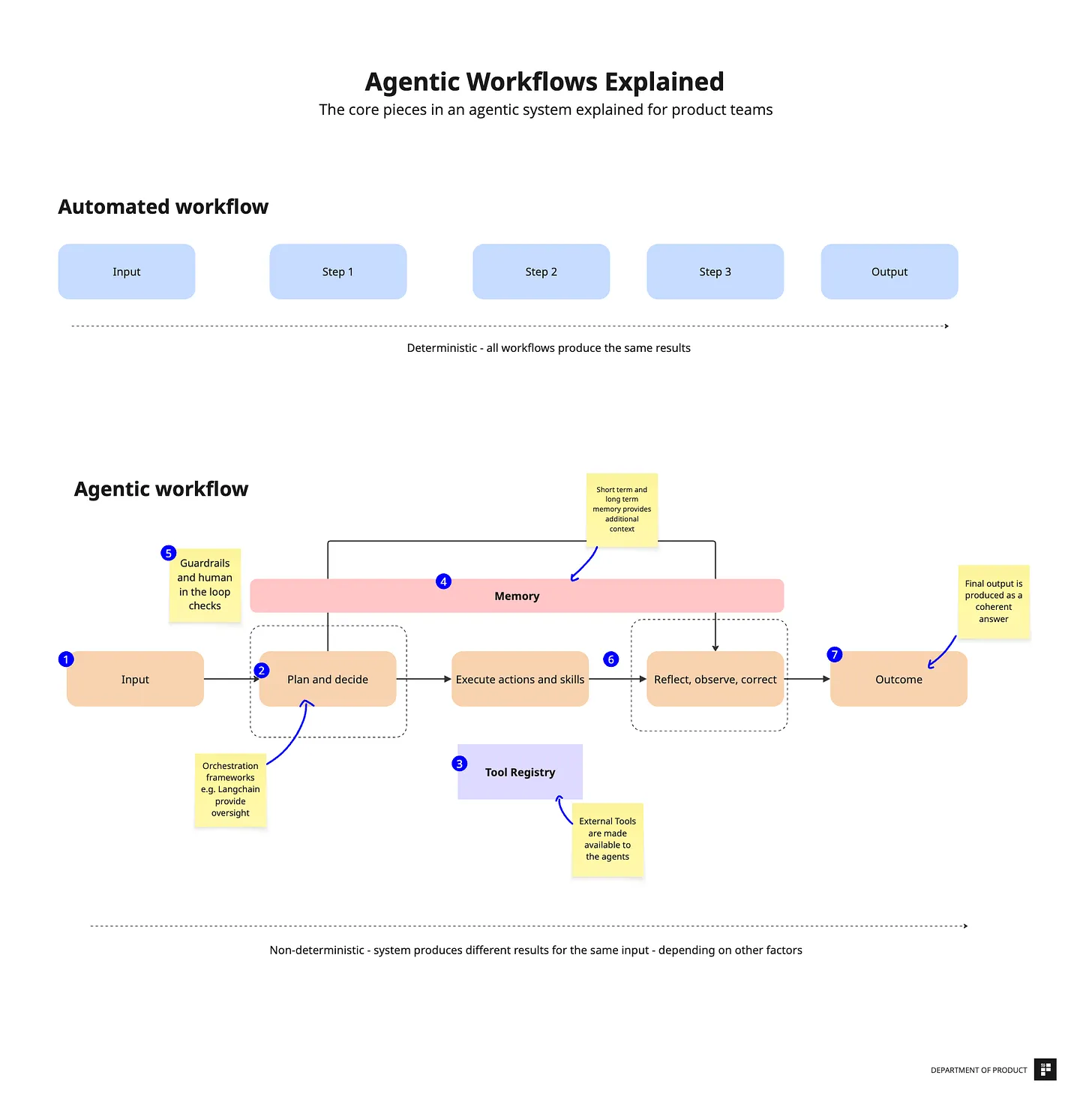
Let’s start with the basics. A workflow is just a sequence of steps to get a job done. Suppose a customer signs up for a free trial of a product. The system sends a welcome email instantly. These are called deterministic workflows. They work well for simple, predictable tasks.

But as soon as conditions change – say, the lead replies with a question, then the system doesn’t know what to do next. That’s why agentic workflows are designed to help.
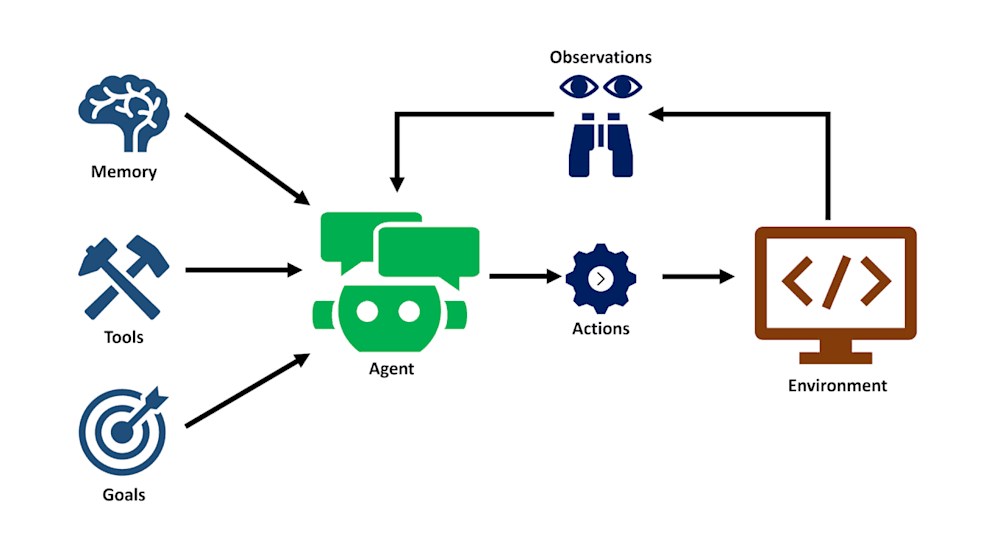
Agentic workflow is a dynamic, self-directed process executed by one or more AI agents. These agents aren’t just triggered by rules. They have the autonomy to research, adapt, and decide what to do next based on context and goals.
Sales teams today are dealing with more tools, more data, and tighter targets than ever before. Yet, most workflows still rely on human effort to move things forward.
However, agentic workflows:
- Pull in live data
- Decide which tools to use
- Learn from results
- Adjust future actions
Below are some workflow automation examples for you to understand better:
| Scenario | Traditional Workflows | Agentic Workflows |
| A lead fills out a demo form | Sends a fixed email sequence | Pulls company info from LinkedIn, checks fit against ICP, and sends personalized reply based on past behavior |
| CRM Updates Post-Call | Sales rep manually logs meeting notes and updates the deal stage. | Automatically transcribes the call, summarizes key takeaways, updates the opportunity stage, and triggers the next follow-up steps. |
| Inventory runs low | Triggers reorder based on the threshold | Analyzes sales trends, predicts demand, optimizes reorder size and timing |
| Meeting Booking | Shares a calendar link and waits for the prospect to book a slot | Detects the prospect’s time zone, checks both parties’ calendars, and books a slot. |
Agentic workflows are driven by multiple technologies working in sync. Here are the key components that make that possible:
- Machine Learning (ML) – Today, 83% of top-performing companies use AI and ML in lead scoring and conversion strategies. Because ML is what enables an agent to become smarter over time. In agentic workflows, ML helps agents decide which actions to take next and how to improve their performance automatically. They do this by analyzing data points of leads, such as demographics, behavior, preferences, and engagement. They then predict which leads are most likely to convert into customers.
- Natural Language Processing (NLP) – NLP allows agents to understand, generate, and act on human language. This is what makes it possible for agentic workflows to send tailored replies, summarise emails, or extract meaning from documents. Example: Gong AI assistant uses NLP to transcribe and analyze sales calls, then suggests what phrases helped move deals forward. Teams using it saw:
- Deal close rates rise 50%
- Call increased win rates by 10%.
- Forecast accuracy improved to 95%
- Tool Use and API Access – For an agent to take action, it needs access to tools. This could mean sending emails, updating CRM fields, scheduling meetings, or querying live databases. In agentic workflows systems, creating custom GPTs with APIs for action-based tasks increases completion success by 40 to 60%, according to OpenAI’s enterprise trials.
- Memory and Feedback Loops – Memory enables agents to store context, recall what they have done, and learn from both successes and failures. Feedback loops allow AI workflows to adapt when something doesn’t go as planned — retrying, rerouting, or flagging issues with minimal friction. For example, an agentic sales follow-up system remembers previous interactions, skips repetitive info, and changes tone if the lead goes cold.
5 Best Practices to Build Agentic Workflows
Fiver’s CEO, Micha Kaufman, says,” I only hire candidates who use AI.” Today, it’s not just about adding AI workflows to your processes. It’s about designing a system that works in the real world.
Read Also: Agentic Workflows in Customer Support: Real‑World Examples
Here’s how to build a business workflow automation process that not only looks good on paper but also delivers results:
- Start with One purpose, not TenA well-defined outcome is what sets successful ai workflows apart. Don’t build a catch-all process. Choose one goal, like qualifying leads faster, reducing resolution time, or increasing follow-up consistency.Once you have clarity on the outcome, build backwards. Ask:
- What tasks currently drain time or cause drop-offs?
- Where does human effort create delays?
- Can an agent do this more efficiently with access to tools or data?
- Use the Right Agents for the Right Task – Don’t stretch one model to handle everything. Just like teams need role clarity, agents work better when they don’t overlap. For example:
- One agent monitors CRM changesAnother one drafts a personalized follow-upA third logs updates and flags exceptions
- Keep Humans in the Loop – Maintain checkpoints to confirm AI actions align with your strategy. Human oversight prevents missteps, ensures brand tone, and helps the system learn from real-world feedback.We saw above how Claygent’s outreach AI workflows automatically scan LinkedIn and enrich lead profiles. But reps still approve the final message before sending it out.
- Let Agents Collaborate, Not Compete – Agentic workflows are most effective when multiple agents can pass tasks to each other, share inputs, and adapt based on the outcomes.Imagine a sales funnel:
- Agent A qualifies a leadAgent B pulls product use cases based on the job titleAgent C schedules a follow-up and logs it to the CRM.
- Enforce Data Governance & AI Workflow Audits – Keep a clear record of all data access, decisions, and interactions. The practice is vital for regulatory compliance and helps organizations detect potential bottlenecks in their operations. The practice ensures AI workflows maintain trustworthiness, which buyers and regulators both expect.
- Track every API call, message sent, and decision made
- Enables auditing in regulated environments
- Builds trust with stakeholders by offering transparency
Finally
Agentic workflows do more than just save time. They are a more creative way to reduce errors, scale operations, and relieve teams of tedious manual labor. When done correctly, they transform routine chores into self-sufficient end-to-end systems.
That is made simpler by AI Workfllow. Our AI-first solutions enable you to implement intelligent automation that functions across teams, tools, and touchpoints, from automating customer verification to powering intricate compliance workflows.




Comments